Key takeaways
- 4 July before dawn: Mars and Uranus sit just 0.1° apart: their closest pairing until 2053, though you'll need binoculars
- 6 July: Earth reaches aphelion, its farthest point from the Sun all year
- 9 July after sunset: dazzling Venus passes close to Regulus, the brightest star in Leo
- New Moon on 14 July brings the darkest skies of the month: the best window for meteors and faint targets
- Delta Aquariid meteor shower peaks around 30 July, but a near-full Moon spoils peak night; the moonless mornings the week before are better
- Noctilucent clouds are at their best all month: look north after sunset for their electric-blue glow
Jump to section 8 sections
July flips the routine for UK stargazers. The evenings are still short and the sky never gets properly dark until late in the month, so a lot of the action shifts to the small hours before sunrise. It is worth the early alarm. Mars and Uranus have their closest meeting for nearly 30 years, Saturn climbs back into view, and Venus puts on a show at dusk. Add the year's best noctilucent clouds and a summer meteor shower, and there is plenty to look up for. Here is everything worth catching in July 2026.
Mars and Uranus Conjunction: Closest Until 2053
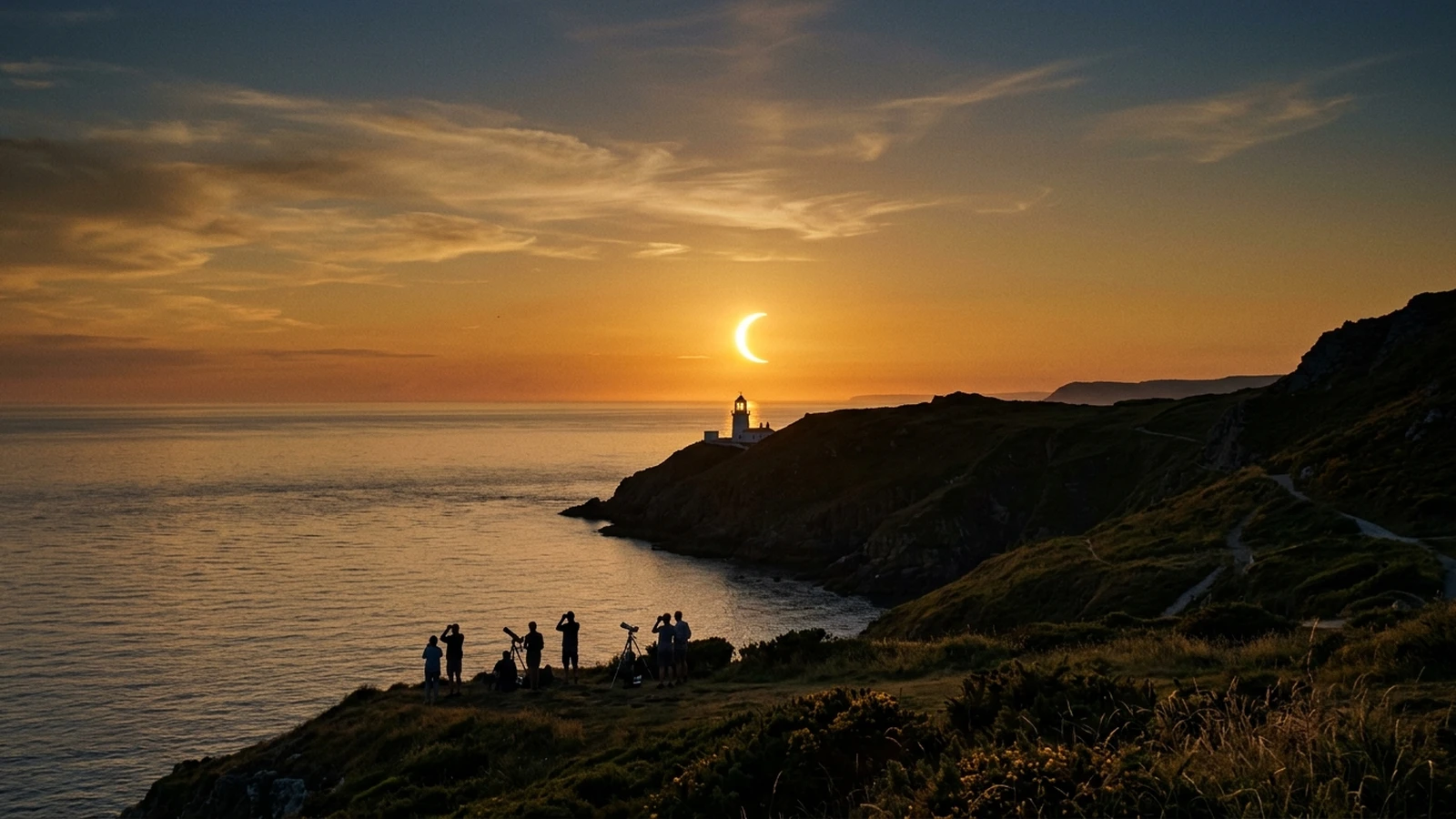
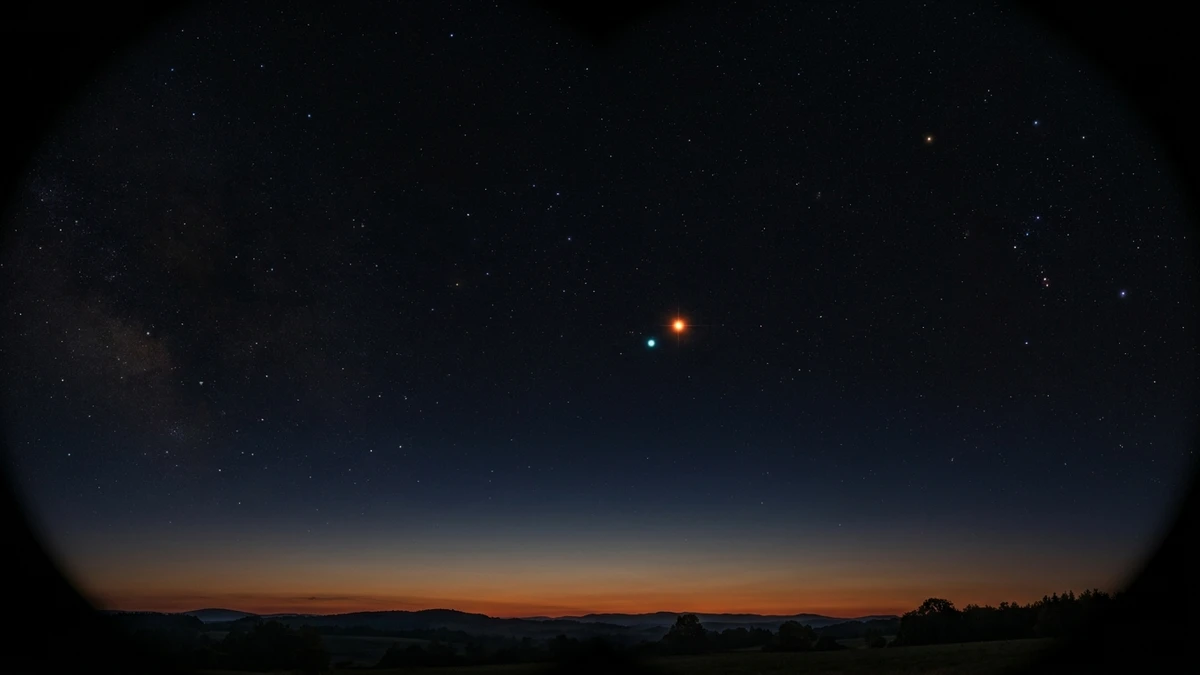
The standout event this month happens before sunrise on Saturday 4 July. Mars and Uranus pass just 0.1° apart, which is closer than the width of the full Moon. The two planets will not sit this close together again until 2053, so it is genuinely a once-in-a-generation pairing.
There is a catch, and it is worth being honest about it. Neither planet is bright, and both sit low in the east in the couple of hours before dawn. Mars is fading this month at magnitude +1.3, so it looks like a modest orange star rather than the brilliant beacon it becomes near opposition. Uranus is much fainter at around magnitude +5.8, right at the edge of naked-eye visibility even under a dark sky. In practice you will not see Uranus without help.
The good news is that binoculars solve the problem completely. Point a pair of 10×50s at Mars and Uranus sits right beside it in the same view, a small blue-green dot next to the orange one. Because they are so close together, seeing both in one field is easy once you have found Mars. You need a clear, flat horizon to the east and skies free of low cloud. Look from about 90 minutes before sunrise, roughly 03:00 BST, and let Mars guide you in.
Two days later, on 6 July, Earth reaches aphelion, its farthest point from the Sun for the year, at about 152 million km. It is a nice bit of trivia for a summer morning. Despite being at our most distant from the Sun, we are in the middle of summer, a good reminder that the seasons are driven by the tilt of the Earth rather than our distance from the Sun.
Venus and Regulus: A Bright Evening Pairing
For anyone who would rather not set a pre-dawn alarm, the evening sky has its own highlight. Venus spends July low in the west after sunset, impossible to miss at magnitude –3.9. It is the brightest thing in the sky after the Moon and shows up in the twilight before any star appears.
On the evening of Thursday 9 July, Venus passes close to Regulus, the brightest star in the constellation Leo. Regulus shines at magnitude +1.4, so the contrast is striking: dazzling Venus sitting right next to a much fainter blue-white star. The pair are low in the west-northwest, so look from about 45 minutes after sunset before they drop towards the horizon. Binoculars will frame the two together nicely.
Venus is closing on Regulus in the nights beforehand and pulling away afterwards, so you have a few evenings either side to catch them near each other if 9 July is cloudy.
Planets in July 2026: Saturn Leads the Way
If July has a planet of the month, it is Saturn. It rises in the east after midnight in early July and climbs higher and earlier as the weeks go by. By late in the month it reaches around 30° altitude in a reasonably dark sky before dawn, shining at magnitude +0.6 in the south-east. A small telescope shows the rings clearly, and the view steadies as the planet climbs. Saturn is building towards a fine opposition in the autumn, so this is a good time to start following it.
Mars, as covered above, is a faint pre-dawn object in the east, best found with binoculars. Jupiter starts the month very low in the dusk and quickly disappears into the Sun's glare, heading for a solar conjunction later in July, so there is no real chance to see it this month. Mercury reaches inferior conjunction on 12 July, passing between us and the Sun, then re-emerges in the morning sky at the very end of the month. By 31 July it rises about 90 minutes before the Sun at magnitude +0.6, low in the east-northeast, but it is a tricky catch in the brightening dawn.
What to take outside this month
Kit we've tested and reviewed in full
July rewards binoculars more than anything. You need them for the Mars-Uranus pairing, they help you pin down Venus and Regulus, and they sweep up meteors and noctilucent clouds beautifully. A small scope adds Saturn's rings.
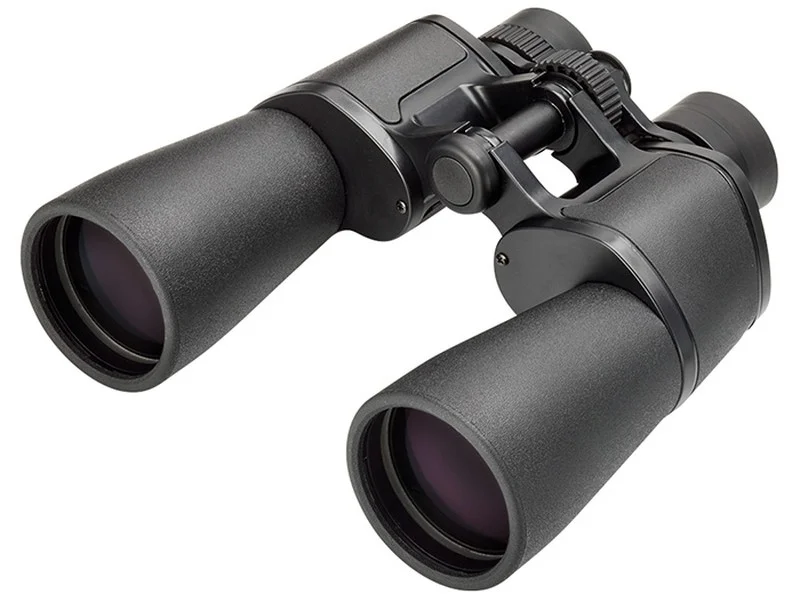
Light enough to hold steady, and 10×50 is the sweet spot for finding Mars and Uranus together or scanning the northern horizon for noctilucent clouds.
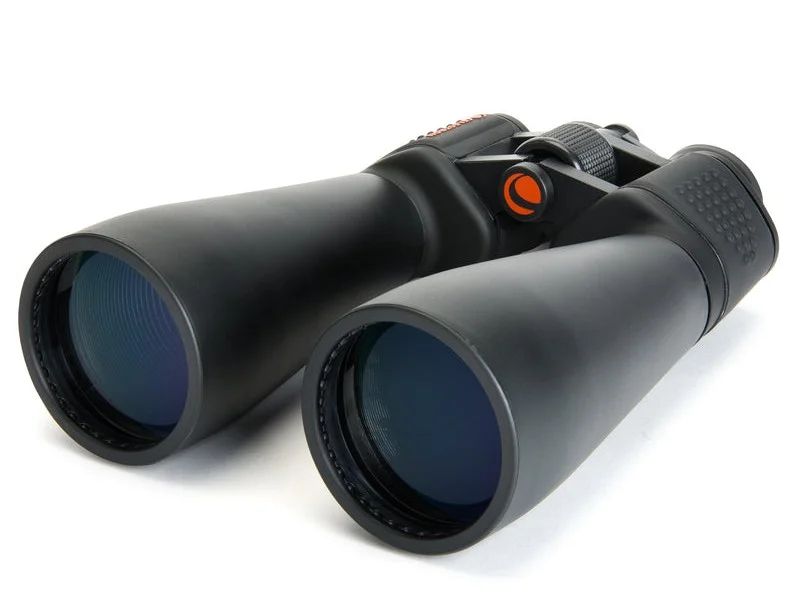
The extra magnification pulls in fainter Uranus and shows Saturn as a distinct oval. Best rested on a wall or tripod for that low pre-dawn view.
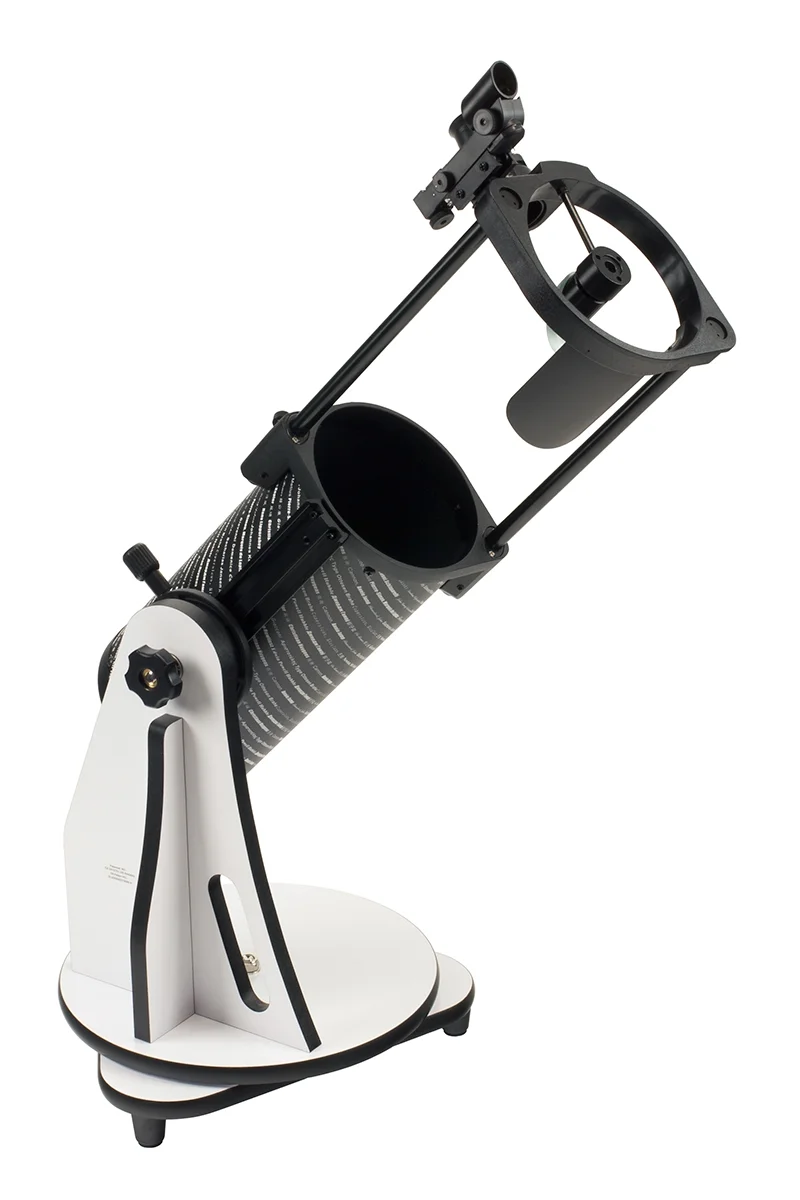
A compact tabletop scope that shows Saturn's rings and the brighter deep-sky objects in the dark New Moon window. The best first telescope for the money.
Affiliate links: you pay the same price, we earn a small commission that helps keep WatchTheStars free.
Delta Aquariid Meteor Shower 2026
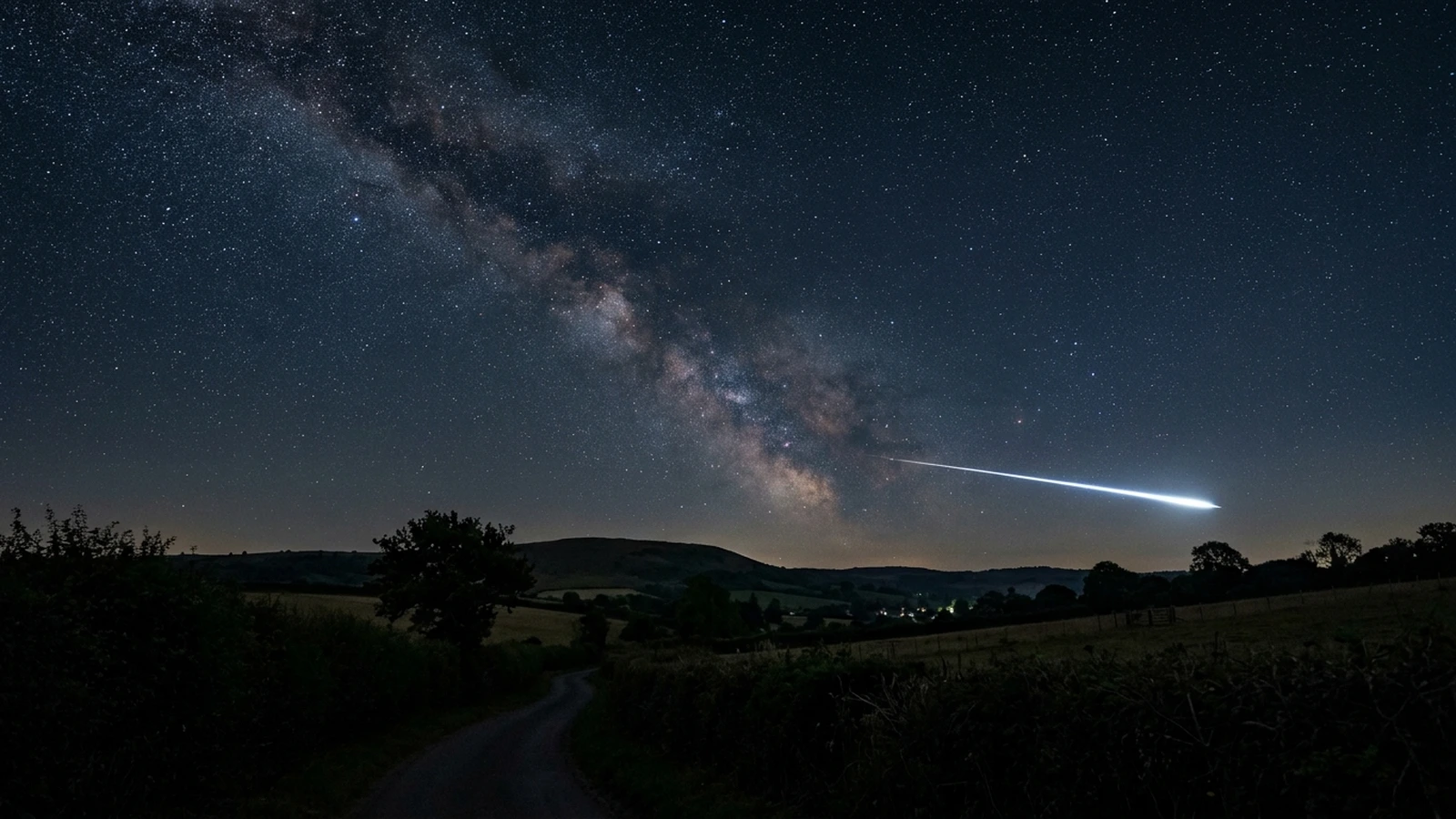
The Southern Delta Aquariids are the main meteor shower of the month. They are active from 12 July to 23 August and reach their peak on the night of 30 July. On a good year from a dark site you might see up to 25 meteors an hour, mostly faint and steady, streaking away from a radiant low in the south in the constellation Aquarius. The same mornings often bring a handful of Alpha Capricornids too, radiating from neighbouring Capricornus, fewer in number, but with a reputation for the odd bright fireball.
Here is the honest problem for 2026: the peak on 30 July falls right next to the full Buck Moon, which will be roughly 98% lit. That much moonlight washes out all but the brightest meteors, so peak night itself is not the night to bother with.
The better plan is to go out in the moonless mornings the week before, from around 22 to 26 July, after midnight and before dawn while the sky is still dark. The shower is already active by then, and without the Moon you have a real chance of catching some. Find a spot with an open southern horizon, get comfortable in a reclining chair, and give your eyes a good 20 minutes to adapt. As a bonus, the Alpha Capricornids are active at the same time. They only produce a few meteors an hour, but they are known for slow, bright fireballs that are worth the wait.
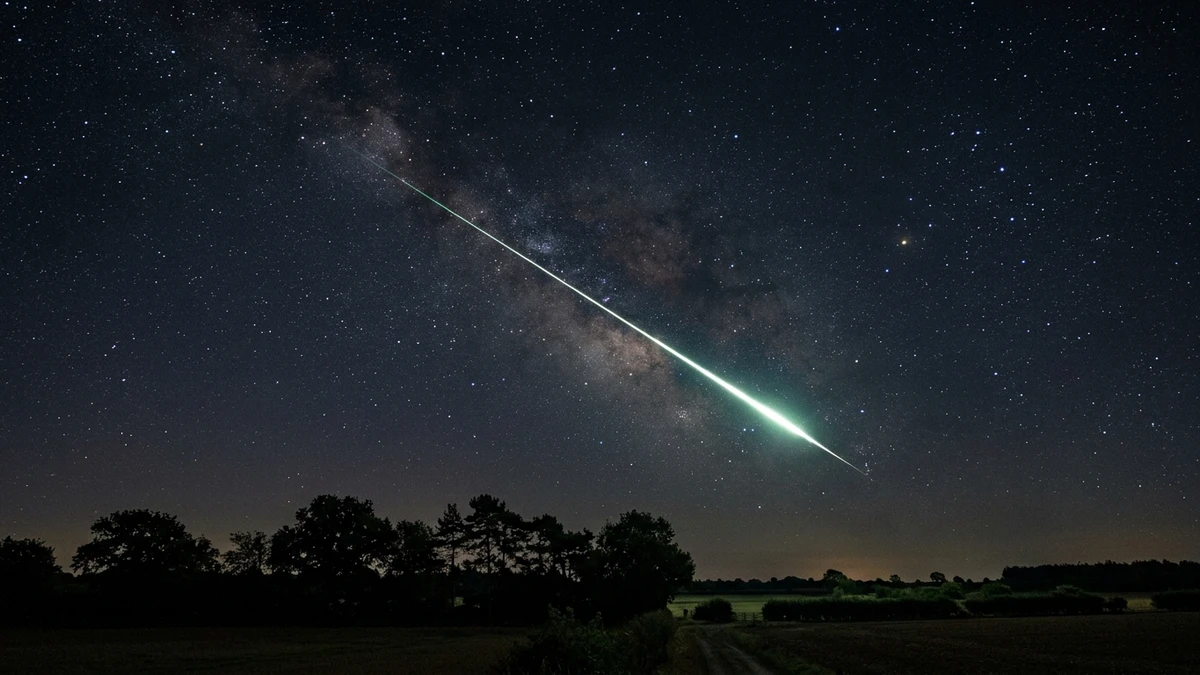
Noctilucent Clouds: The UK's Summer Spectacle
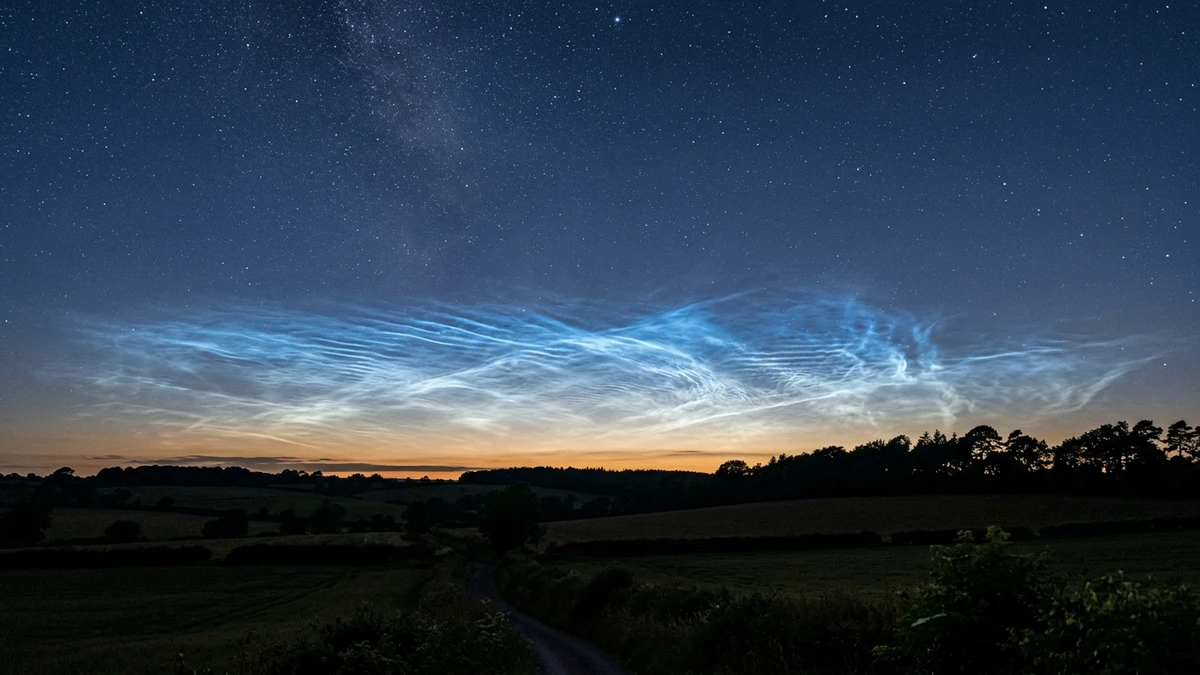
If you only learn to spot one new thing this summer, make it noctilucent clouds. July is the peak of their season, and they are one of the few sky sights that actually benefits from our bright summer nights.
Noctilucent clouds form around 80 km up, far higher than ordinary weather clouds. They are so high that the Sun keeps lighting them long after it has set for us on the ground, which is why they glow after dark. From the UK they look like rippling sheets and streaks of electric blue and silver, low on the northern horizon. Once you have seen a display you will never mistake them for normal cloud.
You do not need any equipment. Look towards the north or north-west from about 40 to 90 minutes after sunset, or towards the north-east in the hour before dawn. They do not appear every night, so it pays to check the northern horizon whenever the sky is clear. When a good display is running it shifts and rearranges over the course of an hour, and it photographs beautifully even on a phone propped against a wall.
The Summer Triangle and the Milky Way
As the sky finally darkens later in the evening, the Summer Triangle takes centre stage. It is not a constellation but an asterism, made of three bright stars from three different constellations: Vega in Lyra, almost overhead; Deneb in Cygnus, the tail of the swan; and Altair in Aquila, lower to the south. From around 22:30 they are well placed in the east and climbing, and they stay with us right through the summer.
The Summer Triangle is the easiest way to find your bearings on a July night. Once you can pick out the three stars, you can trace the shape of Cygnus flying down the middle, and on the darkest nights the band of the Milky Way runs right through the triangle. Our short summer nights work against the Milky Way, since the sky barely reaches full darkness in July, but from a dark rural site late at night you can still catch its glow, especially the brighter core low towards the south.
Moon Phases in July 2026
The Moon's timing is helpful this month. New Moon falls on Tuesday 14 July, giving the darkest skies of the month from roughly 11 to 17 July. That is the window to head somewhere dark for fainter targets, early Delta Aquariid meteors, and the best contrast on noctilucent clouds.
Full Moon, the Buck Moon, falls on Wednesday 29 July. Like June's Strawberry Moon it rides fairly low across the summer sky from the UK, so expect it to look large and warmly coloured as it rises in the south-east. The downside, as noted above, is that it lands right on the Delta Aquariid peak and washes it out. Plan your meteor watching for the darker mornings a week earlier.
Key Dates at a Glance
Here are the July 2026 highlights to mark in your diary.
July asks a bit more of you than June did. The best sights are before dawn or after the short nights finally darken, and the headline meteor shower is fighting the Moon. But the Mars-Uranus conjunction is a rare one, Venus is unmissable at dusk, and noctilucent clouds give you something to look for on any clear evening. Pick your mornings, keep the binoculars by the door, and enjoy the summer sky. Clear skies!
Sources:
- Observing the planets in July 2026 · BBC Sky at Night Magazine
- Mars–Uranus conjunction, 4 July 2026 · When the Curves Line Up
- Skywatching in July 2026 · timeanddate.com
- Delta Aquariid meteor shower 2026 · Royal Observatory Greenwich
- Noctilucent clouds: what are they and when can you see them · Royal Observatory Greenwich
- Moon phases 2026, London · timeanddate.com
Frequently Asked Questions
Equipment guides
Related topics
Ian ClaytonAmateur astronomer and founder of WatchTheStars.co.uk, dedicated to helping others explore the wonders of our universe. Full profile →