Key takeaways
- NASA and SpaceX are targeting Sunday 30 August 2026 at 7:26am EDT (12:26pm UK time) for the Roman Space Telescope launch, on a Falcon Heavy from Kennedy Space Center
- The mission is launching nine months ahead of schedule and under budget, almost unheard of for a NASA flagship telescope
- Technicians finished loading 290 gallons of hydrazine fuel on 25 July; the next step is sealing Roman inside the rocket's nose cone
- Roman photographs an area of sky 200 times larger than Hubble in each exposure, and will hunt dark energy and thousands of new exoplanets
- The launch will stream free on NASA+ and YouTube, at a very UK-friendly Sunday lunchtime
Jump to section 6 sections
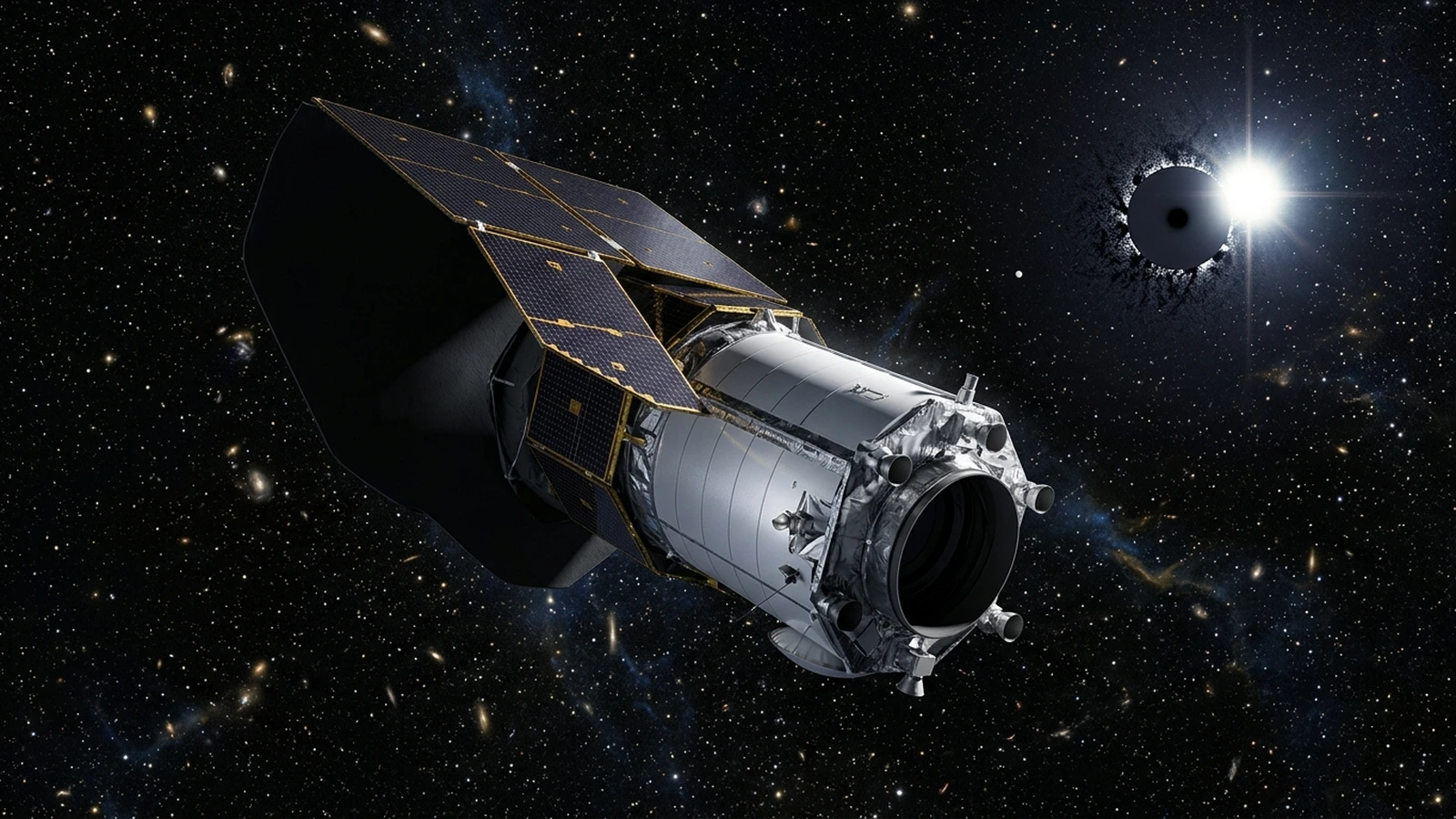
The Roman Space Telescope finally has a launch date. NASA and SpaceX are targeting Sunday 30 August 2026 at 7:26am EDT, 12:26pm here in the UK, for the most powerful survey telescope ever built to leave Earth on a Falcon Heavy rocket.
When we covered Roman's unveiling back in April, the honest answer on timing was "maybe autumn, officially by May 2027". Now it's locked in, the telescope is fuelled, and it's happening in a month. Here's everything we know.
Roman Space Telescope Launch Date: 30 August 2026
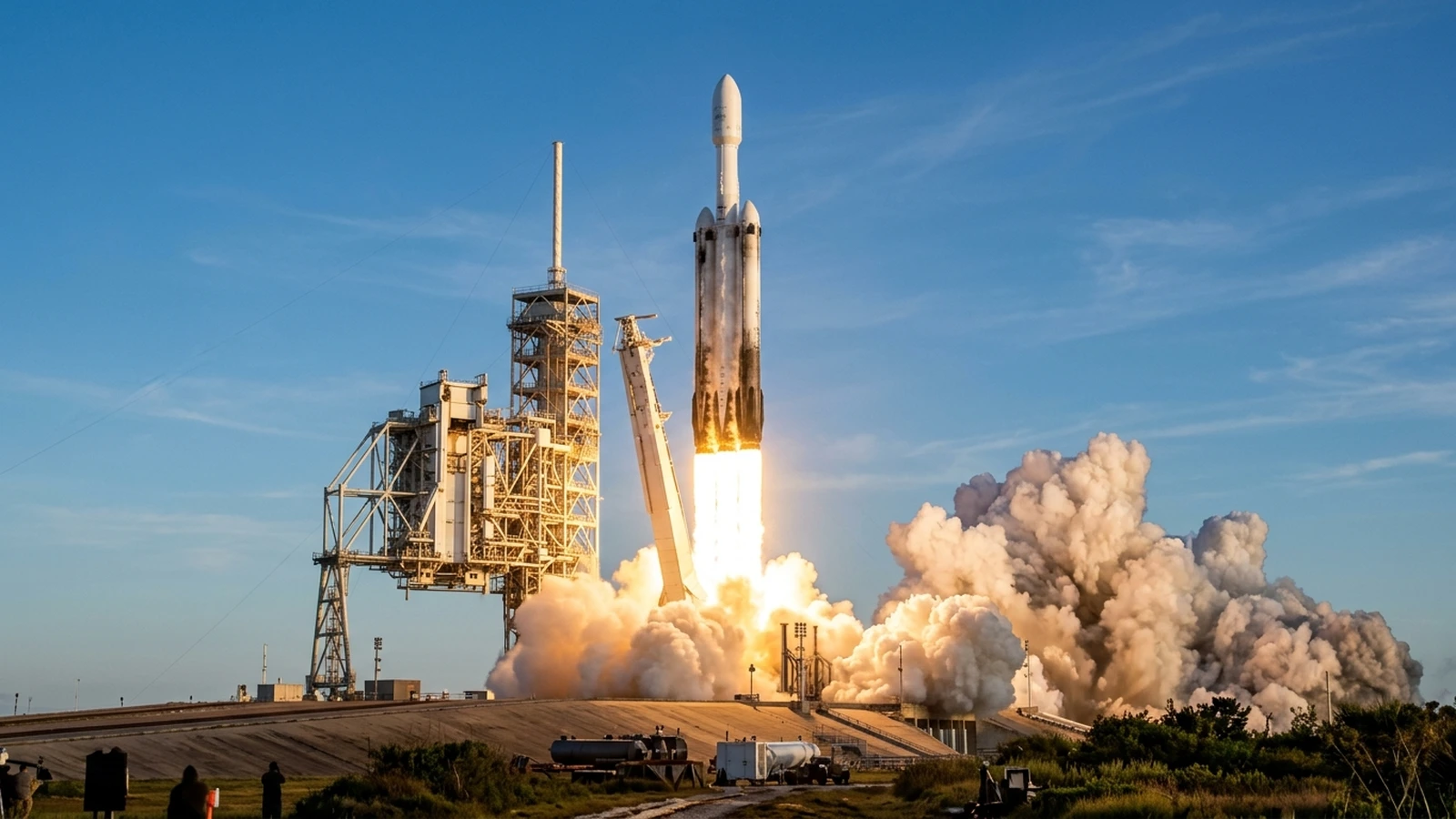
The Nancy Grace Roman Space Telescope will launch no earlier than 7:26am EDT (12:26pm UK time) on Sunday 30 August 2026, aboard a SpaceX Falcon Heavy from Launch Complex 39A at Kennedy Space Center in Florida.
That pad has serious history. It launched the Apollo missions and most of the Space Shuttle flights, and it hosted Falcon Heavy's return to flight in April. Now it gets a NASA flagship observatory.
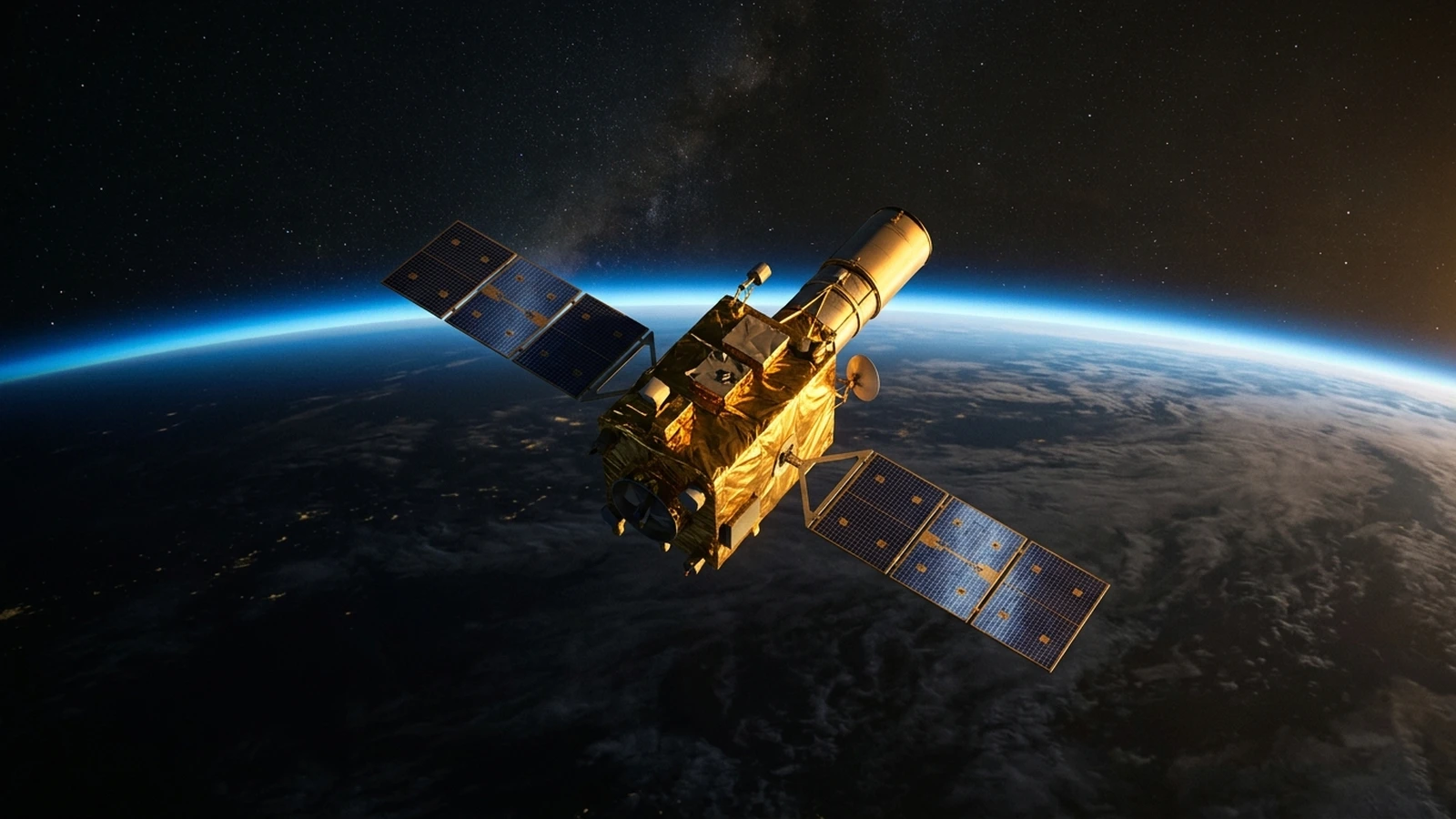
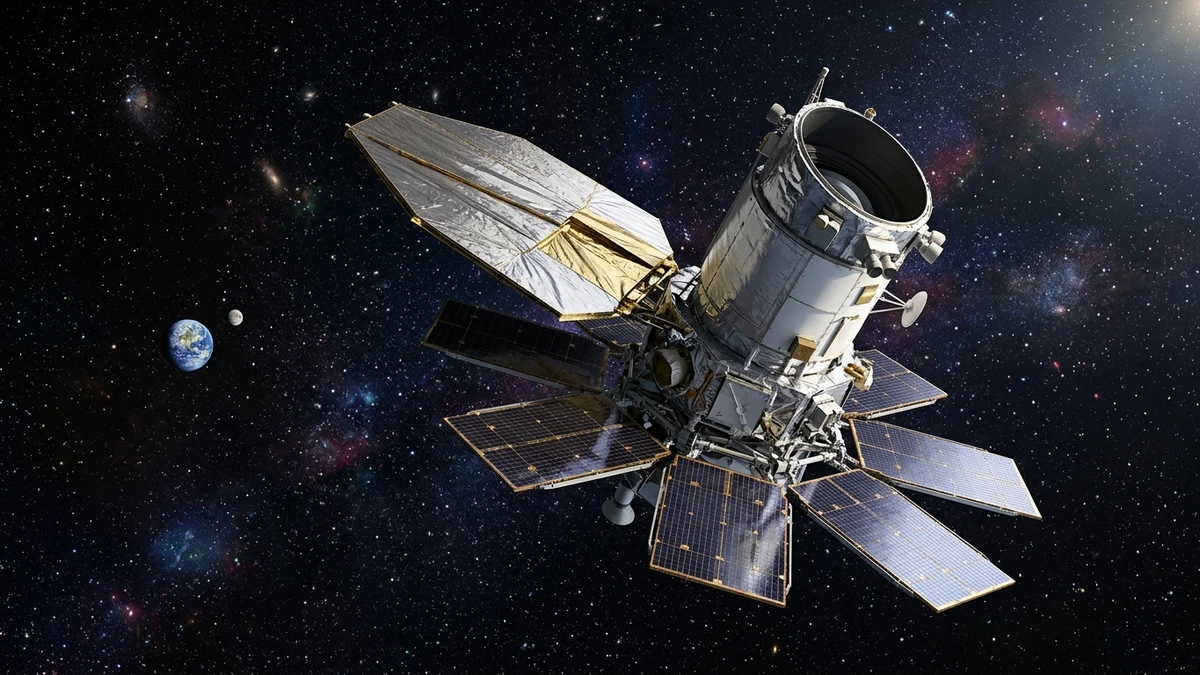
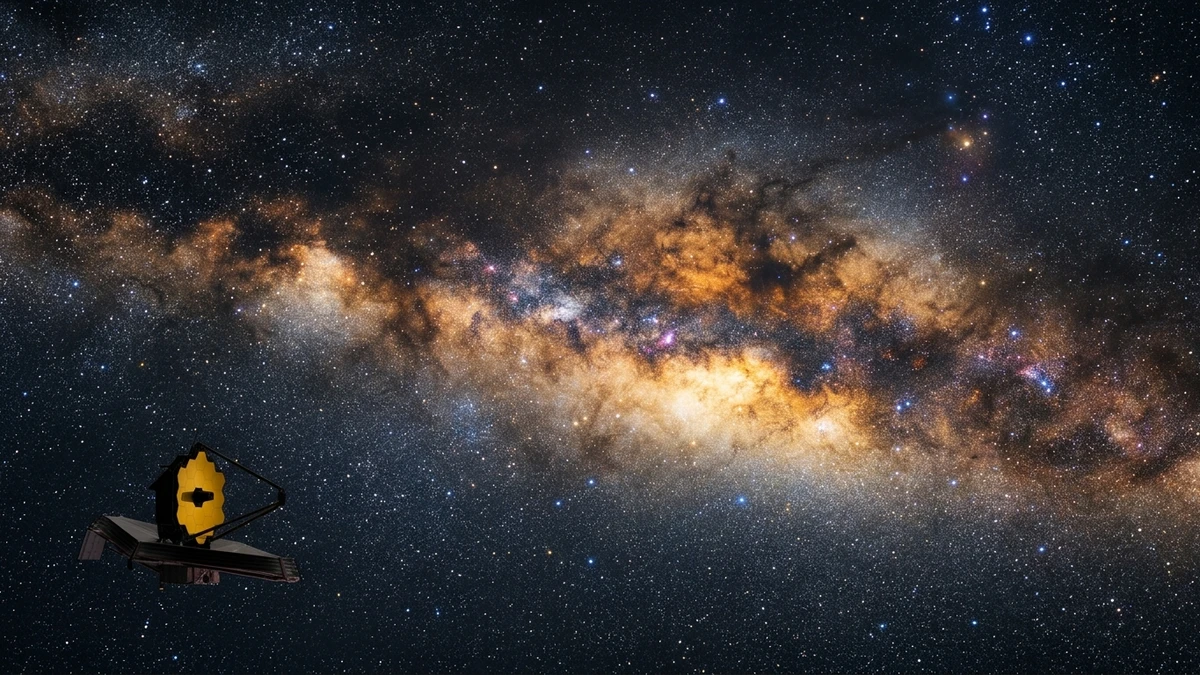
After separating from the rocket, Roman will spend several weeks travelling to the Sun-Earth Lagrange point 2, about 1.5 million kilometres away. That's roughly four times the distance to the Moon, in the same quiet, cold corner of space where the James Webb Space Telescope works. From there, the telescope begins a five-year primary mission, with enough fuel on board, NASA says, for potentially five more.
Why Is Roman Launching Nine Months Early?
Here's the unusual part: Roman is launching nine months ahead of schedule, and under budget.
If that sounds unremarkable, it isn't. NASA's official commitment was a launch by May 2027. Big space telescopes are famous for going the other way. JWST was more than a decade late and billions over budget by the time it flew. The Roman team quietly worked to an internal "autumn 2026" target instead, and they've beaten even the generous version of the timeline.
Part of the credit goes to a deliberately less risky design. Roman reuses a 2.4-metre mirror that already existed, and its instruments were built and tested against an aggressive schedule from the start. However it happened, a flagship mission arriving early and under budget is something worth celebrating in itself.
How NASA Fuelled Roman for Launch
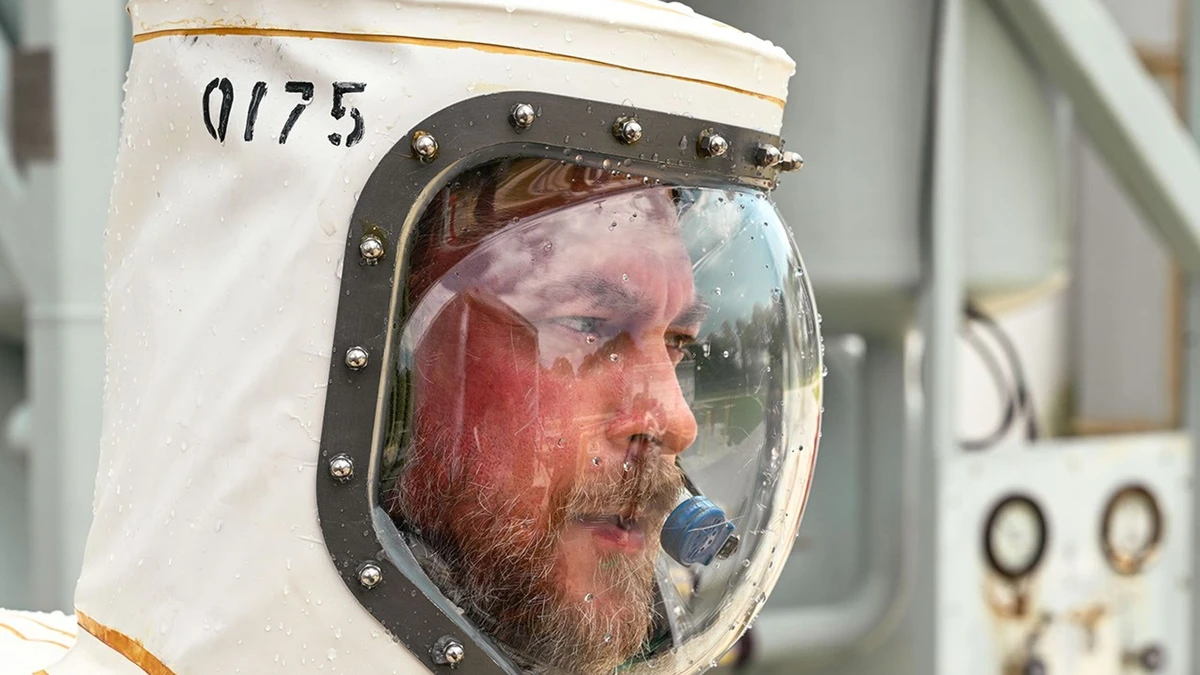
On 25 July, technicians at Kennedy's Payload Hazardous Servicing Facility finished loading 290 gallons of hydrazine into the observatory. Hydrazine is nasty stuff, so the fuelling team worked in fully sealed pressurised suits, the kind that look more deep-sea diver than rocket scientist.
That fuel isn't for getting to space. The Falcon Heavy does that. It powers the thrusters Roman needs once it's out there: fine-tuning its path to L2, holding its orbit for years, and keeping its six solar panels pointed at the Sun. Those panels, checked out earlier in July, are the observatory's only power source for the whole mission.
With fuelling done, two big steps remain. Technicians will attach Roman to the adapter that mates it to the rocket's upper stage, then seal it inside the payload fairing, the protective nose cone that shields it during the climb through the atmosphere. The next time the telescope sees sunlight, it should be in space.
What Will the Roman Space Telescope Do?
Roman is a wide-field infrared survey telescope, and one number explains why astronomers are so excited: each single exposure covers an area of sky 200 times larger than Hubble's infrared camera, at the same sharpness. One image takes in a patch of sky bigger than the full Moon.
That makes it a completely different animal from Hubble or JWST, which study individual objects through what NASA calls "pinholes". Roman does panoramas. Over five years it's expected to capture hundreds of millions of stars and billions of galaxies, generating around 20 petabytes of data.
The science falls into two headline acts. First, dark energy: by mapping how billions of galaxies are spread through space and time, Roman will test whether the mysterious force accelerating the universe's expansion has stayed constant or changed, a question with new urgency after Europe's Euclid telescope began probing the same territory.
Second, planets. Roman will stare at around 200 million stars towards the Milky Way's core and catch the tell-tale flickers of gravitational microlensing, the light-bending trick that TESS pulled off for the first time this month. Expect thousands of new worlds, including free-floating rogue planets no other method can find. A demonstration coronagraph will also try to photograph planets around nearby stars directly.
Explore the sky Roman is about to map
Kit we've tested and reviewed in full
Roman will photograph billions of galaxies from a million miles away. You can start on the same sky tonight from your garden: the Andromeda Galaxy and the star clouds of the Milky Way are all within reach of modest kit.
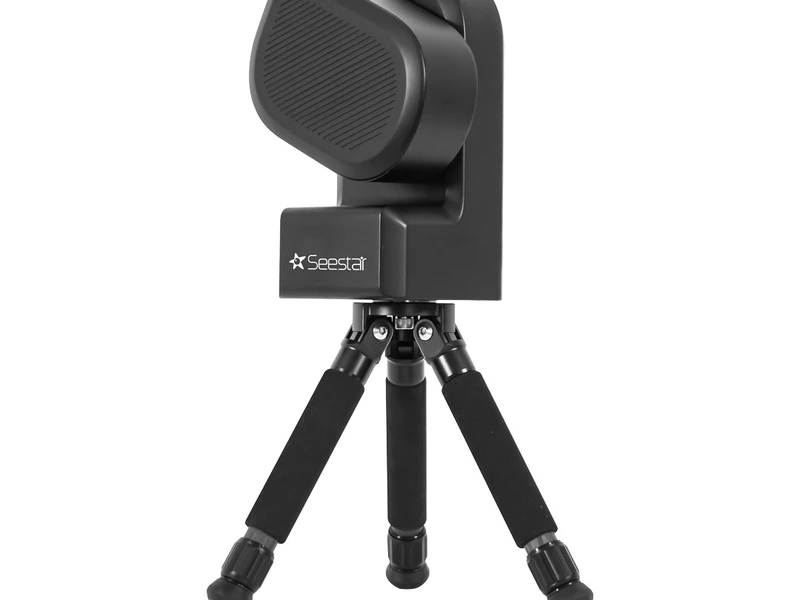
A smart telescope that stacks images automatically while you watch on your phone. The closest a back garden gets to survey astronomy, and it'll photograph galaxies Roman will map in far more detail.
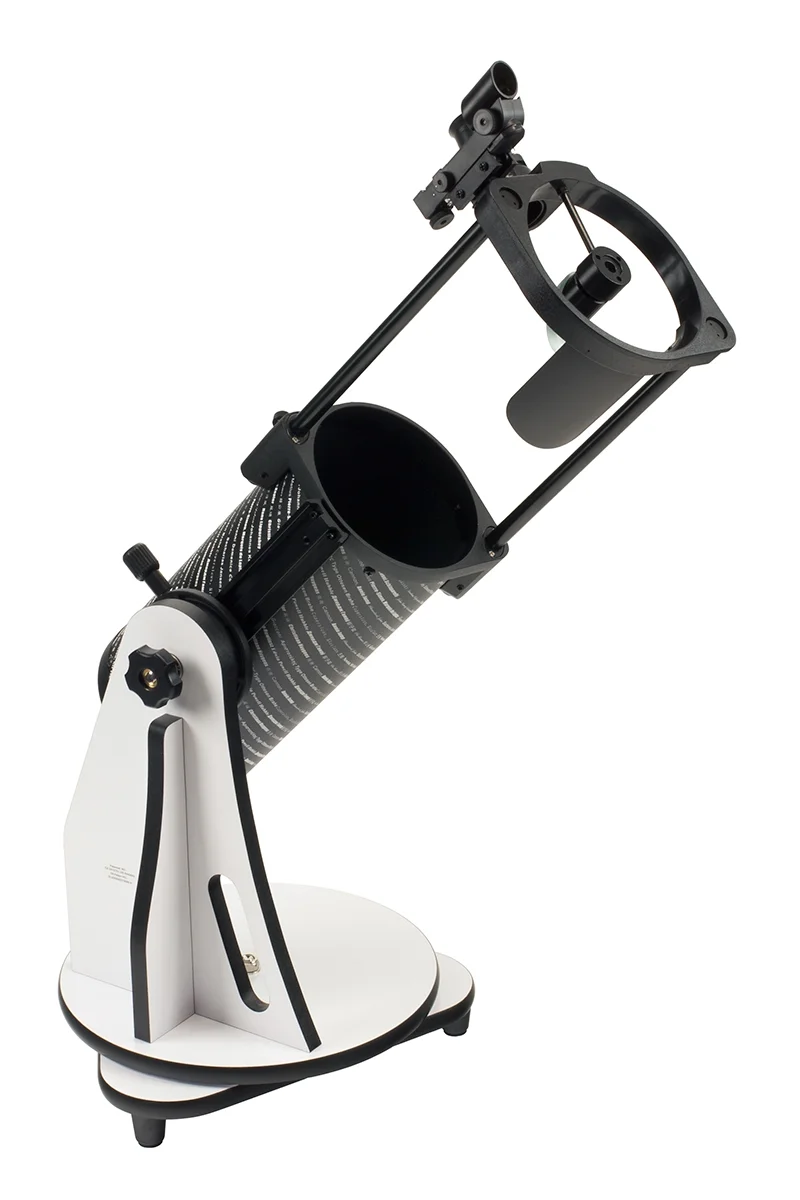
A brilliant-value 130mm reflector that shows star clusters, nebulae and the brighter galaxies for yourself, no screens involved.
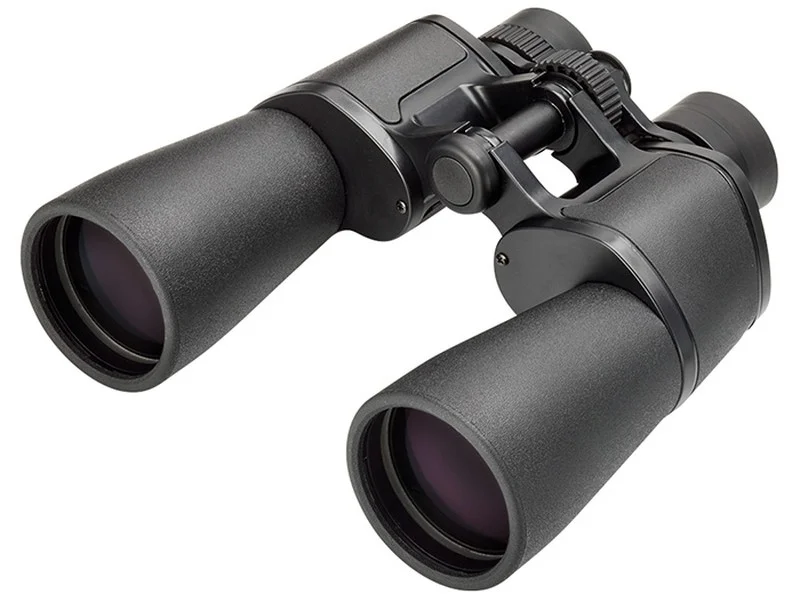
Simple, light and wide-field, ideal for cruising the summer Milky Way overhead this August while you wait for launch day.
Affiliate links: you pay the same price, we earn a small commission that helps keep WatchTheStars free.
How to Watch the Roman Launch From the UK
This one is easy on UK viewers. Liftoff at 12:26pm on a Sunday means no alarm clocks and no bleary 3am streams. Put the kettle on after lunch and you're set.
Coverage will stream free on NASA+ and NASA's YouTube channel, typically starting an hour or so before launch. Falcon Heavy launches are worth watching in their own right: 27 engines at liftoff and the prospect of the two side boosters landing back at Cape Canaveral in tandem a few minutes later.
One thing to keep in mind: "no earlier than" means exactly that. Launch dates slip for weather and technical checks all the time, so treat 30 August as the target rather than a promise. We'll update this post if the date moves.
After launch, expect a quiet few months while Roman travels to L2, cools down and runs through commissioning. The first proper images are likely in 2027, and if JWST's jaw-dropping debut was anything to go by, they'll be worth the wait.
The Bottom Line
The Roman Space Telescope launches on 30 August 2026 at 12:26pm UK time, fuelled, finished, nine months early and under budget. In one month, the most powerful survey telescope ever built leaves Florida to start mapping the universe on a scale nothing before it could manage.
Between now and then there's a fairing to close and a rocket to stack. Then Sunday lunchtime, 27 engines, and a new era of panoramic astronomy. Clear skies.
Sources:
- NASA Fuels Roman Space Telescope for Late August Launch · NASA
- Roman Space Telescope on track for late August launch · SpaceNews
- NASA fuels its next-gen Roman Space Telescope for August launch · Space.com
- Nancy Grace Roman Space Telescope mission page · NASA
Frequently Asked Questions
Equipment guides
Related topics
Ian ClaytonAmateur astronomer and founder of WatchTheStars.co.uk, dedicated to helping others explore the wonders of our universe. Full profile →