Space News & Astronomy Updates

NASA, ESA and Artemis II missions, new discoveries, and sky events — explained for UK readers

This is where we cover space as it happens — mission updates, new discoveries, and the sky events worth stepping outside for. A lot of it centres on Artemis II right now, NASA's first crewed Moon mission since Apollo, but you'll also find fireball reports, JWST discoveries, asteroid flybys, and the odd story that's stranger than fiction (see: mysterious interstellar objects).

We try to write these the way we'd explain them to a mate down the pub — accurate, but without the jargon. Every article links back to the original NASA, ESA or peer-reviewed source, so if you want to go deeper, you can. And if a story turns out to be wrong or incomplete, we update it rather than pretend it never happened.

New here? Start with whatever's leading the grid below — it's sorted newest first. If you're after stargazing advice rather than news, our observing guides are a better fit, and if it's the unexplained-sightings side of space you're curious about, that lives in UAP & UFO research.

Latest Space News

Northern Lights UK Tonight — Second CME Due Sunday 5 July 2026, G1–G2 Storm Likely With a Chance of G3

The northern horizon stays live tonight. After the first cloud from the 30 June X1.1 solar flare sparked G1–G2 (Minor to Moderate) storming over the weekend, a second coronal mass ejection is now inbound and forecast to reach Earth late on Sunday 5 July or into Monday 6 July. The Met Office expects Unsettled to Active conditions through the day, then a likelihood of further G1–G2 storming and a chance of isolated G3 (Strong) intervals once that cloud arrives — enough to bring aurora into play for Scotland, Northern Ireland and much of northern England during Sunday night's short window of darkness. The catch is still the calendar: barely two weeks past the solstice, the UK gets almost no true darkness, so timing is everything. Here's exactly when and where to look.

Follow the sky as well as the news

Reading about a launch or a close asteroid pass is one thing — seeing it (or the sky it happens under) is better. These two cover most space-news moments, from watching a launch window to tracking down a newly reported fireball's radiant.

Grab-and-go
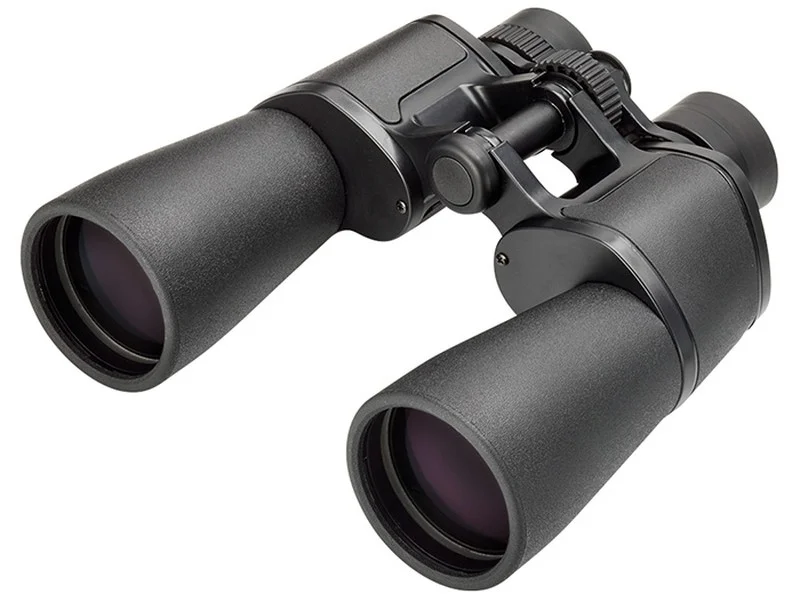
Opticron Adventurer 10×50 ~£84
A wide, bright field that's easy to point at whatever's just made the news — a bright pass, a conjunction, or a meteor radiant. The most-recommended starter binocular in UK astronomy circles.
Our full review → | Buy at FLO →
For faint targets
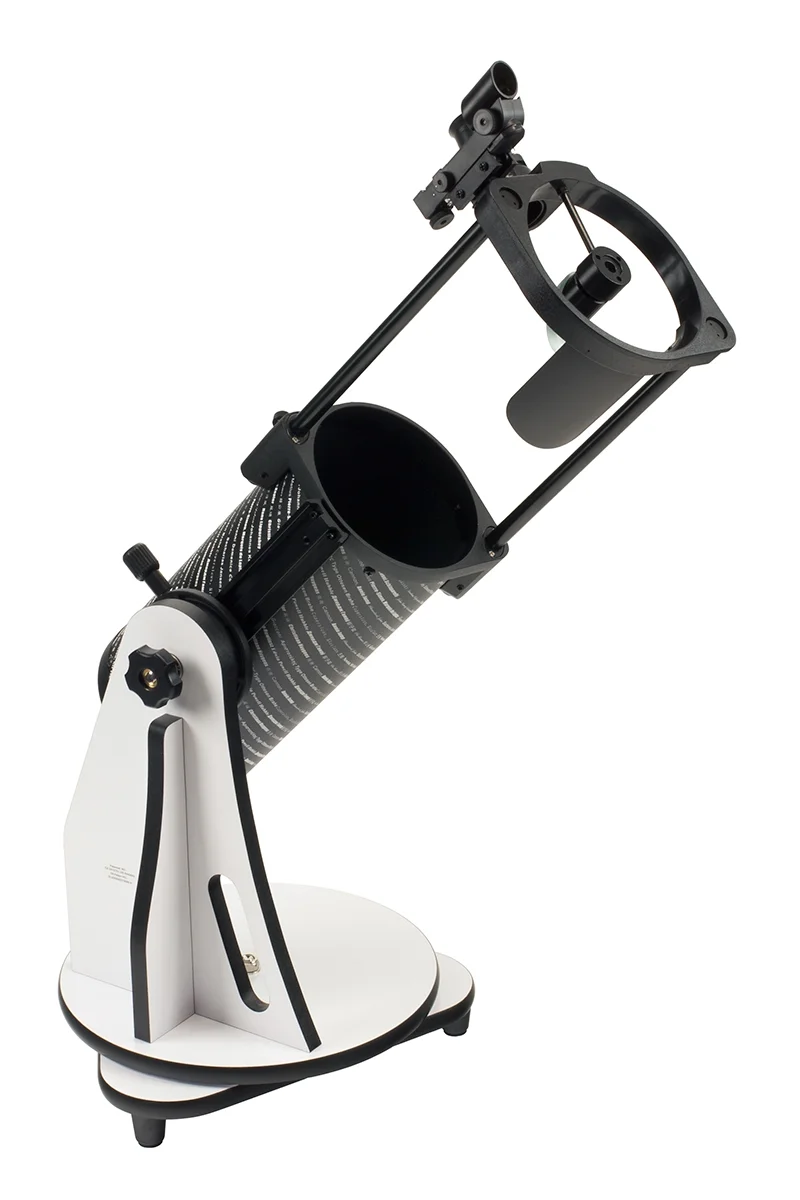
Sky-Watcher Heritage 130P ~£159
When a story involves an asteroid or a comet too faint for binoculars, this 130mm tabletop reflector has enough light grasp to find it — and it's a genuinely good Moon and planet scope the rest of the time.
Our full review → | Buy at FLO →

Browse all our equipment guides →

Affiliate disclosure: links to First Light Optics use our referral code. You pay the same price — we earn a small commission that helps keep WatchTheStars free.

Space News FAQs

What counts as space news on WatchTheStars?
Mission updates from NASA and ESA (including Artemis II), new discoveries from telescopes like JWST, fireballs and meteorite falls, asteroid flybys, and anything else happening in space or in orbit that UK readers are searching for. We keep the science accurate but explain it in plain English.
How often is the space news section updated?
Most weeks bring at least one new story, and big events — a launch, a major discovery, a close asteroid pass — get same-day or next-day coverage. Sign up to the newsletter if you want the highlights without checking back yourself.
Where does the information in these articles come from?
We work from primary sources wherever possible — NASA and ESA press releases, mission blogs, peer-reviewed papers, and official statements — and link out to them so you can check the original yourself. Where something is still developing or unconfirmed, we say so.

Get weekly sky highlights and UAP news

One email a week. No spam. Unsubscribe any time.