Key takeaways
- NASA's James Webb Space Telescope has discovered a new planet, Beta Pictoris d, announced 15 July 2026 in The Astrophysical Journal Letters
- It was found by accident: astronomers spotted the chemical fingerprint of its atmosphere while studying a different planet in the same system
- The planet is at least twice Jupiter's mass and orbits about as far out as Neptune, hidden inside one of the brightest debris disks known
- Beta Pictoris is now only the second star system ever found with three directly imaged planets
- A separate team, led from the University of Edinburgh, independently confirmed the planet using ESO's Very Large Telescope
Jump to section 7 sections
- James Webb Discovers a New Planet in the Beta Pictoris System
- How Was Beta Pictoris d Discovered? A Planet Found by Its Air
- Beta Pictoris d: Size, Orbit and What We Know So Far
- Why Did the Planet Stay Hidden for So Long?
- What This Means for Finding New Exoplanets
- Can You See Beta Pictoris From the UK?
- The Bottom Line
Astronomers have found a new planet in one of the most photographed star systems in the sky. And nobody was looking for it.
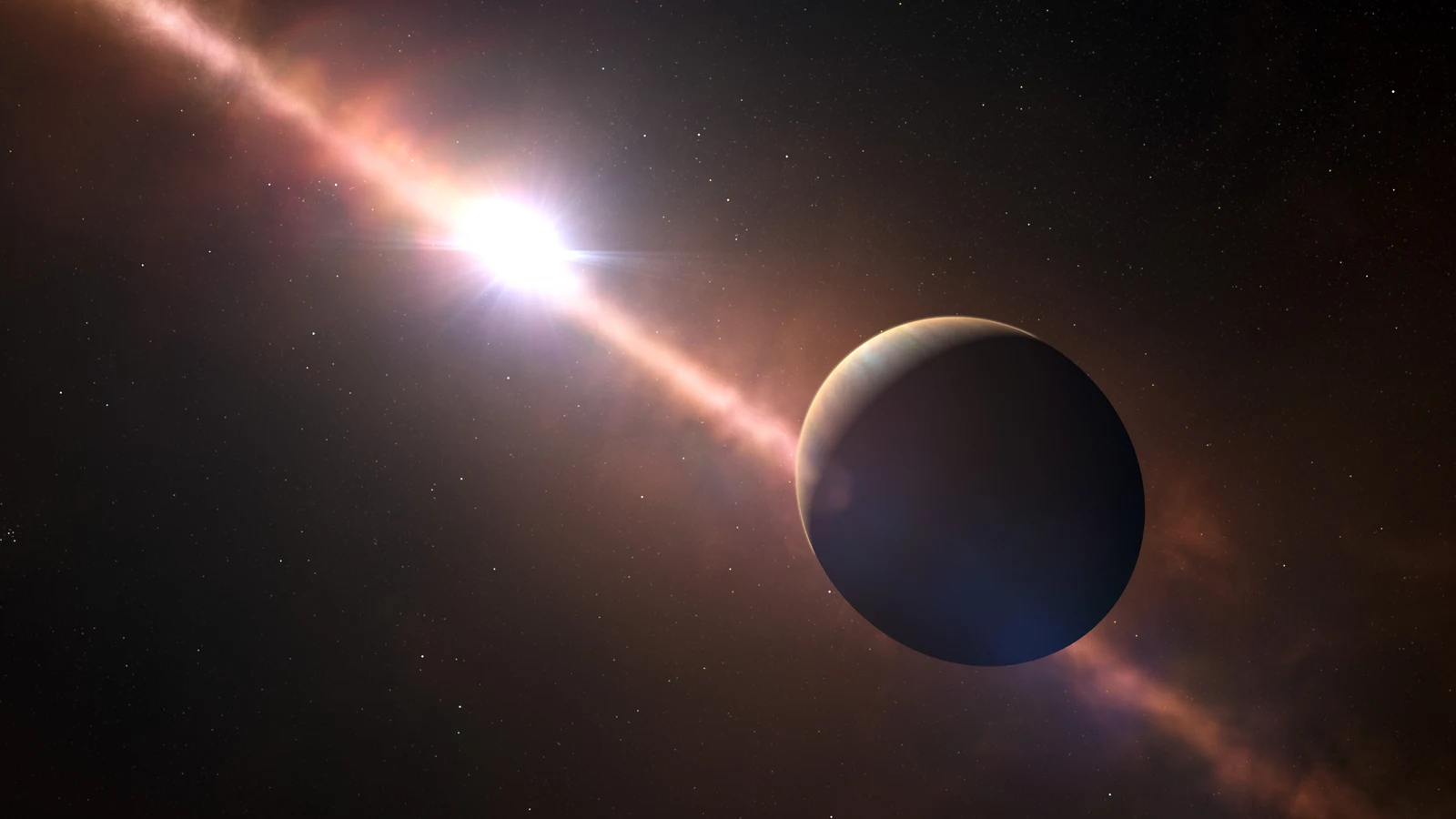
Beta Pictoris, a young star 63 light-years away, has been studied for four decades. Its dusty disk was the first ever imaged around another star. Its planets are textbook examples. Yet a third world, at least twice the mass of Jupiter, sat hidden in plain sight the whole time, and NASA's James Webb Space Telescope has just flushed it out, not by seeing it, but by smelling its air.
James Webb Discovers a New Planet in the Beta Pictoris System
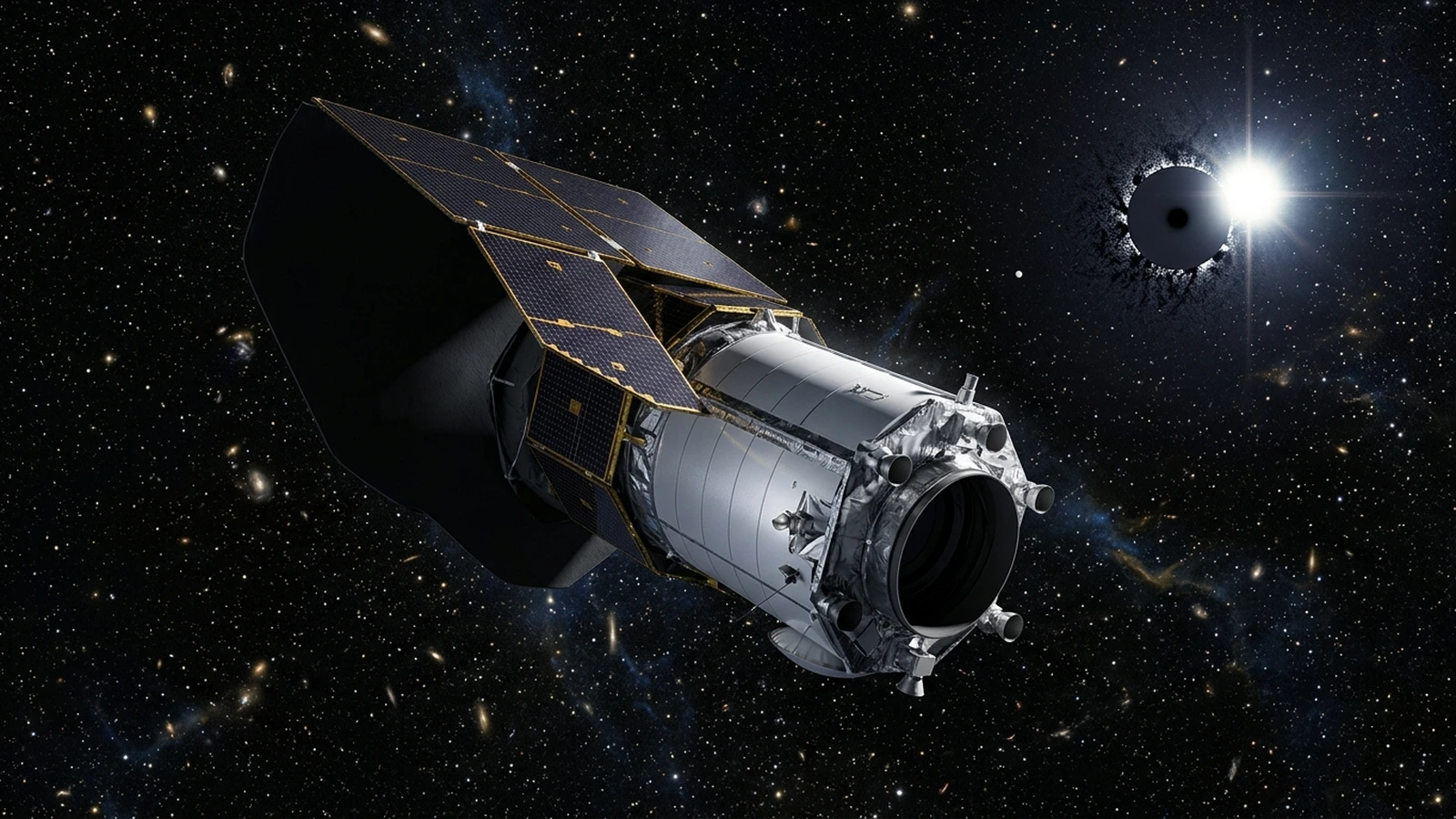
Astronomers using NASA's James Webb Space Telescope have discovered a new planet, Beta Pictoris d, orbiting the young star Beta Pictoris, 63 light-years from Earth. The discovery was announced on 15 July 2026 and published in The Astrophysical Journal Letters, led by Aidan Gibbs of the University of California, San Diego.
The system was already famous. Beta Pictoris b, spotted in 2008, was one of the first exoplanets ever directly imaged. Beta Pictoris c followed in 2019. The star itself is a baby by cosmic standards, around 23 million years old, still wrapped in the disk of dust and debris its planets formed from. If you want to watch a solar system being built, this is where you point your telescope.
Now there are three planets. That makes Beta Pictoris only the second planetary system ever known to contain at least three directly imaged planets.
"This discovery adds another piece to an already fascinating planetary system," said Gibbs. "Beta Pictoris has long served as a laboratory for understanding how planetary systems form and evolve, and now we have another planet helping us tell that story."
How Was Beta Pictoris d Discovered? A Planet Found by Its Air
Beta Pictoris d was discovered through the chemical fingerprint of its atmosphere, not by photographing it as a point of light. That's a first: no directly imaged planet has ever been found primarily through spectroscopy before.
The team wasn't even planet-hunting. They were using Webb's NIRSpec instrument to study the atmosphere of Beta Pictoris b, the planet everyone already knew about. NIRSpec's Integral Field Unit captures an image and a spectrum from every pixel at once, so while they worked, it was quietly recording the light from the whole neighbourhood.
"We weren't looking for a new planet," said Gibbs. "We were trying to understand one we already knew existed. Then, this telltale signal appeared in the data where we didn't expect it."
The signal was a pattern of carbon monoxide absorption lines, spread out like a barcode, in a spot where the team expected nothing but smooth light bouncing off dust. Carbon monoxide is a classic ingredient of giant planet atmospheres. Better still, the same spectrum revealed the object's motion, and its speed and position matched something orbiting Beta Pictoris rather than a background star photobombing the image.
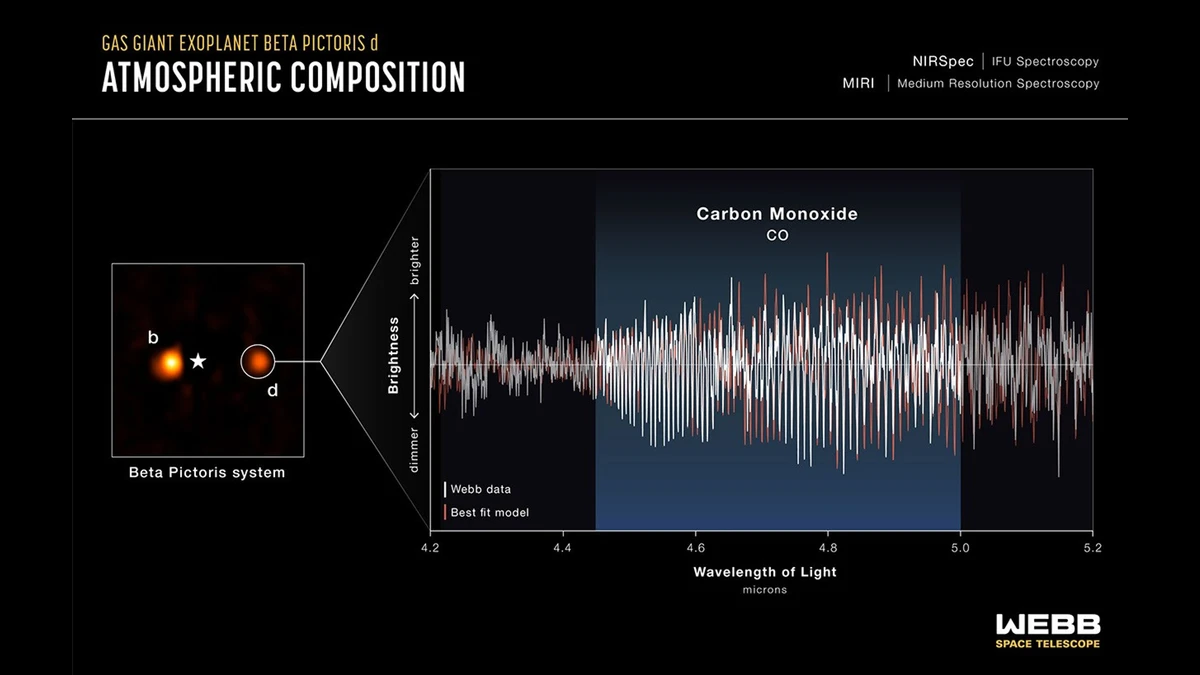
"We've learned not to trust bright blobs in images," said Jean-Baptiste Ruffio of UC San Diego, principal investigator of the observations. "They can be instrumental artifacts or other structures in the debris disk. By obtaining a spectrum at the same time as the image, we were able to quickly confirm our suspicions."
Follow-up observations with Webb's MIRI instrument then detected water vapour and methane as well, settling it. This is a planet, and we already know what's in its air.
Beta Pictoris d: Size, Orbit and What We Know So Far
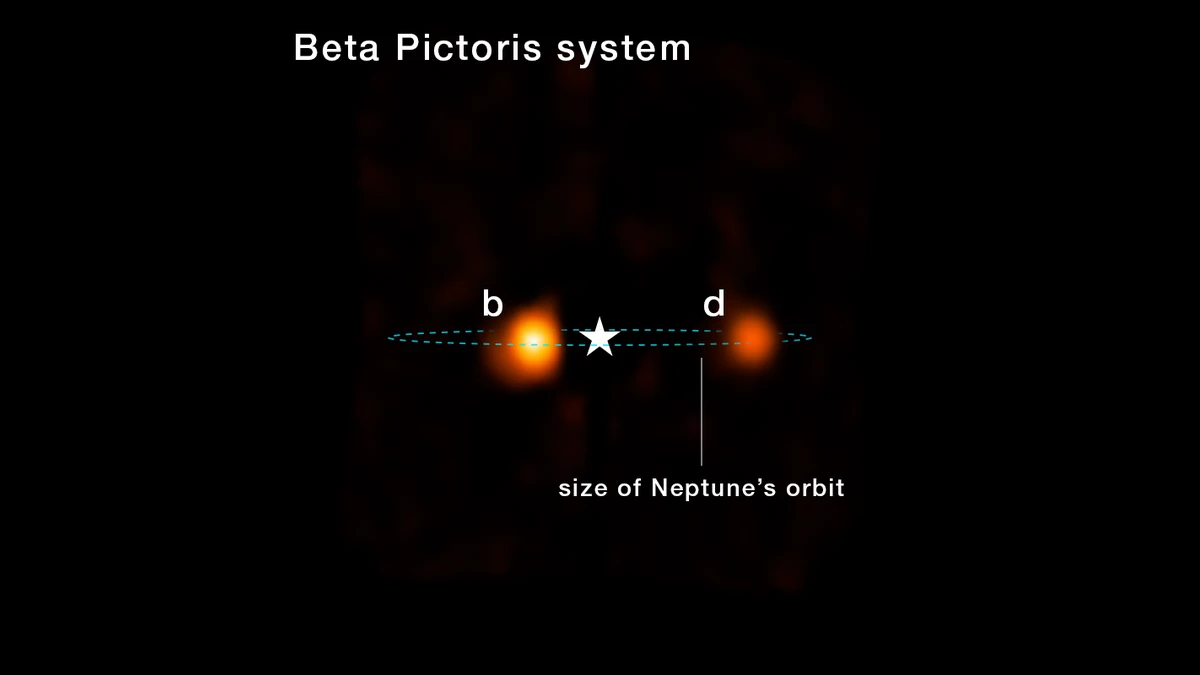
Beta Pictoris d is a gas giant at least twice the mass of Jupiter, which still makes it the smallest of the system's three known planets. It orbits about 30 astronomical units from its star, roughly where Neptune sits in our own solar system. That's the widest orbit of the three, but still inside the inner edge of the great debris disk.
It is also seriously faint: around 100 times fainter than Beta Pictoris b. A companion study, led by Ben Sutlieff at the University of Edinburgh with the European Southern Observatory, independently confirmed the planet using the Very Large Telescope in Chile together with Webb's NIRCam, making it one of the faintest planets ever imaged from the ground.
Two separate teams, two different methods, one new planet. In a field where candidate planets come and go, that kind of double confirmation on day one is rare.
Why Did the Planet Stay Hidden for So Long?
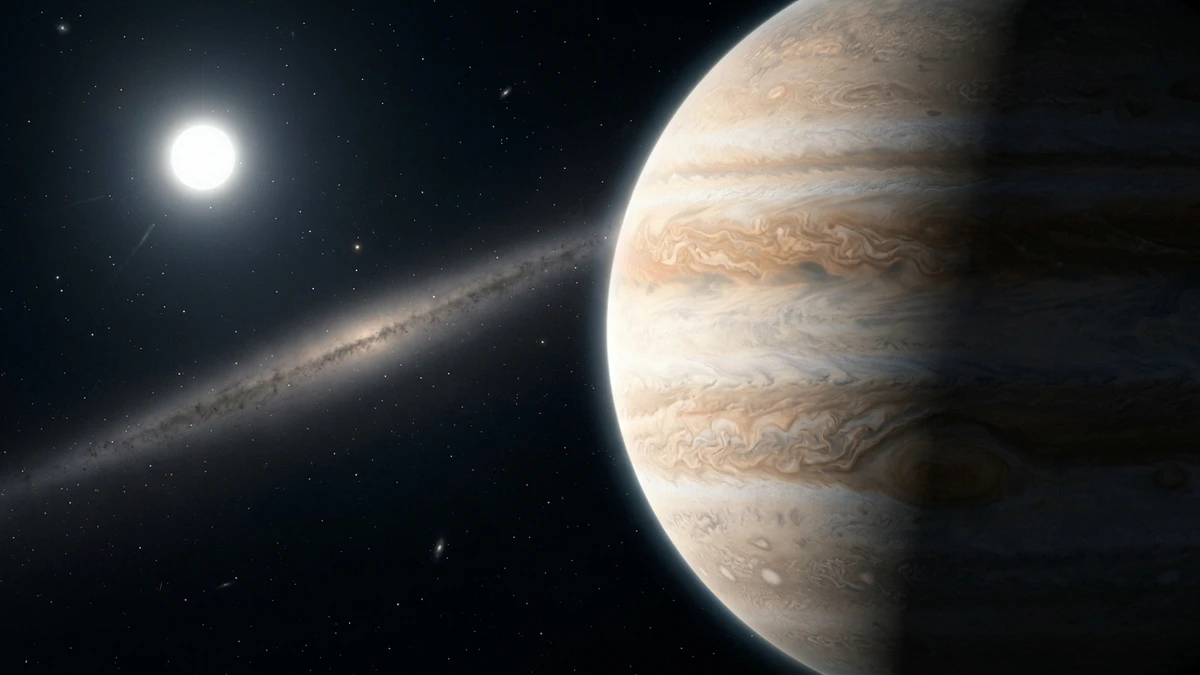
Beta Pictoris has one of the brightest debris disks known, and that disk is exactly why the planet went unseen. All that dust scatters starlight like fog scatters headlights. A faint planet sitting inside it simply disappears into the glow, and conventional imaging can't tell a world from a clump of debris.
The spectroscopic trick cut straight through. Dust reflects light smoothly, with no barcode pattern. A planetary atmosphere stamps sharp molecular lines into its light. By hunting for the lines rather than the light, the team effectively made the fog invisible.
Here's the satisfying part: astronomers had suspected this planet existed for more than a decade. The debris disk has an oddly sharp inner edge and other structures that are hard to explain without something massive shepherding the dust. A planet just like Beta Pictoris d had been pencilled in to account for it. Now it has been found, more or less where the predictions wanted it.
What This Means for Finding New Exoplanets
The bigger story is the method. Most of the 6,000-plus known exoplanets were found indirectly, by dips in starlight or wobbling stars: we covered the first planet TESS found by bending spacetime earlier this month. Direct imaging, actually seeing the planet, has only ever worked for a handful of big, bright, young worlds in clean surroundings.
Spectroscopy changes the rules. It can pick planets out of messy, dusty environments where cameras are blinded, and it hands you a science bonus on day one.
"A spectrum contains an incredible amount of information," said Ruffio. "You don't just learn that something is a planet; you immediately begin learning about its temperature, chemistry, and motion."
That matters because young systems, the ones mid-construction, are precisely the dusty, complicated places where imaging struggles most. There may be planets like Beta Pictoris d hiding in Webb observations of other systems already taken. And with NASA's Roman Space Telescope launching at the end of August to find thousands more worlds, the exoplanet count is about to climb steeply. The question is shifting from "are there planets?" to "what are they like?", and this technique answers both at once.
Can You See Beta Pictoris From the UK?
No, sadly. Beta Pictoris lives in the far-southern constellation Pictor, the Painter's Easel, and from British latitudes it never climbs above the horizon. You'd need to be at least as far south as southern Spain just to see it graze the horizon, and well into the southern hemisphere to see it properly.
But the UK summer sky has its own planet-forming showpiece. Look nearly overhead on any clear July evening and you'll find Vega, the brilliant white anchor of the Summer Triangle. Vega is a young star with its own disk of dusty debris, a cousin of the one around Beta Pictoris. When you look at it, you're looking at a solar system under construction, no telescope required.
Come autumn, there's Fomalhaut too, low in the south, wrapped in a vast dust ring that Hubble and Webb have both imaged. And if you fancy real exoplanet science, a smart telescope can catch a known planet crossing its star from your back garden, the same trick we described for GJ 3378b.
Tour the planet-forming neighbourhoods you CAN see
Kit we've reviewed in full
Beta Pictoris never rises from Britain, but summer evenings put Vega, a young star with its own dusty disk, almost overhead. Here's the kit for exploring star systems where planets are being made.
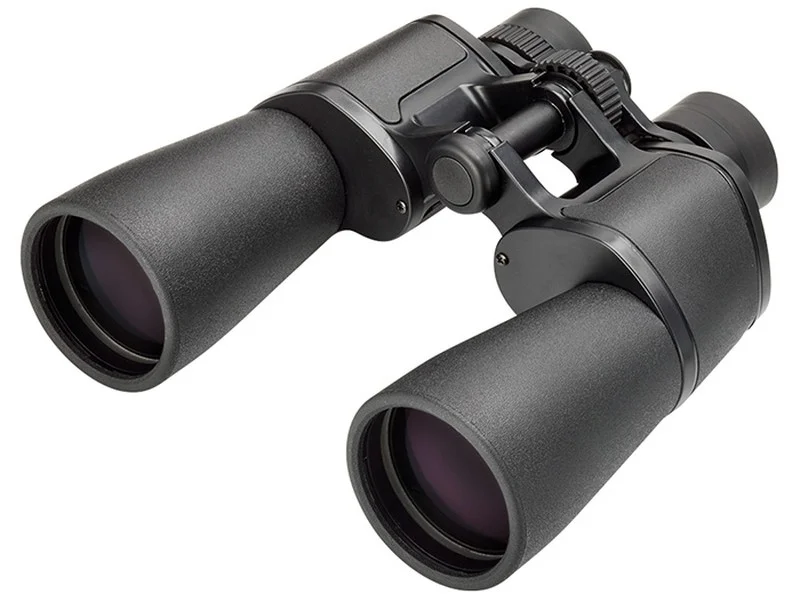
Perfect for sweeping from Vega through the summer Milky Way: thousands of stars, and the odds say most have planets.
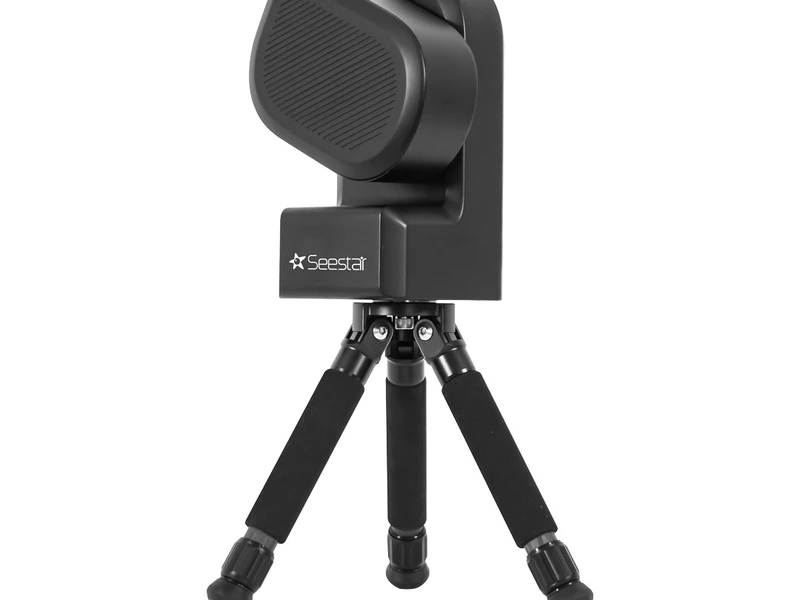
This smart scope can measure the tiny dip in a star's brightness as a known planet crosses it. Genuine exoplanet science from your garden.
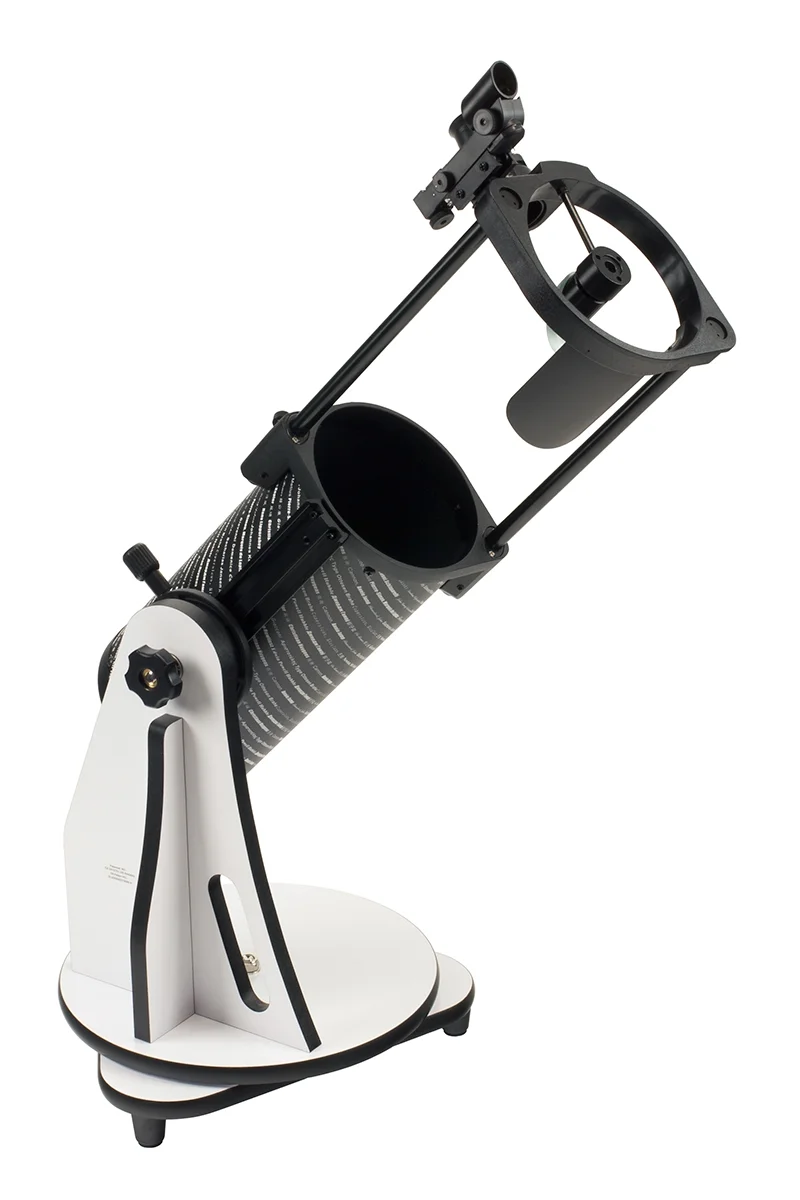
It won't show you an exoplanet, but it will show you their host stars, plus superb views of Saturn, the Moon and summer deep-sky objects.
Affiliate links: you pay the same price, we earn a small commission that helps keep WatchTheStars free.
The Bottom Line
The most studied young star system in the sky was hiding a planet twice the mass of Jupiter, and it took a telescope that could read the planet's air to find it. Beta Pictoris now has three worlds, a decade-old prediction has come good, and astronomers have a new way to find planets in places cameras can't see.
Webb keeps doing this: answering one question and stumbling into a better one. If a system this famous still had a secret, the quieter corners of the sky must be full of them. Clear skies.
Sources:
- NASA's Webb Discovers Hidden Planet in Famous Star System · NASA Science
- Discovery of Beta Pictoris d · The Astrophysical Journal Letters (Gibbs et al., 2026)
- Astronomers spot faintest exoplanet ever seen from Earth after a decade of hide-and-seek · Space.com
- Faintest planet ever imaged from Earth found after more than 10 years of hide-and-seek · Phys.org
Frequently Asked Questions
Equipment guides
Related topics

Ian ClaytonAmateur astronomer and founder of WatchTheStars.co.uk, dedicated to helping others explore the wonders of our universe. Full profile →