Key takeaways
- NASA's TESS has found a planet through gravitational microlensing for the first time, published 1 July 2026 in The Astrophysical Journal Letters
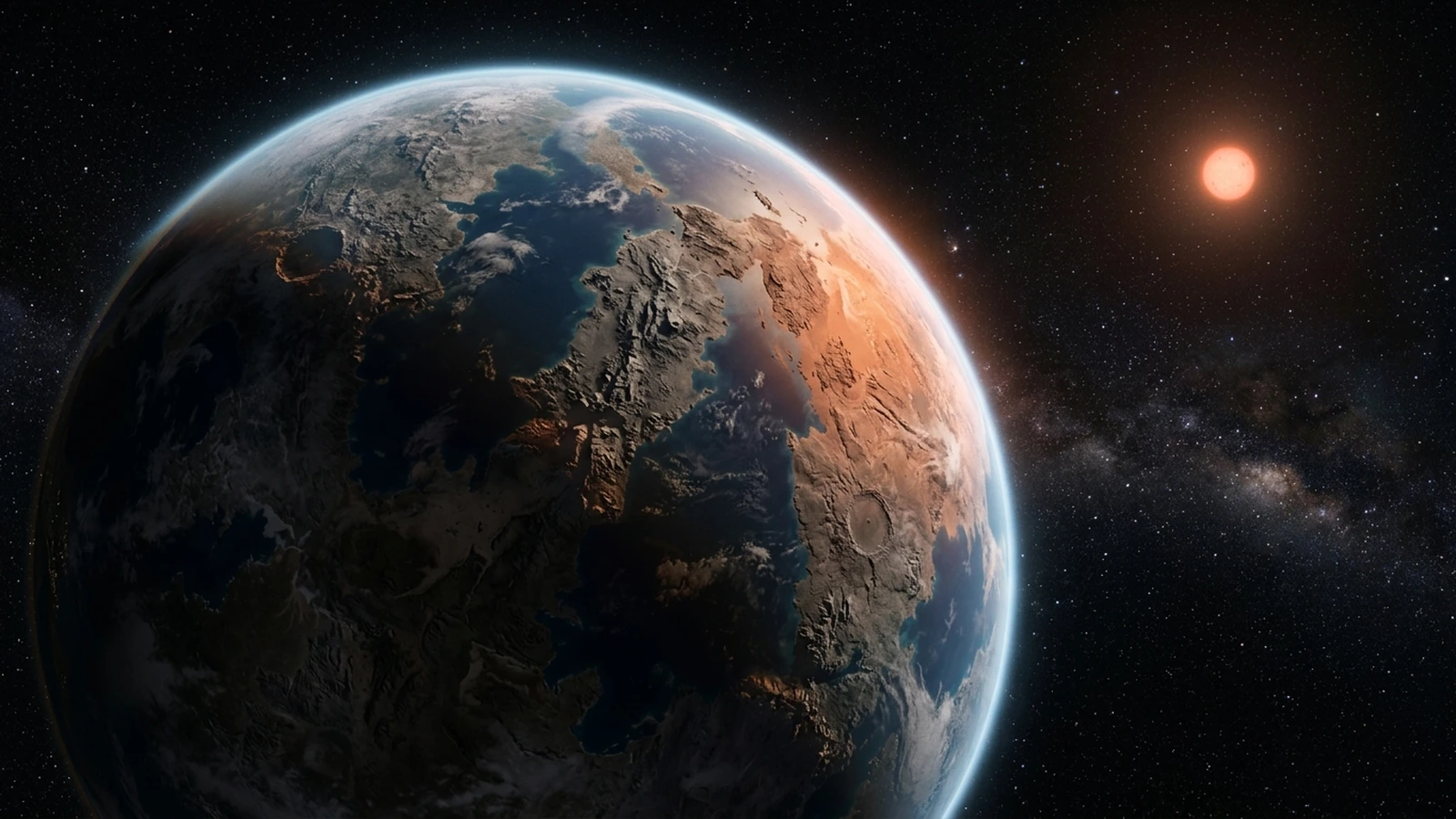
- The planet, Gaia23bra b, is a super-Jupiter 1.6 times Jupiter's mass, orbiting an orange dwarf star nearly 40,000 light-years away
- That's around 250 times further than any planet TESS was designed to find: its usual range is about 150 light-years
- ESA's Gaia telescope flagged the event in 2023; the planet's signature was found later, hiding in TESS's archived data
- More microlensing planets are likely buried in TESS's eight years of data, and NASA's Roman telescope will find around 1,000 more from August 2026
Jump to section 7 sections
- TESS Discovers Its First Planet Through Gravitational Microlensing
- What Is Gravitational Microlensing?
- Gaia23bra b: The Super-Jupiter 40,000 Light-Years Away
- Why This Planet Was Hiding in Eight Years of TESS Data
- Roman Space Telescope: 1,000 More Planets Found This Way
- Can You See Exoplanets From the UK?
- The Bottom Line
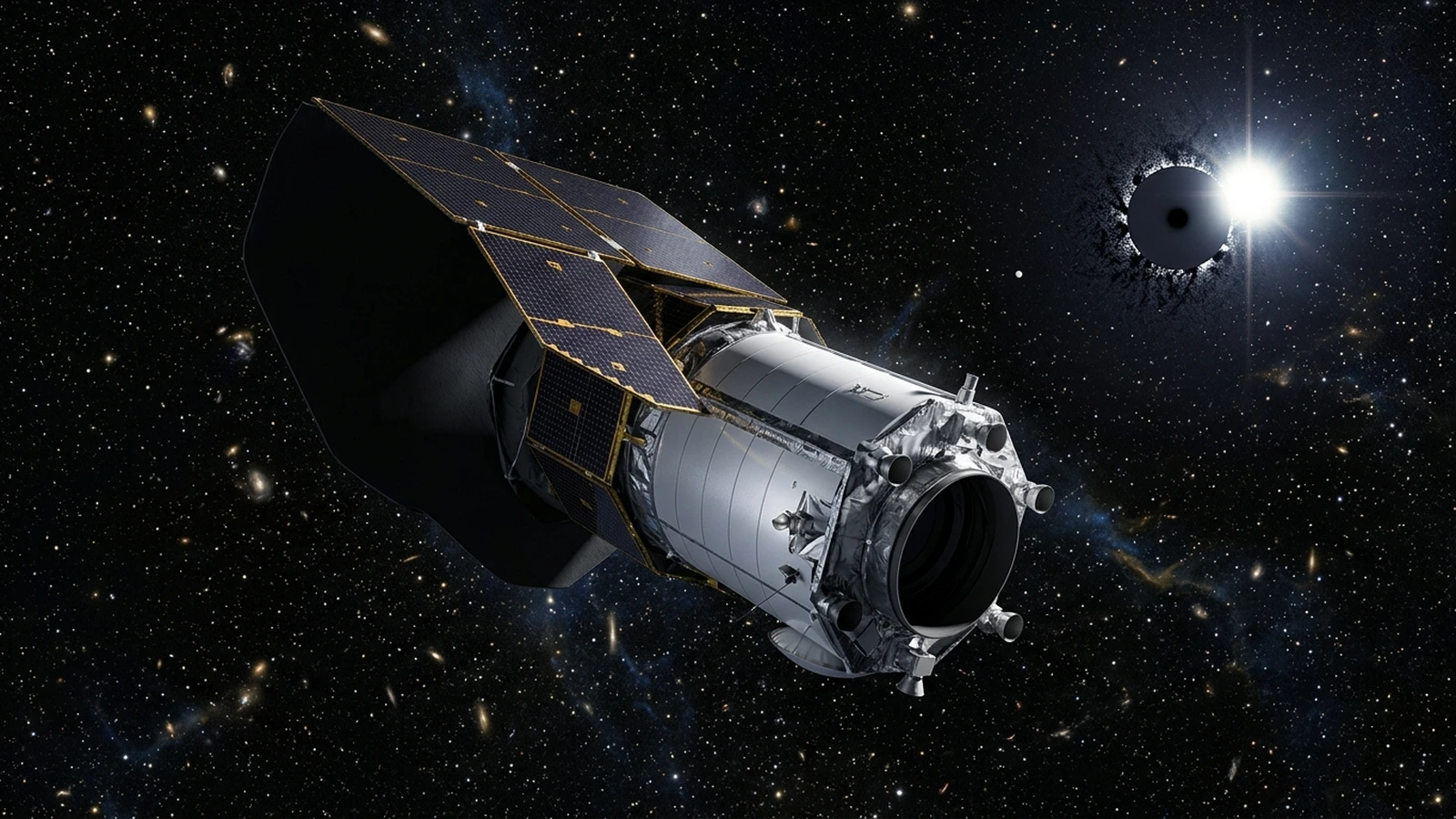
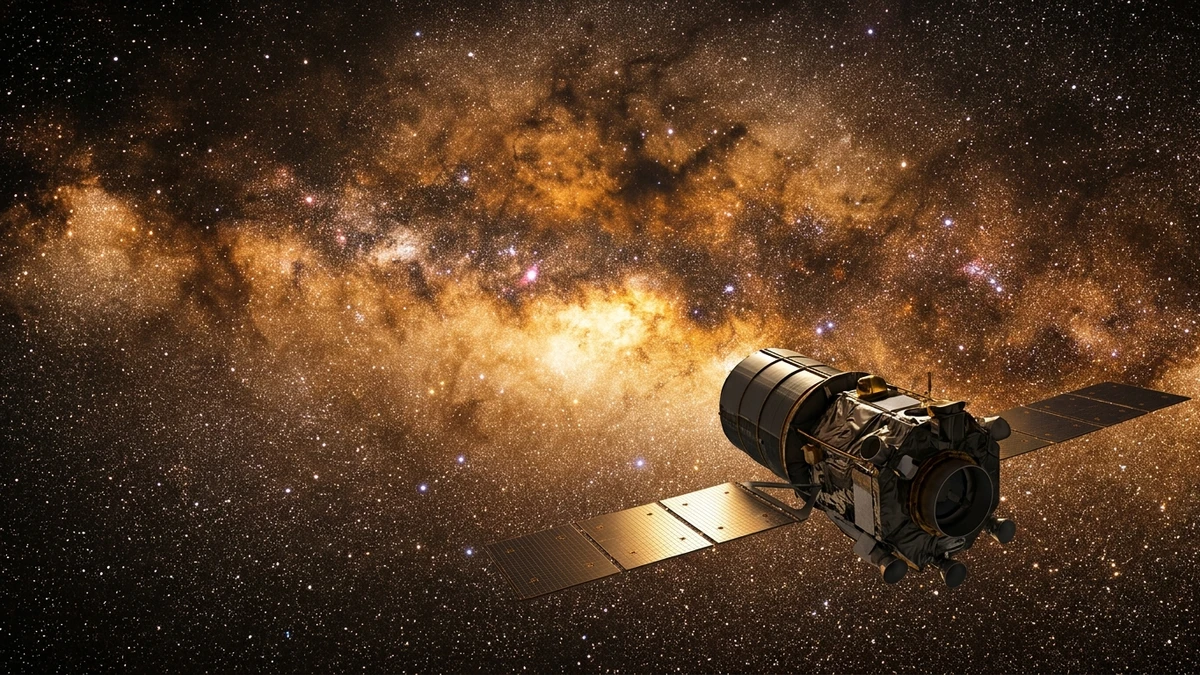
NASA's planet-hunting TESS telescope has done something nobody thought it could. It has found a planet by catching ripples in spacetime: a super-Jupiter nearly 40,000 light-years away, roughly 250 times further than anything it was built to see.
The discovery, published on 1 July in The Astrophysical Journal Letters, is TESS's first planet found through gravitational microlensing. And it suggests more worlds are hiding in the telescope's eight years of archived data, waiting for someone to look.
TESS Discovers Its First Planet Through Gravitational Microlensing
TESS (the Transiting Exoplanet Survey Satellite) has been scanning the sky since 2018, and it finds planets the dependable way: staring at nearby stars and watching for the tiny dip in brightness when a planet crosses in front. It has found thousands of candidates like that, almost all within about 150 light-years of Earth.
This one is different. "When TESS launched, no one expected it to ever be capable of finding this kind of planet," said Diana Dragomir, a professor at the University of New Mexico and co-author of the study.
The story starts in 2023, when ESA's Gaia telescope flagged a star that had suddenly brightened. That's the classic sign of a microlensing event: a foreground star drifting in front of a more distant one and magnifying its light. Gaia's observations were too sparse to reveal anything more. But when researchers went back through TESS's archive, they found the telescope had been watching the same patch of sky. Its light curve showed extra wiggles that could only be a planet.
"The TESS spacecraft happened to be monitoring the same area of the sky during the event, and its denser time coverage showed extra features in the light curve caused by a planet," said Mallory Harris, the University of New Mexico PhD candidate who led the study.
What Is Gravitational Microlensing?
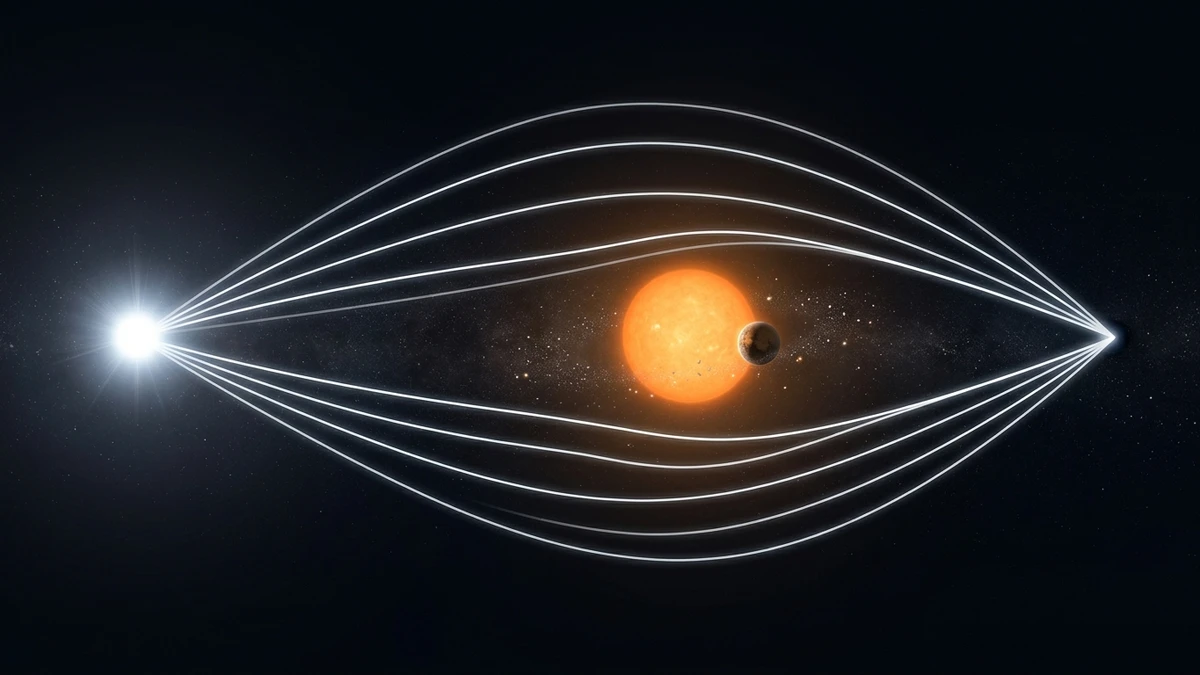
Gravitational microlensing is a way of finding planets by watching a star's gravity bend the light of another star behind it. When two stars line up almost exactly from our point of view, the nearer one's gravity focuses the distant star's light like a lens, making it flare in brightness for days or weeks. It's planet-hunting with Einstein: general relativity says mass warps spacetime, and light follows the warp.
Here's the clever bit. If the foreground star has a planet, the planet's own gravity adds a second, smaller lens. Astronomers see it as a brief extra spike in the light curve. From the shape and timing of that spike they can work out the planet's mass and how far it sits from its star. They never see the planet at all, or in some cases even the star it orbits.
It's rare, though. Out of more than 6,000 known exoplanets, around three-quarters were found by the transit method. Microlensing accounts for fewer than 5%, because it needs a chance alignment of two stars, and that alignment never comes back.
"Microlensing events happen once and they're gone: they don't repeat," said Harris. "I like to joke that we'll probably find the first Earth analog with microlensing, and then wave at it as it goes by because we'll never see it again."
Gaia23bra b: The Super-Jupiter 40,000 Light-Years Away
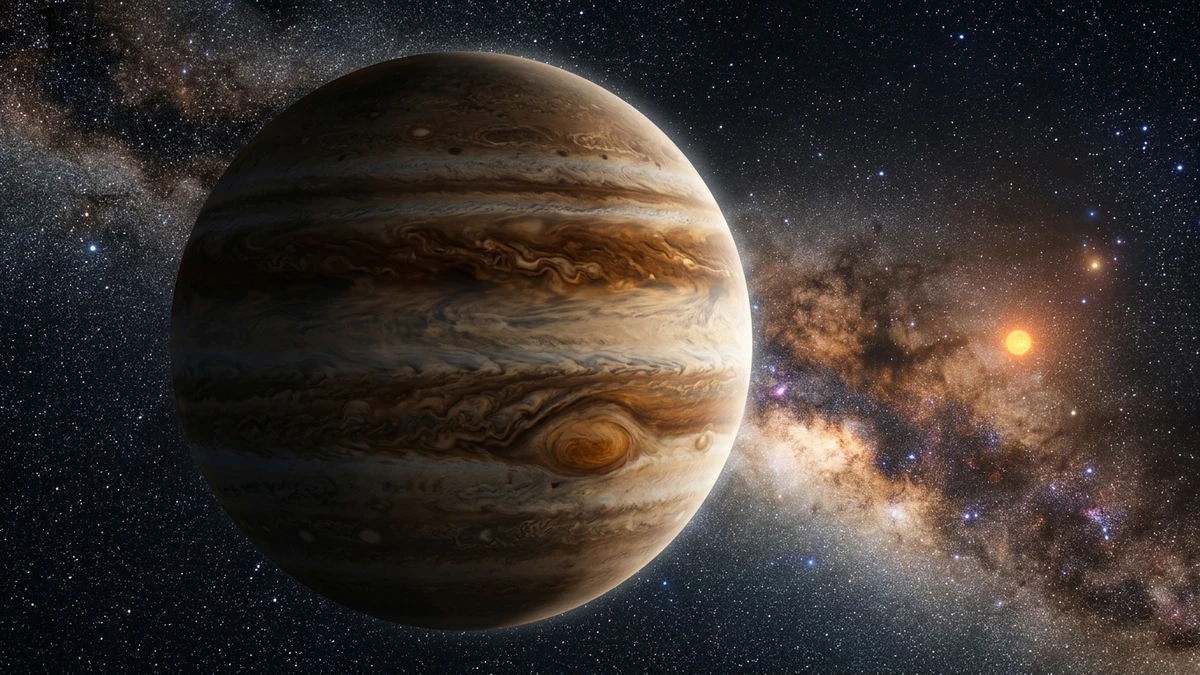
Gaia23bra b is a super-Jupiter about 1.6 times the mass of Jupiter, orbiting an orange dwarf star nearly 40,000 light-years from Earth. It sits at roughly the same distance from its star as Jupiter does from the Sun, and it takes its name from the Gaia alert that first flagged it. The star itself has about 80% of the Sun's mass, a smaller and cooler cousin of our own.
The distance is the number that stops you. Nearly 40,000 light-years. TESS's transiting planets sit in our local neighbourhood; this one is most of the way across the galaxy. Its light set off towards Earth when Neanderthals still walked Europe.
It's also a familiar sort of system. A gas giant on a Jupiter-like orbit around a slightly smaller sun is not far off a sketch of our own solar system, and that's exactly the kind of planet the transit method almost never catches. Transits favour big planets hugging their stars. Microlensing picks up the ones further out, including worlds in the habitable zone, the same territory as the super-Earth we covered earlier this month.
"Transits and microlensing are complementary because they each reveal a category of planet the other may not be able to detect," said Dragomir.
Why This Planet Was Hiding in Eight Years of TESS Data
The most exciting part of this discovery might not be the planet at all. It's where it was found: in data TESS had already collected.
TESS photographs almost the entire sky, section by section, over and over. Its job is to catch transits, but all that relentless staring means it also records anything else that happens to a star's brightness, including microlensing events nobody was looking for. Gaia23bra b's signature sat in the archive until Harris's team knew to dig for it.
"The discovery implies that there are probably other so-called microlensing planets hiding in TESS's data that we hadn't previously thought to look for," said Dragomir.
Eight years of all-sky brightness measurements is an enormous haystack, and astronomers now know it contains needles. Better still, TESS watches parts of the galaxy that dedicated microlensing surveys usually don't. Those surveys point at the crowded galactic centre, where chance alignments are most common. TESS covers the quieter neighbourhoods, which means it can find planets in regions of the galaxy with completely different conditions, and help answer whether solar systems like ours are common everywhere or only in calm corners like our own.
Roman Space Telescope: 1,000 More Planets Found This Way
NASA's Nancy Grace Roman Space Telescope is expected to find around 1,000 microlensing planets after it launches on 30 August 2026. If one accidental microlensing planet sounds good, that's what's coming next. Microlensing is one of Roman's headline jobs. Roman will stare at the dense heart of the Milky Way, where stars are packed so tightly that lensing alignments happen constantly, and it should net roughly 100,000 transiting planets along the way. We covered the telescope's unveiling when NASA showed it off in April, and ESA's Euclid has already given us a preview of its galactic bulge hunting ground.
"This is a bit like a preview of the microlensing NASA's Roman Space Telescope will do," said Michael Fausnaugh, a professor at Texas Tech University and study co-author.
The two telescopes will make a genuine team. Roman goes deep on the crowded galactic centre; TESS sweeps the rest of the sky. Between them, astronomers get their first proper look at how planetary systems vary across the galaxy, including whether the radiation-soaked centre is as hostile to life as it sounds, and whether the Milky Way's quieter suburbs, like the one we live in, are where planets like ours are made.
Can You See Exoplanets From the UK?
Not directly. No backyard telescope on Earth can photograph a planet 40 light-years away, never mind 40,000. But here's the surprise: you can detect one.
Smart telescopes have brought exoplanet science to the back garden. Point one at a bright star with a known transiting planet at the right time, let it measure the star's brightness for a couple of hours, and you'll record the same tiny dip that TESS hunts for professionally. You won't see the planet. You'll see its shadow in the data. Once you think about it, that's exactly how most of the 6,000 known exoplanets were found.
And even without any kit, you can stand under a July sky, pick almost any star, and know the odds say it has planets. That's a fact nobody knew when most of us were at school.
The kit to hunt planets around other stars
Kit we've tested and reviewed in full
You can't see an exoplanet through an eyepiece, but you can measure one. Here's the gear we'd use, plus the best all-rounders for the summer sky while you wait for your transit.
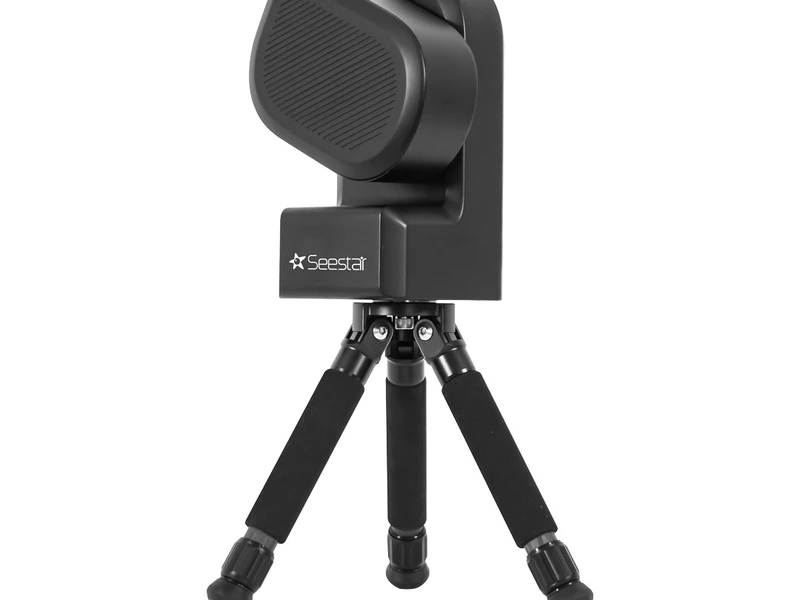
This smart scope can measure a star's brightness precisely enough to catch a known exoplanet transit from your garden: real TESS science, done from a patio.
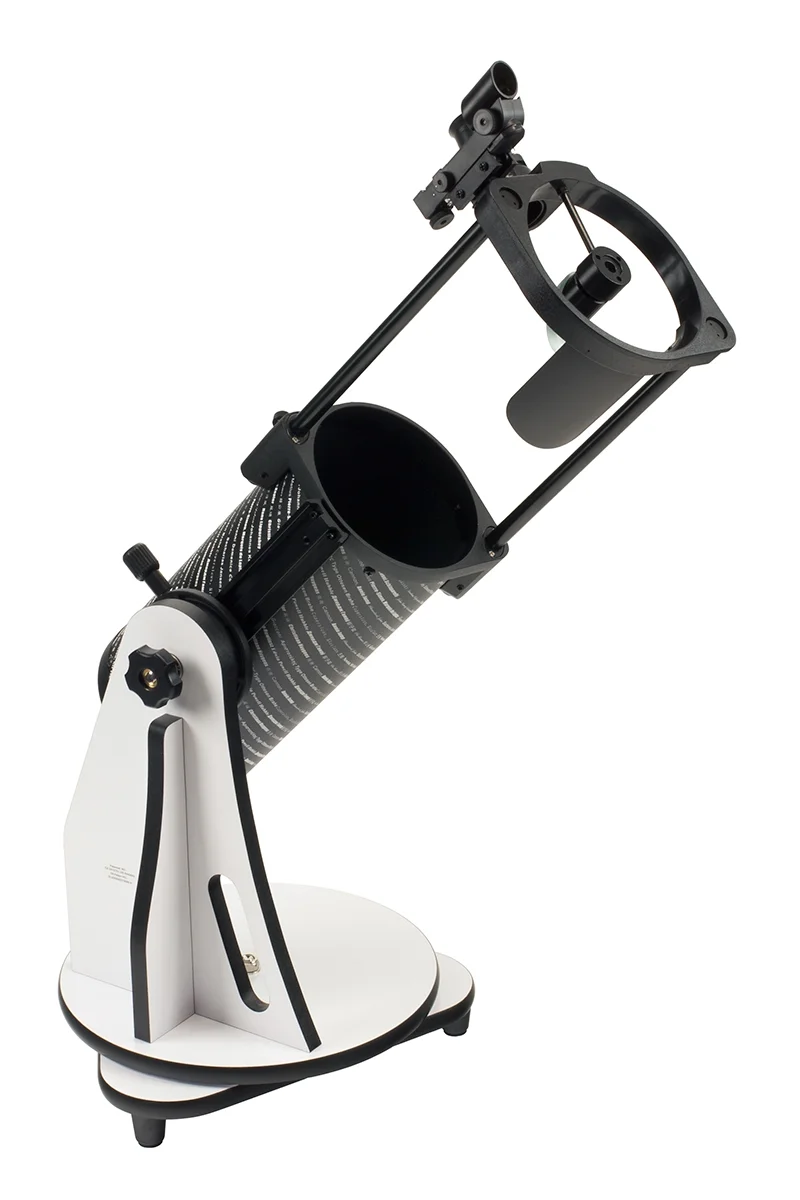
It won't detect exoplanets, but it will show you their host stars, and give superb views of Saturn, the Moon and summer deep-sky objects for the price.
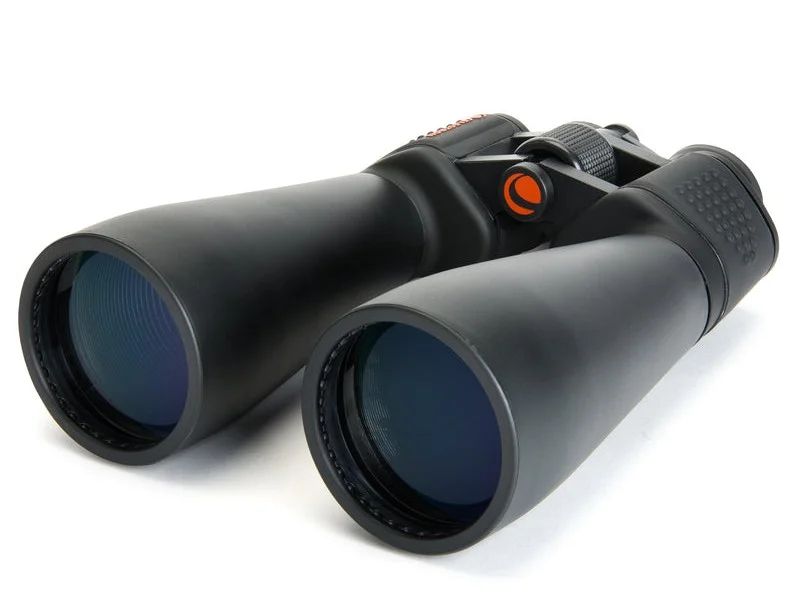
Big 70mm lenses for sweeping the July Milky Way, the same star fields Roman will soon hunt for planets. One of the best sights in astronomy.
Affiliate links: you pay the same price, we earn a small commission that helps keep WatchTheStars free.
The Bottom Line
TESS was built to watch nearby stars. It has just found a planet most of the way across the galaxy, in data it gathered years ago. That's the kind of discovery that changes what a mission is for.
TESS's archive just became a microlensing survey nobody planned. Roman launches next month to do the same job on purpose, a thousand planets at a time. Between them, we're about to learn whether solar systems like ours are everywhere in the Milky Way, or something rarer. Either answer would be worth knowing. Clear skies.
Sources:
- NASA's TESS Mission Finds Planetary System in New Way · NASA Science
- A Microlensing Planet Candidate in TESS Data · The Astrophysical Journal Letters (Harris et al., 2026)
- TESS just found a planet in a new way · Phys.org
- Warped spacetime reveals exoplanet far from its star · EarthSky
Frequently Asked Questions
Equipment guides
Related topics
Ian ClaytonAmateur astronomer and founder of WatchTheStars.co.uk, dedicated to helping others explore the wonders of our universe. Full profile →