Key takeaways
- NASA administrator Jared Isaacman confirmed on a 30 June podcast that NASA has captured imagery of objects it cannot identify: 'based on the data that we have within that imagery, we don't know what it is'
- He stopped short of calling it evidence of alien life, and said NASA has seen no crashed craft or recovered bodies
- Isaacman backed Trump's declassification push, saying files were 'buried' for no good reason and should be put out for the public to examine
- His bigger claim may be about Mars: he put a 'very high probability' on cached Perseverance samples pointing to past microbial life, if they can be brought home
- NASA's official position since its 2023 UAP report has been that there's no evidence UFOs are extraterrestrial, but its own chief now sounds noticeably more open
Jump to section 6 sections
NASA UFO Images: What Jared Isaacman Actually Said
NASA has UFO images it cannot explain. That's not a leak or a whistleblower claim. It came from the administrator of NASA, Jared Isaacman, on the record.
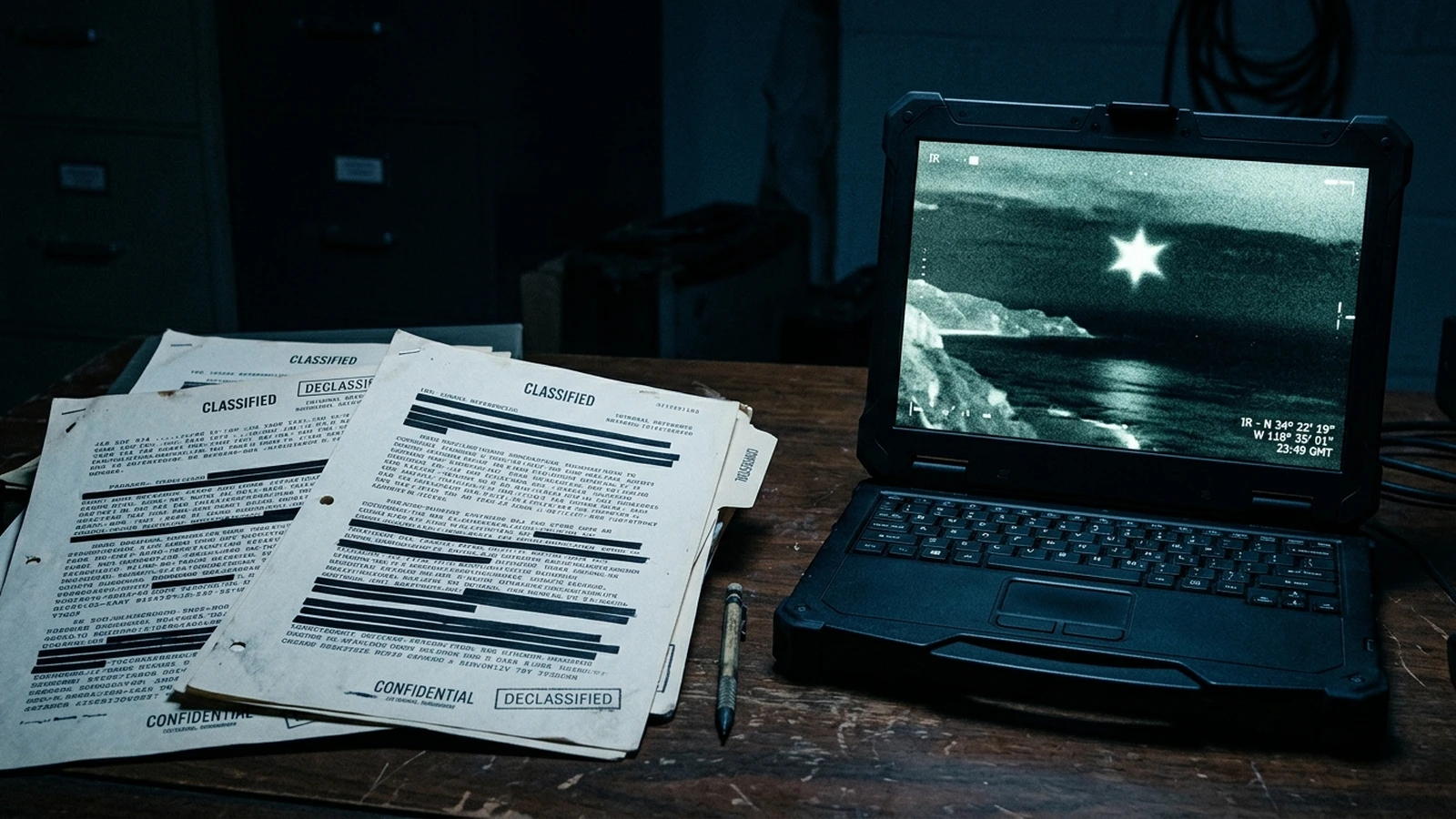
"We have captured imagery, and this is what President Trump is very forward-leaning about, that based on the data that we have within that imagery, we don't know what it is," Isaacman told podcast host Jack Gordon in an episode released on 30 June. The comments went largely unnoticed for over a week before US outlets picked them up on 9 July.
It's worth sitting with how unusual that is. For decades, NASA's answer to UFO questions has been a polite version of "not our department". The agency studies planets and stars; the Pentagon deals with strange things in the sky. Its own 2023 UAP study concluded there was no evidence linking any sighting to alien life, and recommended better data collection.
Now the person running the agency says NASA itself holds imagery that its own data can't identify. He didn't say alien craft. He didn't hint at a cover-up. He said the honest thing scientists rarely get to say in public: we looked, and we don't know what it is.
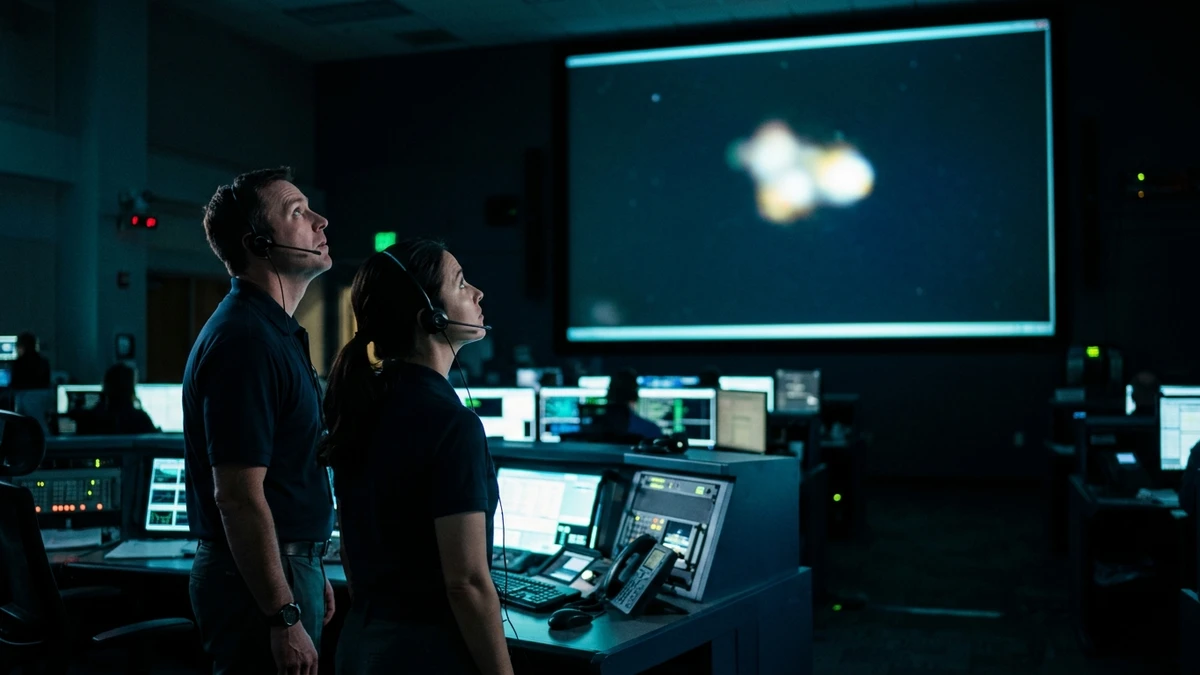
Who Is Jared Isaacman, NASA's New Administrator?
If the name is unfamiliar, the CV isn't a typical government one. Jared Isaacman is a billionaire who founded the payment company Shift4 as a teenager, then spent his fortune learning to fly jets and, eventually, spacecraft. He commanded Inspiration4 in 2021, the first all-civilian orbital mission, and Polaris Dawn in 2024, where he performed the first commercial spacewalk.
He took over as NASA administrator in December 2025. That matters for how you read his UFO comments. Isaacman isn't a career official trained to deflect the question, and he isn't a UFO personality with a story to sell. He's a pilot and astronaut who now has access to whatever NASA actually holds. When someone in that position says "we don't know what it is", it carries a different weight from the same words said at a conference podium.
"I can't hate the subject," he told Gordon. "In fact, I'm incredibly fascinated by it because that is at the heart of what we're trying to do at NASA: answer the question, are we alone?"
Does NASA Have Evidence of Aliens?
No. And Isaacman was careful about this, which is partly why the interview is worth taking seriously.
He stopped short of connecting the unexplained imagery to extraterrestrial life. Asked about the more dramatic claims that circulate in UFO circles, he said NASA has seen no evidence of crashed alien spacecraft or recovered bodies. That keeps him consistent with the agency's official position since the 2023 report.
Where he went further was on probability. "I think there's a very real possibility we're going to arrive at a conclusion in our lifetime that perhaps there's life everywhere out there and that it isn't as infrequent as it could possibly be," he said.
That's a statement about the universe, not about saucers. But from a NASA administrator, it's still a notable shift in tone. The old NASA line treated alien life as a question for the far future. The new chief talks about it as something we might settle before some of us retire.
Want to check the sky for yourself?
Kit we've tested and reviewed in full
Even NASA's unexplained images started with someone spotting something odd. Most strange lights turn out to be satellites, planets or aircraft, and a decent pair of binoculars will settle it from your garden in seconds.
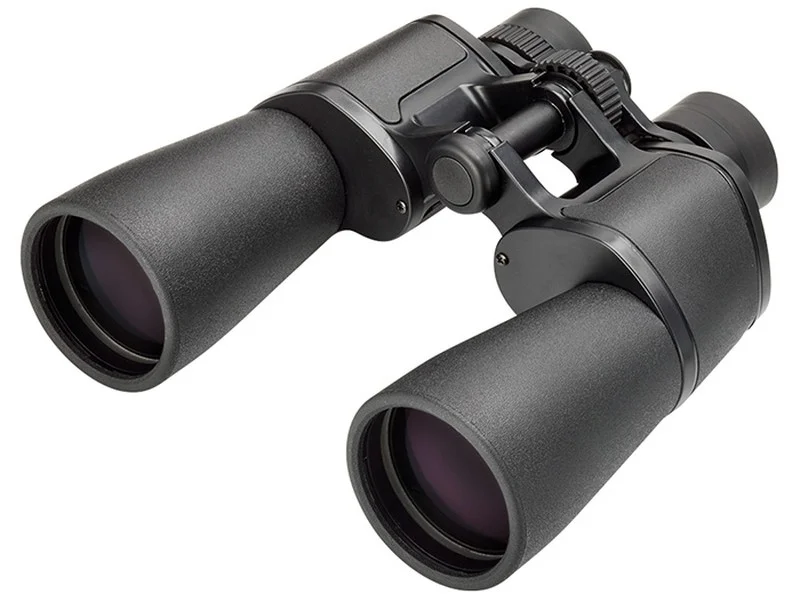
Steady enough to hold by hand and sharp enough to tell a satellite from a star. It'll also show you Jupiter's moons while you're out there.
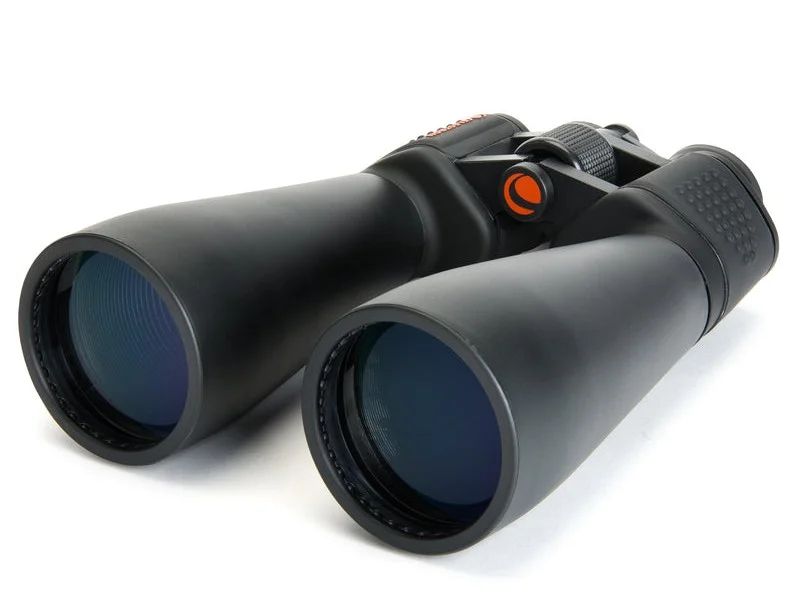
Bigger lenses gather more light, which is what you want for faint or distant objects. Rest them on a wall and very little in the night sky stays mysterious for long.
Affiliate links: you pay the same price, we earn a small commission that helps keep WatchTheStars free.
Life on Mars: The Line That Deserved More Attention
The UFO quote made the headlines. The Mars quote might be the bigger story.
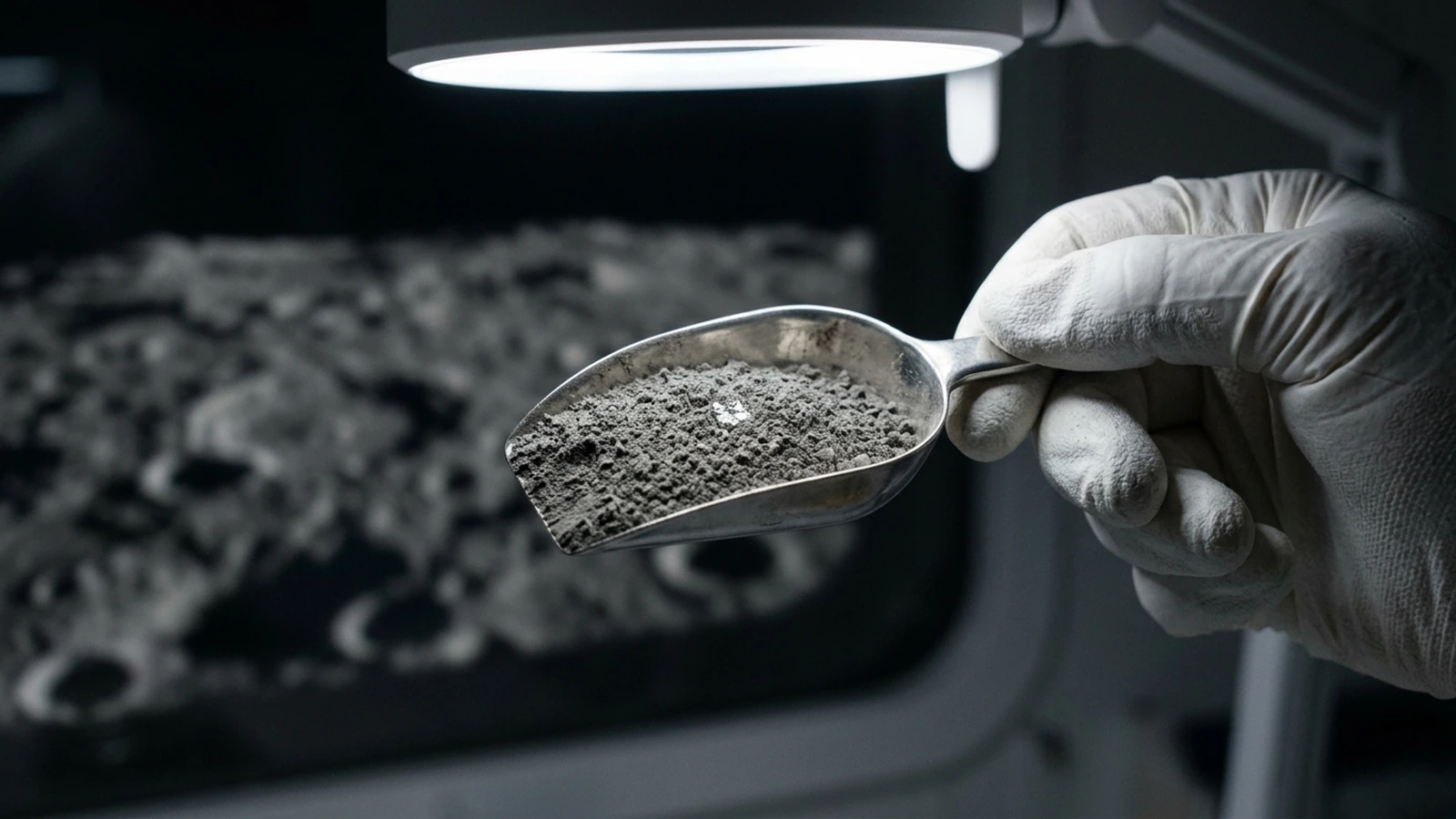
"We got samples on Mars right now," Isaacman said. "If we bring them back, there is a very high probability that they will point to, at some point, microbial life at least on Mars."
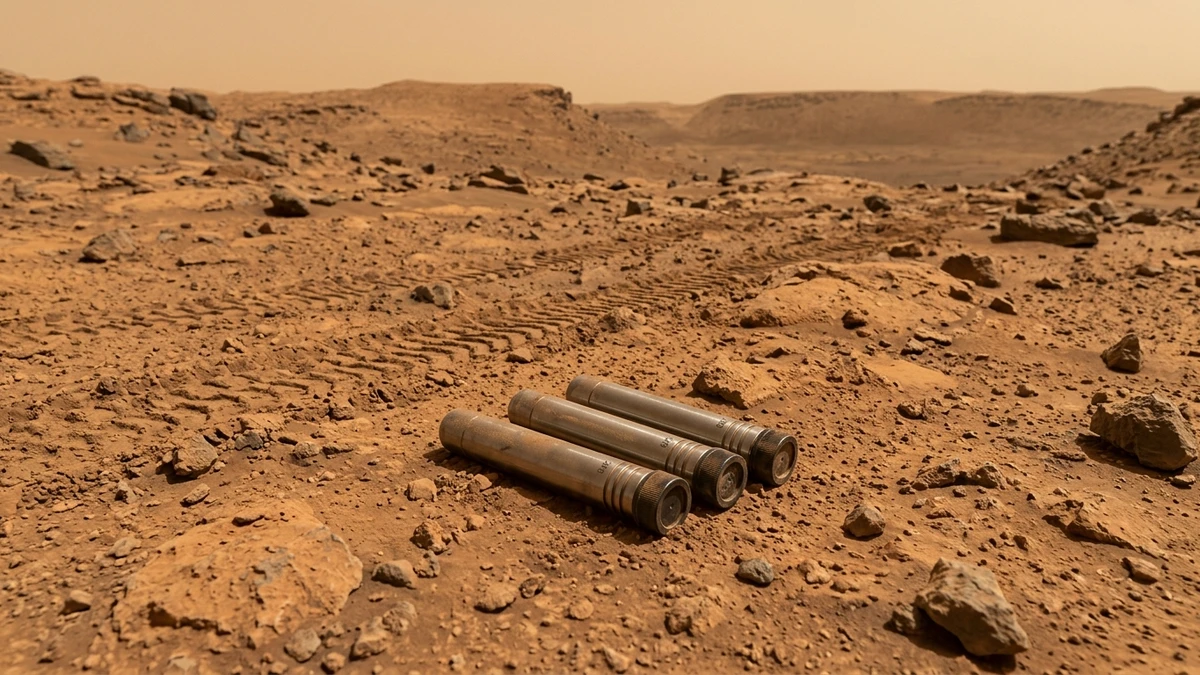
Those samples are real. NASA's Perseverance rover has spent five years drilling cores from Jezero Crater, an ancient lake bed, and sealing them in titanium tubes. Some sit in the rover's belly; others wait in a depot on the crater floor. The stalled part is getting them home. Mars Sample Return has been redesigned and re-budgeted more than once, and no return date is settled.
So Isaacman is making a prediction, not an announcement. But "very high probability" of evidence for past microbial life is a strong phrase from the person who decides NASA's priorities, and it echoes what the agency's own rovers keep finding. Curiosity's discovery of large organic molecules in April showed the raw chemistry of life was present on Mars billions of years ago. The samples in those tubes are the test of what that chemistry actually did.
NASA and UFO Disclosure: How This Fits the Trump Files Push
Isaacman's comments didn't land in a vacuum. Since May, the Trump administration's PURSUE programme has been declassifying UAP records in batches, from Cold War photographs to cockpit videos. We've covered each release, most recently the fourth batch in July.
Isaacman clearly sees NASA as part of that push, and his description of the old approach was blunt: "We did keep a lot of that buried in files somewhere and the president said, 'Why? Put it out there. We don't have time to study it. Let other people tell us what it is,' and you're seeing that effort and you're going to continue to see it."
That last part is the practical takeaway. The head of NASA has said, in public, that unexplained agency imagery exists and that the policy is to release rather than sit on it. It joins a pattern from this year: an ex-defence official admitting the Pentagon is stumped by objects over military bases, a new whistleblower talking to Congress behind closed doors, and a White House advisory board on UAP led by Avi Loeb. Whatever you make of any single piece, officials keep saying things in 2026 that they simply didn't say in 2020.
Will NASA Release Its UAP Imagery?
Nothing has been published yet. No catalogue, no dates, no sample frames. Until the imagery appears, we can't judge whether "we don't know what it is" means a smudge on a long-exposure star tracker or something genuinely hard to explain. Most unexplained images become very explainable once other people get to examine them. That's the whole argument for releasing them.
The signs point towards release, though. Isaacman tied the imagery directly to Trump's declassification drive, and PURSUE has already shown the machinery exists. When the DoD published its UAP videos in June, we got to see exactly what the fuss was about, and honest analysis followed within days. NASA imagery deserves the same treatment.
Our suggestion: treat this as a marker, not a revelation. A NASA administrator has confirmed the agency holds imagery it can't identify, predicted evidence of past life on Mars, and committed to putting the data out. Any one of those would have been a headline five years ago. In 2026 they arrived in a single podcast episode that took nine days to get noticed. Keep watching: we'll cover the imagery itself the moment it's released.
Sources:
- NASA chief confirms agency has unexplained UFO imagery; 'we don't know what it is' · Fox News
- Are Aliens Real? NASA Chief Confirms Secret Photos of Unexplained Objects · IBTimes UK
- Jared Isaacman Says NASA Has Unexplained UFO Images as Agency Expands Search for Life Beyond Earth · USA Herald
- Presidential Unsealing and Reporting System for UAP Encounters · US Department of War
Frequently Asked Questions
Equipment guides
Related topics

Ian ClaytonAmateur astronomer and founder of WatchTheStars.co.uk, dedicated to helping others explore the wonders of our universe. Full profile →