Key takeaways
- LandSpace landed the first stage of its Zhuque-3 rocket in the early hours of 19 August 2026, a first for any private Chinese company.
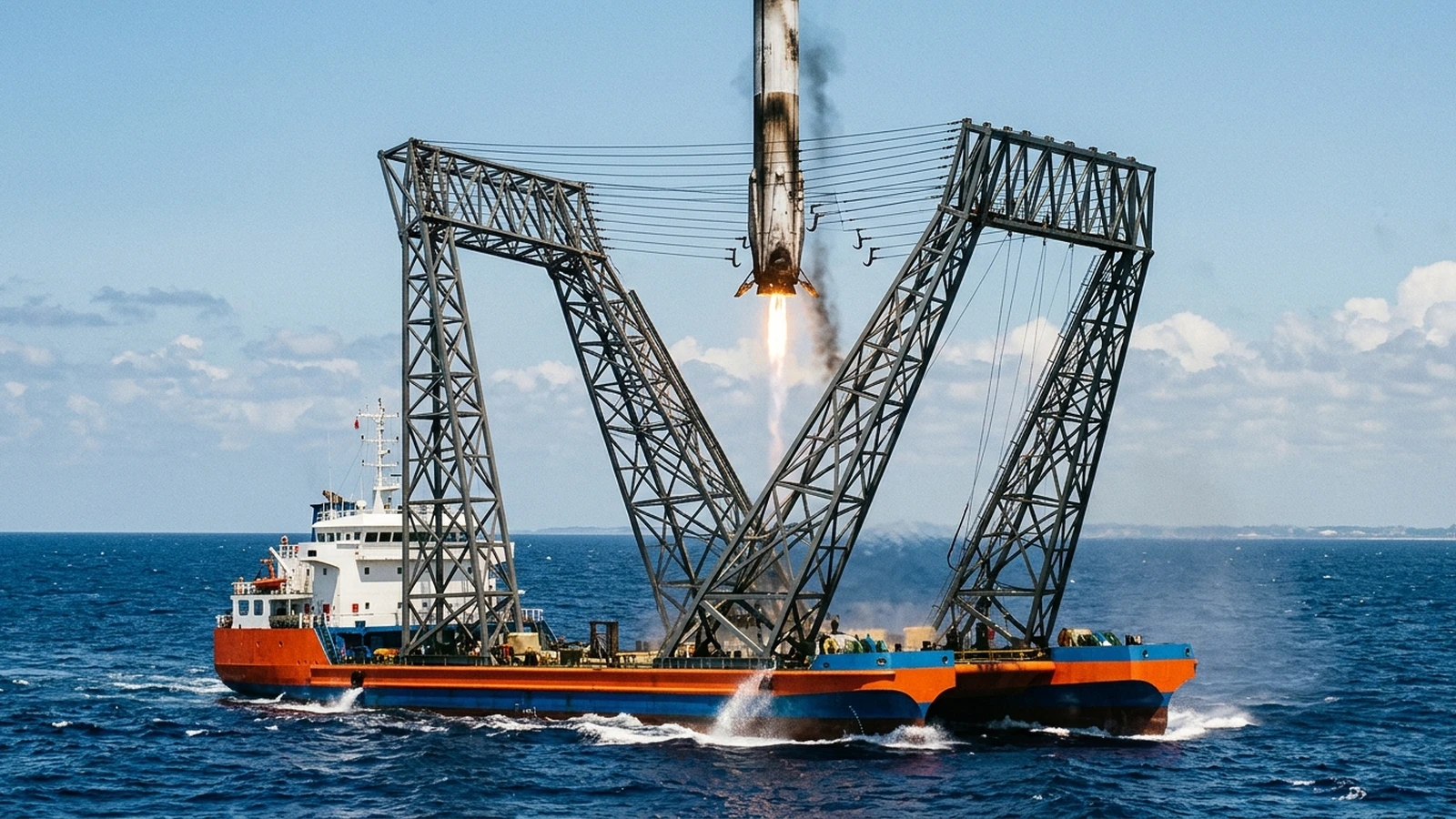
- It was China's first booster landing on legs and its first on land: the Long March 10B was caught by a net at sea in July.
- Only SpaceX, Blue Origin and now LandSpace have landed an orbital-class booster as private companies.
- Zhuque-3 is a stainless steel, methane-fuelled rocket in the same size class as SpaceX's Falcon 9, and LandSpace plans to refly the recovered stage.
Jump to section 5 sections
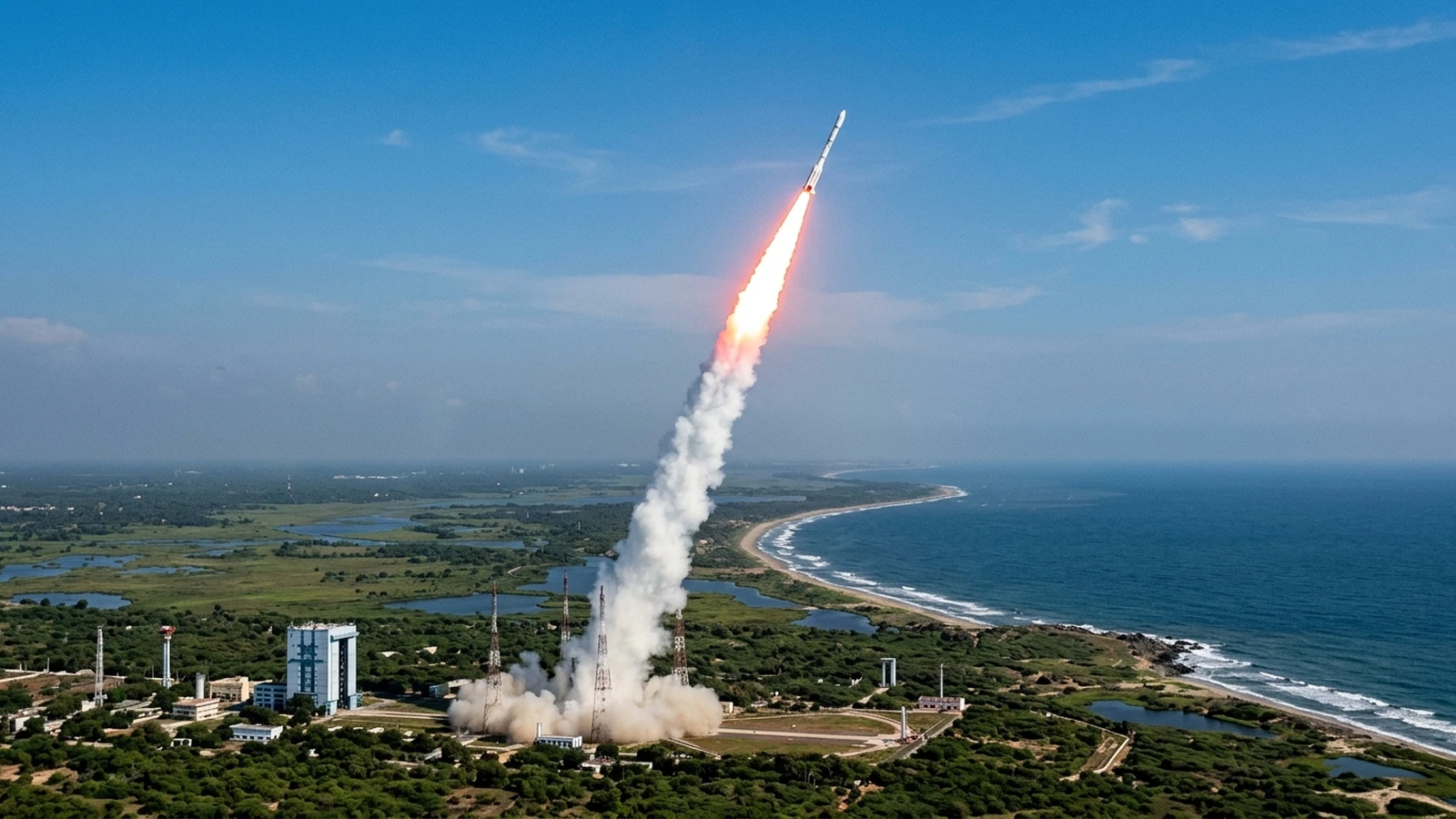
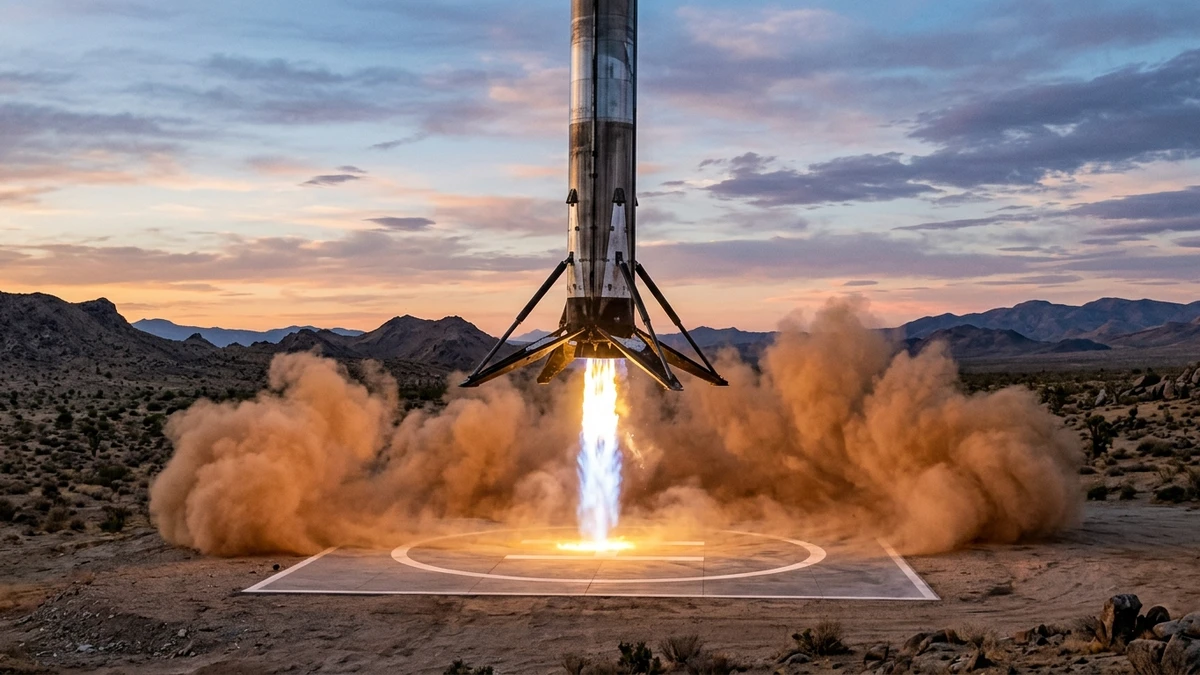
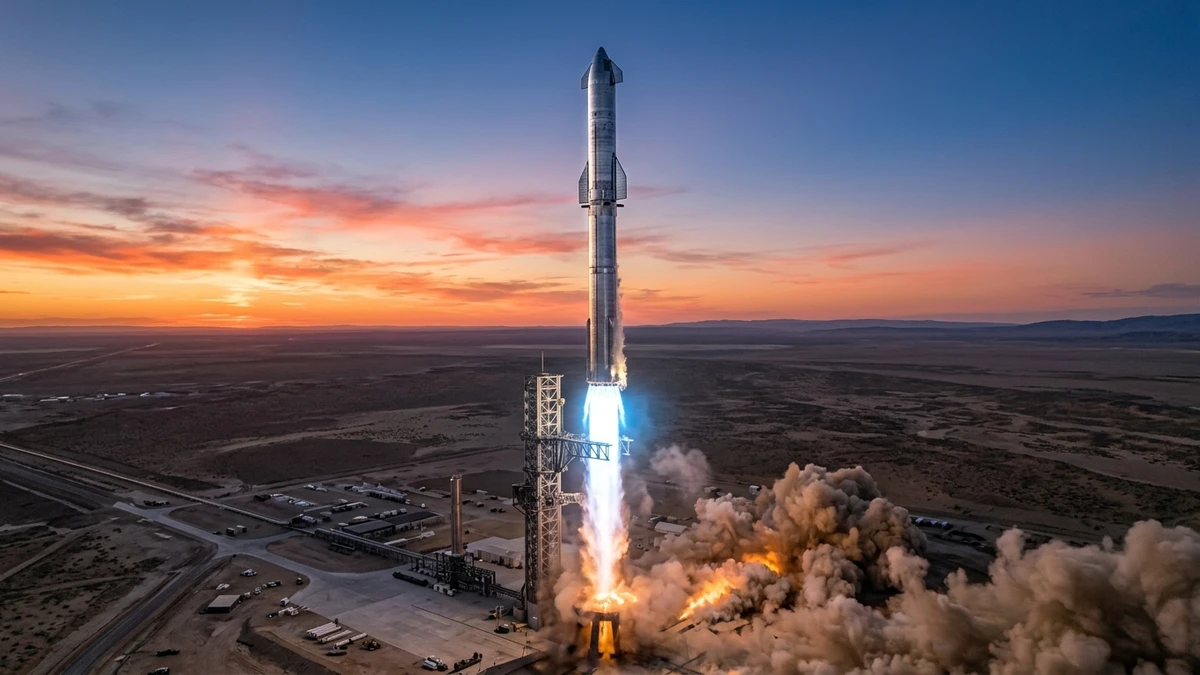
China has landed another rocket, and this time the government had nothing to do with it. In the early hours of Wednesday 19 August, Beijing startup LandSpace launched its Zhuque-3 rocket from the Gobi Desert, delivered a satellite to orbit, then brought the first stage back down to a landing pad, where it touched down on four legs and stayed standing.
That makes LandSpace the first private company outside the United States ever to land an orbital-class rocket booster. Only SpaceX and Blue Origin have done it before. And for China it's two landings in six weeks, after the state-built Long March 10B was caught by a net at sea on 10 July.
Zhuque-3 Landing: What Happened
The rocket lifted off at 7:35am Beijing time, 12:35am here in the UK, from the Dongfeng Commercial Space Innovation Pilot Zone in northwest China. It was only the second flight of a Zhuque-3. The upper stage carried a satellite called Honghu-03, built by Hongqing Technology, and placed it in its planned orbit.
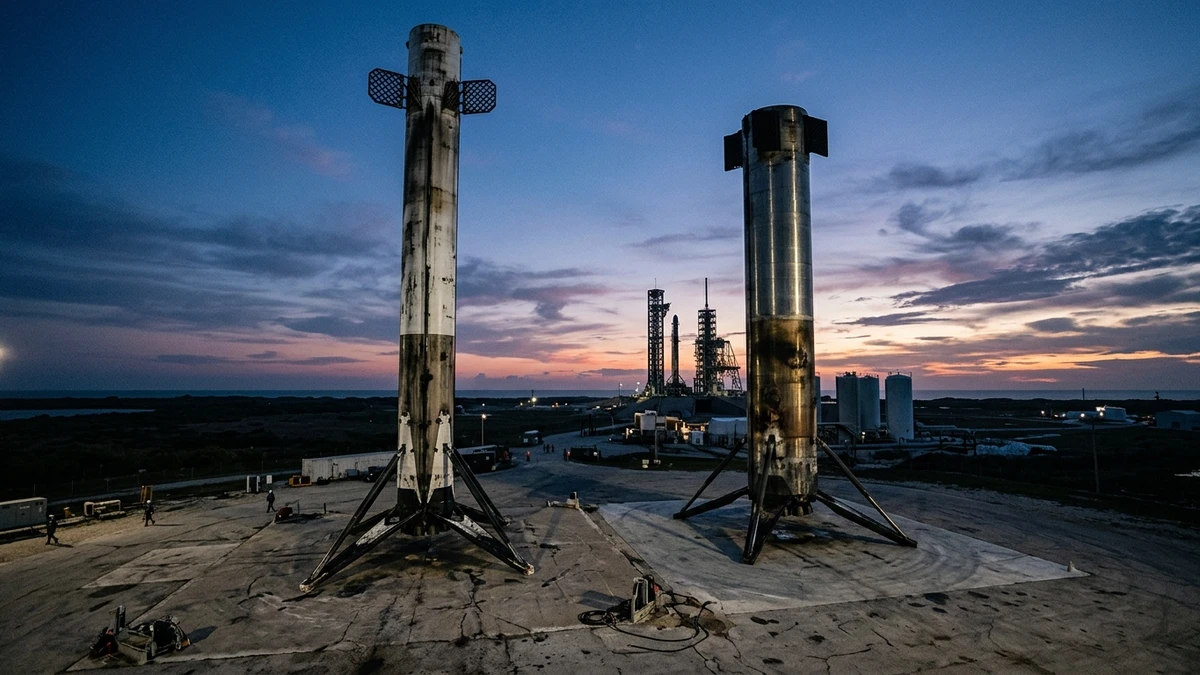
Minutes after staging, the first stage relit its engines, flew back down and settled onto a landing pad on its legs. LandSpace confirmed both halves of the mission were a complete success, calling it "China's first-ever successful recovery attempt of the first stage of an orbital-class launch vehicle using landing legs, and China's first successful booster recovery on land".
Those two "firsts" matter. The Long March 10B's recovery in July used a net strung across a ship at sea, with the state's resources behind it. Zhuque-3 did it the way SpaceX does: legs out, powered descent, touchdown on solid ground. No net, no ship, no state programme.
It's also a redemption story. Zhuque-3's first flight last December got its upper stage to orbit, which is rare for a debut, but the booster suffered what state media called "an abnormal combustion" on the way down and exploded near the pad. Eight months later, LandSpace has closed the gap.
Who Are LandSpace?
LandSpace is a Beijing rocket company founded in 2015, and it has form for firsts. In July 2023 its smaller Zhuque-2 became the first rocket in the world to reach orbit burning methane, beating SpaceX's Starship and Blue Origin's New Glenn to a milestone the whole industry was chasing.
Methane matters because it burns clean. Kerosene, the fuel the Falcon 9 uses, leaves soot in the engines that has to be scrubbed out between flights. A methane engine comes back cleaner, which makes rapid reuse easier. That's why SpaceX's Starship and most next-generation rockets have switched to it.
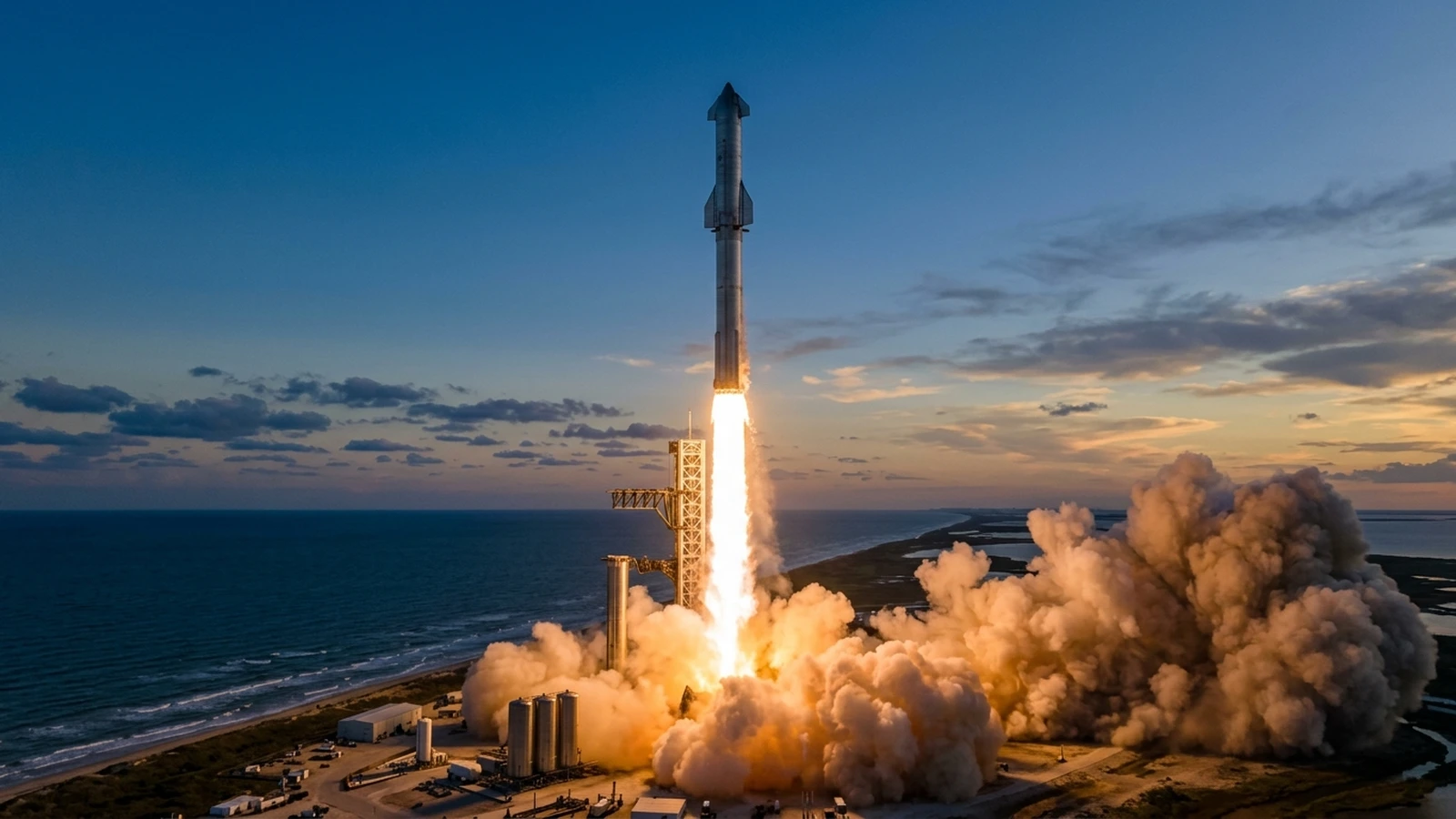
Zhuque-3 itself is a serious machine: about 66 metres tall, 4.5 metres across, roughly 570 tonnes at liftoff, with nine methane engines on the first stage. And like Starship, it's built from stainless steel rather than aluminium, which is cheaper and stands up better to repeated flights.
Spot China's Space Station From Your Garden
Kit we've tested and reviewed in full
You won't see a Gobi Desert launch from the UK, but China's Tiangong space station passes over Britain regularly, looking like a bright star sliding across the sky. It's an easy catch: the same trick works for the ISS.
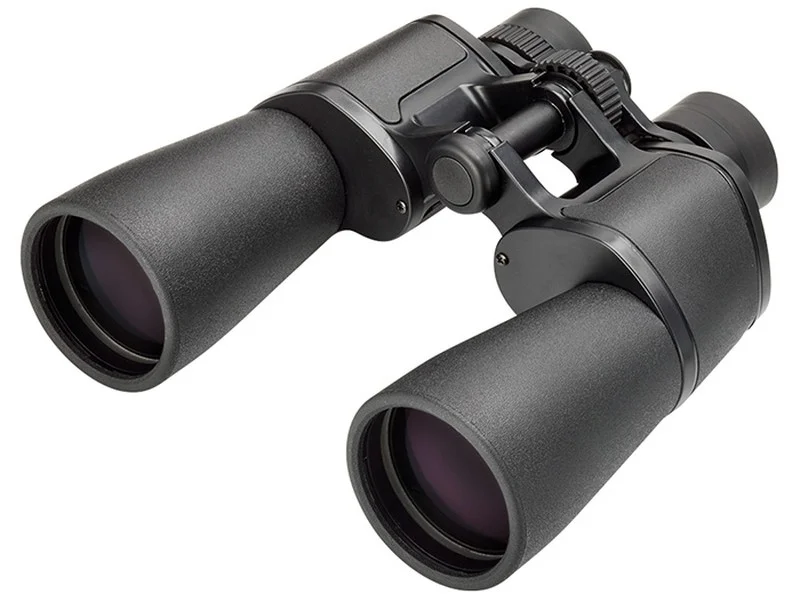
Wide, steady views that make tracking a fast-moving satellite pass much easier than you'd think.
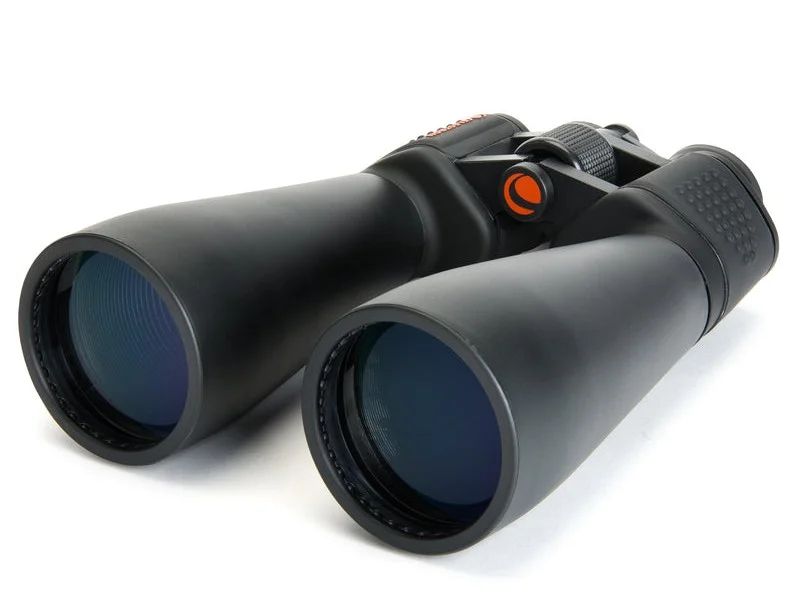
Big 70mm lenses pull in fainter satellites, and they're superb on the Moon while you wait for a pass.
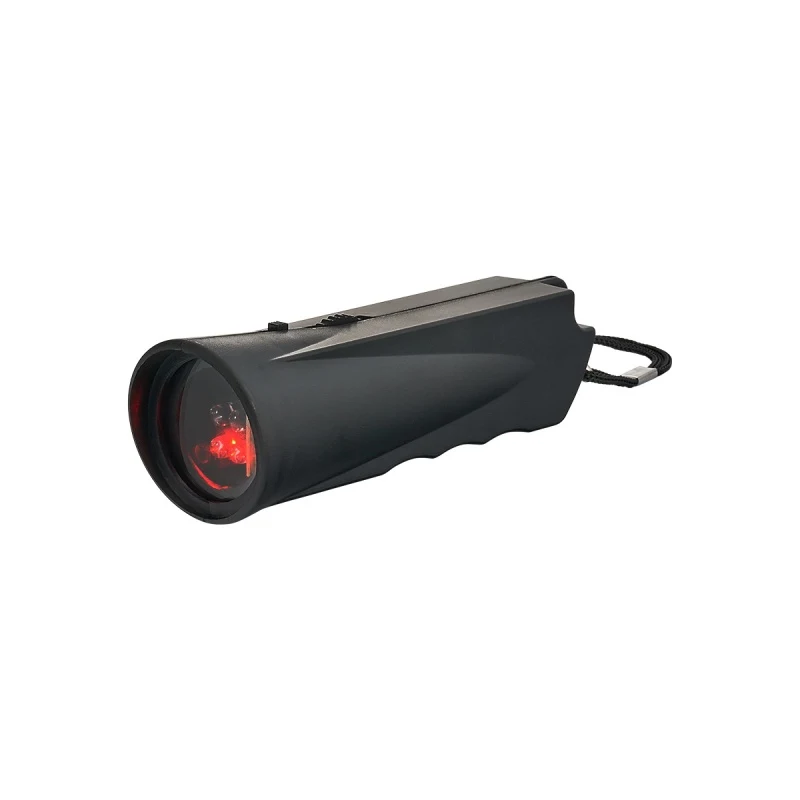
Astro Essentials Red Light Torch
Check pass times on paper without wrecking your dark adaptation before Tiangong appears.
Affiliate links: you pay the same price, we earn a small commission that helps keep WatchTheStars free.
Zhuque-3 vs Falcon 9: How Does China's Rocket Compare?
On paper, they're siblings. The Falcon 9 stands 70 metres tall and carries up to 22,800 kg to low Earth orbit. Zhuque-3 stands 66 metres and manages about 18,300 kg with a recoverable booster. Both use nine first-stage engines, both land on legs, and both pair a reusable booster with a throwaway upper stage.
In practice, there's a canyon between them. SpaceX has landed boosters more than 600 times and flown single stages 36 times each. The Falcon 9 launched 165 times in 2025, about as often as every other rocket on Earth combined. LandSpace has landed one booster, once, and hasn't yet reflown anything.
But every landing streak starts at one. SpaceX spent years dropping boosters in the ocean before its first touchdown in 2015. Blue Origin lost its first New Glenn booster before landing and reflying one. LandSpace crashed in December and landed in August. By that measure, it's learning fast.
China's Reusable Rocket Race: Who Else Is Close?
Six weeks ago China had never landed a rocket. Now it has landed two, by two different organisations, using two different methods. That's not a coincidence. There's a queue forming.
The state-owned CASC is developing reusable versions of its Long March 12A and 12B alongside the Long March 10 family, which will carry Chinese astronauts towards the Moon before 2030. On the private side, CAS Space, Deep Blue Aerospace, Galactic Energy, iSpace, Orienspace and Space Pioneer are all working on rockets with recoverable boosters. Several have flights planned within the next year.
It's part of a wider shift in who gets to fly. India's first private rocket reached orbit in July, and private capsules are now returning cargo from orbit too. The Falcon 9 spent a decade as the only reusable orbital rocket on Earth. Its imitators are arriving all at once.
When Will Zhuque-3 Fly Again?
LandSpace says this flight moves Zhuque-3 from the test phase towards "the engineering application phase of reusability", in plain English, flying paying missions with reused boosters. The company will inspect the recovered stage before deciding whether it flies again or retires to a museum, but the long-term plan is Falcon 9-style routine reuse.
For skywatchers in the UK, the practical effect of all this is simple: launches are getting cheaper, so there's more hardware overhead every month, from satellite trains to space stations. Next clear evening, check what's above your garden tonight. The odds that something man-made crosses your view have never been higher.
Sources:
- Touchdown! Private Chinese rocket aces landing on 2nd-ever flight · Space.com
- China's Landspace recovers booster with second orbital launch of Zhuque-3 rocket · SpaceNews
- Zhuque-3 Completes Second Flight with Successful First-Stage Landing · NASASpaceflight.com
Frequently Asked Questions
Equipment guides
Related topics

Ian ClaytonAmateur astronomer and founder of WatchTheStars.co.uk, dedicated to helping others explore the wonders of our universe. Full profile →