Key takeaways
- NASA and Katalyst called off the Swift rescue on 19 August after the LINK spacecraft's pointing problems proved unfixable
- Two of LINK's three reaction wheels failed in late July; thruster firings and a software update slowed the spin but never restored the precision needed to grab a telescope
- Swift is now falling about five miles a month and is expected to re-enter and burn up no earlier than October 2026
- The telescope poses no real danger: it should burn up completely in the atmosphere
- Two of Swift's three instruments were UK-built, by the University of Leicester and UCL's Mullard Space Science Laboratory
- Hubble was reportedly next in line for a rescue if this one had worked
Jump to section 5 sections
Swift Rescue Mission Called Off: What NASA Announced
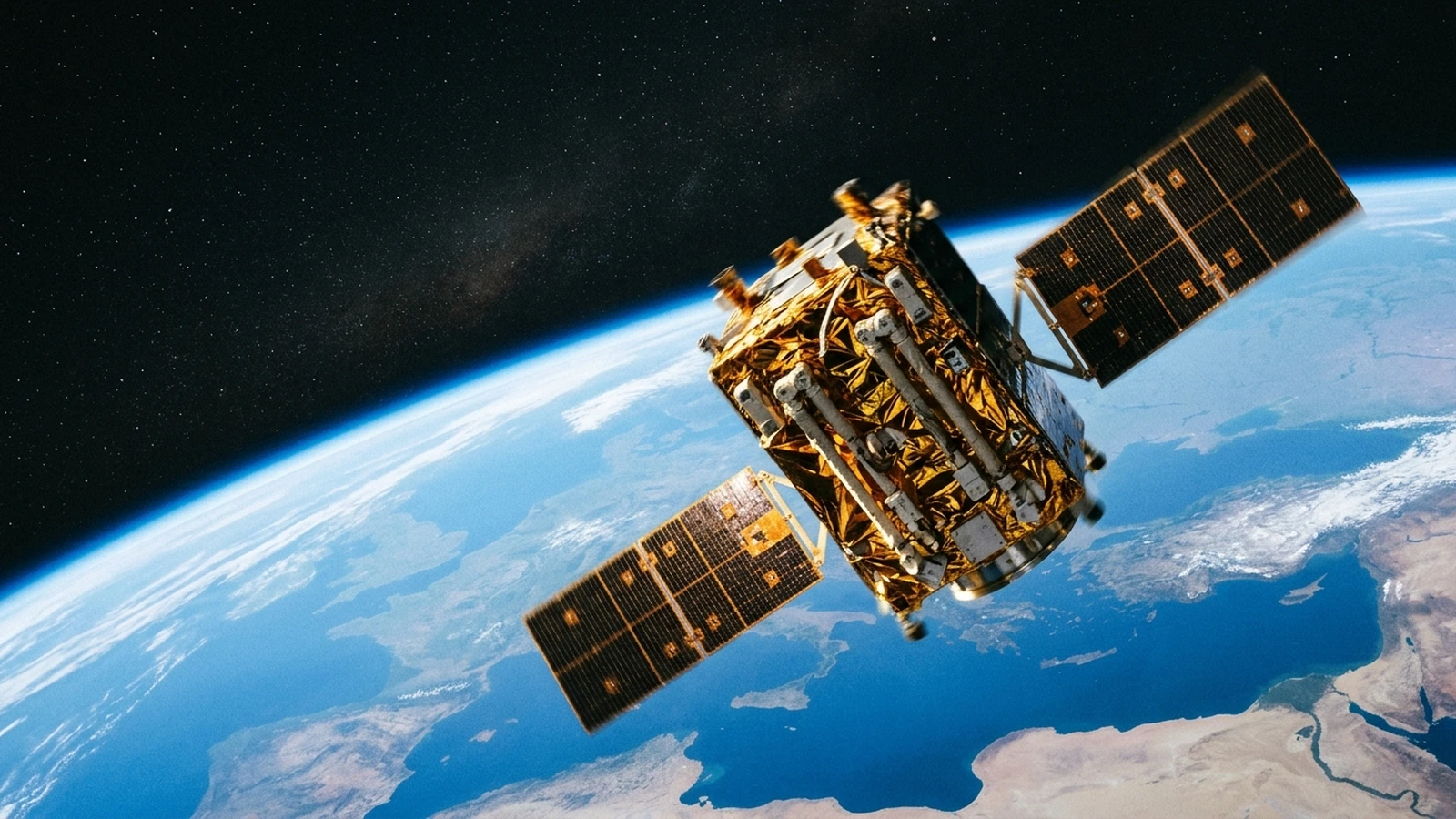
The Swift rescue mission has been cancelled. On Wednesday 19 August, NASA and Katalyst Space Technologies announced that the LINK spacecraft will not capture and boost the Neil Gehrels Swift Observatory. After three weeks of fighting a spin that started in late July, the little rescue robot never recovered the precise pointing it needed. Swift, the telescope that has caught cosmic explosions for NASA since 2004, will now fall back to Earth.
"This is not the outcome we were working toward, but it does not change why this mission was worth attempting," said NASA administrator Jared Isaacman. "The team moved with extraordinary speed to give Swift a chance to carry out more science while advancing capabilities America will need for satellite servicing in the future."
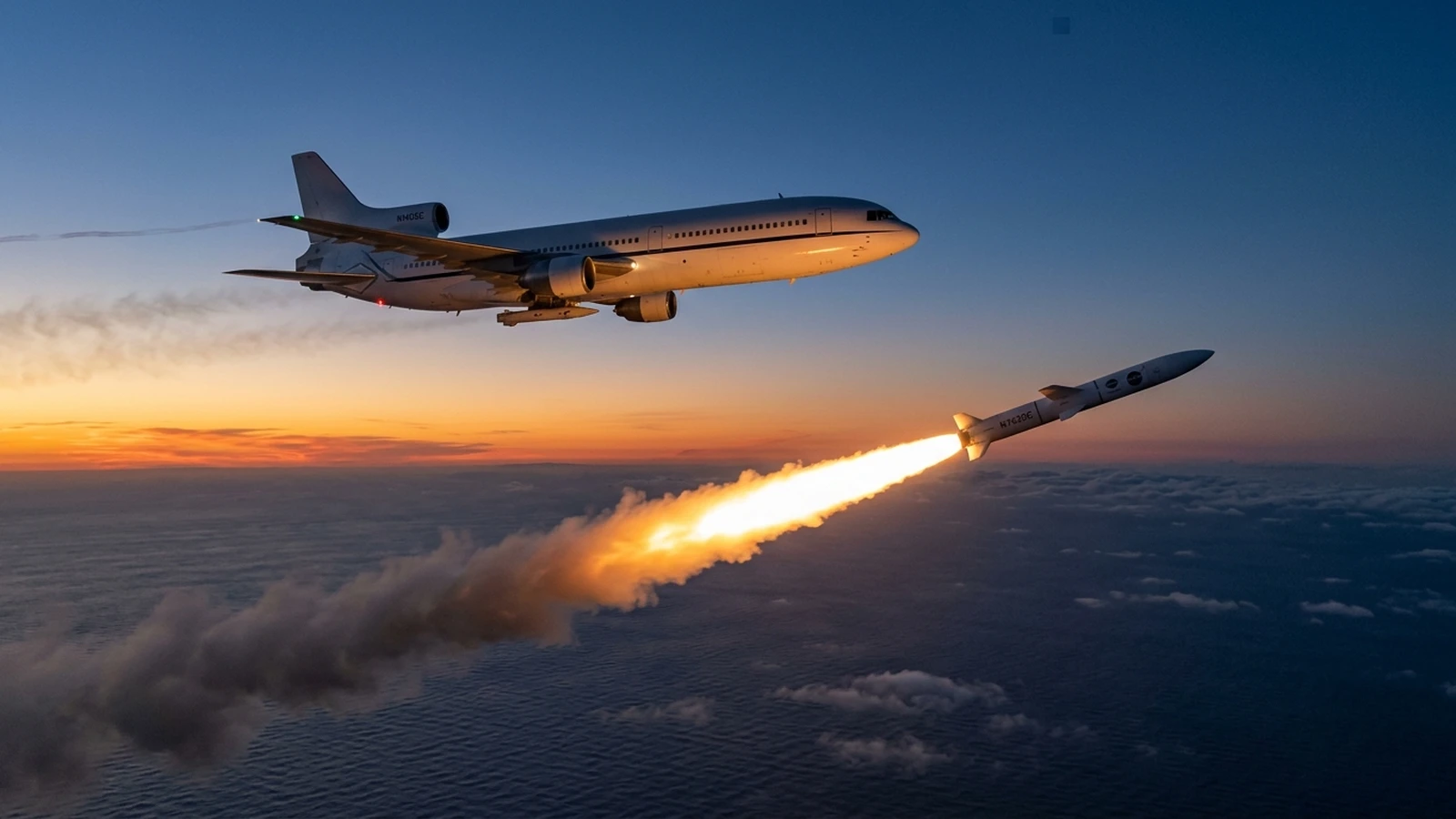
It's a hard ending to a story we've followed since NASA first announced the rescue in June. Katalyst designed, built and launched LINK in nine months for $30 million, a schedule almost nobody in the industry thought possible. It launched on 3 July on the last Pegasus rocket that will ever fly, dropped from the wing of an aircraft over the Pacific. For three weeks, everything went well.
Why the Swift Rescue Failed
The short version: LINK lost the ability to hold still, and you can't grab a telescope while you're tumbling.
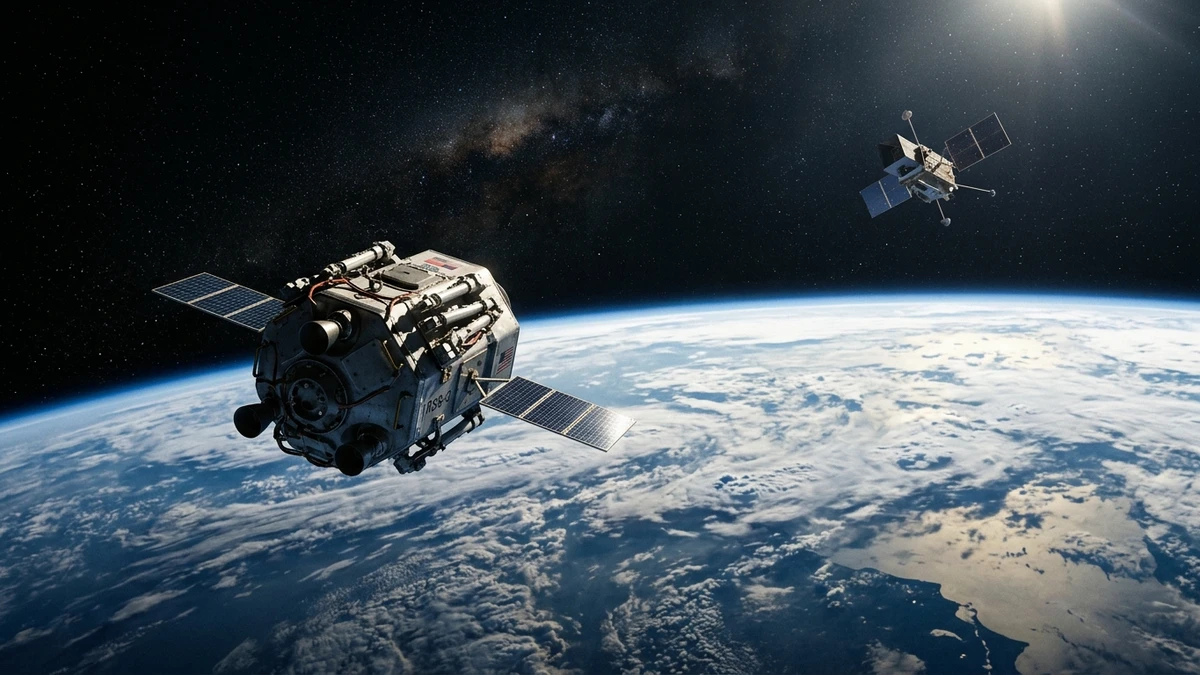
In late July, an electrical fault knocked out two of LINK's three reaction wheels, the spinning flywheels a spacecraft uses to control which way it points. The spacecraft began to rotate at nine degrees a second. Katalyst's engineers spent weeks nursing it back, slowing the spin with careful firings of the xenon thrusters that were meant to boost Swift, and in mid-August they uploaded new flight software written to fly the mission on one wheel and thrusters alone.
It slowed the tumble. It never stopped the pointing problems. Communication stayed patchy, part of the thruster system stopped working properly, and a spacecraft that needed to hold perfectly steady while closing in on a moving telescope simply couldn't. Rather than risk a collision that could shatter both spacecraft, NASA and Katalyst made the joint call to stand down.
"We took on this high-risk, high-reward challenge and are proud of the milestones we reached along the way," said Katalyst chief executive Ghonhee Lee. "We have already learned a tremendous amount."
That's not spin, either. NASA's astrophysics director Shawn Domagal-Goldman pointed out that the mission was flown on "an unprecedented timeline driven by the sun's activity". And it broke new ground before LINK ever got near Swift: this was the first time a private company had been cleared to approach and capture a US government satellite. That approval process now exists for the next mission to use.
When Will the Swift Telescope Fall to Earth?
No earlier than October, according to NASA. Swift is currently about 216 miles up and losing roughly five miles of altitude a month, and that fall accelerates as the spacecraft drops into thicker air. By October it's expected to be around 186 miles up, at which point things unravel quickly.
The reason it's falling at all is the Sun. We're near solar maximum, and all that extra energy heats and puffs up Earth's upper atmosphere, increasing the drag on everything in low orbit. Swift has no thrusters of its own, so it has no way to fight back. It was designed for a two-year mission and lasted almost 22. A fair innings.
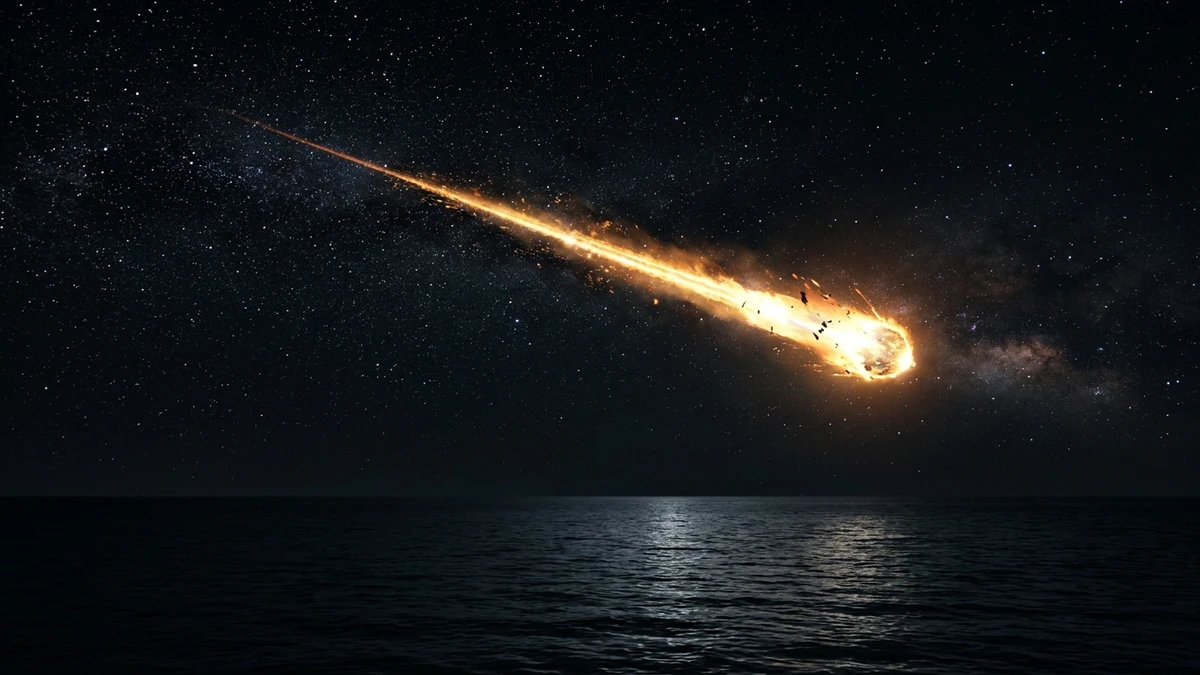
When it does come down, it should burn up completely. NASA says it poses no danger to anyone on the ground, and nobody will know exactly where or when until the final days. If you happen to be under the right patch of sky, the end will look like a brilliant, slow-moving artificial fireball, much brighter than the satellites you can spot on any clear evening.
There is one small mercy: Swift won't be doing science on the way down. NASA switched off its instruments earlier this year to reduce drag and buy time for the rescue, so the telescope's observing days were already behind it.
Watch the satellites that are still up there
Kit we've tested and reviewed in full
Swift spent 22 years in the same band of sky where you can watch satellites drift past after dusk. On a clear evening, binoculars will show you dozens of them, and one autumn night soon, one bright streak might be Swift coming home.
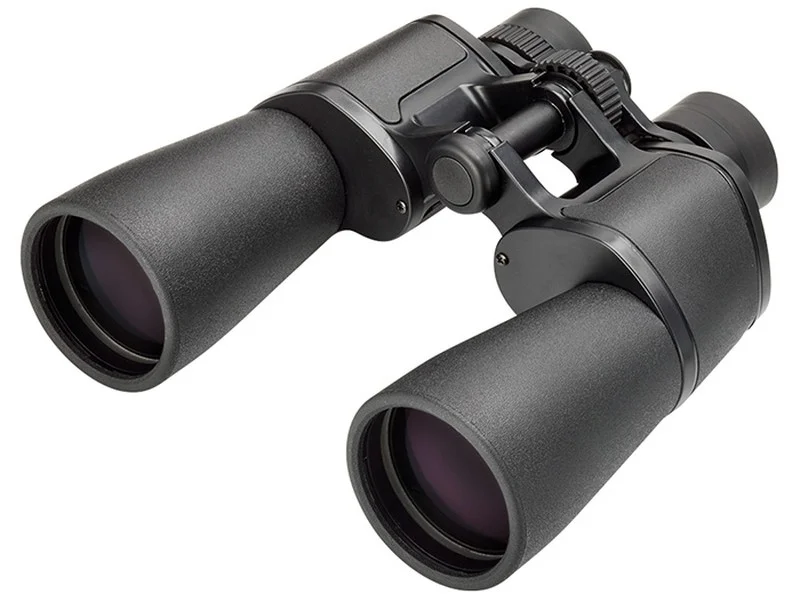
Bright, wide views that make it easy to catch a moving satellite and follow it across the stars.
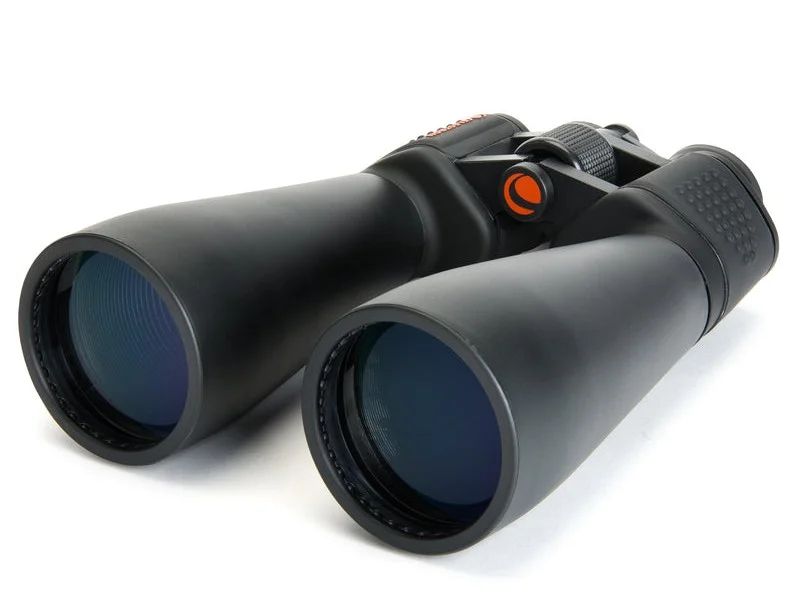
Big 70mm lenses pull in fainter satellites, with the autumn Milky Way thrown in. Best rested on a wall or tripod.
Affiliate links: you pay the same price, we earn a small commission that helps keep WatchTheStars free.
What Did the Swift Telescope Discover? 22 Years of Explosions
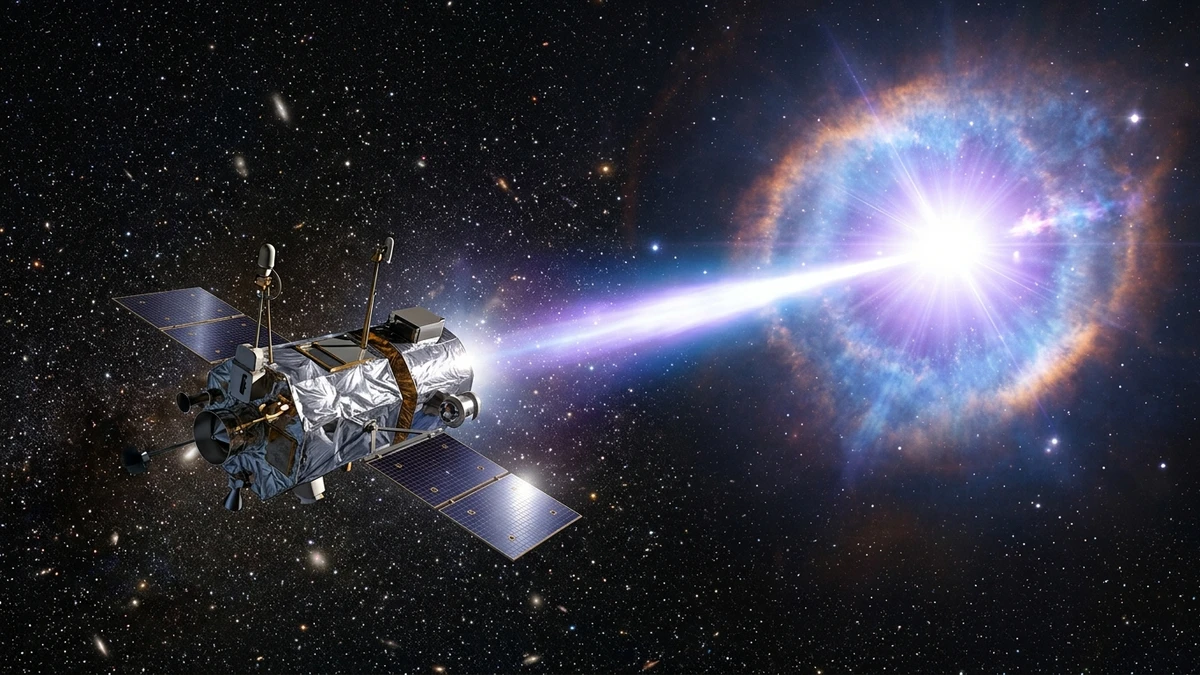
Swift launched in November 2004 with one job: catch gamma-ray bursts, the violent flashes from collapsing stars and colliding neutron stars that are the biggest explosions in the universe. The trick was speed. Swift could detect a burst, swing itself around and point its telescopes at the exact spot within about a minute, then send the coordinates to observatories all over the world. In 2022 it helped record the brightest gamma-ray burst ever seen, an event astronomers nicknamed the BOAT: Brightest Of All Time.
For UK readers, this one is personal. Two of Swift's three instruments are British-built. The University of Leicester made the camera at the heart of the X-Ray Telescope and still operates the UK Swift Science Data Centre, which astronomers everywhere use to access the mission's data. The Ultraviolet/Optical Telescope was built by UCL's Mullard Space Science Laboratory in Surrey, together with Penn State in the US. When Swift burns up this autumn, two decades of British engineering burn up with it.
The science gap is real, too. Swift was NASA's rapid-response alarm system for the violent universe, and there's no direct replacement waiting. NASA says it will lean on its other missions and "prioritise finding new options to react rapidly to cosmic events". The Roman Space Telescope, due to launch on 30 August, is a huge win for astronomy, but it's a survey machine, not a fast-swinging burst hunter.
Is Hubble Next? What Happens After Swift
Here's the part with consequences beyond one telescope. According to CBS News, Hubble was next in line for a rescue attempt if this mission had gone well. The 36-year-old observatory is also slowly losing altitude to the same swollen atmosphere and is projected to re-enter in the 2030s if nothing is done. A successful Swift capture would have been the proof that a commercial reboost works. Instead, the first attempt ended in failure, and the case for a Hubble mission just got harder to make.
It's not all grim. LINK itself isn't dead: Katalyst will keep flying it near Swift to practise rendezvous and proximity operations, the exact skills any future Hubble mission would need. And spacecraft rescues do work, as NASA showed just weeks ago when a clever power manoeuvre bought Voyager 2 another year at the edge of the solar system. Sometimes the fix holds. This time it didn't.
So keep an eye on the autumn sky. Somewhere over an ocean, most likely, a telescope that spent 22 years watching stars die will become a shooting star itself. We'll cover the re-entry, and whatever comes next for Hubble, right here. In the meantime, our night sky guide has everything worth looking up for this week.
Sources:
- NASA Updates Next Steps for Commercial Swift Boost Mission · NASA
- NASA calls off rescue mission for its falling Swift space telescope · Scientific American
- NASA's Swift telescope will plunge toward Earth after rescue mission called off · CBS News
- NASA abandons mission to save Swift Observatory from a fiery death · Popular Science
- Mission to save Swift spacecraft fails, will crash back to Earth · EarthSky
- Swift at Leicester · University of Leicester
- The Swift UVOT instrument · UCL Mullard Space Science Laboratory
Frequently Asked Questions
Equipment guides
Related topics
Ian ClaytonAmateur astronomer and founder of WatchTheStars.co.uk, dedicated to helping others explore the wonders of our universe. Full profile →