Key takeaways
- Rep. Eric Burlison has confirmed the House UAP Caucus has a lead on a new whistleblower who 'might go public', but the priority is getting them into a SCIF, a secure room for classified conversations, first
- The SCIF-first approach is a deliberate reversal of the 2023 Grusch hearing, where the most important claims were stuck behind classification and couldn't be said on camera
- House Oversight Chair James Comer says he'd like another UFO hearing and has extended the Secrets Task Force, telling reporters 'it's actually doing its job'
- David Grusch is still on Burlison's congressional staff as a special advisor, now working behind the scenes rather than at the witness table
- Meanwhile the Pentagon's PURSUE file releases have stalled: nothing new has been published since 12 June, despite a promise of new records 'every few weeks'
Jump to section 6 sections
New UFO Whistleblower: What Rep. Burlison Actually Said
In July 2023, David Grusch sat at a witness table in a packed hearing room and told Congress, on live television, that the US government was hiding craft of non-human origin. It was the most public moment in the modern history of the UFO subject.
Three years on, Congress has a lead on a new UFO whistleblower. And this time the plan is the opposite of public: classified briefings in a SCIF first, cameras later, if at all.
"Right now we're focused on getting some people in a SCIF... who would not be comfortable at this time going public," Rep. Eric Burlison of Missouri told the Capitol Hill outlet Ask a Pol. "There's one person that's a new whistleblower that we have a lead on that might go public."
That's it. That's everything we know. No name, no job title, no hint of what they claim to have seen. Burlison, a member of both the House UAP Caucus and the Task Force on the Declassification of Federal Secrets, was careful not to give anything else away. Asked whether the caucus wanted the person in a SCIF first, he answered simply: "Whatever they feel comfortable with."
The thin detail is the point. After what happened to Grusch, whose name, career and mental health records were picked over within days of his testimony, nobody in Congress wants to expose a new witness before they're ready.
What Is a SCIF, and Why Start There?
A SCIF (pronounced "skiff") is a Sensitive Compartmented Information Facility. In plain English: a soundproofed, shielded room where people with security clearances can legally discuss classified material. Phones stay in lockers outside the door. Congress has several dotted around the Capitol complex.
Why does that matter for a UFO witness? Because of the wall the Grusch hearing hit. Grusch made headline claims, then spent much of the session saying he couldn't elaborate in an open, unclassified setting. The most substantive material was always just out of reach of the cameras. Viewers got claims with no detail. Sceptics got an easy target.
The SCIF-first strategy flips that. Get the witness into a classified setting, let them say everything, then work out what can lawfully be said in public later. Rep. Nancy Mace has taken the same line, telling Ask a Pol she wants to "get in a SCIF" with Secretary of State Marco Rubio, who was briefed on UAP matters for years as chair of the Senate Intelligence Committee.
There's a legal backdrop too. The defence bill signed in December 2025 quietly gave Congress new tools: AARO, the Pentagon's UAP office, must now brief lawmakers on NORAD and NORTHCOM intercepts of unidentified objects going back to January 2004, and the Pentagon has to account for every UAP-related classification guide it holds. Congress is building the paper trail while the whistleblower conversations happen behind the secure door.
Want to scan the skies yourself?
Kit we've tested and reviewed in full
While Washington argues about what's in the files, the sky is still up there every clear night. Most strange lights turn out to be satellites, planets or aircraft, and a decent pair of binoculars is the fastest way to check from your own garden.
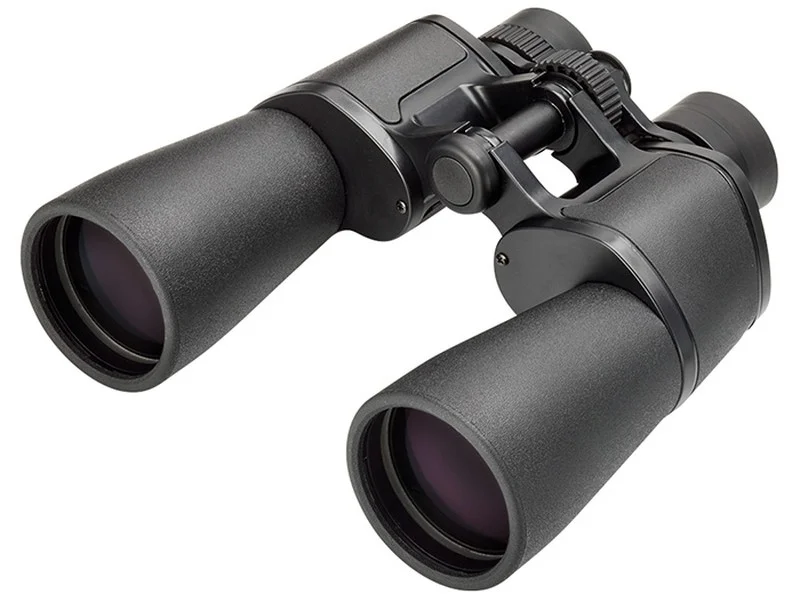
Light enough to hold steady for a proper look at that odd light, and good enough to show you Jupiter's moons while you're out there.
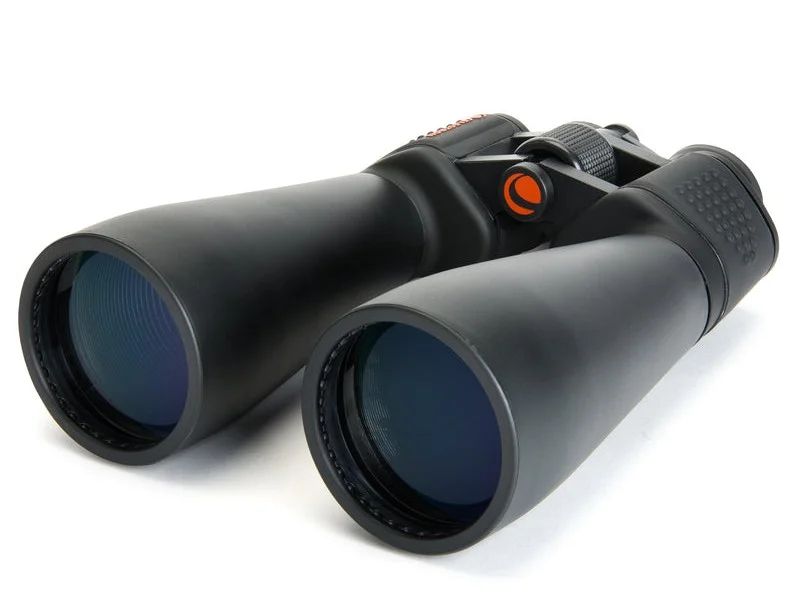
Bigger lenses pull in more light for fainter objects. Rest them on a wall or tripod and satellites, star fields and the odd rogue drone all give themselves away.
Affiliate links: you pay the same price, we earn a small commission that helps keep WatchTheStars free.
David Grusch in 2026: From Witness Table to Backroom Advisor
Grusch hasn't gone anywhere. He's just changed jobs.
In March 2025, Burlison formally hired the former Air Force intelligence officer as a special advisor on UAP transparency, attached to the House Oversight Task Force on the Declassification of Federal Secrets. He remains on staff in 2026. Burlison says Grusch is currently putting together an end-of-year synopsis of what the caucus has achieved and "what strings we need to pull" next.
It's a quieter role than the witness table, and arguably a more useful one. The man who couldn't answer questions in public is now the one telling lawmakers which questions to ask, and who to ask them to, once the SCIF door closes.
Grusch was also front and centre at the June Capitol Hill press conference, where he repeated his allegation that intelligence agencies have hidden billions in spending from Congress through secret "slush funds", and stood with lawmakers demanding stronger legal protection for witnesses. That demand is the thread running through all of this: the new whistleblower strategy only works if people who talk in a SCIF don't lose their careers for it.
Will There Be Another UFO Hearing? Comer Wants One
Quite possibly, and the man who decides is on record wanting it. House Oversight Chair James Comer, whose committee ran the 2023 Grusch hearing, told Ask a Pol in late June that he's up for another. "I would like to have another, what I call UFO, you all call something else, hearing," he said. "I think that would be popular." He added that after the Pentagon's file releases, "we've got stuff to talk about now."
Comer has also quietly extended the Secrets Task Force, the body driving most of the congressional UAP work, and didn't sound remotely embarrassed about why: "It's actually doing its job. That never happens."
Over in the Senate, Mike Rounds is preparing another run at the UAP Disclosure Act, which would put whistleblower protections and a records review board into law. His stated plan is to use the bill to "find out who will object to it": to smoke out whoever keeps quietly killing it. Burlison thinks it could pass through the House Rules process this year.
Put together: classified witness sessions, a committee chair who wants a hearing, and a legal framework inching through both chambers. It's slower and less cinematic than 2023. It might get further.
Pentagon UFO Files Have Gone Quiet Since 12 June
All of this is happening against an awkward silence from the Pentagon.
The PURSUE programme (the Presidential Unsealing and Reporting System for UAP Encounters) launched on 8 May with around 160 declassified documents, photos and videos, and a promise of fresh records "every few weeks". A second batch followed, then a third on 12 June.
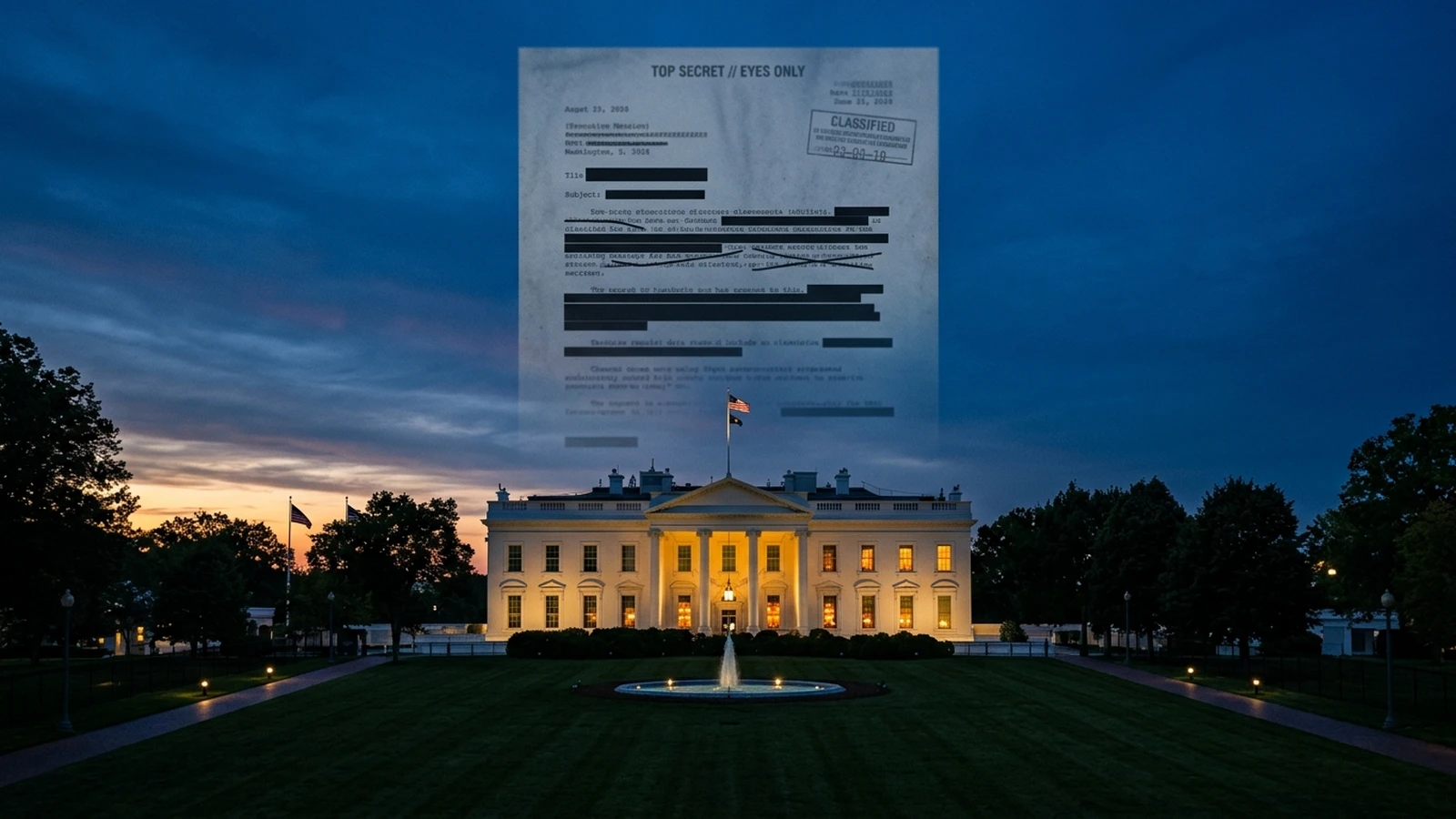
Since then, nothing. World UFO Day came and went on 2 July without a new batch of files or even an acknowledgement from the White House. For an administration that made disclosure a public commitment, three weeks of silence has not gone unnoticed, and it's a big part of why lawmakers keep pushing.
Not everyone is gloomy about it. Former intelligence official Lue Elizondo marked World UFO Day by insisting the bigger battle is already won: "The voice of the people is finally being heard at the highest levels of our Government... Although the fight is not yet over, a major battle has been won."
Maybe. But the gap between promise and delivery is exactly why the SCIF strategy matters. Files can be delayed. A witness sitting in a secure room with members of Congress is much harder to ignore.
What This Means for UFO Disclosure in 2026
From the UK, it would be easy to read all this as American political theatre. We'd suggest not.
The pattern from Washington sets the tone everywhere else, including here. When the Pentagon released its first files, we looked at what that meant for Britain, where the MoD shut its UFO desk in 2009 and has released its own archives in fits and starts ever since. If a new American whistleblower does eventually go public with something substantial, the pressure on other governments to open their files follows within weeks. We've watched that cycle run several times since 2017.
And the quiet approach cuts both ways. It could mean Congress is carefully building something solid. It could mean the story fizzles in a locked room and we never hear another word. That's the honest risk with the SCIF-first strategy: the public only finds out if the witness, and the lawmakers, decide we do.
For now, the facts are these. Congress has a lead on a new whistleblower. The people managing it learned hard lessons from the Grusch era. The committee chair wants another hearing. And the file releases everyone was promised have gone quiet at exactly the moment things got interesting behind closed doors.
Keep watching. The next big UFO story might not start on camera at all. It might start with a door closing quietly in a Capitol basement.
Sources:
- SCOOP: "A new whistleblower" is sharing info with UAP Caucus, Rep. Burlison says · Ask a Pol UAP
- SCOOP: House Oversight Chair James Comer: "I would like to have another UFO hearing" · Ask a Pol UAP
- Smoking out the opposition: Sen. Rounds plans to use UAPDA to "find out who will object to it" · Ask a Pol UAP
- Congress Has a New UAP Whistleblower. This Time, They Want a SCIF. · UFOUAP
- World UFO Day Comes... But New UAP Files Don't · LAmag
- Restoring Public Trust Through UAP Transparency and Whistleblower Protection · House Oversight Committee
- Presidential Unsealing and Reporting System for UAP Encounters · US Department of War
Frequently Asked Questions
Equipment guides
Related topics
Ian ClaytonAmateur astronomer and founder of WatchTheStars.co.uk, dedicated to helping others explore the wonders of our universe. Full profile →