Key takeaways
- The Swift rescue launch was called off mid-flight on Thursday 2 July: the carrier aircraft was already airborne when a launch vehicle issue stopped the Pegasus rocket from being released
- The Stargazer aircraft flew back to Kwajalein Atoll with the rocket still attached; nobody was in danger and the rocket is intact
- NASA hasn't set a new launch date yet: teams are reviewing data from the attempt first
- It was the third scrub in three days, after two weather delays on 30 June and 1 July
- Swift has some breathing room: predictions suggest it stays above the minimum rescue altitude into early autumn, but the clock is still ticking
Jump to section 5 sections
Swift Rescue Launch Delayed: What Happened on 2 July
So close. The mission to save NASA's falling Swift telescope got further than it ever has on Thursday, and still didn't fly.
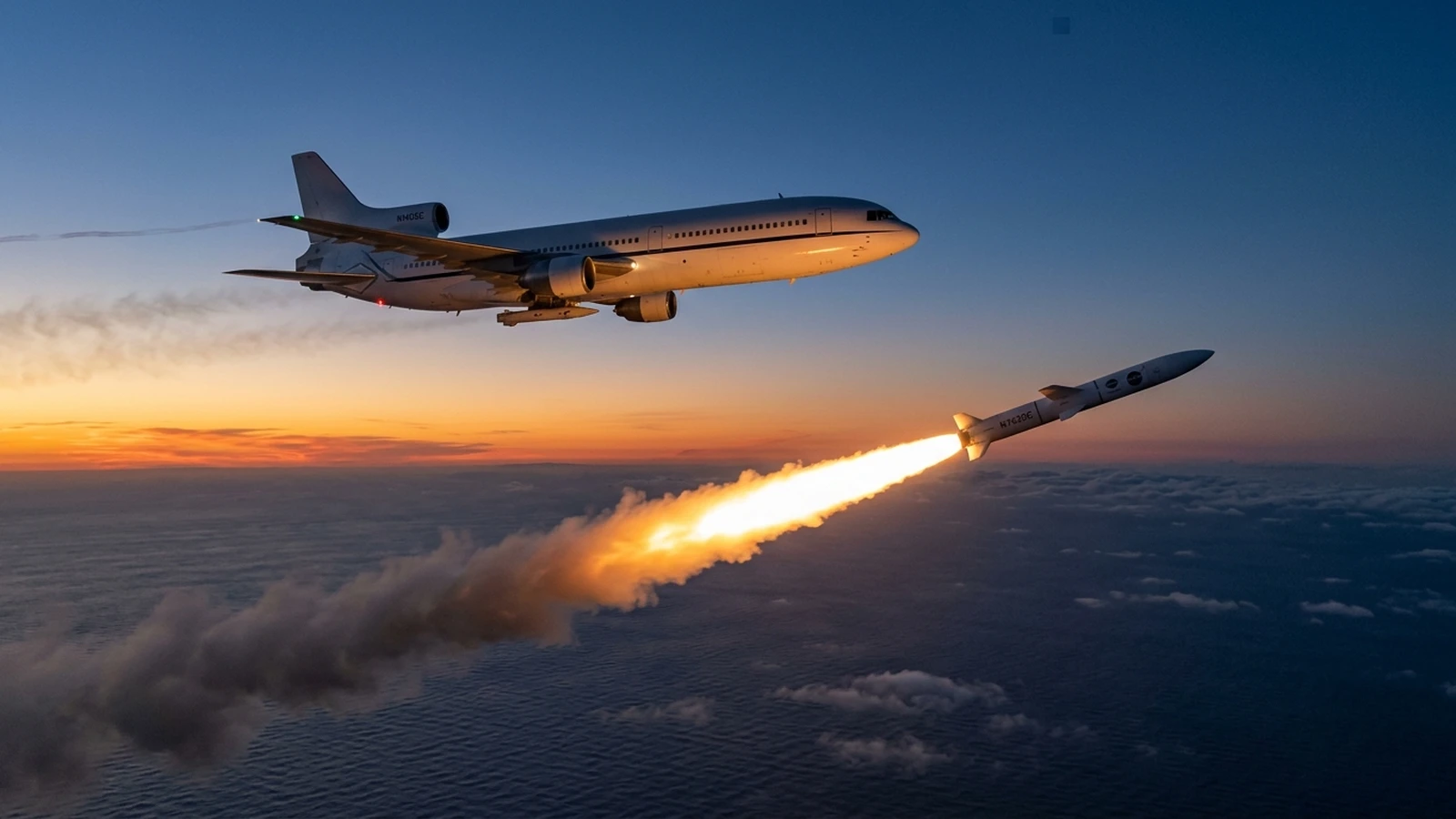
The Stargazer carrier aircraft took off from Kwajalein Atoll in the Marshall Islands with the last ever Pegasus XL rocket bolted under its belly, exactly as planned. Then, somewhere over the Pacific, a problem showed up. In NASA's words, "a launch vehicle issue temporarily prevented teams from deploying the rocket". The drop was called off, and Stargazer flew home with the rocket still attached.
That makes three scrubs in three days. Weather stopped the first two attempts on 30 June and 1 July. This one got airborne, which somehow makes it more frustrating, not less.
If you followed along with our launch-day guide, here's where things stand now, and what it means for the telescope waiting up there.

Why the Pegasus Rocket Turned Back Mid-Flight
NASA hasn't said much yet, and that's normal at this stage. The official line is that the issue was with the launch vehicle, which points at the Pegasus itself rather than the aircraft carrying it. Engineers are now going through the data from the flight to work out what tripped the alarm.
It's worth being clear about what didn't happen. The rocket never fired and nobody was at risk. A Pegasus only lights its motor five seconds after the aircraft lets it go, once it's falling free and well clear. When the warning appeared, the crew simply held on to it and turned around. In rocketry terms this is the system working as designed: something looked wrong, so nothing was released.
The caution is understandable for another reason. This is the final Pegasus XL ever built. The rocket has flown 45 missions since 1990, and there is no spare sitting in a hangar if this one is lost. If a warning light says wait, you wait.
When Is the Next Swift Launch Attempt?
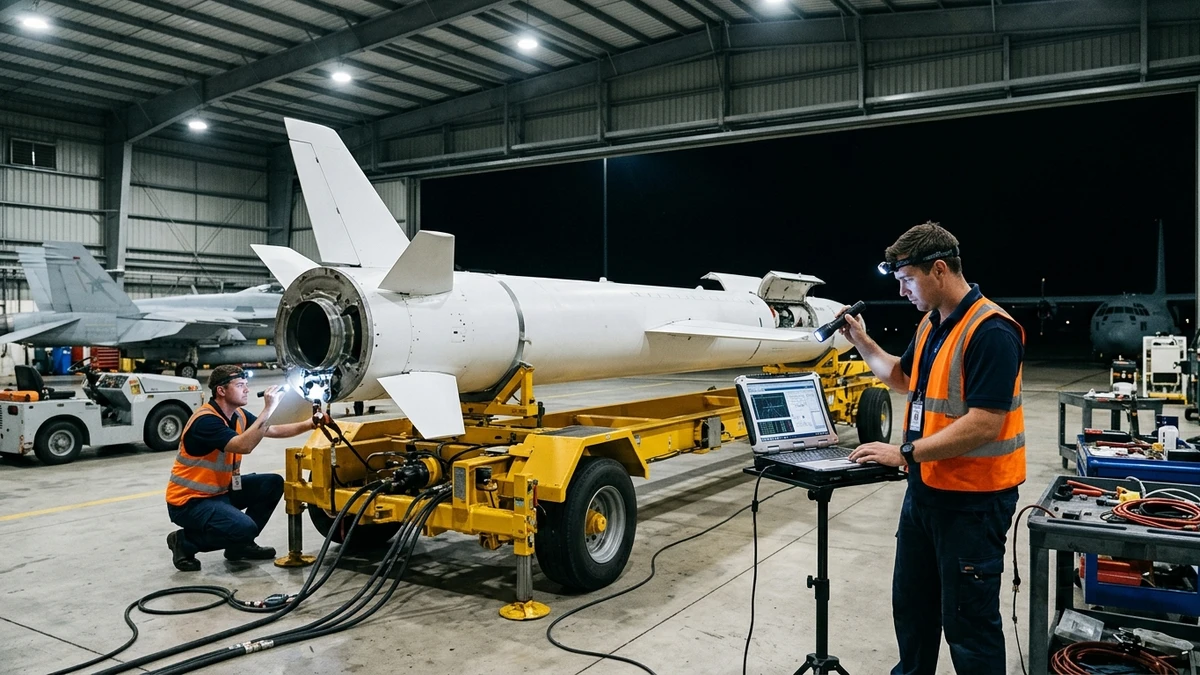
There isn't a new date yet. NASA says the next attempt will be scheduled once teams have reviewed the data from Thursday's flight, and hasn't hinted at whether that means days or weeks.
The best source for updates is NASA's Swift blog, which has posted after every attempt so far. Katalyst Space and Northrop Grumman also share updates on their social channels. And we'll write up the new date here as soon as it's confirmed.
One small mercy of an air-launched rocket: there's no queue for a launchpad. Once the fault is understood and fixed, Stargazer just needs decent weather and a clear stretch of ocean.
While you wait: go satellite-spotting
Kit we've tested and reviewed in full
Swift orbits in the same busy layer of sky where hundreds of satellites catch the sunlight after dusk. A pair of binoculars turns a clear July evening into a satellite hunt while the rescue waits on the ground.

Wide enough to sweep up a moving satellite and follow it across the sky, and a lovely first pair for star clusters too.

Big 70mm lenses pull in fainter satellites and make the Milky Way glitter. Best rested on a wall or a cheap tripod.
Affiliate links: you pay the same price, we earn a small commission that helps keep WatchTheStars free.
How Long Does NASA Have to Save Swift?
This is the question that matters, because the whole reason for the rush is that Swift is falling.
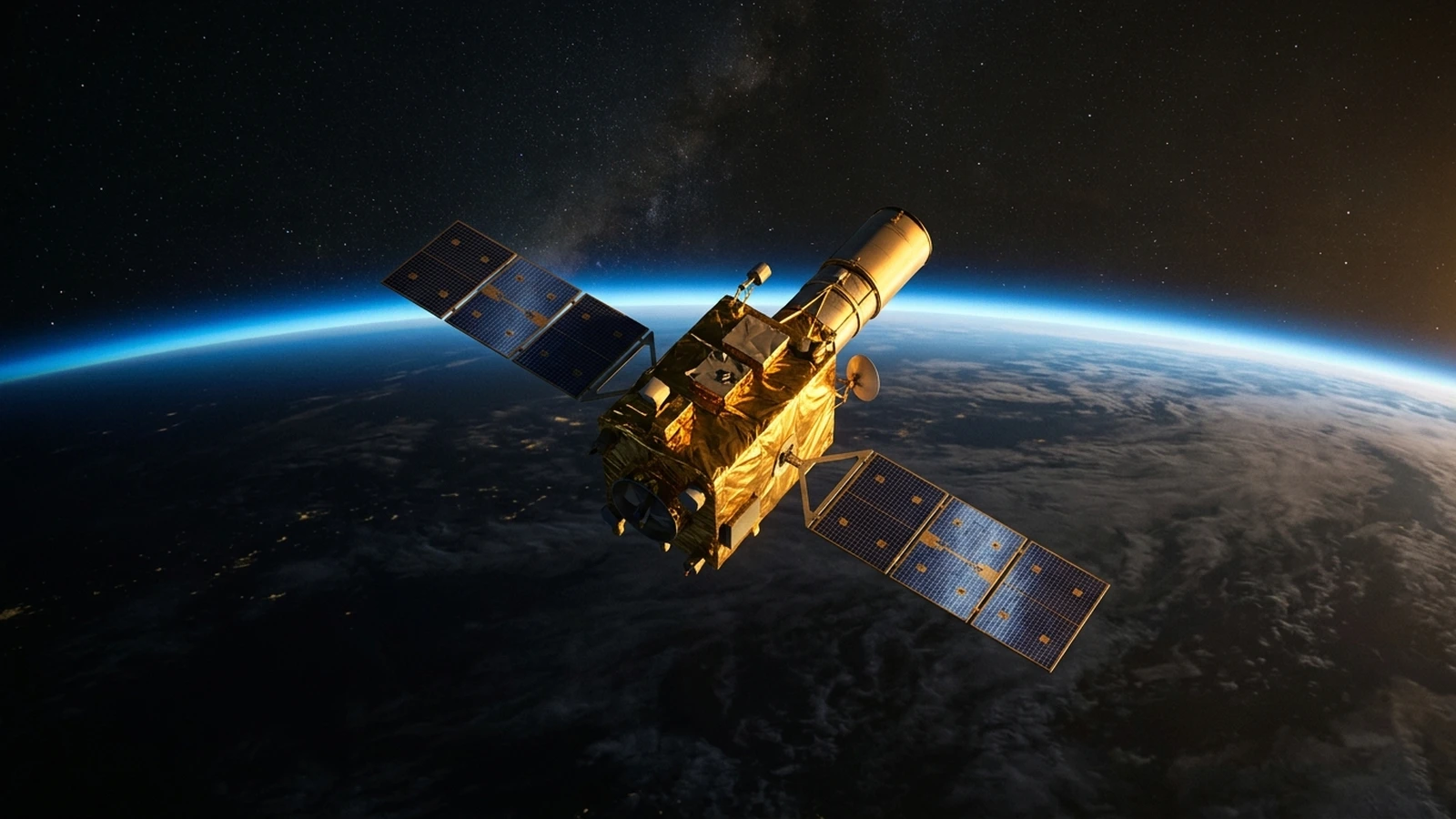
The 22-year-old telescope has sunk from its original 600km orbit to around 400km, dragged down by an upper atmosphere puffed up by a stormy solar maximum. NASA's predictions give it a 90% chance of burning up by the end of 2026 if nothing is done. The rescue itself stays possible as long as Swift holds above roughly 300km, the minimum altitude where a reboost is still viable.
Here's the good news: current predictions suggest Swift stays above that line into early autumn. A delay of days or even a few weeks doesn't kill the mission. What NASA can't afford is for this to drag on for months, because the lower Swift sinks, the faster it falls, and the harder the catch becomes.
So there's time. Just not spare time.
What Happens When the Rescue Finally Launches
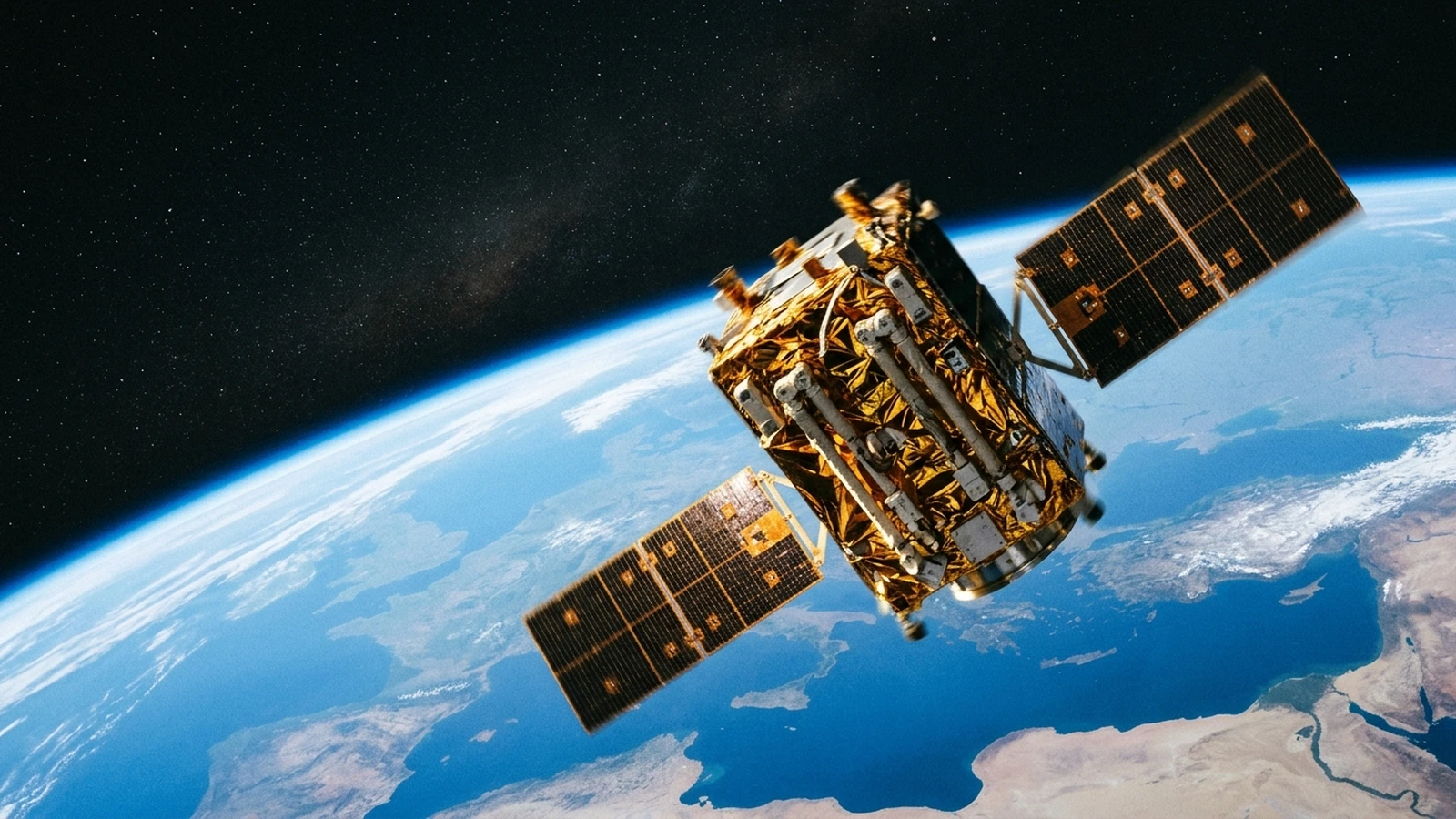
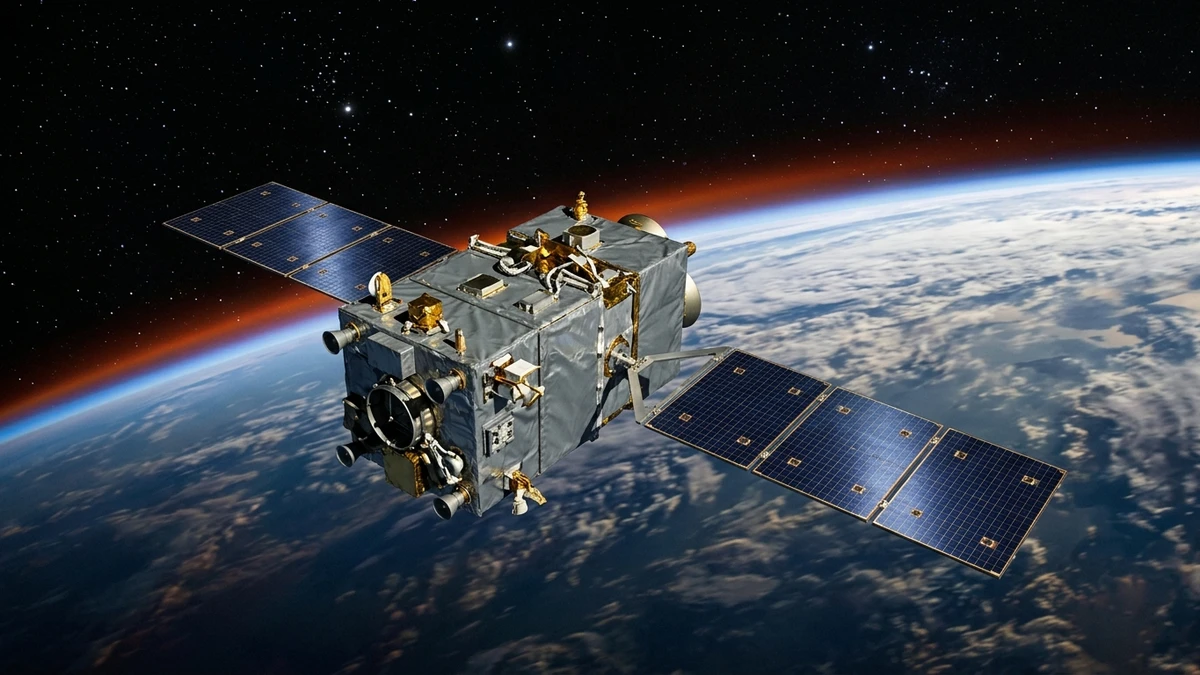
Nothing about the plan itself has changed. When the Pegasus finally flies, it will carry LINK, the fridge-sized robot built by Katalyst Space Technologies, into the same low orbit as Swift.
From there, the timeline runs as before. LINK checks itself out, then spends two to three weeks studying Swift up close to pick the safest place to grab a telescope that was never designed to be grabbed. Then comes the capture with its three robotic arms, followed by months of gentle pushing with ion thrusters to walk Swift back up towards 600km. If it all works, LINK becomes the first private spacecraft ever to capture a US government satellite, and NASA gets its gamma-ray burst hunter back for years more science. All for about $30 million.
Thursday's turn-back stings, but it changes nothing fundamental. The robot is ready, the telescope is holding on, and the last Pegasus gets at least one more chance to end its 36-year career with a rescue.
We'll be watching for the new date. When it comes, you'll find it here.
Sources:
- Launch of Swift Boost Mission Delayed, Teams Reviewing Data · NASA
- Rocket issue delays NASA launch of rescue mission to save Swift space telescope · Space.com
- NASA races to save aging Swift telescope from falling back to Earth with daring rescue mission · PBS News
- Swift Boost Mission · NASA
Frequently Asked Questions
Equipment guides
Related topics

Ian ClaytonAmateur astronomer and founder of WatchTheStars.co.uk, dedicated to helping others explore the wonders of our universe. Full profile →