Key takeaways
- The Swift Boost rescue mission was set to launch on Thursday 2 July at 10:09am UK time (09:09 GMT) after two weather delays, but that attempt was stopped mid-flight and LINK launched on 3 July
- It was the final flight of Northrop Grumman's Pegasus XL: the rocket that launches from underneath a converted airliner at 39,000 feet
- On board was LINK, a fridge-sized robot built by Katalyst Space Technologies that was to grab NASA's falling Swift telescope with three arms and push it back up to a safe orbit
- LINK was to be the first private spacecraft ever to capture a US government satellite in orbit
- The whole rescue, launch included, was to cost NASA about $30 million, and the capture itself was to follow in the weeks after launch
Jump to section 6 sections
- Swift Rescue Launch Time: When and How It Was Followed From the UK
- Why NASA's Swift Telescope Needs Rescuing
- Pegasus XL's Final Flight: A Rocket Dropped From a Plane
- The LINK Spacecraft: How the Capture Was Meant to Work
- What Was Meant to Happen After Launch: The Rescue Timeline
- Why the Swift Rescue Mission Matters
Swift Rescue Launch Time: When and How It Was Followed From the UK
The hope was third time lucky. After two days of weather delays, the mission to save NASA's falling Swift telescope was set to launch on Thursday 2 July at 10:09am UK time (09:09 GMT). As it turned out, that attempt was stopped mid-flight: the carrier aircraft was already airborne when a launch vehicle issue stopped the Pegasus rocket from being released, and LINK launched on 3 July.
If that seems an odd hour for a rocket launch, it's because this one happened on the other side of the planet. The rocket was due to take off, in a manner of speaking, from Bucholz Army Airfield on Kwajalein Atoll in the Marshall Islands, out in the middle of the Pacific, where it was 9:09 in the evening. Well, "take off" isn't quite right either. The rocket is carried up by an aeroplane and dropped. More on that in a moment.
There was no launchpad livestream for this one, since the whole thing happens from an aircraft over the open ocean. The best way to follow it was NASA's Swift blog, which posted updates through the attempt, along with Katalyst Space and Northrop Grumman on social media. Confirmation of a good launch usually lands within the hour.
We covered the full story of the rescue in June. Here's what 2 July was about, and why it was worth your attention.
Why NASA's Swift Telescope Needs Rescuing
The short version: the Neil Gehrels Swift Observatory, NASA's 22-year-old gamma-ray burst hunter, is falling out of the sky through no fault of its own.
A stormier-than-expected solar maximum has heated and puffed up Earth's upper atmosphere, and that extra wisp of air acts as a brake on anything orbiting through it. Swift has sunk from its original 600km orbit to around 400km, and the lower it gets, the faster it falls. Left alone, it would most likely burn up before the end of 2026. The telescope still works beautifully. It simply has no engine, so it can't climb back up on its own.
That 400km orbit, as it happens, is the same neighbourhood the International Space Station calls home, and unlike Swift, you can watch that one cross the sky whenever it passes over on a clear night, with nothing more than our guide to spotting the ISS from the UK.
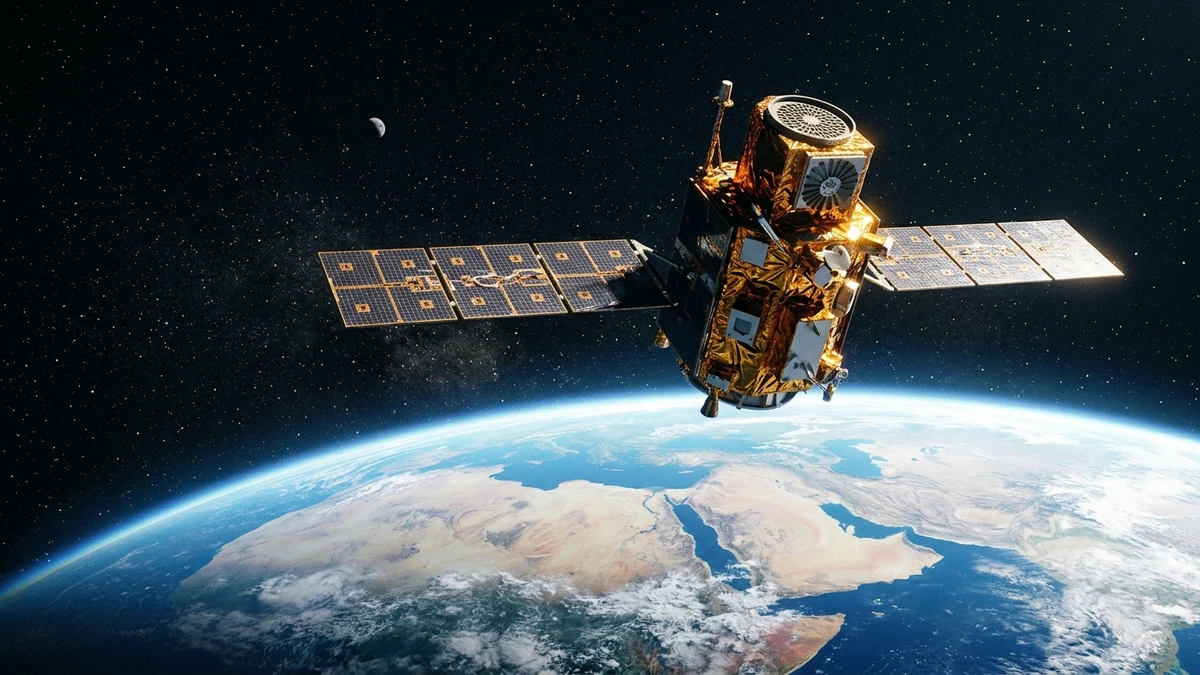
So NASA hired someone to give it a push. That someone is Katalyst Space Technologies, an Arizona startup that built a rescue robot in under a year for about $30 million. On 2 July, that robot was due to go to space.
Pegasus XL's Final Flight: A Rocket Dropped From a Plane
The 2 July attempt was also a farewell. The rocket carrying the rescue robot was a Pegasus XL, and it was the last one that will ever fly.
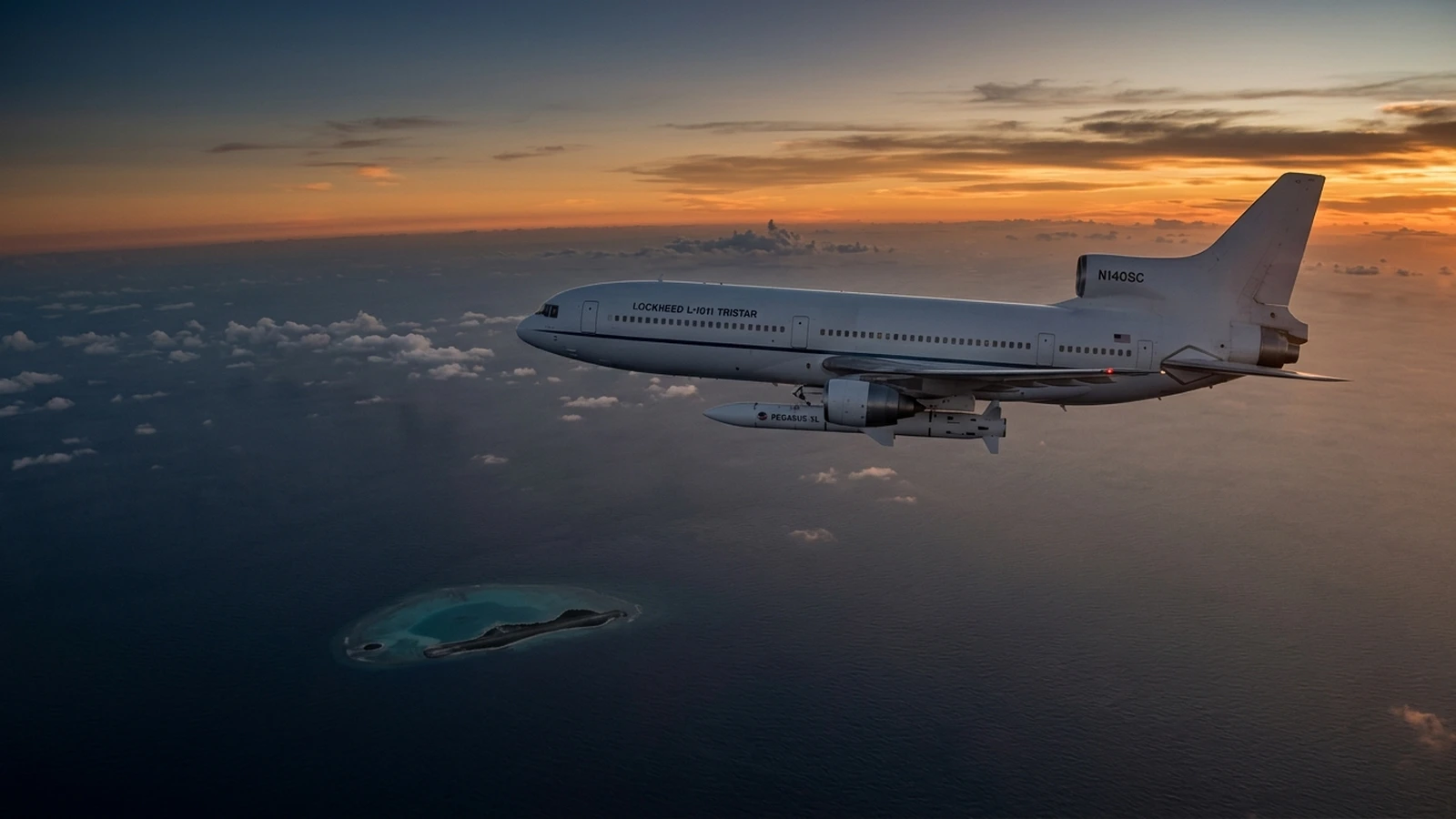
Pegasus doesn't use a launchpad. It rides bolted under the belly of Stargazer, a converted L-1011 airliner, which climbs to 39,000 feet and lets go. The rocket free-falls for five seconds, lights its motor in mid-air, and climbs to orbit from there. It's been doing this since 1990, when it became one of the first privately developed rockets to reach space, and it has launched dozens of missions since. Cheaper rockets have made air-launch a niche business, though, and the fleet is retiring.
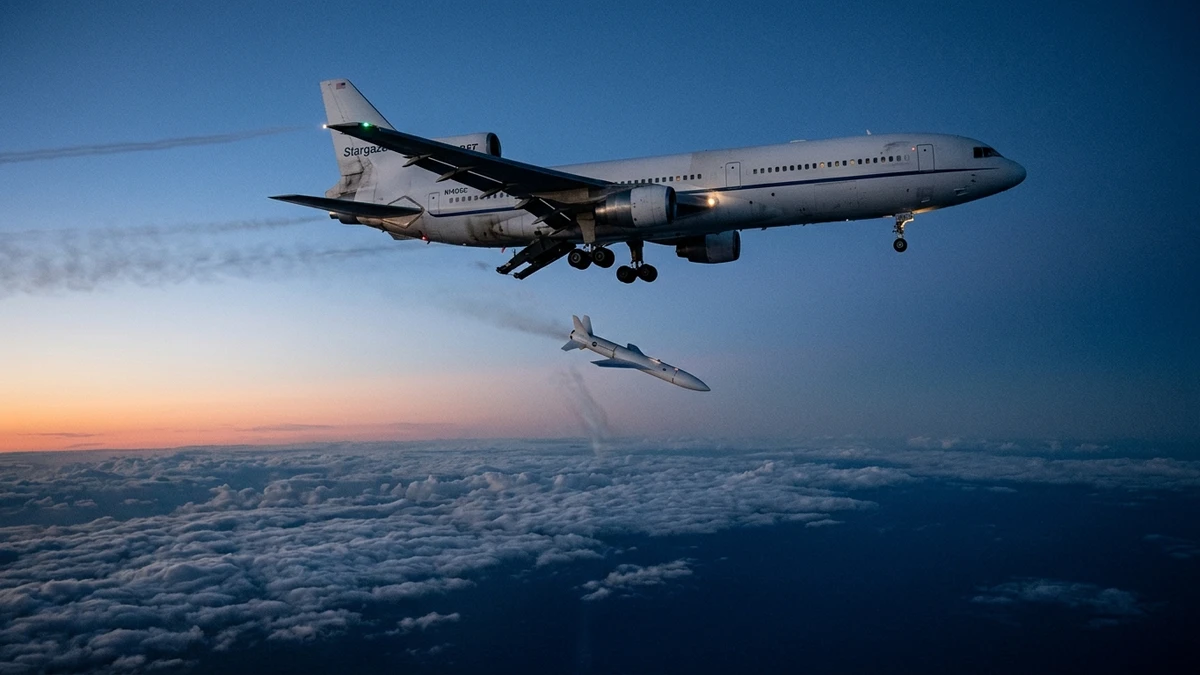
There's a nice symmetry in the send-off. Pegasus launched Swift itself back in November 2004. Now, 22 years later, the same type of rocket was flying its final mission to save the telescope it once carried. Old rocket, old telescope, one last job.
The LINK Spacecraft: How the Capture Was Meant to Work
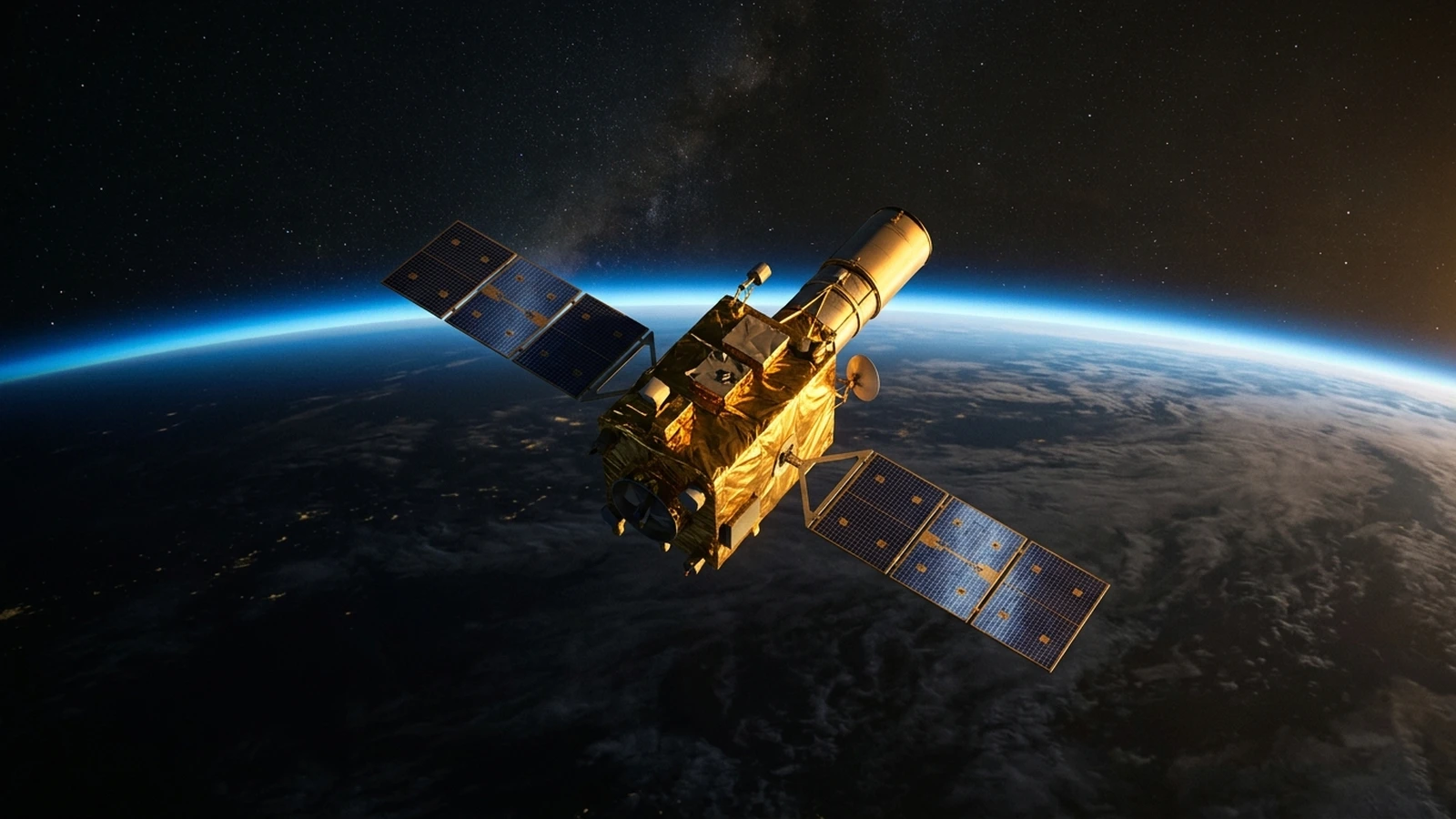
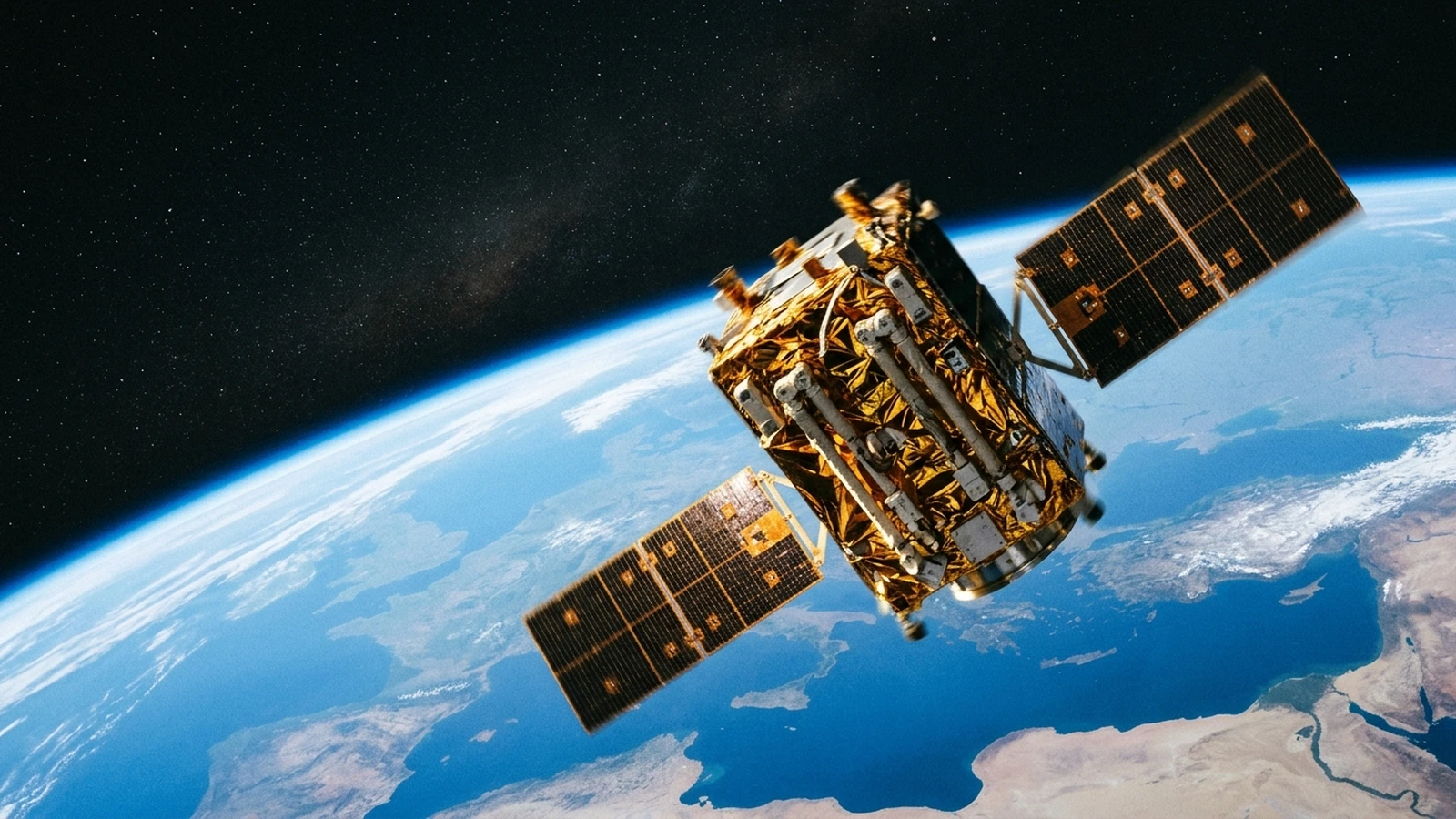
Tucked inside the Pegasus fairing was LINK, a robot about the size of a fridge, weighing roughly 400kg, with three robotic arms and a set of gentle electric thrusters.
Its job sounds simple and is anything but. Swift was launched long before anyone planned to service satellites in orbit, so it has no docking ring, no grapple points, nothing designed to be grabbed. LINK had to close in on a spacecraft the size of a small van, choose a safe place to take hold, and grip on with its arms. The one mercy is that Swift is alive and can hold itself steady. Engineers describe it as an "unprepared but cooperative" partner: it can't help with the rescue, but it won't fight it.
If the grab had worked, LINK would have become the first private spacecraft ever to capture a US government satellite in orbit. Nobody has done this before. That's worth sitting with for a second: the entire history of spaceflight, and this exact manoeuvre has never once been pulled off.
Watch the same sky Swift lives in
Kit we've tested and reviewed in full
You couldn't see the rescue from the ground, but the low orbit where it was planned is full of satellites you can watch cross the sky on any clear night. A decent pair of binoculars makes satellite-spotting genuinely addictive.
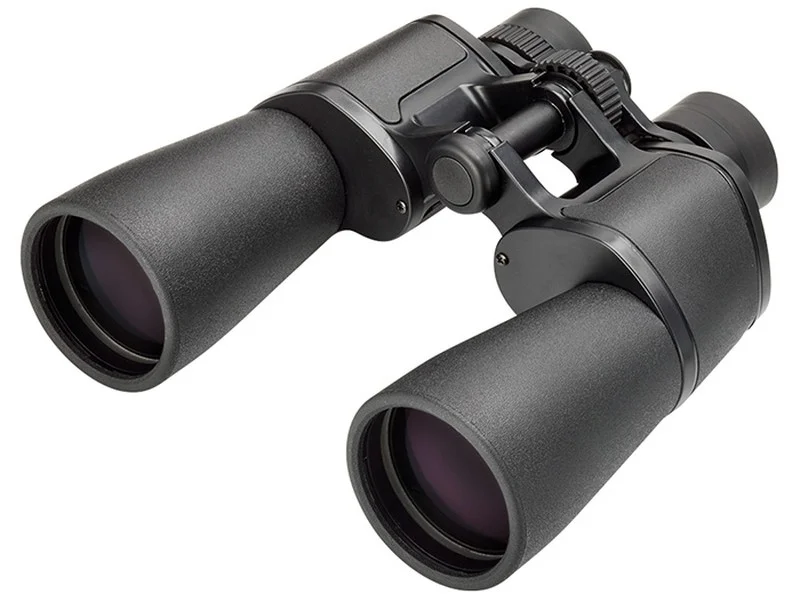
Light enough to track a satellite as it drifts across the sky, with enough aperture for star clusters and the moons of Jupiter. A great first pair.
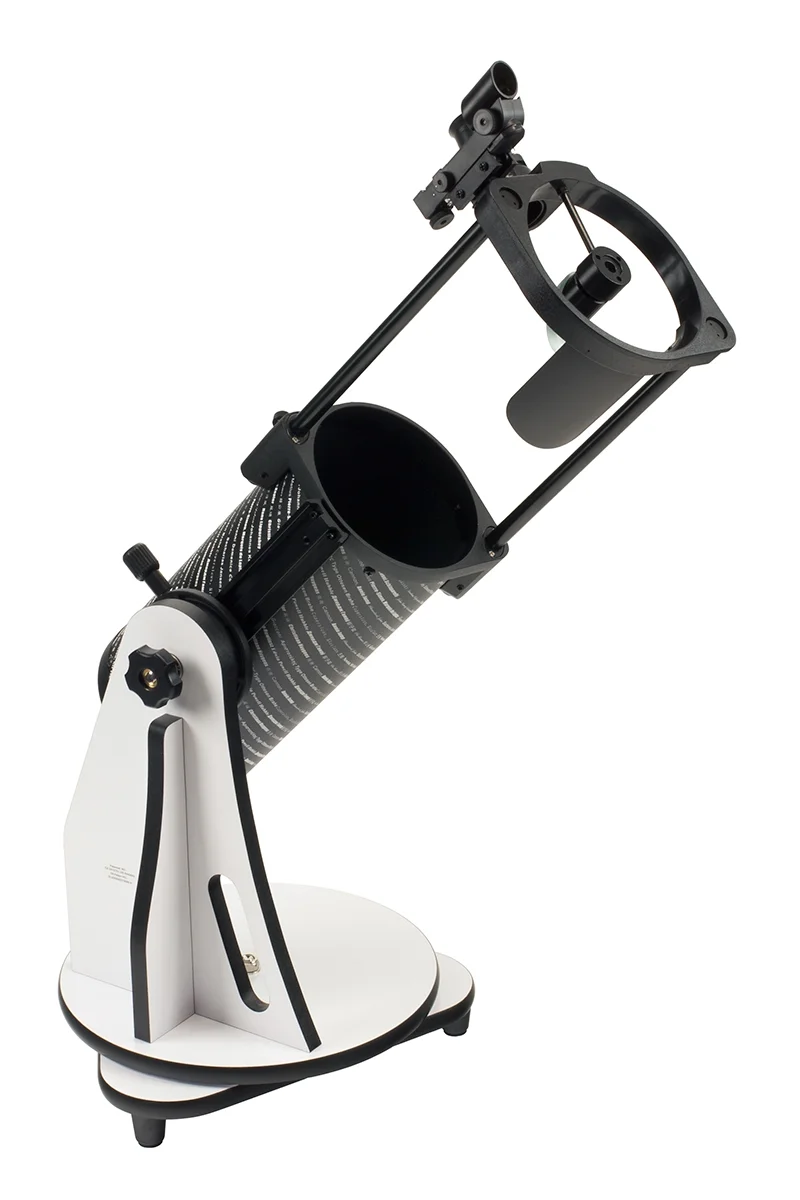
A brilliant beginner scope. The 130mm mirror shows you the Moon's craters, Jupiter's moons, and the kind of distant galaxies where the gamma-ray bursts Swift hunts are born.
Affiliate links: you pay the same price, we earn a small commission that helps keep WatchTheStars free.
What Was Meant to Happen After Launch: The Rescue Timeline
A clean launch on 2 July was only to be the opening move. Here's roughly how the rest of the plan was meant to play out.
First, LINK was to separate from the Pegasus and check itself out in orbit. Then would come the chase: over days to weeks, it would fine-tune its orbit to creep up on Swift, hundreds of kilometres up. The capture attempt would follow, slow and careful, with the three arms taking hold of a telescope that was never built to be held.
Then the long push. LINK's electric thrusters are gentle by design, so raising Swift's orbit would take about six weeks of steady nudging. The goal was to walk the telescope back up towards the 600km it started from, where the air is thin enough to leave it alone for years. If all went well, Swift should have been safely parked by the end of the summer, free to get back to its day job of catching the biggest explosions in the universe.
The plan did not get that far. NASA and Katalyst called off the rescue on 19 August 2026 after LINK's pointing problems proved unfixable.
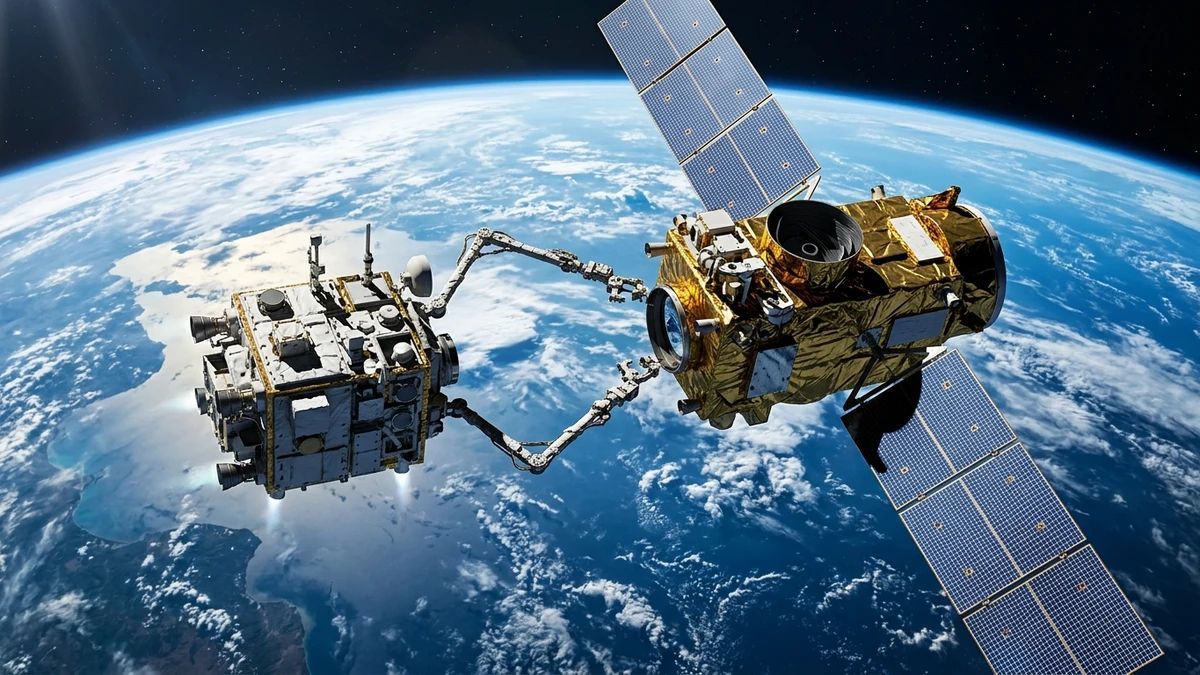
We planned to cover the capture attempt when it came. The job on 2 July was simpler: get off the plane, light the motor, reach orbit.
Why the Swift Rescue Mission Matters
It would be easy to file this under "nice story about an old telescope", but the stakes were bigger than Swift.
Normally, when a satellite runs out of altitude or luck, that's the end. It becomes junk, and low Earth orbit already has far too much of that. A proven, cheap way to fly up and grab a spacecraft that was never designed to be grabbed changes the maths for every satellite up there. Rescue instead of write-off. Repair instead of replace. The same arms that were meant to catch Swift could one day drag dead satellites out of harm's way.
And the price tag matters as much as the robot. The whole mission, launch included, was to cost NASA about $30 million, built by a small company in under a year. If it had worked, it would have been a glimpse of a faster, cheaper way of doing business in orbit.
So spare a thought for the ageing airliner over the Pacific at 10:09am UK time on 2 July, carrying the last of an old breed of rocket and a fridge-sized robot on its way to catch a falling telescope. Space doesn't do many rescue stories. That morning we hoped for one.
Sources:
- Weather Delays Launch of Mission to Boost NASA's Swift · NASA
- NASA to launch rescue mission July 2 to save Swift space telescope from burning up in Earth's atmosphere · Space.com
- Pegasus XL set to air launch Swift Boost Mission to save NASA space telescope · NASASpaceFlight
- NASA races to save aging Swift telescope from falling back to Earth with daring rescue mission · PBS News
- Swift Boost Mission · NASA
Frequently Asked Questions
Equipment guides
Related topics

Ian ClaytonAmateur astronomer and founder of WatchTheStars.co.uk, dedicated to helping others explore the wonders of our universe. Full profile →