Key takeaways
- NASA announced on 4 August 2026 that engineers had freed up power on Voyager 2 using a procedure nicknamed the 'Big Bang'
- The team switched off several powered devices and swapped in lower-power alternatives at the same moment, while keeping the spacecraft warm enough to survive
- Without it, Voyager 2 would have lost another science instrument before the end of 2026. Instead all three keep running for at least an extra year
- Voyager 2 is about 13 billion miles (21 billion km) away. A radio signal takes roughly 19 and a half hours to reach it
- Voyager 1 gets the same treatment in the coming months, and at least one instrument on one or both probes could survive into the 2030s
Jump to section 7 sections
- Voyager 2's 'Big Bang': What NASA Actually Did
- Why Is Voyager 2 Running Out of Power?
- Which Instruments Does Voyager 2 Still Have?
- How Far Away Is Voyager 2 in 2026?
- Voyager 2 Is Still the Only Spacecraft to Visit Uranus and Neptune
- Voyager 1 Is Next, and a One Light-Day Milestone
- How Long Will the Voyagers Keep Going?
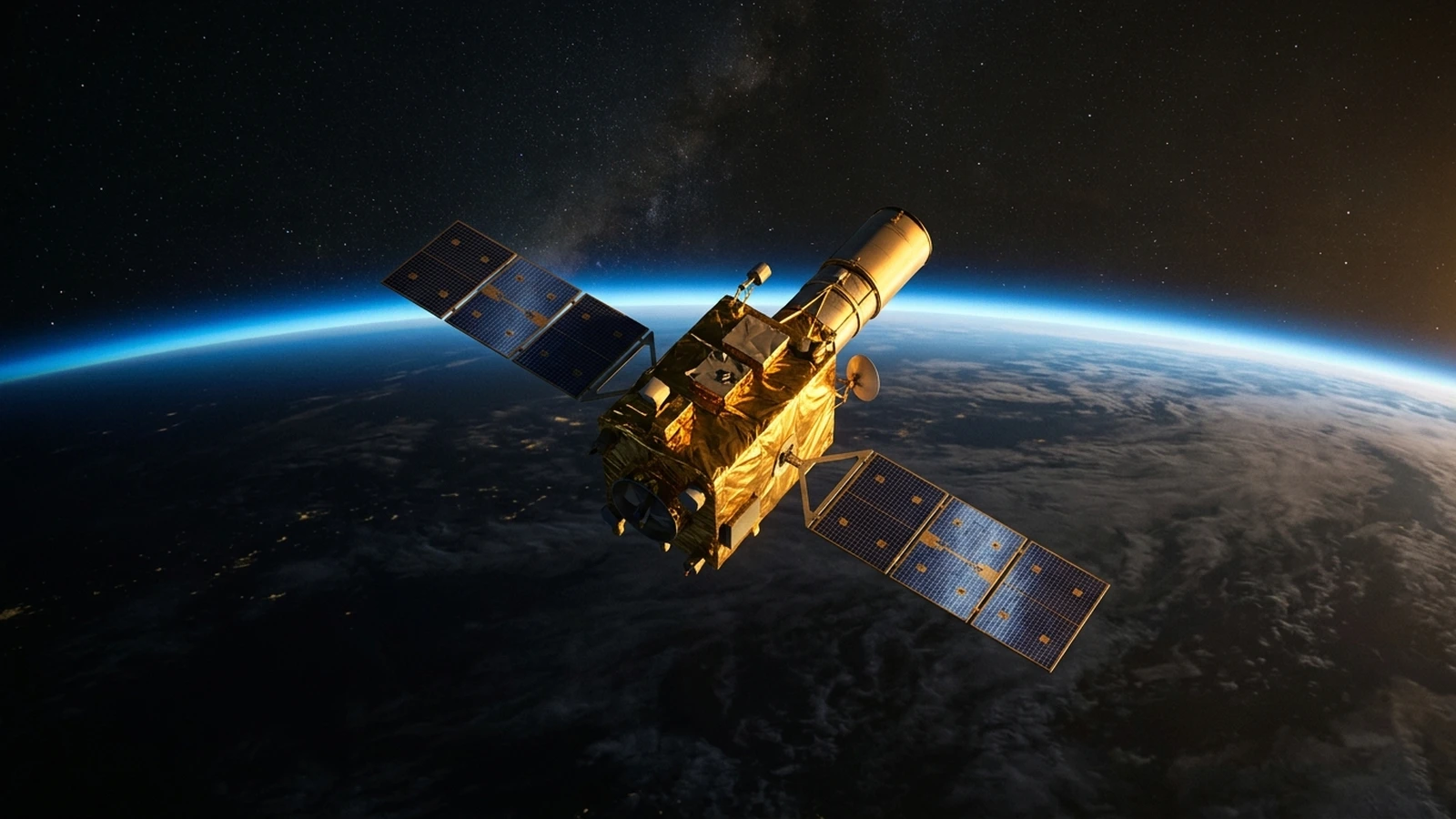
Voyager 2 has been flying for nearly 49 years, and it is running out of electricity. Later this year it was due to lose another one of its science instruments, switched off for good to save power. Then a team at NASA's Jet Propulsion Laboratory tried something they nicknamed the "Big Bang", and the instrument got a reprieve.
NASA announced the result on 4 August 2026. The short version: Voyager 2 keeps all three of its working instruments for at least another year, and the same trick will be tried on Voyager 1 within months.
Voyager 2's 'Big Bang': What NASA Actually Did
The Big Bang involved switching off several powered devices aboard the spacecraft and swapping in lower-power alternatives to do the same jobs. The catch was that it all had to happen at once, and the spacecraft had to stay warm enough to keep functioning throughout.
That last part matters more than it sounds. Voyager 2 sits in interstellar space where there is almost nothing to warm it. A lot of the heat keeping its fuel lines and electronics above their survival limits is waste heat from the equipment itself. Turn too much off at once and you save power by freezing the spacecraft to death.
So the team had to model which devices they could drop, what would replace them, and how much heat would go missing, then send the whole sequence as one command and wait. At Voyager 2's distance a command takes about 19 and a half hours to arrive, and any reply takes just as long coming back. There is no way to watch it happen and step in.
It worked. NASA says the savings will keep Voyager 2's three instruments running for at least an extra year.

Why Is Voyager 2 Running Out of Power?
Voyager 2 does not have solar panels. Out past Jupiter, sunlight is far too weak to be useful, so both Voyagers carry three radioisotope thermoelectric generators instead. These convert the heat from decaying plutonium-238 into electricity.
At launch in 1977 the generators supplied about 470 watts at 30 volts, which is roughly what a food mixer draws. Plutonium-238 has a half-life of 87.74 years, so the heat source fades steadily. Each probe loses around 4 watts a year, and by now they are down to about two thirds of the power they started with.
Four watts does not sound like much. But when the margin between what you generate and what you need has shrunk to almost nothing, four watts a year is the whole problem. Since 2024 the mission has been shutting down non-essential systems and, when that ran out of road, science instruments.
Each Voyager launched with ten instruments. Several were switched off decades ago because they only had a job during the planetary flybys, such as the cameras. Two more on each spacecraft have gone since 2024 purely to save power. Voyager 2's plasma science instrument went first, which stung less than it might have because it was built to study the solar wind and the probe left the Sun's influence back in 2018.
Which Instruments Does Voyager 2 Still Have?
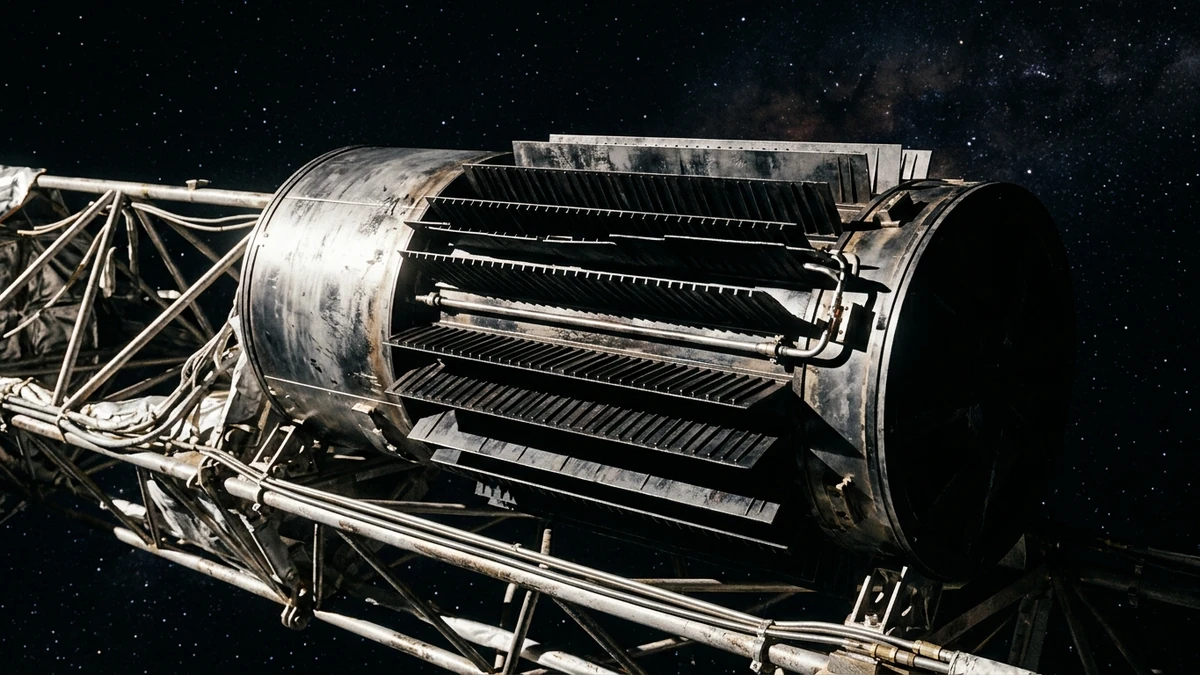
Three, and they are all pointed at the same question: what is the space between the stars actually like?
- Magnetometer (MAG) measures the interstellar magnetic field directly. Nothing else humanity owns is out there to do this.
- Plasma wave subsystem (PWS) picks up electromagnetic waves in the thin ionised gas around the spacecraft, which reveals how dense that gas is and how it behaves.
- Cosmic ray subsystem (CRS) counts high-energy particles arriving from the galaxy and from the Sun.
The cosmic ray subsystem was the one on the chopping block. It had been pencilled in for shutdown before the end of 2026, and the Big Bang is what saved it.
You can see the logic in what NASA has chosen to keep. The fields and particles instruments are the ones still returning genuinely new information, because no spacecraft has ever been where Voyager 2 is now. Everything measured out there is a first.
How Far Away Is Voyager 2 in 2026?
Voyager 2 is roughly 13 billion miles from Earth, or about 21 billion kilometres. In the units astronomers prefer, that is around 142 astronomical units, where one unit is the distance from the Earth to the Sun.
Some numbers that help make that concrete:
| Voyager 2 | |
|---|---|
| Launched | 20 August 1977 |
| Distance from Earth | ~13 billion miles (21 billion km) |
| Distance in AU | ~142 |
| One-way signal time | ~19.5 hours |
| Entered interstellar space | November 2018 |
| Working instruments | 3 of 10 |
The signal time is the detail that tends to stop people. Ask Voyager 2 a question and the answer arrives about 39 hours later. The spacecraft is being flown by people who will not know whether a command worked until the following day but one.
And the signal reaching Earth is faint beyond any reasonable description. It is picked up by the Deep Space Network's 70-metre dishes, and by the time it arrives the power involved is a fraction of a billionth of a billionth of a watt.
Voyager 2 Is Still the Only Spacecraft to Visit Uranus and Neptune
Here is the thing that makes Voyager 2 worth caring about beyond the engineering.
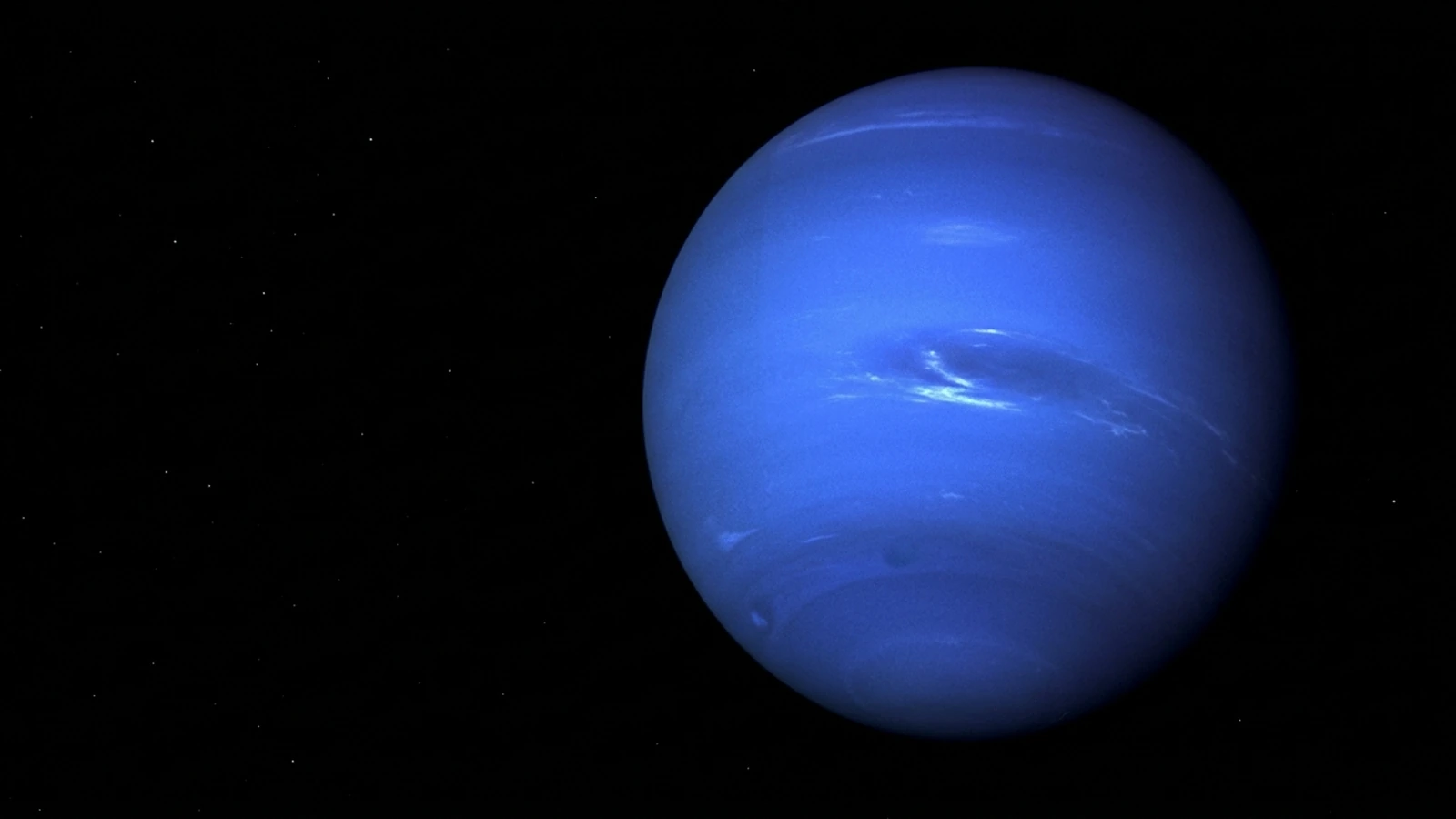
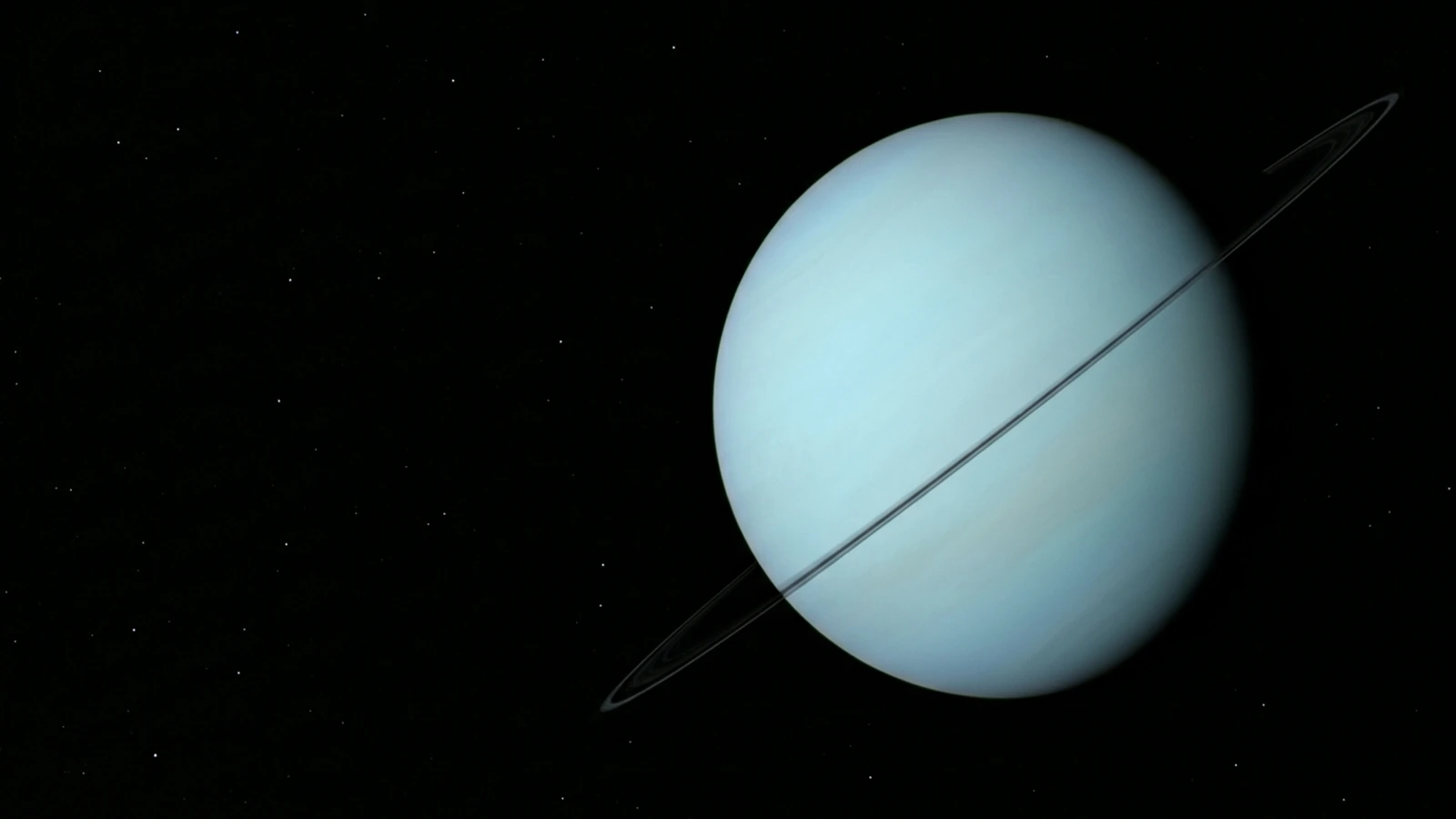
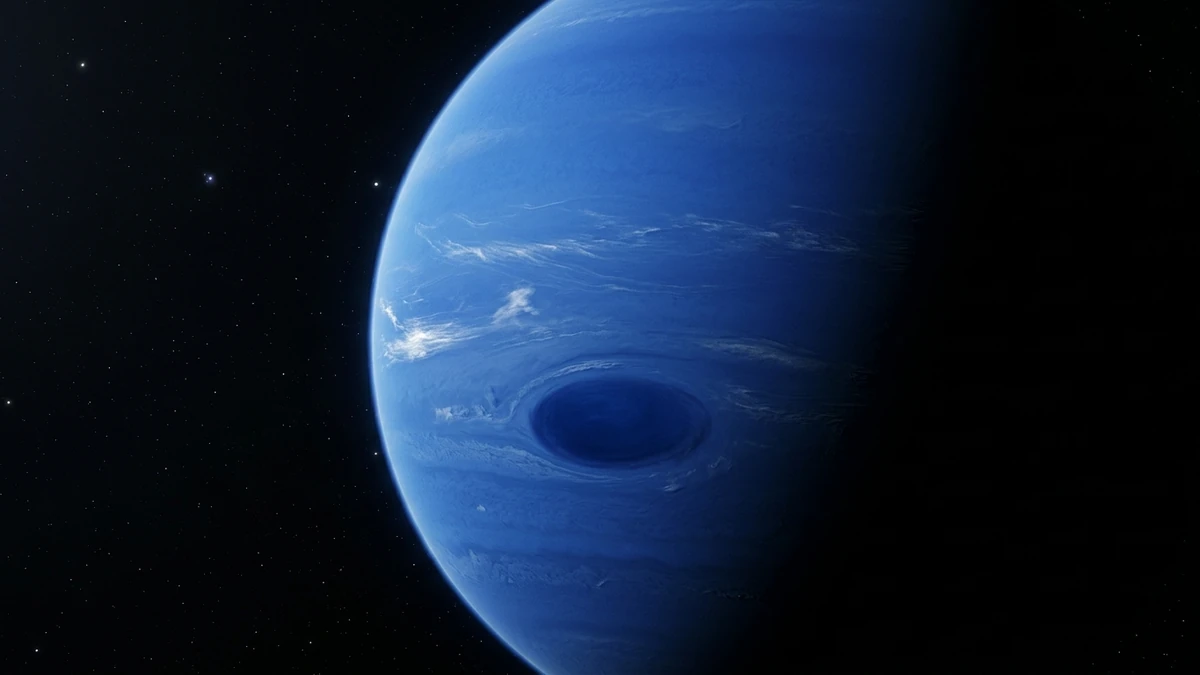
Voyager 2 flew past Uranus in January 1986 and Neptune in August 1989. Nearly four decades later, no other spacecraft has been to either planet. Every photograph you have ever seen of Neptune's blue disc and its white cloud streaks came from this one probe, on one afternoon, at a range it could never repeat.
Missions to the ice giants have been proposed repeatedly and none has flown. The journey takes over a decade, the budgets are enormous, and the launch windows are unforgiving. So the spacecraft NASA is currently keeping alive with power-saving tricks is also, still, our only close-up source on two of the eight planets.
That is why the mission team fights this hard for four watts.
See the two planets only Voyager 2 has ever visited
Kit we've tested and reviewed in full
Nobody can see Voyager 2 itself. But Uranus and Neptune are both within reach from a UK back garden, and they have had exactly one visitor in the whole of human history. Neptune reaches opposition in September and Uranus in November, so the good months are coming up. Here is what you need to find them.
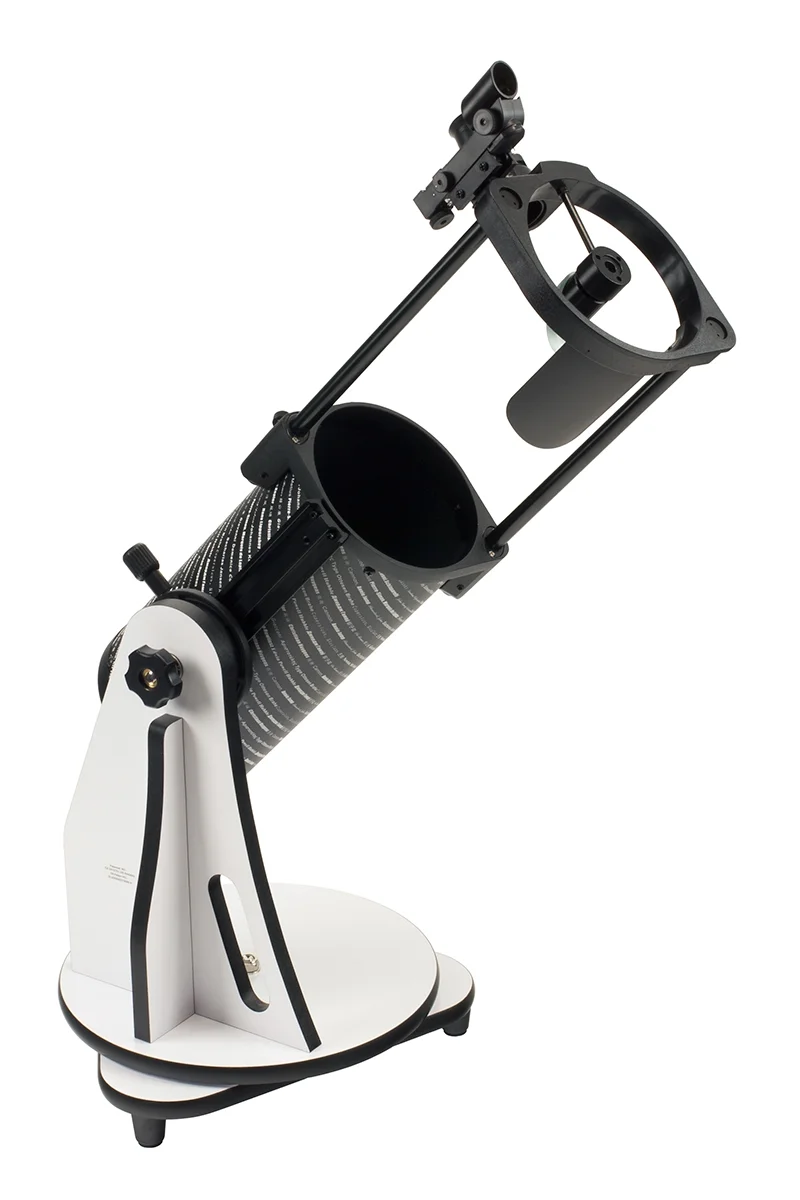
130mm is enough to show Uranus as a small blue-green disc rather than a point, and to pick Neptune out of the background stars. It is the cheapest scope that makes both planets feel real.
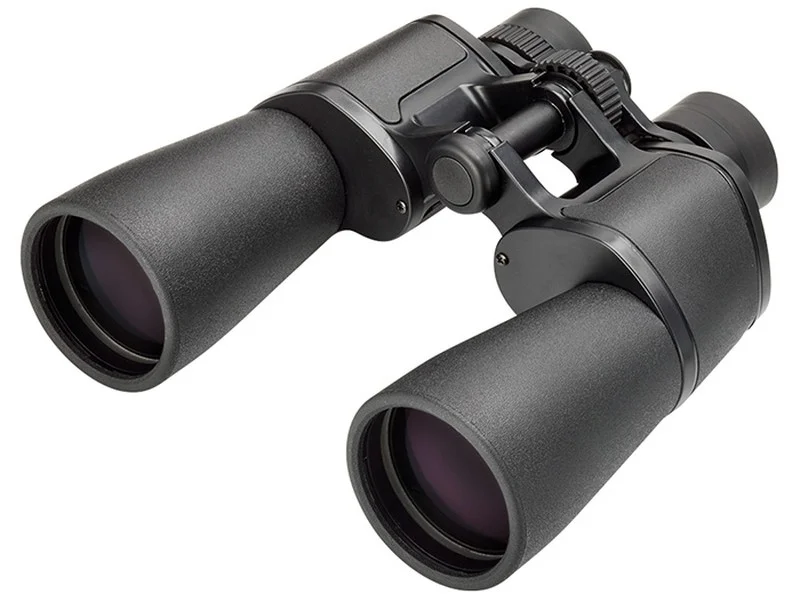
Uranus reaches magnitude 5.6 at opposition, which is comfortably within binocular range if you know exactly where to look. Good for learning the star field before you point a telescope at it.
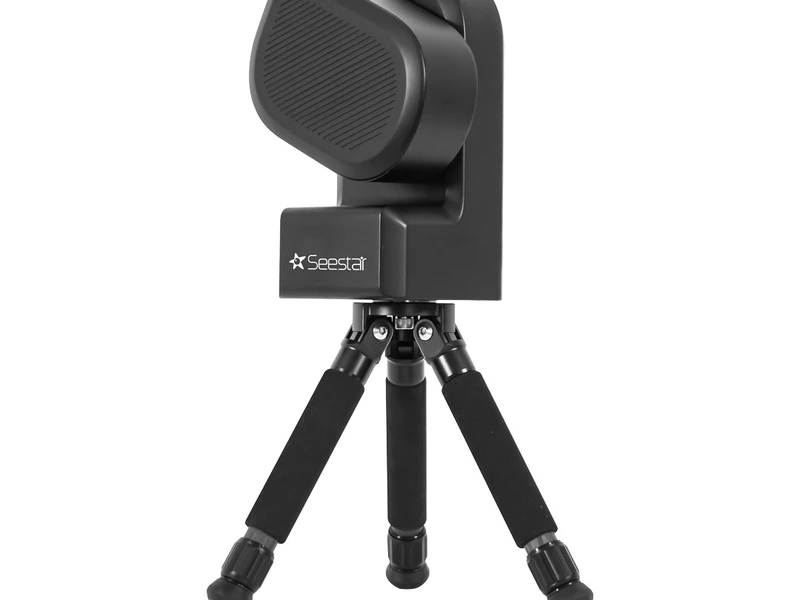
A smart telescope will find and stack both ice giants for you, which is the easiest way to get a picture of the planets Voyager 2 photographed in 1986 and 1989.
Affiliate links: you pay the same price, we earn a small commission that helps keep WatchTheStars free.
Voyager 1 Is Next, and a One Light-Day Milestone
The team plans to run the same swap on Voyager 1 in the coming months. Voyager 1 is further out and slightly further along the same power curve, so it stands to benefit just as much.
Voyager 1 also has a milestone coming. On 18 November 2026 it will be exactly one light-day from Earth, a distance of 16,094,799,096 miles. That is the point where a radio signal takes a full 24 hours to reach it.
It is an arbitrary marker in one sense, since nothing changes about the spacecraft when it crosses that line. But it is a good one for getting your head round the scale. Light crosses the gap between here and the Moon in a bit over a second. It takes eight minutes to reach us from the Sun. Voyager 1 is now a full day out, and it has been travelling since Jimmy Carter was in his first year in office.
How Long Will the Voyagers Keep Going?
NASA's current expectation is that at least one instrument on one or both probes could still be working into the 2030s. That is better than the picture looked a couple of years ago, and the Big Bang is part of the reason.
What happens after that is less cheerful but worth being honest about. The power keeps falling by about 4 watts a year and there is no way to add more. Instruments will go one at a time until none are left. The transmitter will outlast the science for a while, so there will be a period where Voyager still says hello without having anything to report. Then that will stop too, and both spacecraft will carry on exactly as they are, silent, for millions of years.
They are not heading anywhere in particular. Voyager 2 will pass within about 1.7 light years of the star Ross 248 in roughly 40,000 years, which counts as a close encounter only by interstellar standards.
In the meantime there is a small team in Pasadena keeping a 1977 spacecraft alive by finding four watts here and four watts there, sending instructions into the dark and waiting nearly two days to find out whether they worked. The Big Bang bought a year. They will go looking for the next one.
If you want more on the outer solar system, we have a guide to finding Neptune in 2026, one on Uranus at opposition, and the strange story of a tiny world beyond Neptune with an atmosphere it should not have.
Sources:
- NASA Engineers Help Prolong Voyager 2's Science Mission · NASA Science, 4 August 2026
- NASA Engineers Help Prolong Voyager 2's Science Mission · NASA Jet Propulsion Laboratory
- NASA successfully gives Voyager 2 another year of life · Popular Science, 7 August 2026
- Voyager 2 mission page · NASA Science
- Voyager 2 cheats the power budget for another year · The Register
Frequently Asked Questions
Equipment guides
Related topics

Ian ClaytonAmateur astronomer and founder of WatchTheStars.co.uk, dedicated to helping others explore the wonders of our universe. Full profile →