Key takeaways
- Around 22 July 2026, Trump directed the Department of War and the intelligence community to waive prior NDAs for former officials and contractors with UAP knowledge
- Witnesses can come forward to AARO or the president's PURSUE task force, and any applicable non-disclosure agreement can be lifted during those authorised talks
- This is not a declassification order: it removes a legal barrier to talking, it does not release any files or make anything public
- It answers a long-running whistleblower complaint that NDAs kept firsthand witnesses silent, and it lands alongside a push in Congress for legal immunity
- Whether it produces anything new depends entirely on whether witnesses with real information actually exist and choose to come forward
Jump to section 6 sections
Every few weeks now, the UAP story takes another step. This one is procedural rather than dramatic, but it could matter more than most. Around 22 July 2026, President Trump directed federal agencies to waive the non-disclosure agreements that have kept some former officials from talking about Unidentified Anomalous Phenomena.
No files were released. No footage dropped. But if you've followed the disclosure story, you'll know that the single most common complaint from whistleblowers has been the same for years: they say they can't speak because they're bound by NDAs. This directive goes straight at that. Here's what it actually does, what it doesn't, and where it fits.
What Trump's UAP NDA Order Actually Says
According to multiple reports around 22 July 2026, Trump directed the Department of War, the renamed Pentagon, and the wider intelligence community to allow former government employees and contractors with relevant UAP information to come forward and have their prior non-disclosure agreements waived.
The mechanism is narrow and specific. A former official or contractor who believes they hold relevant information would meet designated government representatives who hold the appropriate security clearances. During those authorised discussions, any applicable NDA could be set aside so the person can speak freely to investigators. That's the whole of it: a route for people who feel legally gagged to talk to the right officials without fear of breaching an agreement they signed.
The administration was candid that it doesn't yet know whether these potential witnesses actually hold anything significant. The stated aim is to remove the perceived legal barrier first, then find out. In other words, it's a fishing licence, not a catch.
How the NDA Waiver Works: AARO and PURSUE
Two bodies sit at the centre of this. The first is AARO, the All-domain Anomaly Resolution Office, the Pentagon office set up to investigate UAP reports from the military and intelligence world. The second is PURSUE, short for the Presidential Unsealing and Reporting System for UAP Encounters. It's the task force that has been publishing the rolling batches of declassified UFO files through 2026.
Under the directive, a former employee or contractor takes their information to designated, security-cleared officials at one of those two bodies. Because those officials are cleared to receive classified material, the conversation can happen at the right level, and the person's NDA is waived for that authorised discussion. It keeps everything inside the system: sensitive information doesn't spill into the open, but it can finally reach investigators who are allowed to hear it.
If you've been following the rolling PURSUE file releases, this is the same machinery, approached from the other end. The file releases push existing records outward. This directive is meant to pull firsthand testimony inward.
What It Does Not Do: This Is Not Declassification
This is the part that's easy to get wrong, and some of the louder coverage has blurred it. Officials were clear that the move is not a declassification directive. It does not release a single document. It does not put any footage online. It does not make anything public.
All it does is remove one specific legal obstacle: the NDA that a former official signed. If that person then wants to share what they know, they still do it through official, classified channels, and any onward release of that information would still have to go through the normal declassification review. Nothing here shortcuts that process.
So if you saw a headline suggesting the government has just "opened the vault", it hasn't. What's changed is smaller and more human: a set of people who felt they legally couldn't talk now have a sanctioned way to do so. Whether that produces anything is a separate question entirely.
Want to scan the skies yourself?
Kit we've tested and reviewed in full
Government paperwork is one thing, but plenty of people get into this by watching the sky themselves. Most strange lights turn out to be satellites, planets or aircraft, and a decent pair of binoculars sorts the ordinary from the genuinely odd in seconds. Here's what we'd start with.
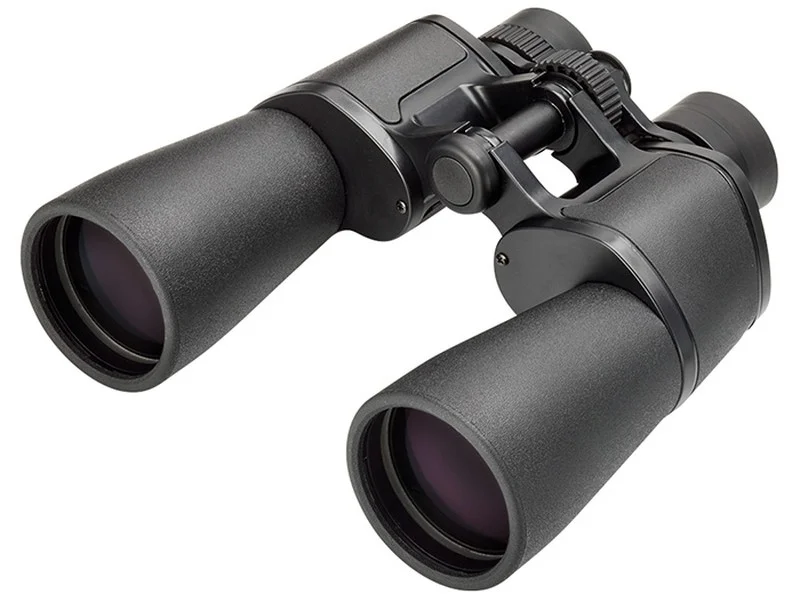
A wide field and 50mm lenses let you sweep a patch of sky quickly, so a mystery light resolves into a satellite, a star or a planet before it's gone. Light enough to hand-hold, and the pair we point most UK beginners to first.
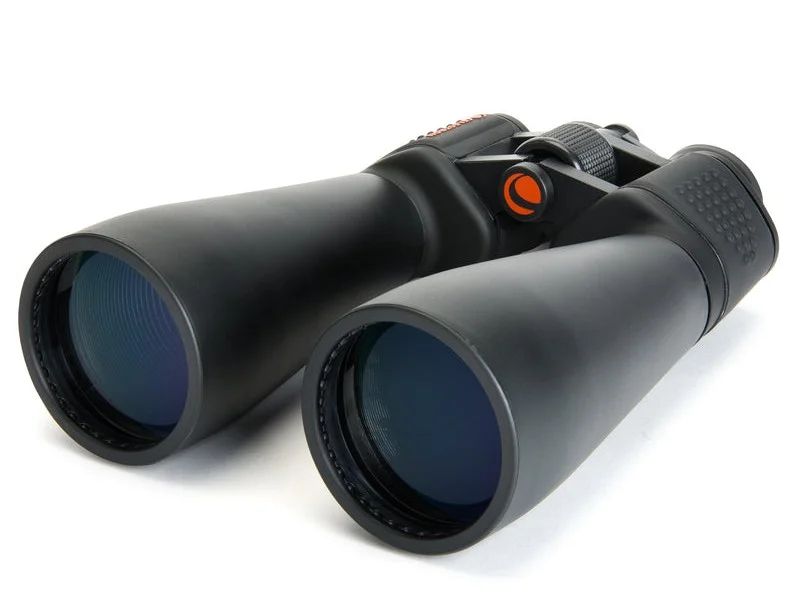
15× magnification pulls a distant light much closer and the 70mm lenses gather enough light for faint objects. You'll want a tripod at this power, but it's the pick for anything low on the horizon.
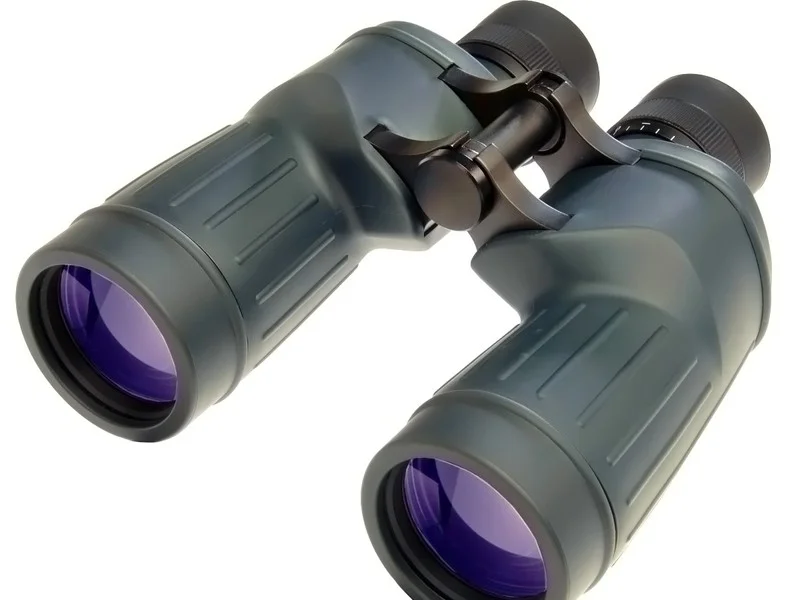
A step up in contrast and edge sharpness, so points of light stay clean and tight rather than smearing. The one to buy if you want a single pair to last years.
Affiliate links: you pay the same price, we earn a small commission that helps keep WatchTheStars free.
Why NDAs Have Been the Sticking Point
To see why this matters, you have to understand how often NDAs have come up. Across the congressional hearings of the last couple of years, the same wall keeps appearing. Witnesses say they know things but can't share them. Lawmakers say they can't get answers because the people with knowledge are bound to silence. The demand for a secure facility before the next whistleblower testifies was rooted in exactly this problem: how do you let someone speak about classified material without them breaking the law?
David Grusch, the former intelligence officer whose 2023 testimony reignited the whole modern disclosure debate, built much of his case around information he said he couldn't fully discuss in public. When he named names and programmes at a Capitol press conference, the limits of what he was allowed to say were part of the story. NDAs, security agreements and classification have been the recurring brake on the entire subject.
That's what makes a waiver more than a footnote. It doesn't prove anyone has anything. But it removes the standard reason given for staying quiet. If witnesses still don't come forward now, that silence starts to mean something different.
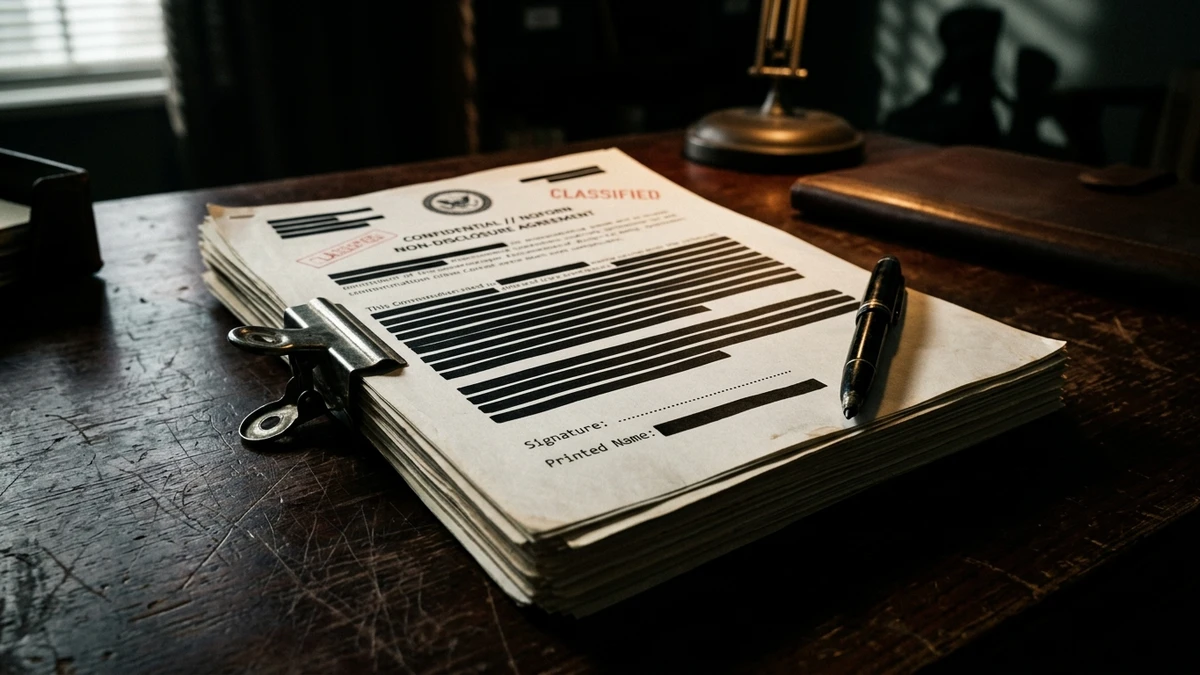
How It Fits the Wider Disclosure Push
The directive doesn't stand alone. It's the latest piece of a broad, and unusually bipartisan, push on UAP transparency that has built through 2026.
On one side there's the executive branch: the PURSUE file releases, the UAP governance board with Avi Loeb involved, and now this NDA waiver. On the other side there's Congress, where the Senate has been subpoenaing defence contractors for legacy UAP records and lawmakers have talked openly about granting legal immunity to witnesses who come forward about recovered technology. The proposed UAP Disclosure Act, with whistleblower protections built in, has been floated for revival.
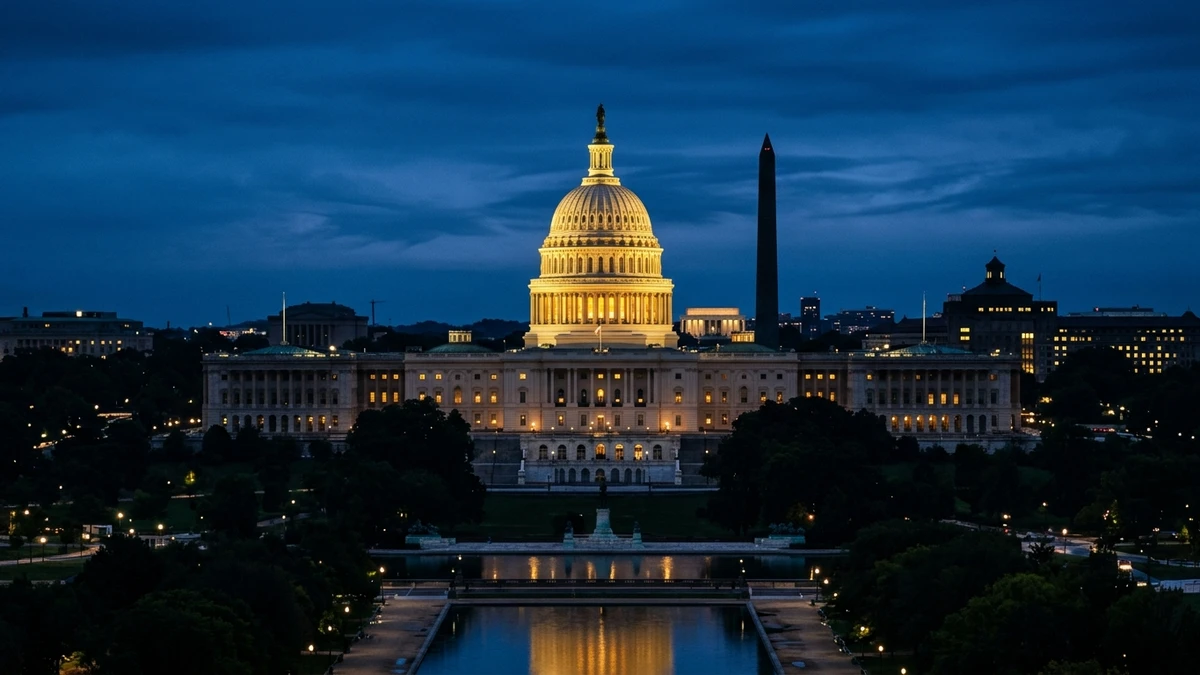
An NDA waiver and a grant of immunity are aimed at the same target from two directions. One removes the contractual gag; the other removes the fear of prosecution. Together they're trying to solve the witness problem that has stalled this subject for years. Whether the machinery produces real testimony or just more process is the open question, but the direction of travel is consistent.
For readers here in Britain, it's worth remembering this is entirely a US process. There's no UK equivalent of AARO or PURSUE, and the Ministry of Defence closed its own UFO desk back in 2009. We covered what all this American activity means from a UK perspective: in short, we're spectators to a story playing out across the Atlantic.
What Happens Next
The honest answer is that we wait. The directive sets up a channel; it can't fill it. Its whole value depends on something no one can yet confirm: whether people with genuine, previously locked-away knowledge actually exist, and whether they'll now use the door that's been opened.
There are two ways this goes. In the optimistic version, one or more credible former officials come forward, investigators find something worth pursuing, and it feeds into the file releases or a future hearing. In the flat version, the waiver is used quietly by a handful of people, nothing substantial emerges, and it becomes another procedural step in a story that keeps promising more than it delivers.
Either way, it removes one of the last easy excuses. For years the line has been "I'd tell you, but I can't." That line just got harder to use. Keep an eye on the next PURSUE release and the next round of congressional hearings: that's where any real result would show up first. For the full run of the story, our UAP research hub tracks each development as it lands.
Sources:
- Long-hidden UFO information at center of Trump push to free former officials · Fox News
- Trump Orders UFO Whistleblowers Released From NDAs · IBTimes UK
- Trump directs agencies to waive NDAs for former employees involved in UFO investigations · Just The News
- Trump Directs Agencies to Lift UAP NDAs · USA Herald
Frequently Asked Questions
Equipment guides
Related topics
Ian ClaytonAmateur astronomer and founder of WatchTheStars.co.uk, dedicated to helping others explore the wonders of our universe. Full profile →