Key takeaways
- New 3D simulations from ETH Zurich suggest Venus's giant rift valleys are still active, growing at 3 to 10 centimetres a year
- The study, published in Nature Geoscience in July 2026, is the first to model Venus's rifts in high-resolution 3D
- Young rifts have high, broad flanks; the same shapes appear in real Magellan radar images of rifts like Dali Chasma
- The results point to a warm, dynamic interior. Venus is not the dead planet scientists long assumed
- Venus is blazing in the UK evening sky right now, reaching its best of the year on 14–15 August
Jump to section 7 sections
For decades, Venus has been written off as a dead planet. Same size as Earth, made of the same stuff, but geologically finished: no drifting continents, no fresh mountain ranges, nothing moving under that thick orange sky.
A new study says we had it wrong. Venus isn't dead. It's tearing itself apart, slowly, right now.
Is Venus Geologically Active?
Very likely, yes, and this is the strongest evidence yet. Researchers at ETH Zurich have shown that the enormous rift valleys scarring Venus's surface are probably still growing today, at 3 to 10 centimetres a year. The study was published in Nature Geoscience in late July 2026.
The team, led by Professor of Geodynamics Taras Gerya, built the first computer model able to simulate Venus's rifts in high-resolution 3D. The lead author, Xi Yang, did the work as part of his Master's degree. Not a bad dissertation: he may have helped prove a planet is alive.
"The results help us to better assess the tectonic activity on Venus," says Gerya. The conclusion the team reaches is bigger than that modest quote suggests. Venus, they write, remains an active planet with a far more dynamic interior than anyone had assumed.
Venus's Rift Valleys: Canyons 10,000 km Long
A rift valley forms where a planet's crust is being pulled apart. The ground between the cracks drops, leaving a long trench with raised shoulders on either side. Earth has a famous one: the East African Rift, which is slowly splitting Africa in two.
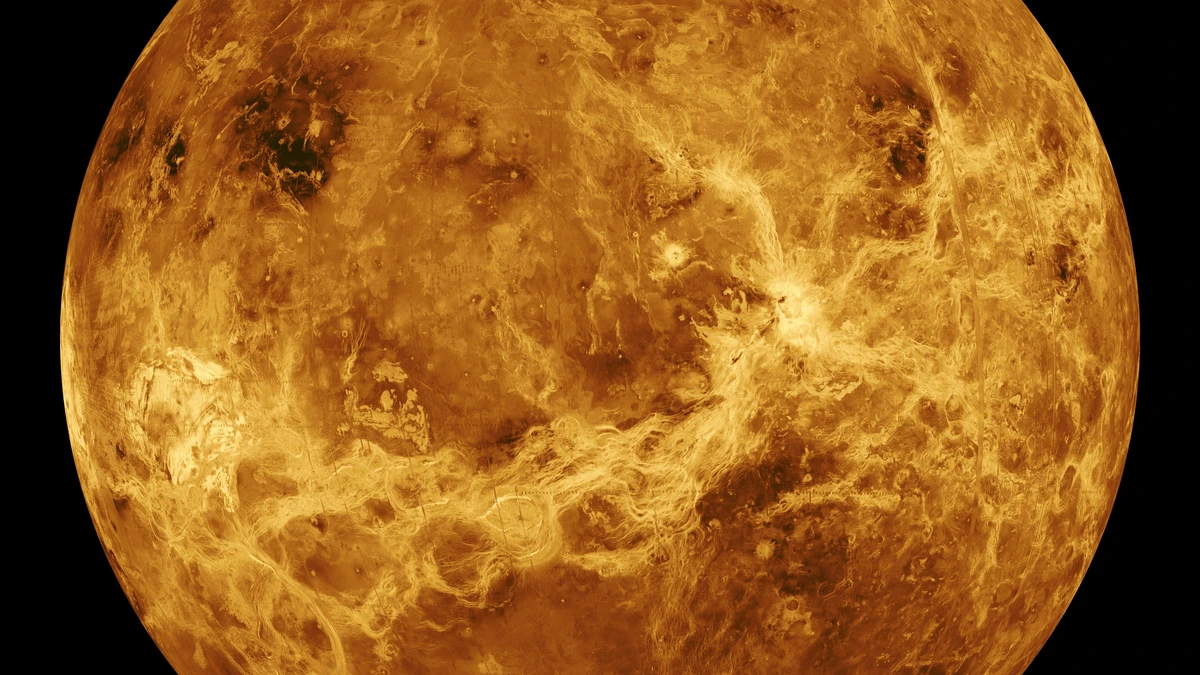
Venus has rift valleys on a different scale entirely. Some run for 10,000 kilometres, a quarter of the way around the planet. We've known about them since NASA's Magellan probe mapped Venus with radar in the early 1990s.
The question was always their age. Most geoscientists assumed the rifts formed more than 100 million years ago and had long since stopped moving. Relics, in other words. Scars on a corpse.
How the First 3D Simulations Cracked It
The problem with dating a rift on Venus is that you can't visit one. What you can do is work out what young and old rifts should look like, then compare that with the radar maps.
That's what the ETH team did. Earlier models were mostly two-dimensional with simplified physics. Yang's new model simulated rifts in full 3D for the first time, in enough detail to reproduce the real structures on Venus.
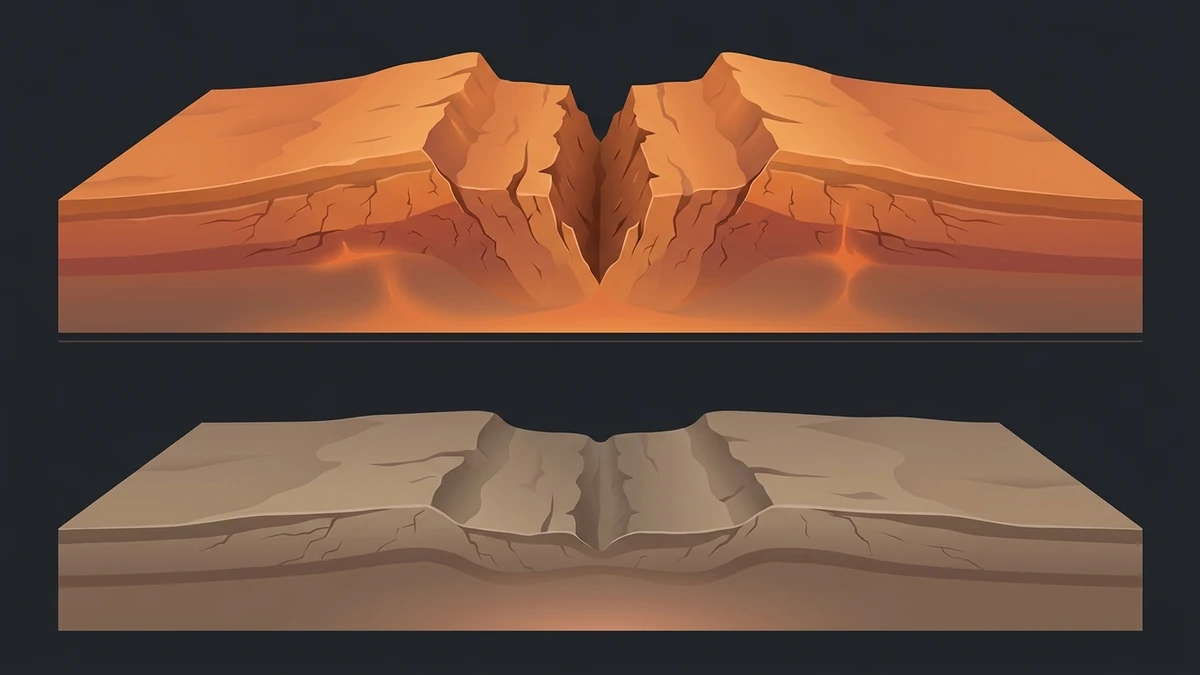
The simulations revealed a clear signature. While a rift is young and actively spreading, it builds high, broad flanks along its edges. Once movement stops, those flanks sink back down. On Earth, old mountains are worn away by wind and rain. On Venus there's almost no erosion, so the flanks subside instead, relaxing back into the crust. The older the rift, the flatter and narrower its shoulders.
Then came the comparison. The tall, wide flanks the model produced are right there in the Magellan images. The team's simulated rift at 700,000 years old is a close match for Dali Chasma, one of Venus's great canyon systems. If the flanks are still high, the rifts are young: either still moving or only recently stopped.
How Fast Is Venus Tearing Apart?
Faster than anyone expected. The simulations suggest Venus's rifts are widening at 3 to 10 centimetres a year.
For comparison, that's the pace of plate tectonics on Earth. The Atlantic Ocean opens by about 2 to 5 centimetres a year, roughly the rate your fingernails grow. Parts of Venus may be splitting apart at double that.
There's an important difference, though. Earth's crust is broken into plates that slide around the whole globe. Venus's crust is essentially one piece, a planetary shell with no plate system. What this study shows is that a one-plate planet can still stretch, tear and rip open valleys thousands of kilometres long. The heat needed to drive that has to come from a churning, dynamic interior.
That fits a picture that's been building for a few years. In 2023, re-analysis of old Magellan images caught a volcanic vent changing shape between radar passes, the first direct hint of an active volcano on Venus. Add rifts that are still spreading, and "dead planet" no longer describes Earth's twin.
What This Means for Future Venus Missions
Venus is about to get busy. NASA has the DAVINCI and VERITAS missions in development, and ESA is building EnVision, an orbiter due to launch in the early 2030s that will study the planet from core to cloud tops. Two ETH Zurich professors, including Gerya, are helping develop its instruments.
This study hands those missions a target list. If the model is right, the rifts with the highest, broadest flanks are the places where Venus is moving today: the spots to point the radar and gravity instruments first.
There's a wider prize too. Venus is the same size as Earth and sits at the inner edge of the habitable zone, yet turned out utterly different. Understanding why one twin thrived while the other broiled matters for judging the rocky exoplanets we keep finding, like the habitable-zone world LHS 1140 b. It's the same lesson as the recent discovery of giant waves stripping Mars' atmosphere: our neighbours are the test cases for every distant Earth-like planet we'll ever study.
How to See Venus From the UK This Week
Here's the good bit: the planet in this story is impossible to miss right now.
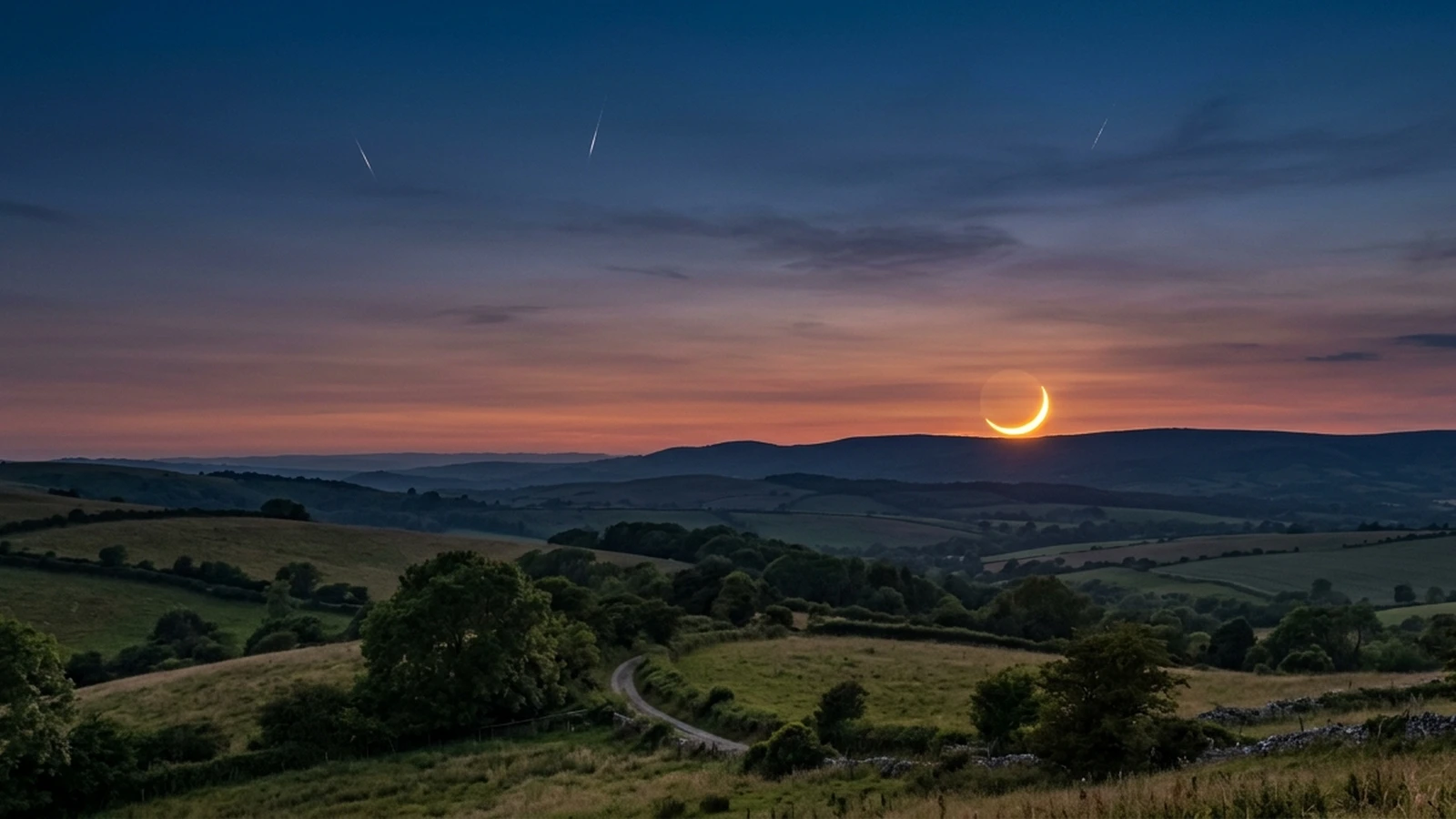
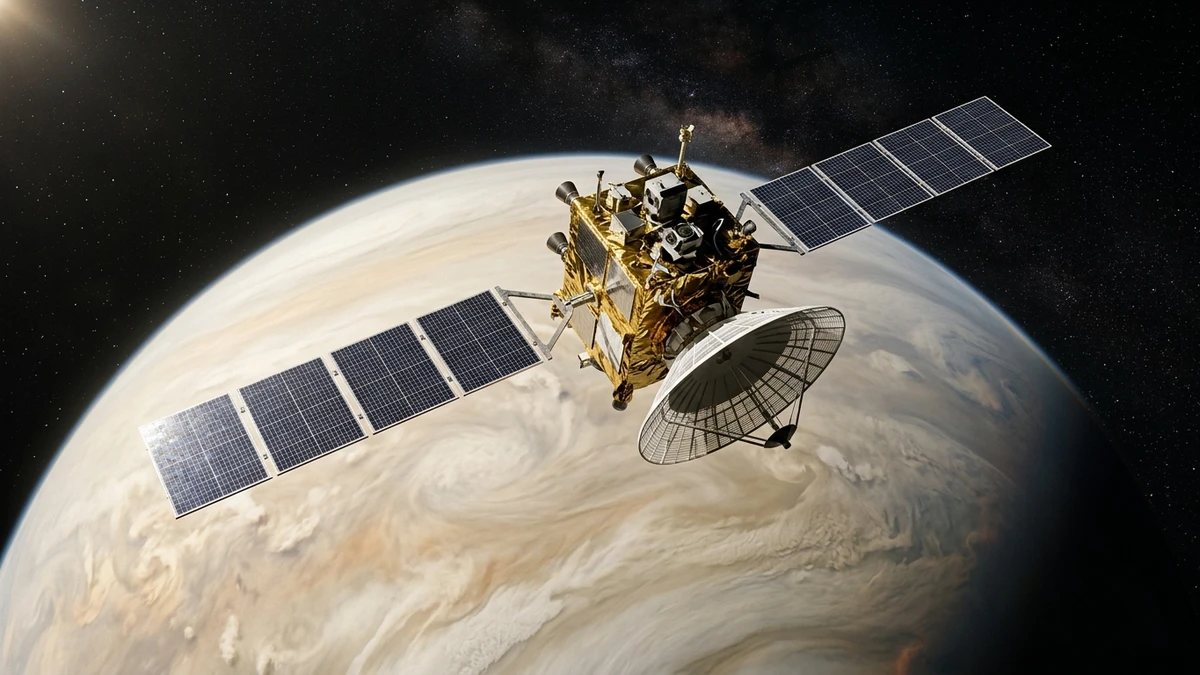
Venus is the brilliant evening star all summer, and it reaches greatest elongation on 14–15 August 2026, its furthest from the Sun and its best evening showing of the year. Look west from about half an hour after sunset. Venus is the first "star" out, blazing at around magnitude −4.3, brighter than anything else in the night sky except the Moon. No equipment needed.
If you have a telescope, even a small one, point it at Venus this week. Around elongation the planet shows a half-moon phase, lit on one side and dark on the other. It surprises everyone who sees it for the first time. And it makes a fine warm-up for the 12 August planet parade, eclipse and Perseids, the same evening sky, having quite a week.
While you're looking at that dazzling white point, remember what's happening on its surface: canyons the length of continents, still creeping open a few centimetres a year under the thickest sky in the solar system.
See the planet that's still alive
Kit we've reviewed in full
Venus is the brightest thing in the evening sky right now, and it reaches its best of the year on 14–15 August. Here's what shows it well, and our Venus 2026 guide has the full calendar.
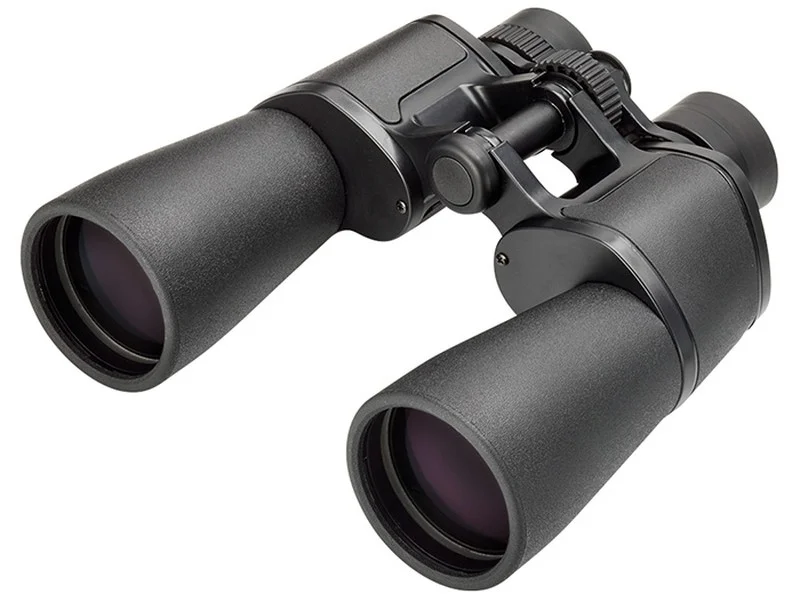
Venus needs no equipment at all, but 10x50s steady the view in bright twilight and pull it out of the glow minutes after sunset.
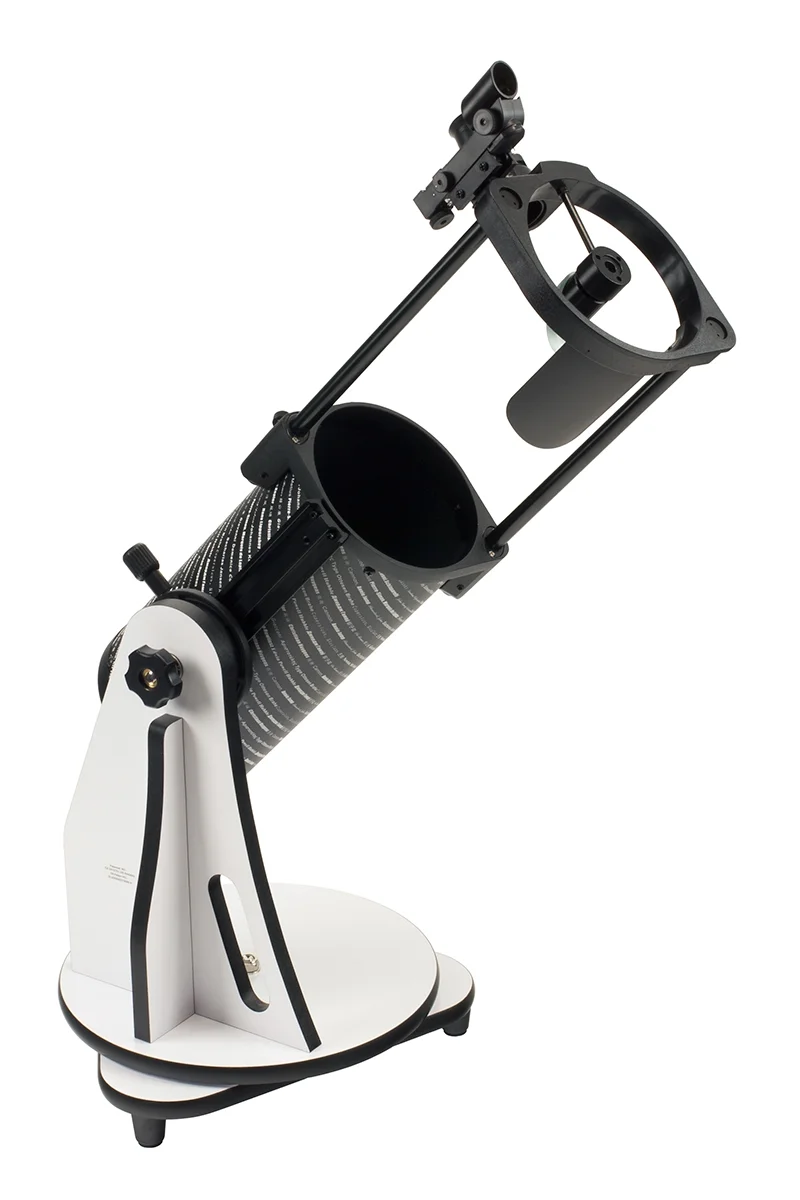
At greatest elongation Venus shows a crisp half-moon shape. This little scope shows it clearly: one of the most surprising sights in astronomy.

A smart telescope that captures Venus hanging in the sunset colours, then turns to nebulae and galaxies once darkness falls.
Affiliate links: you pay the same price, we earn a small commission that helps keep WatchTheStars free.
The Bottom Line
For most of the space age, Venus has been the cautionary tale next door: Earth's twin that died. The new ETH Zurich study rewrites that story. Its rift valleys look young, they're probably still spreading, and the interior driving them is warm and restless.
Venus isn't a dead planet with a violent past. It's an active planet we've barely begun to explore, and within a decade a small fleet of spacecraft will be there to watch it move. Until then, it's waiting for you in the west after sunset. Clear skies.
Sources:
- Recent active rifting on Venus revealed by wide rift flank uplifts · Nature Geoscience
- Venus: Dead? Far from it · ETH Zurich
- Young rift flanks suggest Venus remains tectonically active · Phys.org
- Venus Isn't Dead After All · Universe Today
Frequently Asked Questions
Equipment guides
Related topics
Ian ClaytonAmateur astronomer and founder of WatchTheStars.co.uk, dedicated to helping others explore the wonders of our universe. Full profile →