Key takeaways
- NASA astronauts Jessica Meir and Anil Menon were scheduled to spacewalk outside the ISS on 6 August 2026, starting at 1:35pm UK time
- It was US Spacewalk 96, the first of three planned for August, and was to be the first spacewalk of Anil Menon's career
- The pair were due to spend about seven hours fitting a bracket kit to the station's S6 truss, ready for a new roll-out solar array arriving later in 2026
- The upgrade is part of NASA's plan to keep the ageing station fully powered through to its retirement around 2030
- Coverage was due to run free on NASA+ and YouTube from midday UK time, and you can still spot the ISS itself with your own eyes on a clear evening
Jump to section 6 sections
ISS Spacewalk 96: What Was Planned for 6 August
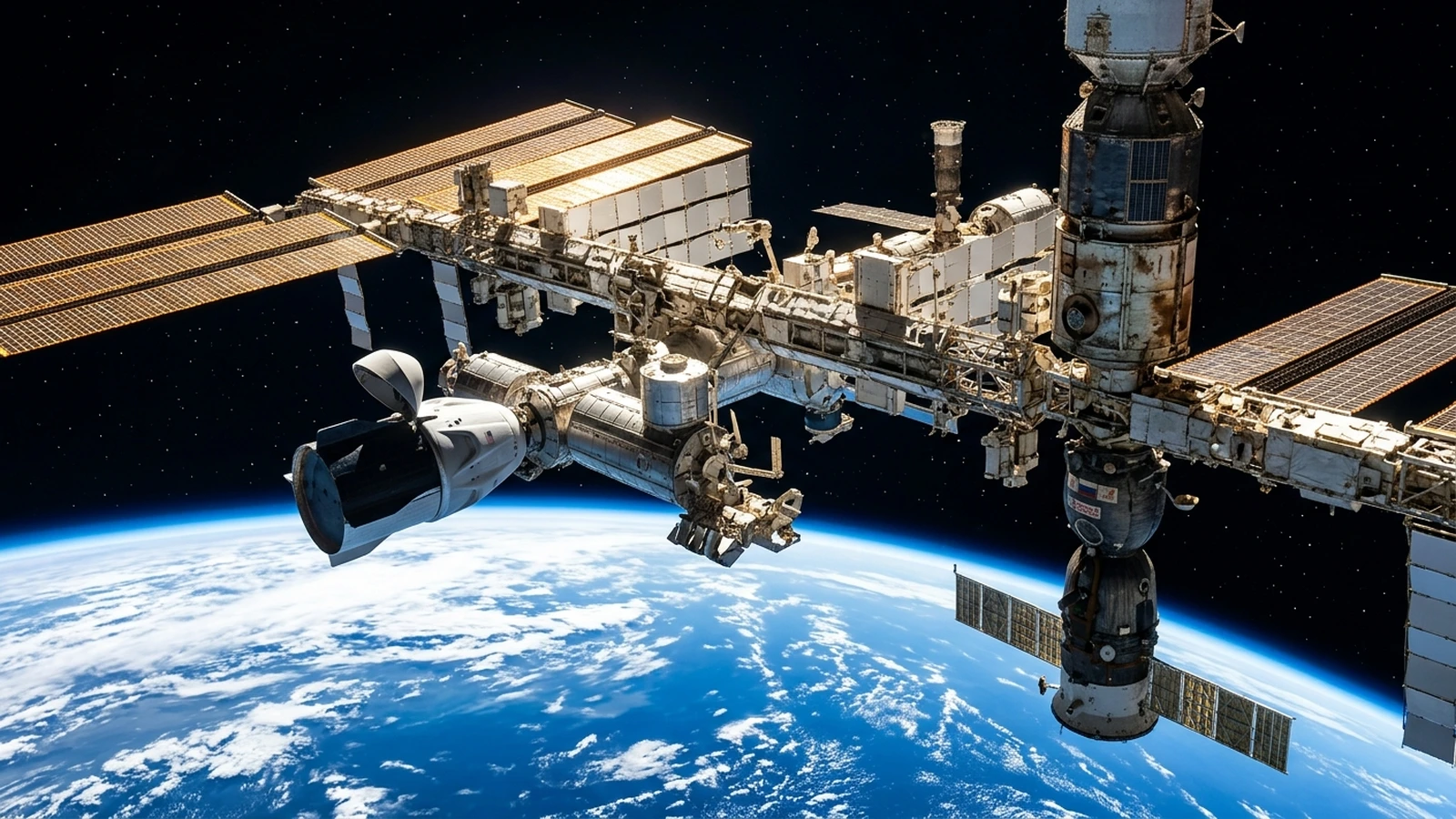
An ISS spacewalk was scheduled for Thursday 6 August 2026. NASA astronauts Jessica Meir and Anil Menon were due to open the hatch at 1:35pm UK time (8:35am EDT) and spend about seven hours working on the station's backbone, 250 miles above the Earth. This page covers the plan for the day rather than how it turned out.
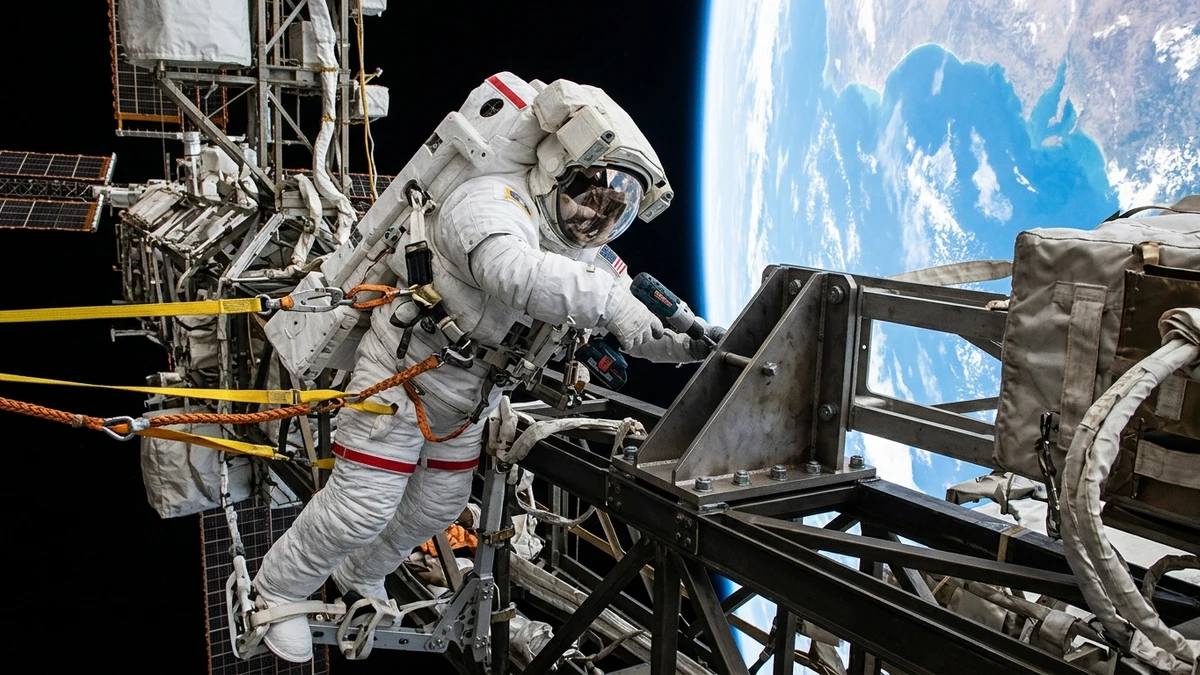
It was US Spacewalk 96, and the job was preparation rather than repair. The pair were to bolt together a modification kit, a large mounting bracket, on the Starboard 6 truss right out at the station's edge. That bracket is the landing spot for a new roll-out solar array arriving later in 2026, part of NASA's push to keep the 25-year-old station fully powered through to its planned retirement around 2030.
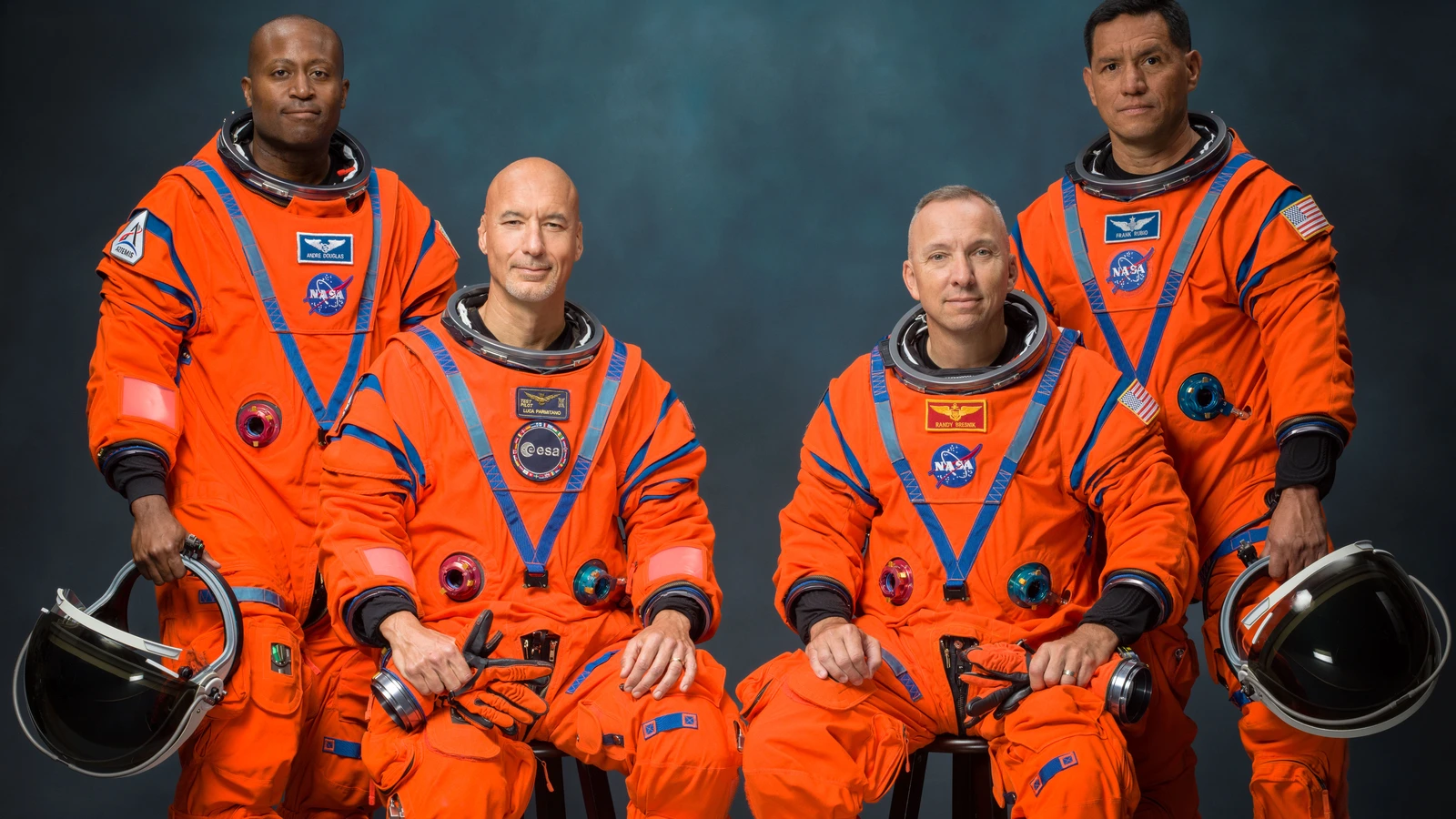
There was a nice bit of history in the pairing too. Meir is a veteran, and it was due to be her sixth spacewalk. For Menon, it was to be the first time he had ever floated out of an airlock.
How the NASA Spacewalk Was Covered Live
Coverage was free and due to start at midday UK time (7am EDT) on NASA+, NASA's YouTube channel, X, and Amazon Prime. No subscription or sign-up was needed for NASA+ or YouTube.
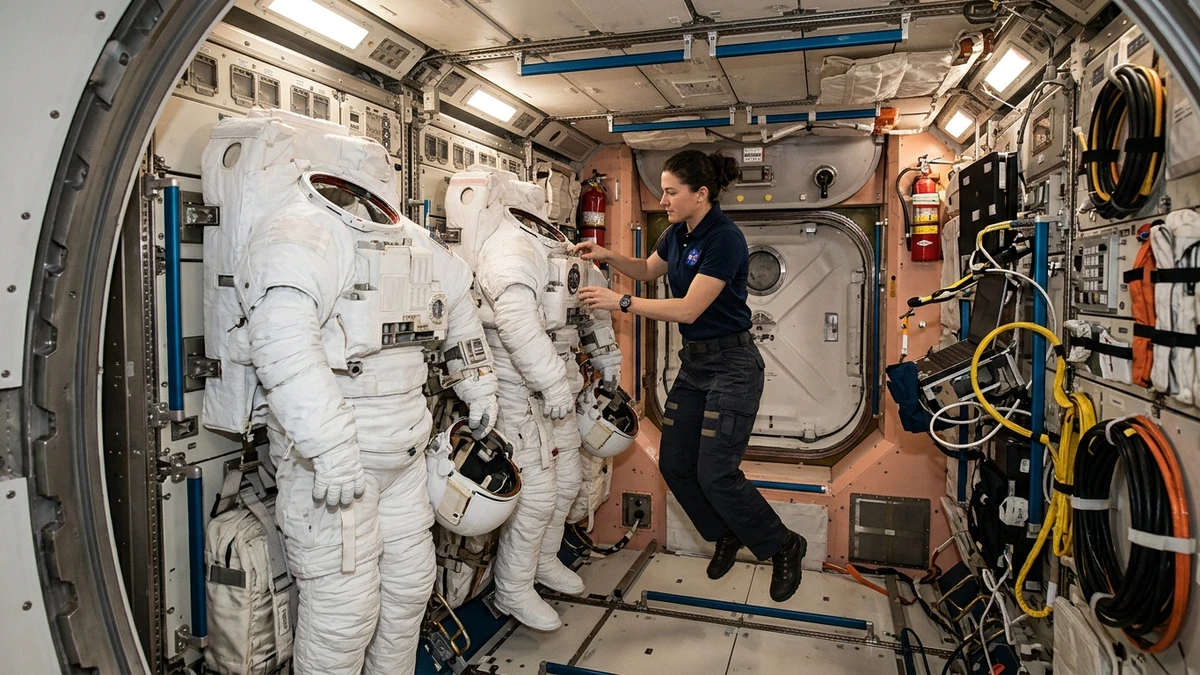
The first hour or so was to show the astronauts getting into their suits and running checks in the airlock. The spacewalk was officially to begin when both switched to battery power, expected at 1:35pm UK time. From there, the excursion was planned for around seven hours, so it was due to finish near 8:30pm UK time.
If you were only going to dip in, the first hour after hatch opening was usually the best telly. That's when the astronauts climb out and make their way along the truss, the Earth turning slowly below them.
You could tell the two apart at a glance. Meir's suit has red stripes; Menon's is plain white.
Who Are Jessica Meir and Anil Menon?
Jessica Meir is one of NASA's most experienced spacewalkers. A marine biologist by training, she made history in October 2019 when she and Christina Koch carried out the first all-female spacewalk. The 6 August outing was due to be her sixth, and she was to lead the pair as EV1.
Anil Menon has taken the scenic route to the airlock. He's an emergency medicine doctor, a mechanical engineer, and a colonel in the US Space Force. Before joining NASA's astronaut corps in 2021 he was SpaceX's first flight surgeon, helping bring home the crew of Demo-2, the first crewed SpaceX flight. He arrived at the station on a Soyuz in July. On 6 August, after five years of training, he was due to get his first view of Earth with nothing but a visor in the way.
Two crewmates were backing them up from inside: NASA's Jack Hathaway and French ESA astronaut Sophie Adenot, who were to help them suit up and monitor every step of the day.
Why the ISS Needs New Solar Arrays
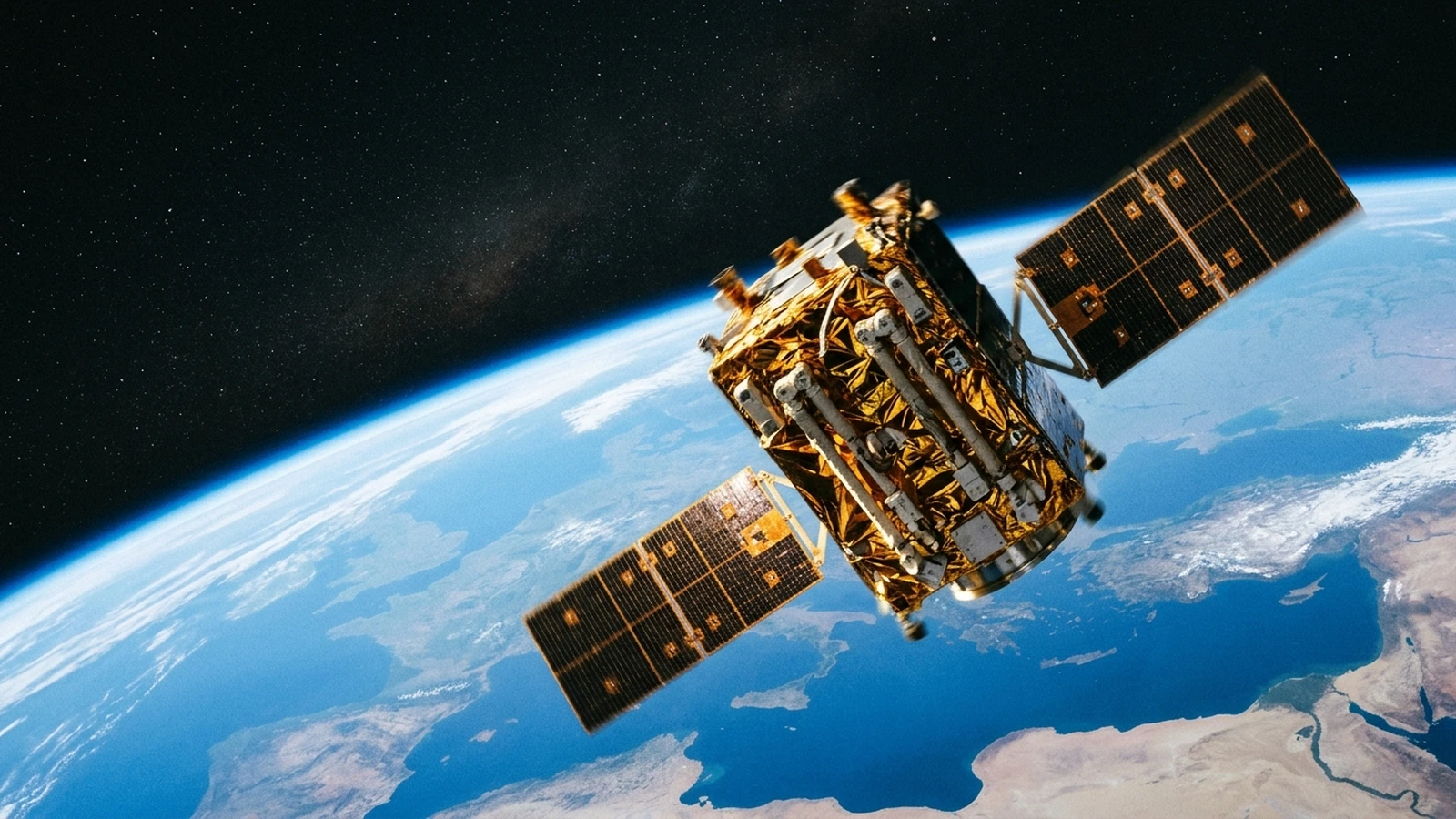
The station's eight original solar wings are old. The first pair unfurled in 2000, and years of micrometeoroid dings and radiation have slowly eaten into their output. An ageing station with power-hungry science racks needs every watt.
NASA's answer is the IROSA programme, short for ISS Roll-Out Solar Array. These are smaller, lighter arrays that launch rolled up like a carpet, then unroll in front of the old wings. Each one boosts a power channel by roughly a third. Six have been fitted since 2021.
The 6 August spacewalk was to prep the 3B power channel for array number seven. The catch is that the mounting brackets have to be assembled by hand, in the vacuum of space, by astronauts working with tethered tools and thick gloves. That's exactly the sort of steady, methodical work that was to fill the planned seven hours.
It's also a vote of confidence in the station's future. The ISS has had a rough year, including its worst air leak yet back in June, but NASA is still investing in keeping it healthy and powered to the end of the decade.
How to See the ISS From the UK
Whenever astronauts are working outside, remember you can see their workplace from your garden.
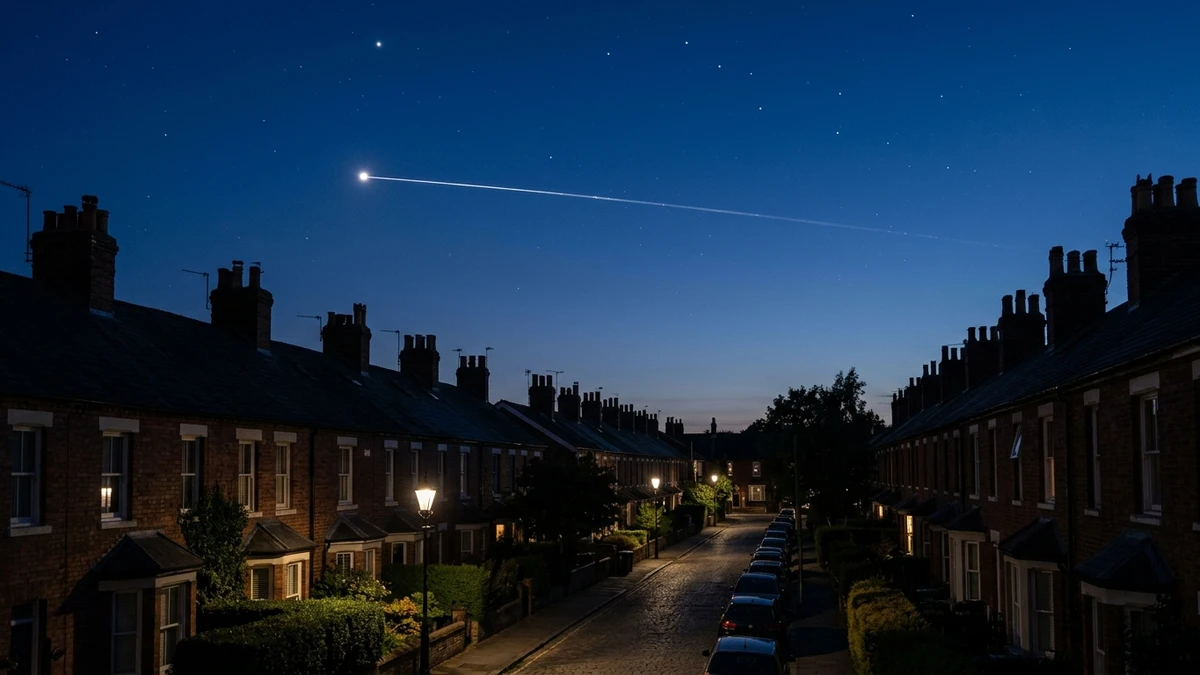
The ISS is the third-brightest object in the sky after the Sun and Moon. It looks like a brilliant, steady white light gliding from west to east, crossing the sky in three or four minutes. No flashing, no sound. If it flashes, it's a plane.
Passes happen in the couple of hours after sunset or before dawn, when the station is lit by the Sun against a dark sky. Check NASA's Spot the Station site or app for exact times over your town, and just look up at the right minute. It's bright enough to see from a city centre. Or see tonight's ISS pass times for the UK on our own tracker.
Through binoculars the station stops being a dot. On a good high pass you can make out its elongated shape and a hint of the very solar wings the 6 August spacewalk was meant to help upgrade.
Spot the station for yourself
Kit we've reviewed in full
The ISS is one of the easiest things in the sky to see, and binoculars turn that moving dot into something with real shape. They'll also show you plenty of other satellites on the same August evenings you're out for the Perseids.
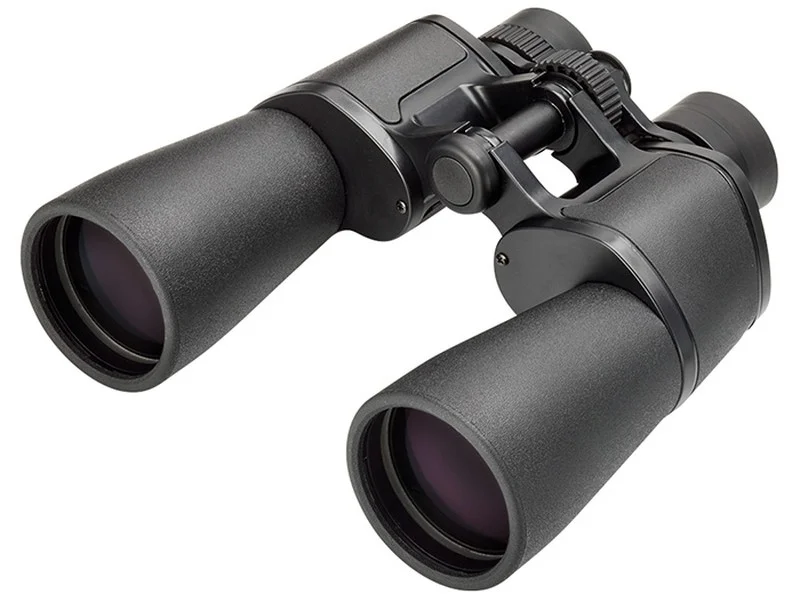
Wide field and bright view, easy to hold steady. Ideal for catching the station as it crosses the sky and following it to the horizon.
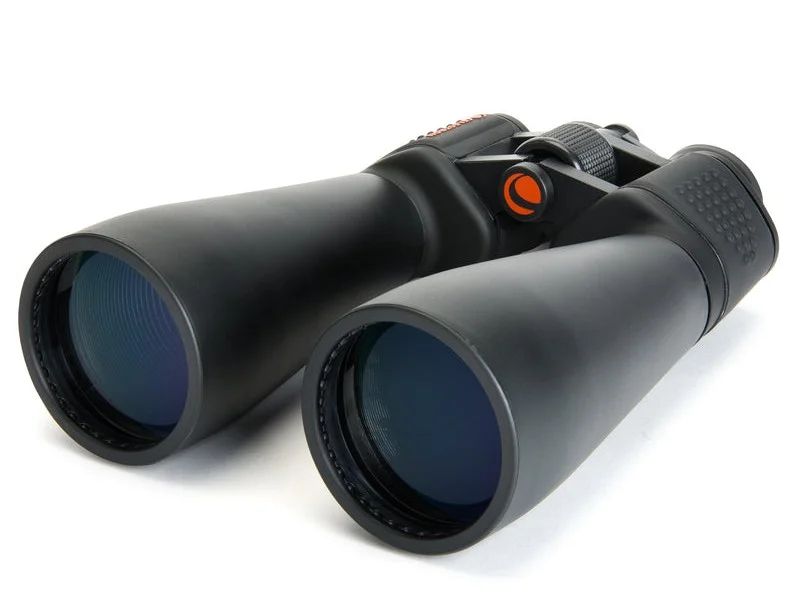
The big 70mm lenses show the ISS as a distinctly elongated shape on a good pass. Rest them on a wall or tripod for the steadiest view.
Affiliate links: you pay the same price, we earn a small commission that helps keep WatchTheStars free.
When Were the Next ISS Spacewalks Due?
The 6 August spacewalk was the first of three US spacewalks NASA had planned for August, an unusually busy month outside the station. The follow-up excursions were to continue the power system work, with the new roll-out array itself arriving on a cargo ship later in 2026.
We planned to cover the results of the 6 August spacewalk and the rest of the August series. If the day went to plan, the station's oldest power channel was one big step closer to a new lease of life, and Anil Menon would have joined one of the smallest clubs there is: people who have floated in space with nothing below their boots for 250 miles.
Sources:
- NASA Astronauts Ready for Thursday Spacewalk · NASA
- NASA to Cover Three US Spacewalks, Host Preview News Conference · NASA
- U.S. Spacewalk 96 · NASA+
- NASA astronaut Anil Menon to conduct his first spacewalk with veteran Jessica Meir on August 6 · Starlust
Frequently Asked Questions
Equipment guides
Related topics
Ian ClaytonAmateur astronomer and founder of WatchTheStars.co.uk, dedicated to helping others explore the wonders of our universe. Full profile →