Key takeaways
- The Senate Select Committee on Intelligence has issued subpoenas to private defence contractors believed to hold records from legacy UAP programmes
- It's the first time Congress has used subpoenas to compel private companies, rather than government agencies, to produce UAP-related records
- The compliance deadline is reported to be November 2026, with any released records expected to feed into a future PURSUE file tranche
- Multiple cleared witnesses have reportedly come forward through legal counsel, and defence committee members have received classified briefings tied to the process
- The companies involved have not been publicly named, and no contractor has confirmed receiving a subpoena
Jump to section 6 sections
- Senate UFO Subpoenas: What the Intelligence Committee Has Done
- Which Defence Contractors Are Being Subpoenaed?
- Legacy UAP Programmes: What Whistleblowers Say Is Hidden
- UAP Subpoena Deadline: What Happens by November 2026
- Why Congress Can't Just FOIA a Private Company
- UAP Disclosure in 2026: Where the Subpoenas Fit
The Senate Intelligence Committee has issued subpoenas to private defence contractors believed to hold records from legacy UAP programmes: the first time Congress has legally compelled companies, rather than government agencies, to hand over UFO-related files.
That sentence would have sounded like fantasy three years ago. The biggest claim in the whole UAP story has always been the one nobody could test: that the most sensitive material never sat in a government filing cabinet at all, but inside private defence companies, beyond the reach of Congress and the Freedom of Information Act. Now the Senate is testing it. Here's what's actually known, what's still murky, and why the reported November deadline could matter more than any file release so far.
Senate UFO Subpoenas: What the Intelligence Committee Has Done
The Senate Intelligence Committee has issued subpoenas to private defence contractors believed to hold legacy UAP programme records outside normal congressional oversight. The move surfaced through the committee's own statements and reporting collected by disclosure trackers, rather than a splashy press conference, and much of the detail remains classified.
What has emerged is this. The subpoenas are the first attempt to compel private entities, rather than government agencies, to produce UAP-related records. Multiple cleared witnesses, people who hold or held security clearances, have reportedly come forward through legal counsel in connection with the effort. And members of the armed services committees in both chambers have received classified briefings tied to the subpoena process, with reports of testimony from individuals claiming direct programme access.
That last detail is worth sitting with. Closed briefings connected to these subpoenas have reportedly increased calls inside Congress for an independent commission on UAP, the kind of standing body that the UAP Disclosure Act tried and failed to create in 2023.
There's a pattern here that regular readers will recognise. Congress's newest whistleblower is staying behind closed doors too, asking for a SCIF before any public hearing. The dramatic public testimony of 2023 has given way to something quieter and probably more serious: closed sessions, and paperwork with legal force behind it.
Which Defence Contractors Are Being Subpoenaed?
The honest answer: we don't know. The companies have not been publicly named, and no contractor has confirmed receiving a subpoena. Anyone telling you confidently which firms are on the list is guessing.
What we do have is the surrounding record. In sworn testimony in July 2023, former intelligence officer David Grusch claimed that recovered materials from a decades-long retrieval programme were held partly by private aerospace contractors, and said he had given specific names and locations to the intelligence community inspector general. At his Capitol press conference in June, he named the files he wants released. The Pentagon's position hasn't moved: it says it has found no verifiable evidence for any of it.
One organisation has publicly engaged with the wider records push. The MITRE Corporation, the not-for-profit that runs federally funded research centres, confirmed in May that insiders are reviewing its archives to comply with a request from Rep. Eric Burlison for UAP records and assets dating back to 1930. That was a records request rather than a subpoena, and MITRE's cooperation was voluntary. But it set a precedent the Senate subpoenas now push much harder: the idea that private organisations doing government work can be made to open their UAP files.
Legacy UAP Programmes: What Whistleblowers Say Is Hidden
"Legacy programmes" is the careful phrase Congress uses for a very uncareful claim: that somewhere in the defence industrial base sit materials, data and reports from UAP retrievals going back decades, protected by Special Access Programme rules and, allegedly, parked in private hands precisely so that oversight can't reach them.
The claim has never been officially confirmed. It's the same allegation at the heart of Immaculate Constellation, the supposed secret UAP programme the Pentagon flatly denies exists. And it's the reason the original UAP Disclosure Act included eminent domain language: a legal mechanism to let the government reclaim any "recovered technologies of unknown origin" held by private entities. That language was stripped out in 2023, and disclosure advocates have been trying to restore its force ever since.
If the claim is false, the subpoenas will show that too, which is part of their value. A company that holds nothing can say so, under legal obligation, on the record. Either way, Congress finally gets an answer that doesn't depend on which witness you find credible.
Want to check the skies yourself?
Kit we've reviewed in full
Congress can subpoena documents, but you can do your own looking. Most strange lights resolve into satellites, planets or aircraft in seconds through a decent pair of binoculars, and the rare one that doesn't is worth a proper report.
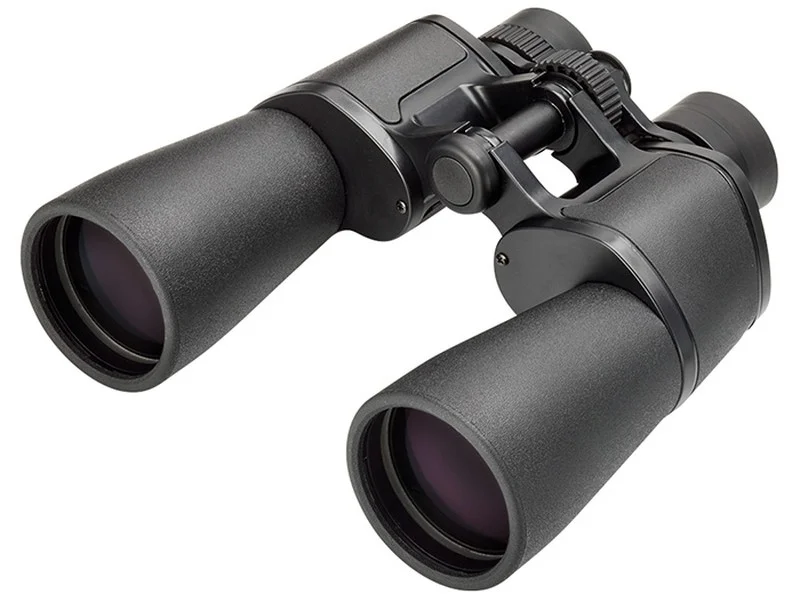
Wide field, bright 50mm lenses and light enough to hand-hold. The fastest way to turn a mystery light into a known object, and the pair we recommend to most UK beginners.
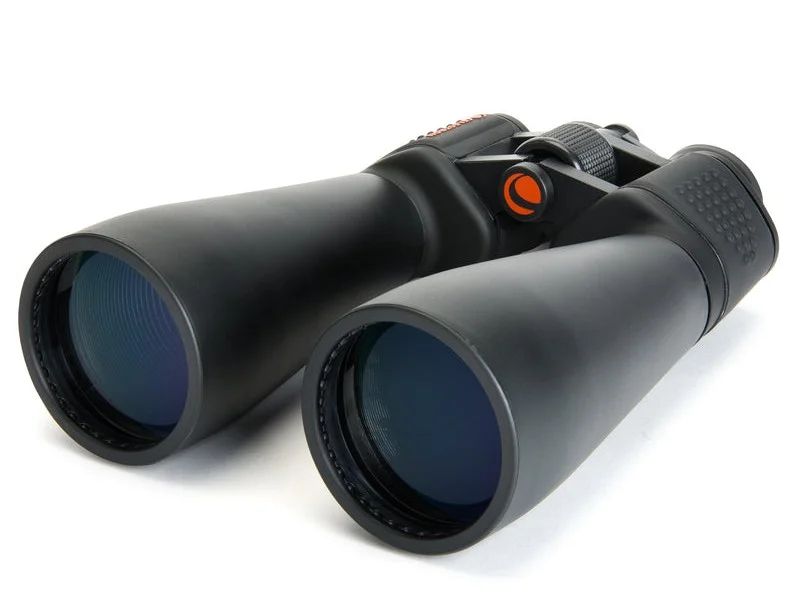
15× magnification pulls distant lights much closer. You'll want a tripod, but nothing at this price gets you a better look at something low and far away.
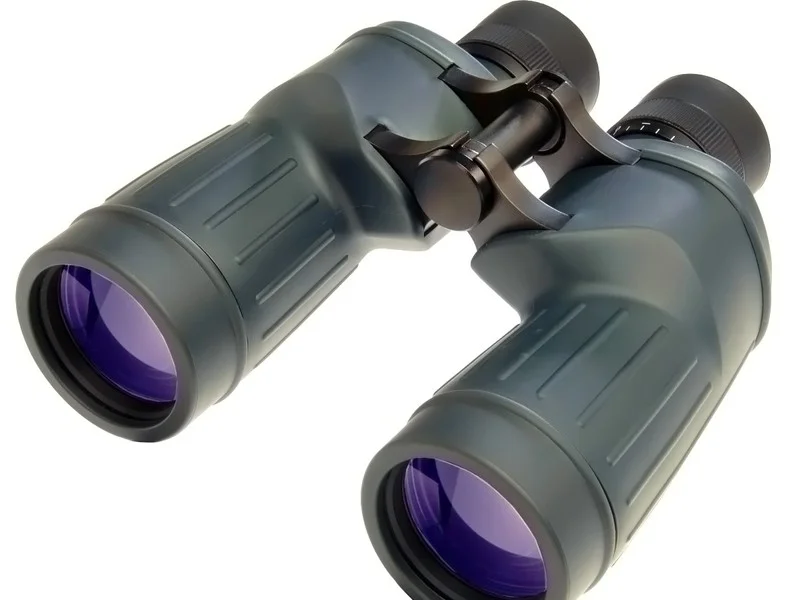
Cleaner contrast and tighter stars than budget pairs, so a point of light stays a point instead of a smear. The pair to buy once and keep.
Affiliate links: you pay the same price, we earn a small commission that helps keep WatchTheStars free.
UAP Subpoena Deadline: What Happens by November 2026
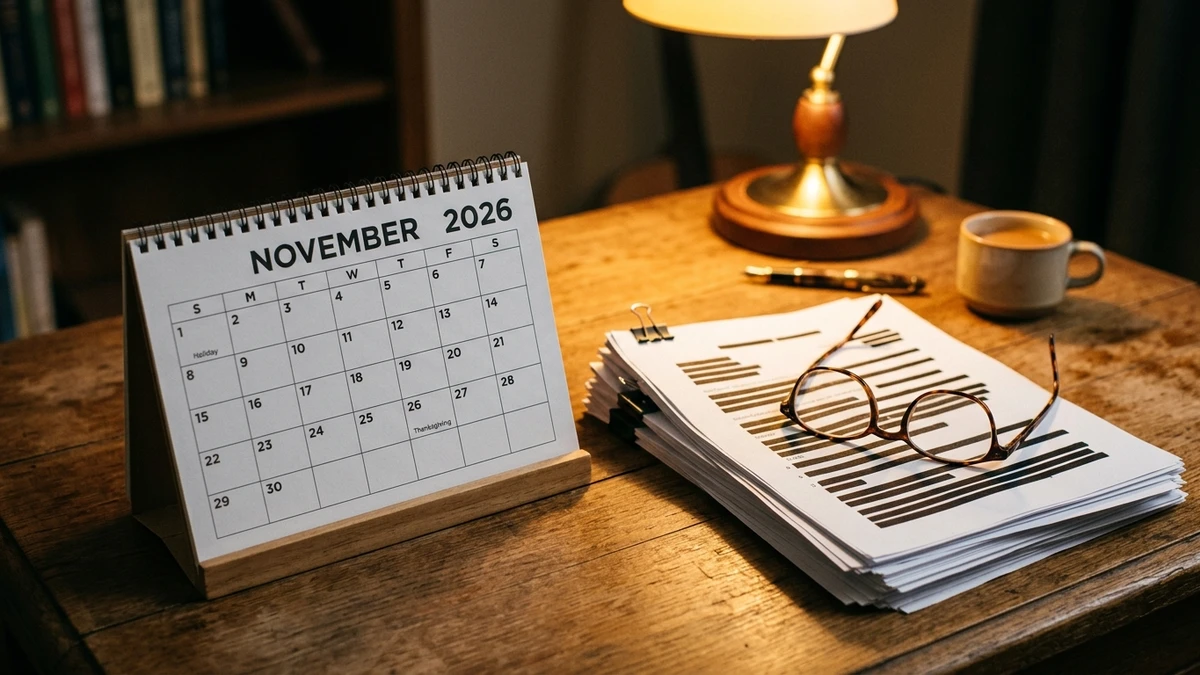
The compliance deadline attached to the subpoenas is reported to be November 2026. Disclosure trackers list a planned future tranche of the government's rolling UFO file releases, the PURSUE programme that has already published four batches, as "contractor programme records", pencilled in against that same deadline. If contractor cooperation actually happens, those records would come from legacy Special Access Programmes held outside standard oversight, and would be potentially the most significant tranche in the whole sequence.
That's the optimistic path. The other path is familiar from every congressional deadline in this story: delay, negotiation over classification, and lawyers. A subpoena is enforceable, refusal can mean contempt of Congress and a court fight, but litigation involving Special Access Programmes could grind on for years. The Pentagon missed a much simpler deadline over 46 UAP videos in April, and that was material the government itself controlled.
Why Congress Can't Just FOIA a Private Company
It's a fair question: why did this take a subpoena at all? The answer is the gap the whole allegation lives in. The Freedom of Information Act applies to federal agencies, not private companies. A contractor's internal records, even records generated doing classified government work, are largely beyond FOIA's reach. Congressional oversight normally runs through the agencies that fund the work, and a programme structured to sit outside agency reporting lines, which is exactly what whistleblowers allege, would dodge that too.
A subpoena is the tool built for that gap. It compels the company directly, on pain of contempt. That's why this step, procedural as it sounds, is the most legally serious move Congress has made on UAP since the public hearings began in 2022. File releases show you what the government chooses to show. A subpoena asks a question the recipient is not allowed to ignore.
UAP Disclosure in 2026: Where the Subpoenas Fit
Step back and 2026 looks like two stories running in parallel. In public, the government is releasing files on a rolling schedule: four PURSUE batches so far, with more promised. In private, Congress is chasing what the releases don't contain: through SCIF briefings, a whistleblower who won't testify in the open, and now subpoenas to companies whose names we don't yet know.
Not all the momentum runs one way. Rep. Burlison's UAP disclosure amendment was left out of the annual defence bill at the end of June, a reminder that statutory disclosure mandates keep stalling even as investigative pressure builds. Congress giving the Pentagon's UAP office a rough ride hasn't yet translated into law.
So treat the subpoenas as a hinge, not a headline. If contractors comply by November, some of the most-argued-about claims in this subject get tested against actual documents, possibly in a public tranche. If they fight, the fight itself goes on the record, and Congress learns something from who fights hardest. We'll cover what emerges either way, and if you want the background reading first, our UAP research hub and document archive cover the cases and primary sources this whole push is built on.
Sources:
- Senate Select Committee on Intelligence · committee statements on classified UAP briefings
- UAP Disclosure Tracker: hearings, whistleblowers and declassified files
- MITRE moves to comply with lawmaker's request for UAP records and assets dating back to 1930 · DefenseScoop
- Burlison's UAP disclosure amendment left out of defense bill · Newstalk KZRG
- Restoring Public Trust Through UAP Transparency and Whistleblower Protection · House Oversight Committee
Frequently Asked Questions
Equipment guides
Related topics
Ian ClaytonAmateur astronomer and founder of WatchTheStars.co.uk, dedicated to helping others explore the wonders of our universe. Full profile →