Key takeaways
- The Disclosure Forum 2026 takes place on 25 June in the Kennedy Caucus Room of the Russell Senate Office Building: the same room that hosted the Watergate hearings
- Two US senators (Mike Rounds and Kirsten Gillibrand) and four members of the House are confirmed to speak, alongside Harvard astronomer Avi Loeb
- It runs all day, 9:00am to 4:30pm Eastern (that's 2:00pm to 9:30pm UK time) and is free to attend, with a livestream on the Disclosure Foundation's YouTube channel
- This is an on-the-record public conversation, not a closed-door briefing: a deliberate shift toward doing UAP oversight in the open
- Polling cited by the organisers shows 89% of Republicans and 88% of Democrats want more UAP information released
Jump to section 6 sections
What's Happening on 25 June
On Thursday 25 June, a group of senior US lawmakers, scientists and former national security officials will sit down together in a Senate hearing room and talk about unidentified anomalous phenomena (UAP, the term that has quietly replaced "UFO" in official circles) out loud, on the record, in front of the public and the cameras.
It's called the Disclosure Forum 2026, and the theme is "Humanity at the Edge of Discovery." It's organised by the Disclosure Foundation, the non-profit whose board includes Harvard astronomer Avi Loeb. The whole thing runs from 9:00am to 4:30pm Eastern time, with the building opening at 7:00am and doors at 8:30am. It's free, it's open to the public, and seating is first-come, first-served.
If you've been following the UAP story over the past few months (the Pentagon's file releases, David Grusch's return to the Capitol steps, Trump's new UAP governance board), this is the next beat in that story. The difference is the format. This isn't a leak, a press conference, or a sworn hearing where everyone is on the defensive. It's a full day set aside specifically to discuss the subject in the open.
Who's Actually Speaking
The line-up is what makes this worth paying attention to. These aren't fringe voices booked to fill a stage. They're people with real positions on the committees that oversee defence and intelligence.
From the Senate: Mike Rounds (Republican, South Dakota) and Kirsten Gillibrand (Democrat, New York). Both sit on the Senate Armed Services Committee and the Senate Select Committee on Intelligence: the two bodies with the deepest classified visibility into anything the military and intelligence agencies are doing. Gillibrand in particular has spent years pushing the legislation that created the Pentagon's UAP office in the first place.
From the House: Anna Paulina Luna (Republican, Florida), who chairs the Task Force on the Declassification of Federal Secrets, plus Tim Burchett (Republican, Tennessee), Eric Burlison (Republican, Missouri) and Suhas Subramanyam (Democrat, Virginia), all members of the House Committee on Oversight and Accountability. Burchett and Burlison have been among the most persistent voices on this issue for years.
And from the science and policy side: Disclosure Foundation board members Professor Avi Loeb, the Harvard astrophysicist known for arguing we should take the possibility of extraterrestrial technology seriously, and Mike Gold, a former NASA and space-industry executive.
The bipartisan mix is the point. Two Republicans and a Democrat in the Senate seats; three Republicans and a Democrat from the House. UAP is one of the very few subjects in Washington right now where the party line genuinely dissolves. The organisers cite polling showing 89% of Republicans and 88% of Democrats want more UAP information released: numbers you almost never see agree on anything.
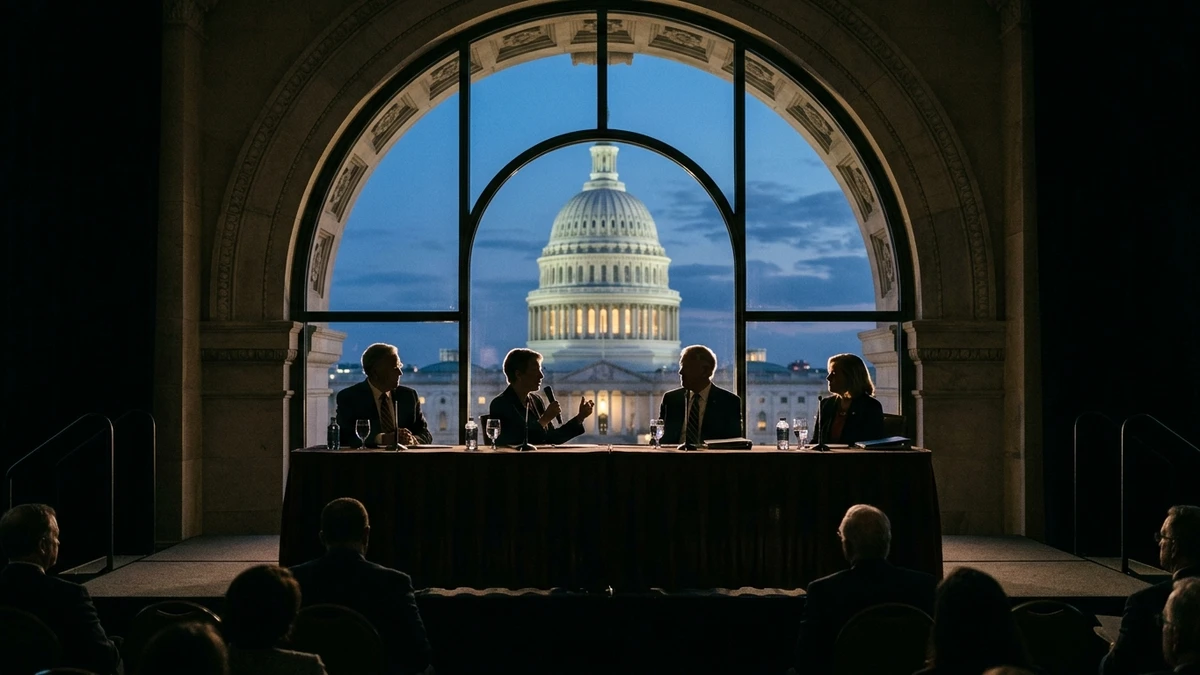
Why the Venue Matters
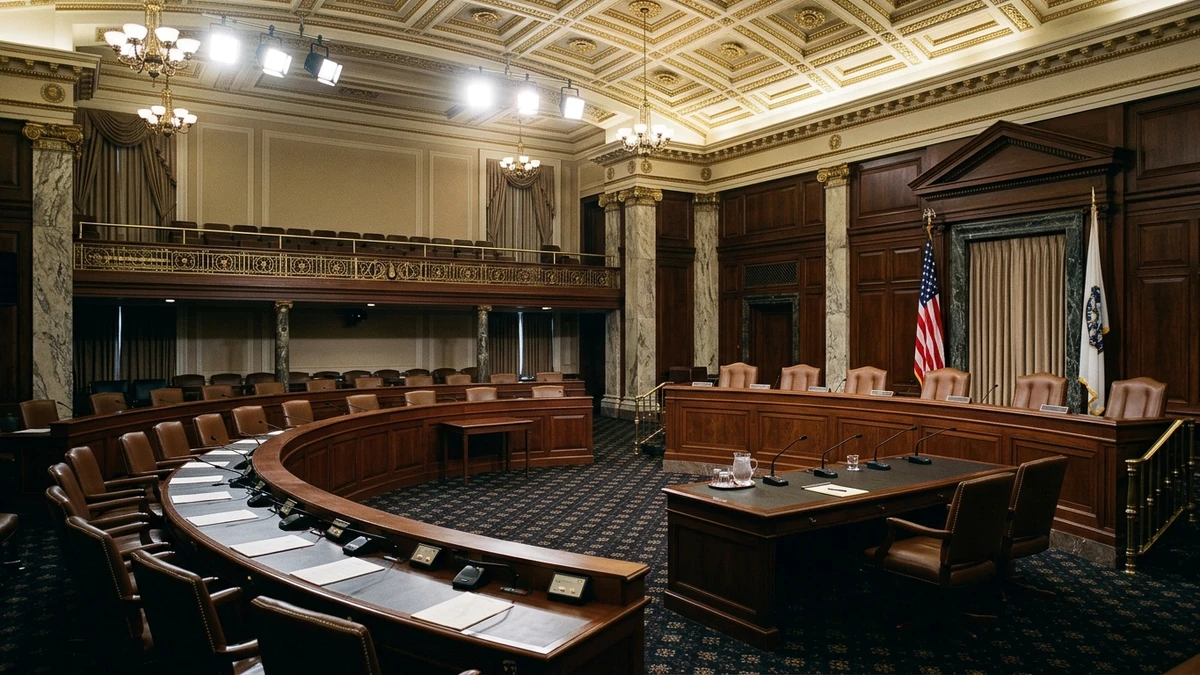
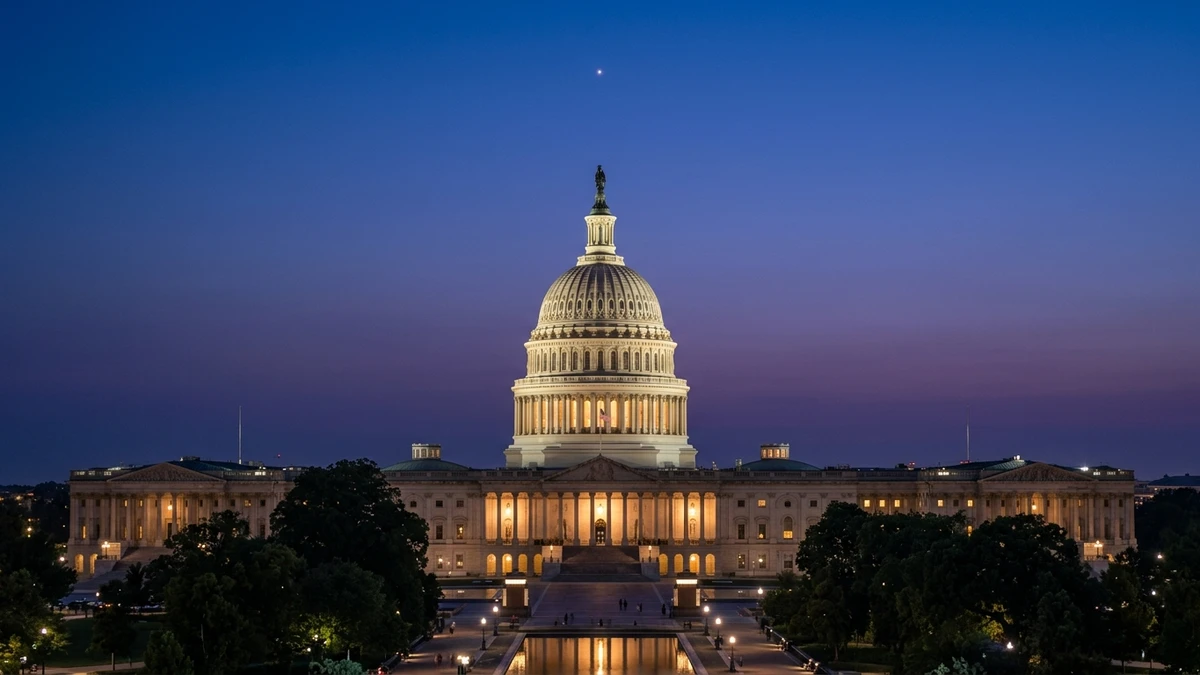
The forum is being held in the Kennedy Caucus Room, Room 325 on the third floor of the Russell Senate Office Building. The name won't mean much on its own, but the room's history is worth knowing, because the choice of venue is part of the message.
This is the room where the Senate held the Watergate hearings in the 1970s, and the Army–McCarthy hearings in the 1950s. It's one of the most storied rooms in American political history: the place where the country has historically gone to drag uncomfortable truths into public view. Holding a UAP forum there is a deliberate piece of symbolism: the organisers are framing this as a matter of public accountability on the same level as those moments, not as a niche curiosity.
It also matters practically. A privately hosted event in a hotel ballroom is easy to dismiss. An all-day forum inside a Senate office building, featuring sitting senators, carries a different kind of institutional weight. Whatever you make of the subject itself, the setting tells you the people involved want it taken seriously.
While Washington Talks, Do Some Sky Watching of Your Own
Kit we've reviewed in full
Forums and hearings move slowly, but you don't need to wait for disclosure to start scanning the sky yourself. A solid pair of binoculars is the single best upgrade for anyone serious about identifying what they see up there.
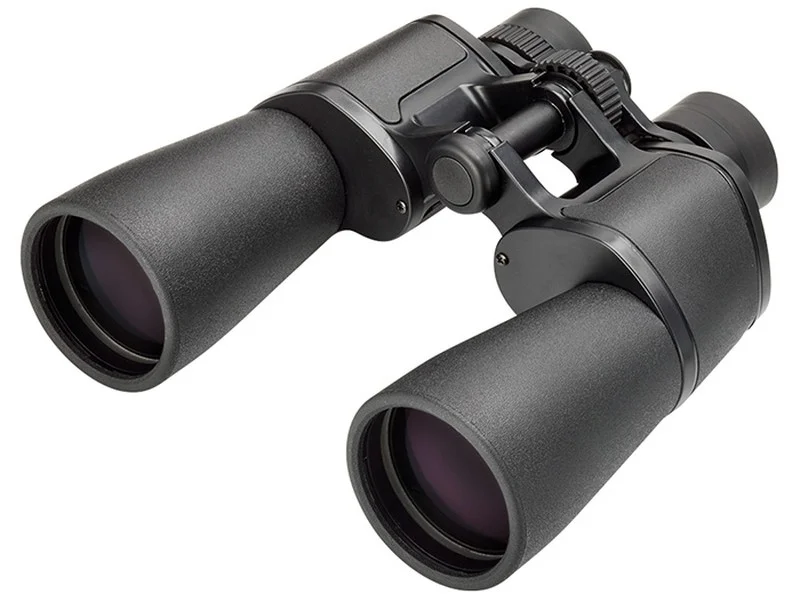
A steady, sharp pair that turns a distant light into something you can properly describe and log.
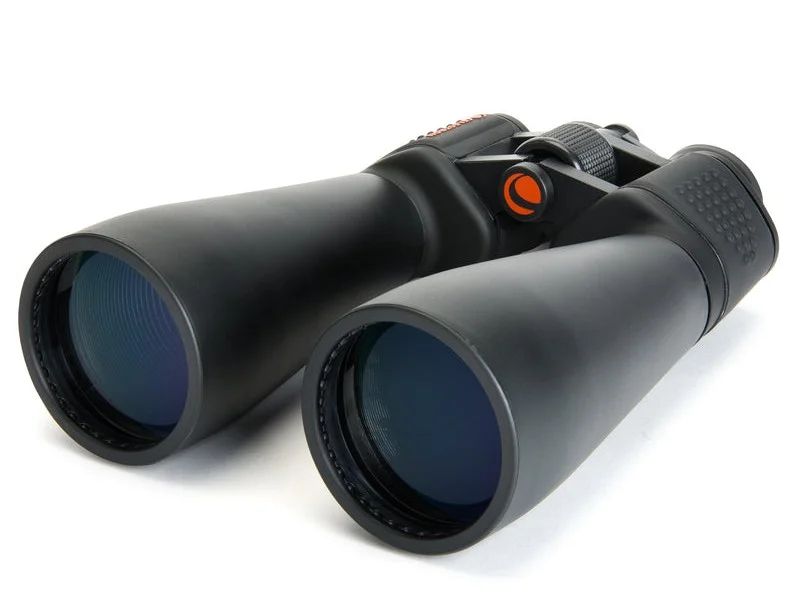
Extra light-gathering makes all the difference for anything faint or fast moving at dusk.
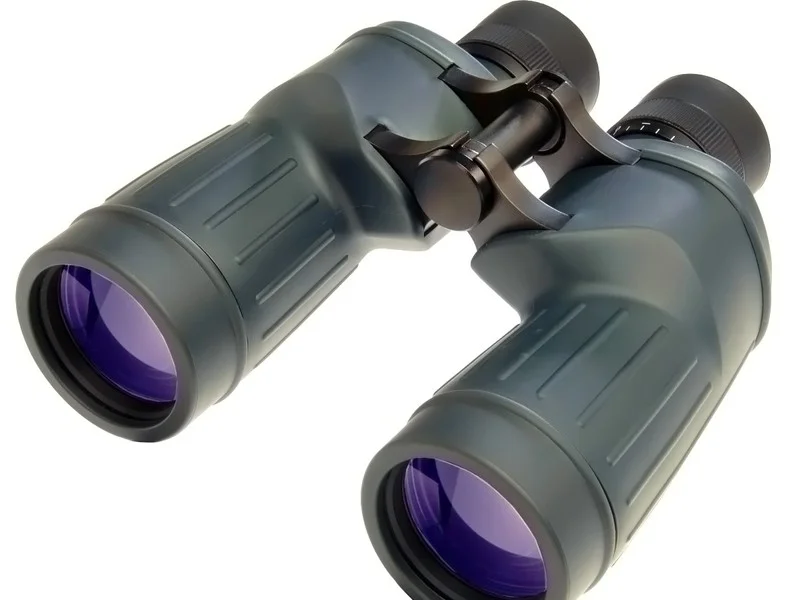
A dependable pair to keep by the door for whenever you need a closer look, day or night.
Affiliate links: you pay the same price, we earn a small commission that helps keep WatchTheStars free.
What to Expect From the Day
The programme is structured as a series of panels, presentations and roundtables rather than a single hearing. The Disclosure Foundation has said the day will work through the subject across several angles: congressional oversight, national security, science, law, and the broader cultural and societal implications of taking UAP seriously.
That last category is more interesting than it sounds. A lot of the UAP conversation so far has been stuck on the binary question of "is it aliens or not?" A forum format lets the discussion move into the harder, more grown-up questions: how should a government handle information like this responsibly? What are the legal frameworks for whistleblowers? How does science actually study something that, by definition, doesn't behave predictably?
What it probably won't be is a dramatic "here's the proof" reveal. These events tend to produce policy arguments and calls for transparency rather than smoking-gun evidence, and it's worth going in with that expectation. The value here is in who is saying it and where, not in an expectation that the curtain finally drops. If you're hoping for a definitive answer, you'll likely come away with a sharper sense of the politics instead.
How to Watch From the UK
You don't need to be in Washington. The Disclosure Foundation is livestreaming the whole thing on its YouTube channel, and the timing is actually convenient for British viewers.
The programme runs 9:00am to 4:30pm Eastern, which is 2:00pm to 9:30pm UK time: an afternoon-into-evening watch rather than the middle-of-the-night ordeal that US political events often are for us. You can dip in for a panel that interests you and catch the rest later, since YouTube streams are usually archived for replay.
For UK readers wondering why an American forum should matter over here: the UK has its own long, under-discussed UAP history, from the Rendlesham Forest incident to the Ministry of Defence's now-closed UFO desk. Britain has tended to follow the US lead on declassification, and the campaigners pushing Washington have explicitly called on allied governments, the UK included, to share their own files. What happens in that Senate room on Thursday has a way of setting the weather for everyone else.
Why This One Feels Different
We've covered a lot of UAP moments on this blog, and it's fair to be a little weary of the pattern: a dramatic announcement, a wave of headlines, then institutional silence. So why flag this one?
Partly it's the people. Getting two members of the Senate Intelligence Committee to appear at a public UAP event, by name, on the record, is not a small thing. These are individuals with access to the actual classified material, choosing to lend their credibility to a public conversation about it.
Partly it's the format. An on-the-record, all-day, livestreamed forum is the opposite of how this subject has historically been handled. For decades the story of UAP has been a story of secrecy: files withheld, witnesses discredited, briefings denied even to cleared members of Congress. A free public forum in the Watergate room is a deliberate inversion of that.
And partly it's the timing. This lands in the middle of the most active stretch of official UAP activity in living memory: the file releases, the congressional pressure, the new governance board. The forum isn't happening in a vacuum; it's a checkpoint in a story that's genuinely moving.
Will it produce anything concrete? Maybe not on the day. But it's a marker worth watching, and for once, you can watch it yourself, live, from your sofa. The cameras will be on. The names are on the programme. Tune in on Thursday afternoon and judge it for yourself.
Sources:
- Disclosure Forum 2026: official event page · Disclosure Foundation
- Disclosure Foundation to Convene Senators, Members of Congress, and Leading Experts for Landmark Public Forum on June 25 · PR Newswire
- UAP disclosure forum in DC to feature lawmakers, whistleblowers · NewsNation
- Disclosure Forum 2026: Humanity at the Edge of Discovery, livestream · Disclosure Foundation (YouTube)
Frequently Asked Questions
Equipment guides
Related topics
Ian ClaytonAmateur astronomer and founder of WatchTheStars.co.uk, dedicated to helping others explore the wonders of our universe. Full profile →