Key takeaways
- Earth reached aphelion, its farthest point from the Sun in 2026, on 6 July, at a distance of 152,087,775 km
- That's about five million kilometres farther than at perihelion in early January, when Earth is closest to the Sun
- Distance doesn't cause the seasons. Earth's 23.4° axial tilt does, which is why the UK is in summer at maximum distance
- Sunlight at aphelion is about 7% weaker than in January, and the Sun looks about 3% smaller, though your eye can't tell
- Because Earth travels slowest at aphelion, northern hemisphere summer is the longest season of the year, several days longer than winter
Jump to section 5 sections
What Is Aphelion? Earth's Farthest Point From the Sun
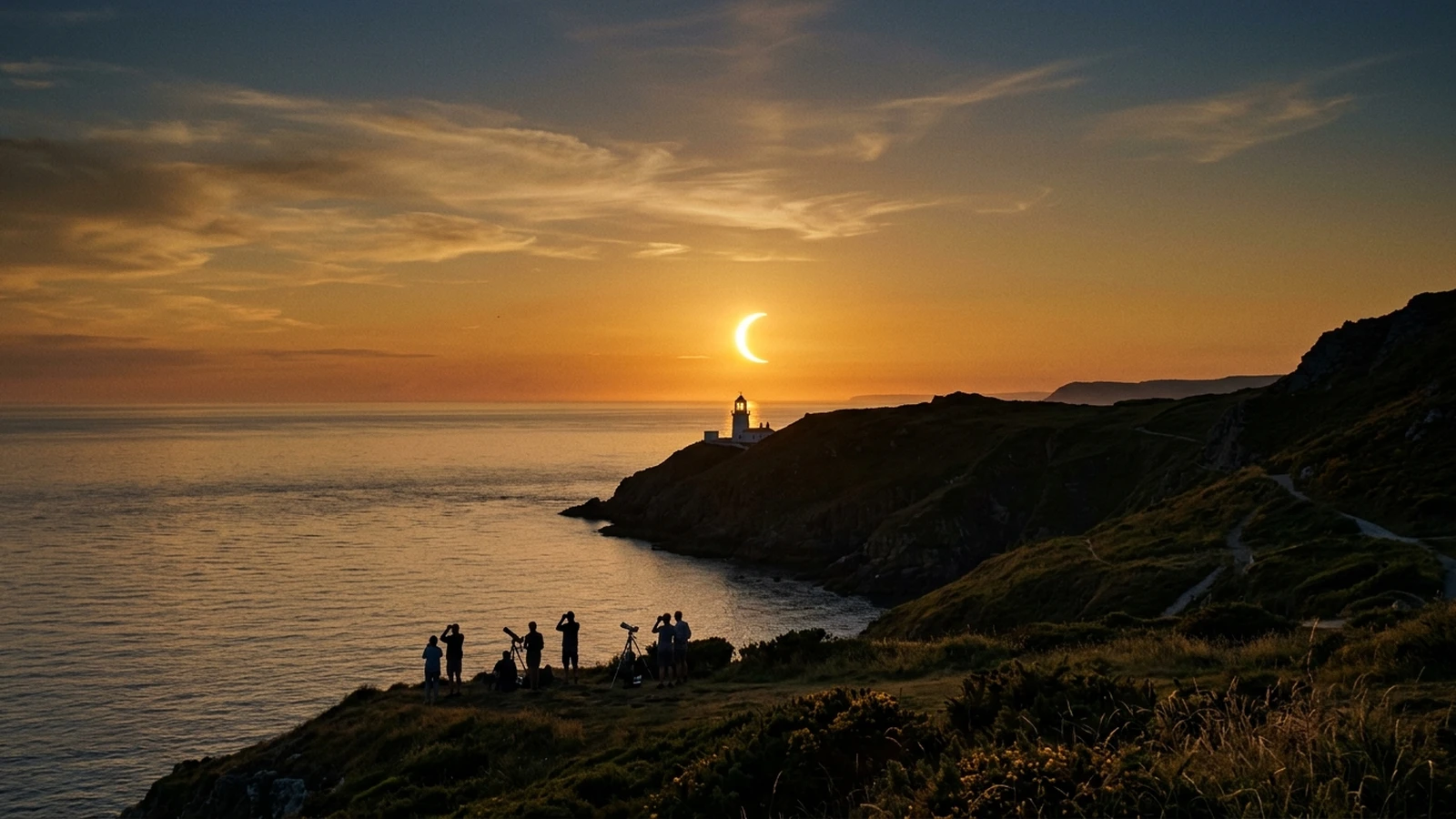
Aphelion is the point in Earth's orbit where our planet is farthest from the Sun, and it happens every year in early July. In 2026, Earth reached aphelion at around 6 pm UK time on Monday 6 July, while most of us were watering the garden, our planet quietly hit its most distant point of the year.
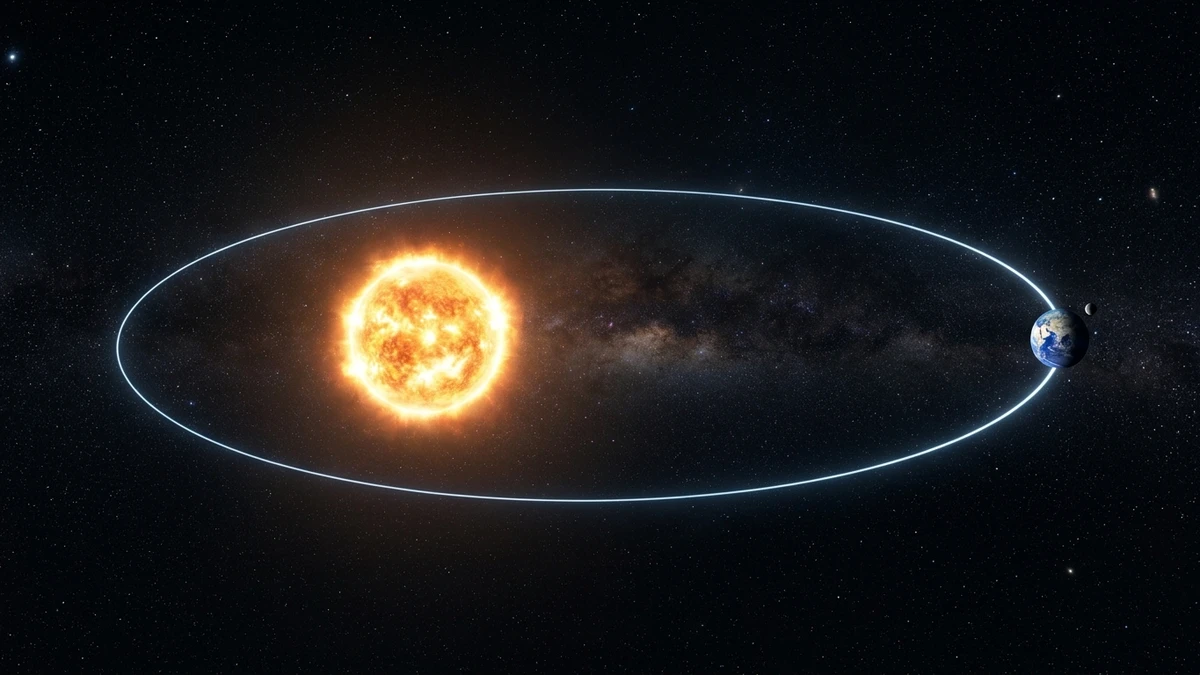
Aphelion (pronounced "ap-HEE-lee-on") exists because Earth's orbit isn't a perfect circle. It's an ellipse, very slightly stretched, so our distance from the Sun changes constantly through the year. Early July is the far end of the loop. Early January is the near end, called perihelion.
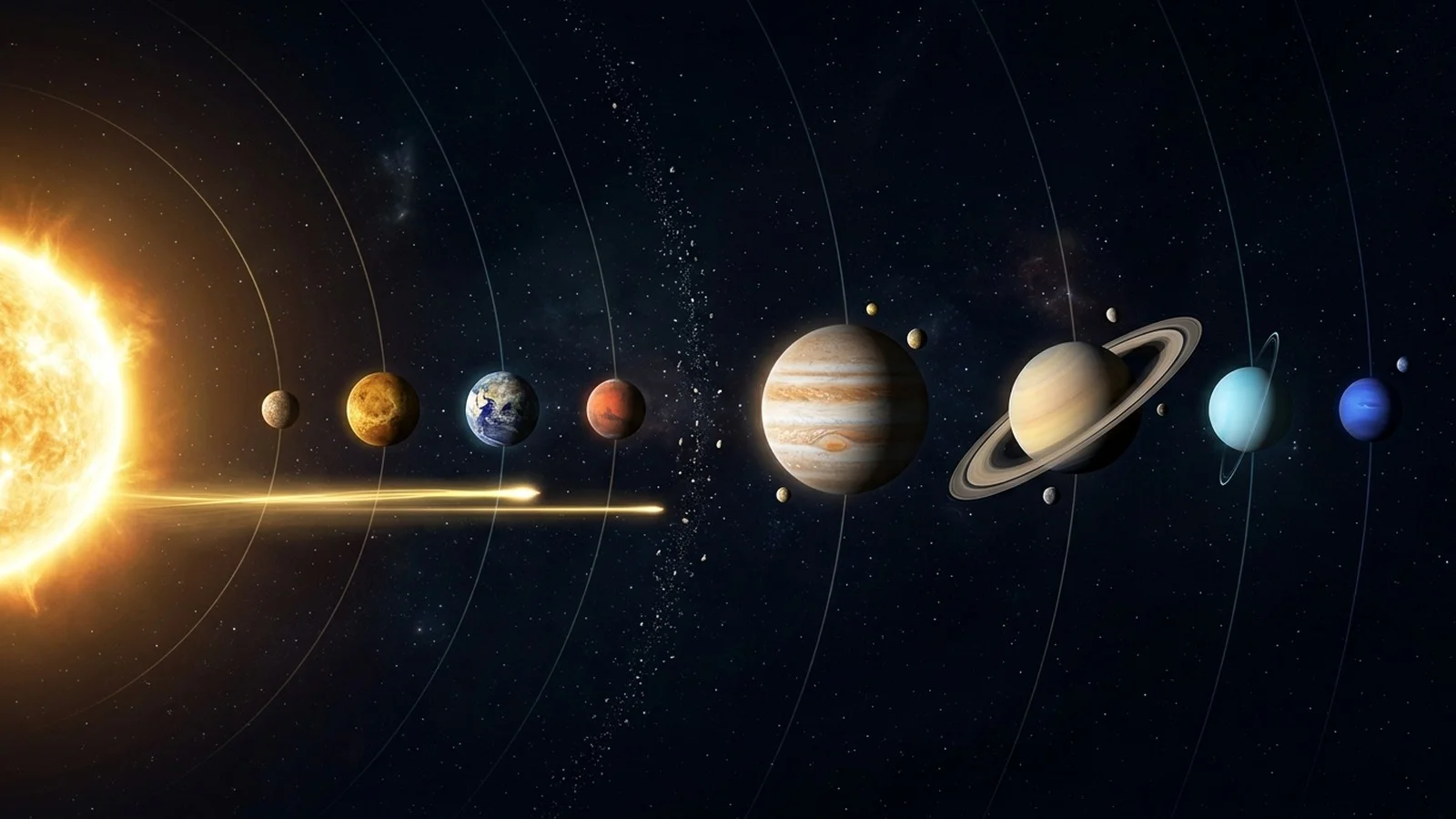
The names come from Greek: helios for Sun, apo meaning away from, peri meaning near. Every planet, comet and asteroid orbiting the Sun has its own aphelion and perihelion. Earth's just happens to land in the middle of the British summer, which is where things get interesting.
Aphelion 2026: Date, Time and Distance
At aphelion on 6 July 2026, Earth sat 152,087,775 km from the Sun: about 94.5 million miles. Back on 3 January, at perihelion, we were roughly 147.1 million km out. The difference is about five million kilometres, or just over 3% of the total.
| Perihelion (closest) | Aphelion (farthest) | |
|---|---|---|
| Date in 2026 | 3 January | 6 July |
| Distance from Sun | ~147.1 million km | 152,087,775 km |
| Earth's orbital speed | ~30.3 km/s | ~29.3 km/s |
| Sun's apparent size | Largest of the year | ~3% smaller |
| UK season | Midwinter | Midsummer |
Five million kilometres sounds enormous. It's roughly 13 times the distance to the Moon. But against the sheer scale of Earth's orbit it's a rounding error, which is why you didn't feel a thing yesterday evening.
One consequence is real, though: sunlight reaching Earth right now is about 7% weaker than it was in January, simply because we're farther from the source. Hold that thought.
Why Is It Hot When Earth Is Farthest From the Sun?
Here's the puzzle that catches almost everyone out at some point: if we're getting 7% less sunlight than in January, why is it summer?
Because distance doesn't cause the seasons. Tilt does.
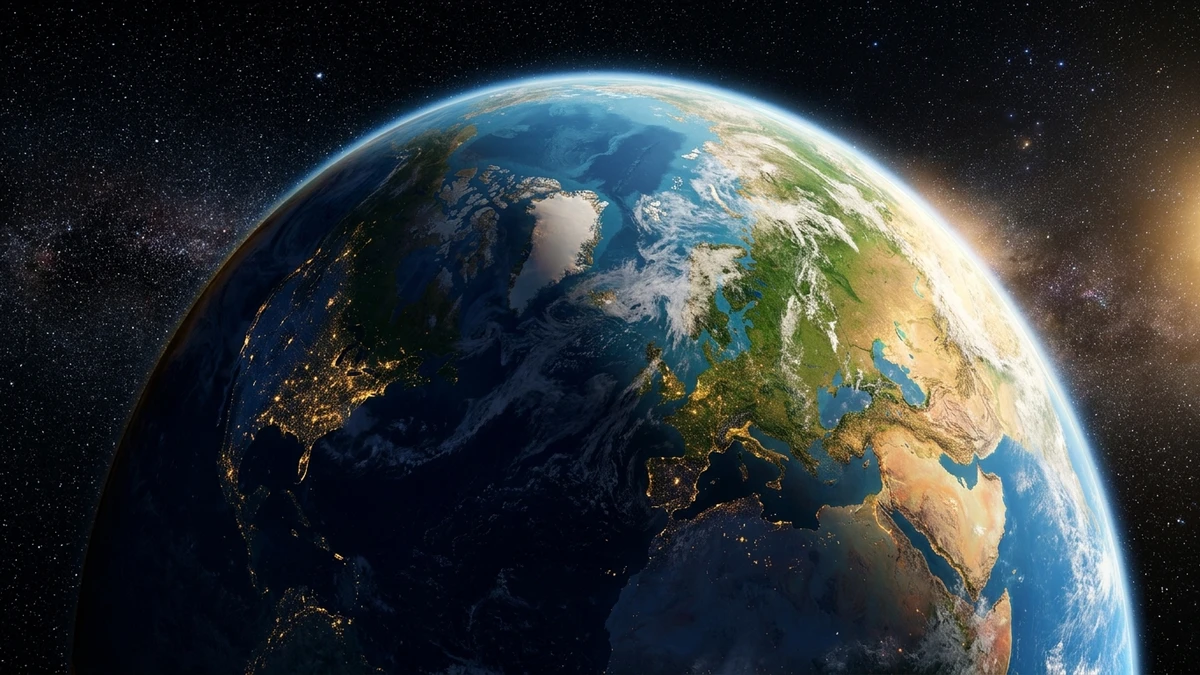
Earth's axis is tipped over by 23.4 degrees, and it stays pointing the same way as we travel around the Sun. In July, the northern half of the planet leans towards the Sun. Days are long, the Sun climbs high, and its light strikes the ground steeply and directly. In January the north leans away: short days, a low Sun, and light spread thin across the surface at a shallow angle.
That geometry is worth far more than 7%. The difference between a UK midsummer day and a midwinter one is over eight hours of daylight and more than 40 degrees of solar altitude. Distance never stood a chance.
The clincher is the southern hemisphere. Australia and Argentina are in midwinter right now, at exactly the same distance from the Sun as us. Same orbit, same aphelion, opposite season. If distance ran the show, that would be impossible.
Make the most of the short summer nights
Kit we've tested and reviewed in full
Aphelion season means late sunsets and brief darkness, but July still offers Saturn before dawn, noctilucent clouds and rich star fields. A pair of binoculars turns a short night into a good one.
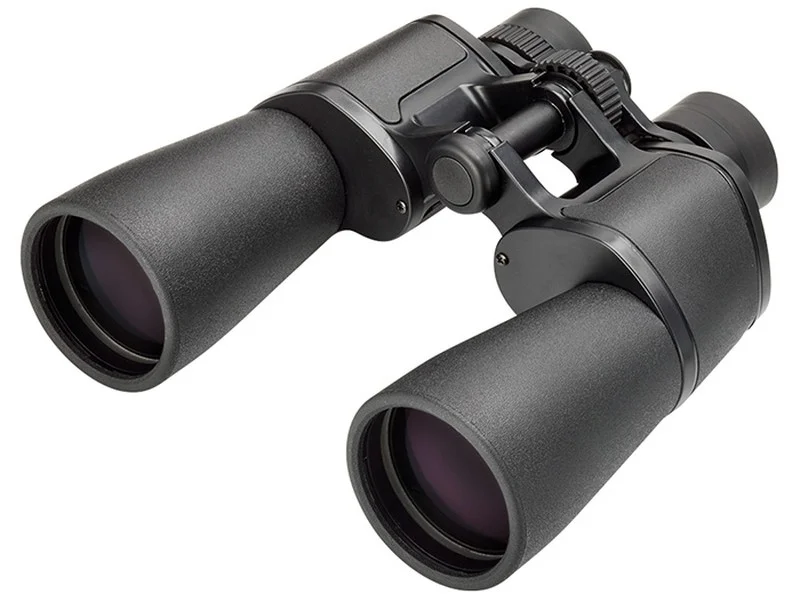
Light, sharp and easy to hold steady, ideal for summer star fields, the Moon and picking out Saturn rising in the small hours.
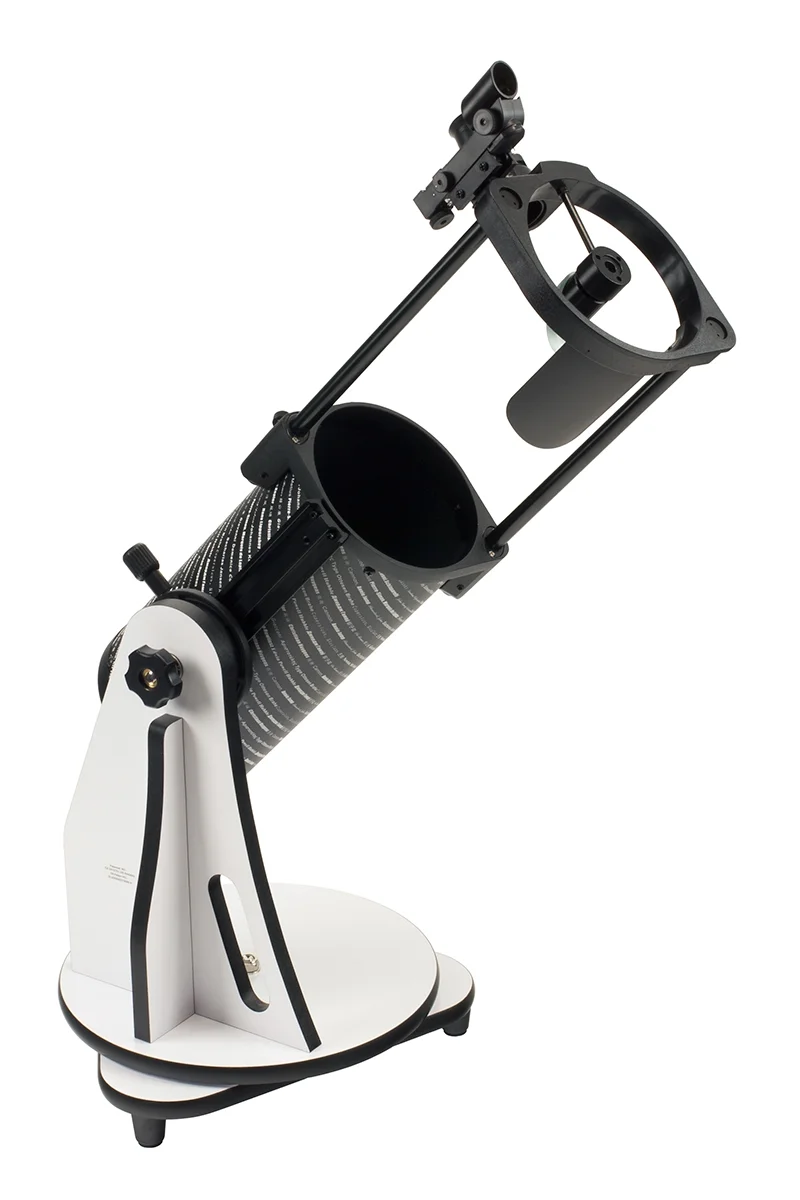
Our favourite beginner telescope. Big enough for Saturn's rings and summer globular clusters, small enough to live on a bookshelf.
Affiliate links: you pay the same price, we earn a small commission that helps keep WatchTheStars free.
Aphelion Makes UK Summers Longer: Here's Why
Aphelion does hand the northern hemisphere one real bonus, and it's a lovely bit of physics.
Johannes Kepler worked out in the 1600s that a planet doesn't travel at a constant speed. It moves fastest when closest to the Sun and slowest when farthest away. Right now, Earth is moving at about 29.3 km per second, its slowest pace of the year. In January it rounds the near end of the orbit at about 30.3 km per second.
Because Earth dawdles through the aphelion end of its orbit, the season we're in lasts longer. Northern hemisphere summer, from the June solstice to the September equinox, runs about 93.7 days. Winter is nearly five days shorter. We get the longest season of the year at the point where the Sun is gentlest.
Southern hemisphere readers get the flip side: their summer falls at perihelion, so it's shorter and, in principle, slightly more intense. In practice the vast southern oceans soak up most of the difference.
Can You Notice Aphelion in the Sky?
Honestly? Not by eye. The Sun today looks about 3% smaller than it did in January, and no human can spot that unaided. Photographers can, though: take a photo of the Sun (with a proper solar filter) at perihelion and another at aphelion using the same camera and lens, and the size difference is obvious when you put the frames side by side. It's one of the most satisfying DIY astronomy projects there is, and one of the few you do at midday. Just never look at the Sun directly, and never point binoculars or a telescope anywhere near it without a certified solar filter.
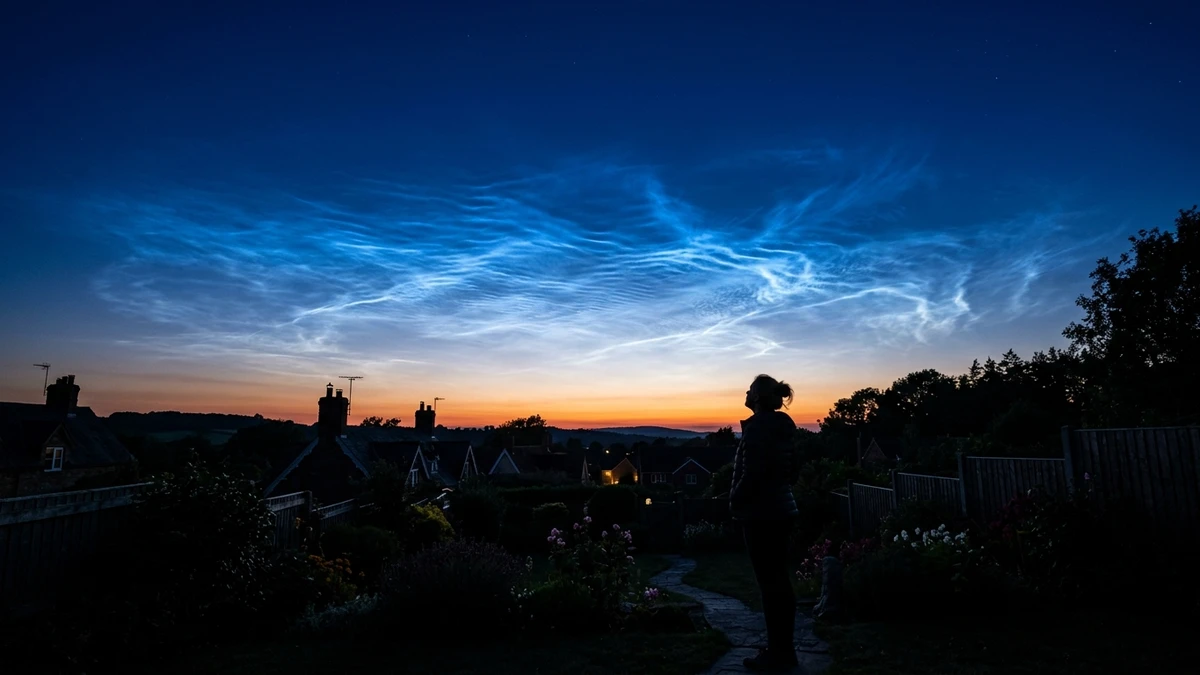
What aphelion really offers is a reason to look at the whole sky differently. The evening light lingering past 9.30 pm and the noctilucent clouds shimmering after sunset are orbital geometry playing out in real time. If you'd like a feel for how the whole machine fits together, have a play with our interactive solar system explorer, or read our guide to how the Moon's phases work, the same clockwork, one step closer to home.
Earth is now falling back towards the Sun, very slowly picking up speed for the next six months. See you at perihelion in January.
Sources:
- Earth farthest from sun, at aphelion, July 6, 2026 · EarthSky
- Perihelion and Aphelion 2026 · timeanddate.com
- Perihelion and Aphelion: How Far Is the Sun from Earth? · The Old Farmer's Almanac
- Aphelion | Definition, Perihelion, Date, Time & Facts · Britannica
- Earth's Seasons: Equinoxes, Solstices, Perihelion, and Aphelion · US Naval Observatory
Frequently Asked Questions
Equipment guides
Related topics
Ian ClaytonAmateur astronomer and founder of WatchTheStars.co.uk, dedicated to helping others explore the wonders of our universe. Full profile →