Key takeaways
- The June solstice falls at 9:24am BST on Sunday 21 June 2026, the exact moment the Sun reaches its highest point in our sky
- London gets about 16 hours 39 minutes of daylight; Lerwick in Shetland gets nearly 19 hours
- The longest day does NOT have the earliest sunrise: that fell on 17 June, with the latest sunset around 24–25 June
- Stonehenge aligns with the solstice sunrise, drawing tens of thousands of visitors each year
- Short, bright nights make June the toughest month for deep-sky stargazing, but a great one for noctilucent clouds
Jump to section 7 sections
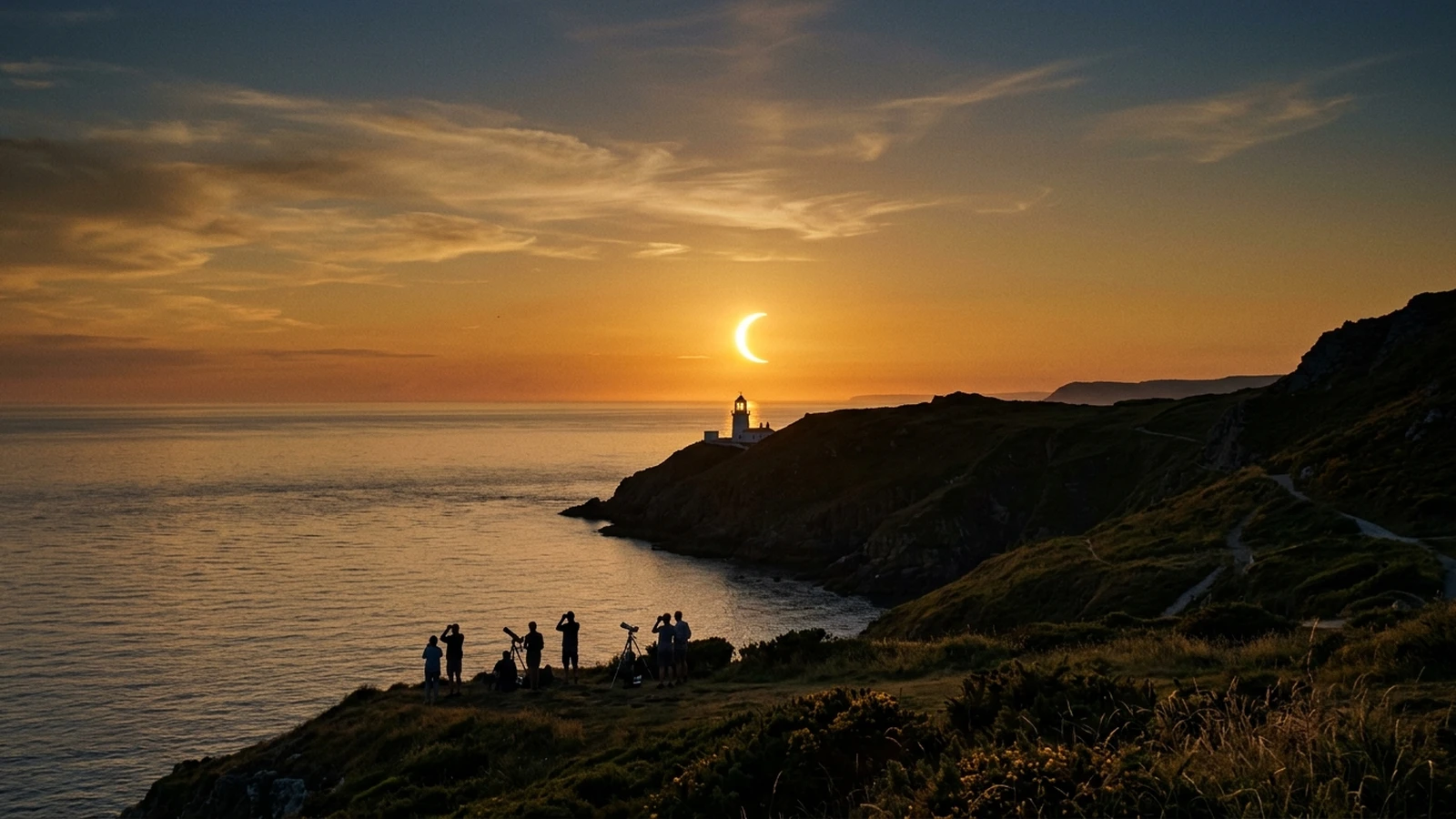
For one moment this weekend, the Sun will pause. Not literally, of course, but the word solstice comes from the Latin sol (Sun) and sistere (to stand still), describing the point at which the Sun's daily climb up our sky reaches its highest and appears, briefly, to halt before reversing. That moment arrives at 9:24am BST on Sunday 21 June 2026, and it marks the longest day of the year across the UK and the official start of astronomical summer in the Northern Hemisphere.
Here's what's actually happening, why it matters, and how to make the most of the year's shortest night.
What Is the Summer Solstice?
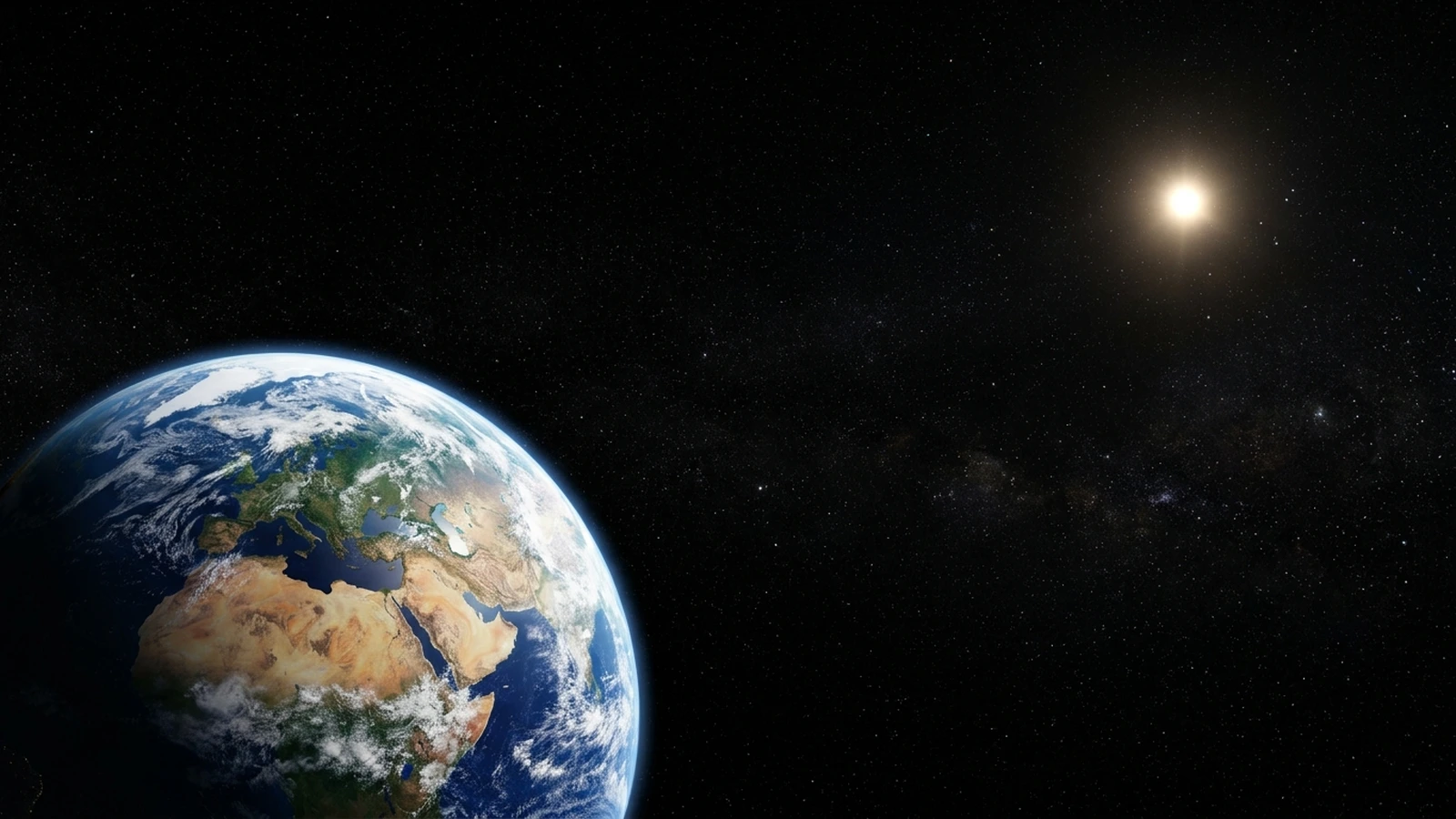
The solstice has nothing to do with the Earth being closer to the Sun: in fact, we're at our farthest from the Sun in early July. The cause is the tilt of our planet.
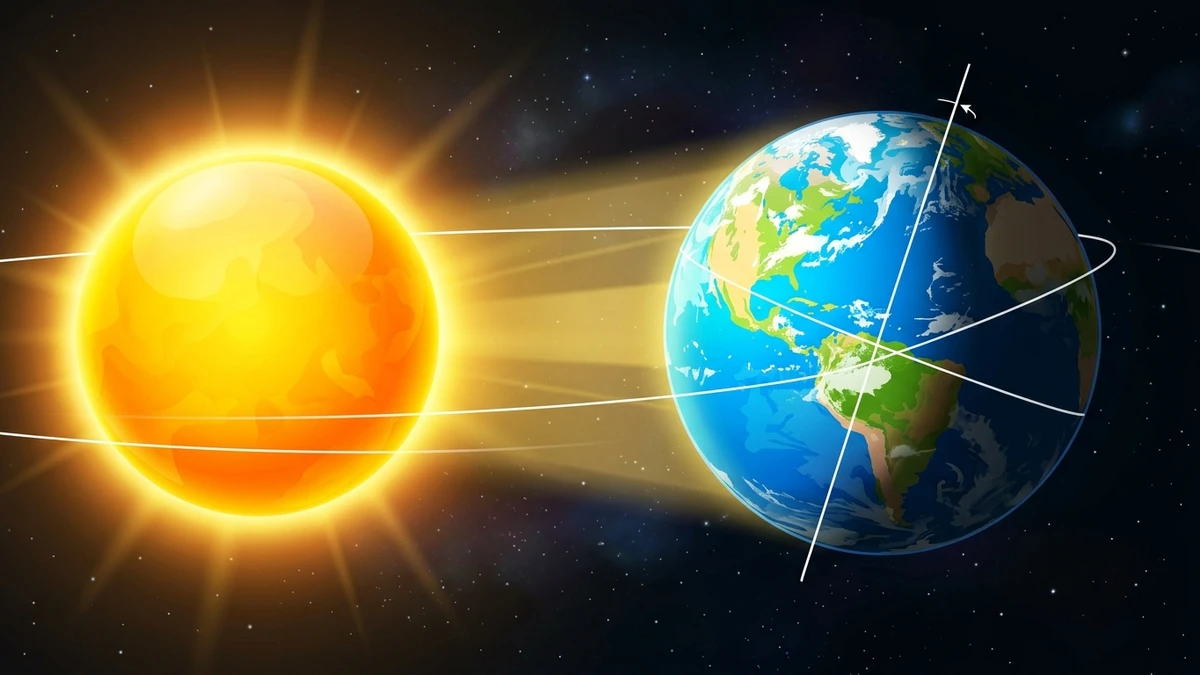
Earth spins on an axis that is tilted about 23.4 degrees relative to its orbit around the Sun. As we travel that orbit over the course of a year, that tilt means each hemisphere takes turns leaning toward the Sun. At the June solstice the Northern Hemisphere is angled as far toward the Sun as it ever gets. The Sun climbs higher in our sky than on any other day, daylight stretches to its maximum, and the Sun's rays strike us most directly.
Stand outside at noon on solstice day and the Sun will be higher overhead than you'll see it all year. Your shadow will be the shortest it ever gets. Six months from now, at the December solstice, the situation reverses entirely: the same tilt that gives us our longest day now will hand us our shortest.
The Exact Moment: 21 June at 9:24am BST
It's worth remembering that the solstice is an instant, not a day. The precise moment in 2026 is 09:24 BST on Sunday 21 June: the point at which the Sun reaches its northernmost position in the sky, sitting directly overhead at the Tropic of Cancer.
We mark the whole of 21 June as "the longest day" out of convenience, but the astronomical event itself is over in a heartbeat. After it, the Sun begins its slow southward drift again, and our days, imperceptibly at first, start to shorten.
You won't see anything dramatic at 9:24am. There's no flash, no visible shift. But it's a genuine turning point in Earth's year, and one humans have tracked and celebrated for thousands of years.
How Much Daylight Will You Get?
This is where the UK's geography becomes a real advantage. Because the amount of daylight at the solstice increases the further north you go, Britain does very well indeed.
- London: about 16 hours 39 minutes of daylight
- Manchester and Leeds: roughly 17 hours
- Edinburgh and Glasgow: around 17 hours 30 minutes
- Lerwick, Shetland: nearly 19 hours
In the far north of Scotland, true darkness essentially disappears for a few weeks around the solstice. The Sun dips so shallowly below the horizon that the sky never fully blackens, a lingering twilight known as the "simmer dim" in Shetland, where you can comfortably read a book outdoors at midnight.
Even in southern England the night is remarkably short. By the time astronomical twilight ends and the sky is genuinely dark, you have only a couple of hours before dawn begins to creep back in.
Why the Longest Day Isn't the Earliest Sunrise
Here's a quirk that surprises almost everyone: the longest day of the year does not have the earliest sunrise or the latest sunset.
In 2026 the earliest sunrise actually happened back on 17 June, several days before the solstice. And the latest sunset won't come until around 24–25 June, several days after it. The solstice simply sits in the middle, with the greatest total daylight, but neither extreme of sunrise or sunset falls exactly on it.
The reason is a combination of Earth's tilt and the fact that our orbit is slightly elliptical, which together cause the "solar day" to drift very slightly out of step with our clocks throughout the year. Astronomers call this discrepancy the equation of time. It's the same effect that makes a sundial run a little fast or slow compared to your watch depending on the season. So if you want to catch the earliest sunrise, you've already missed it, but the latest, lingering sunsets are still to come.
Stonehenge and the Ancient Connection
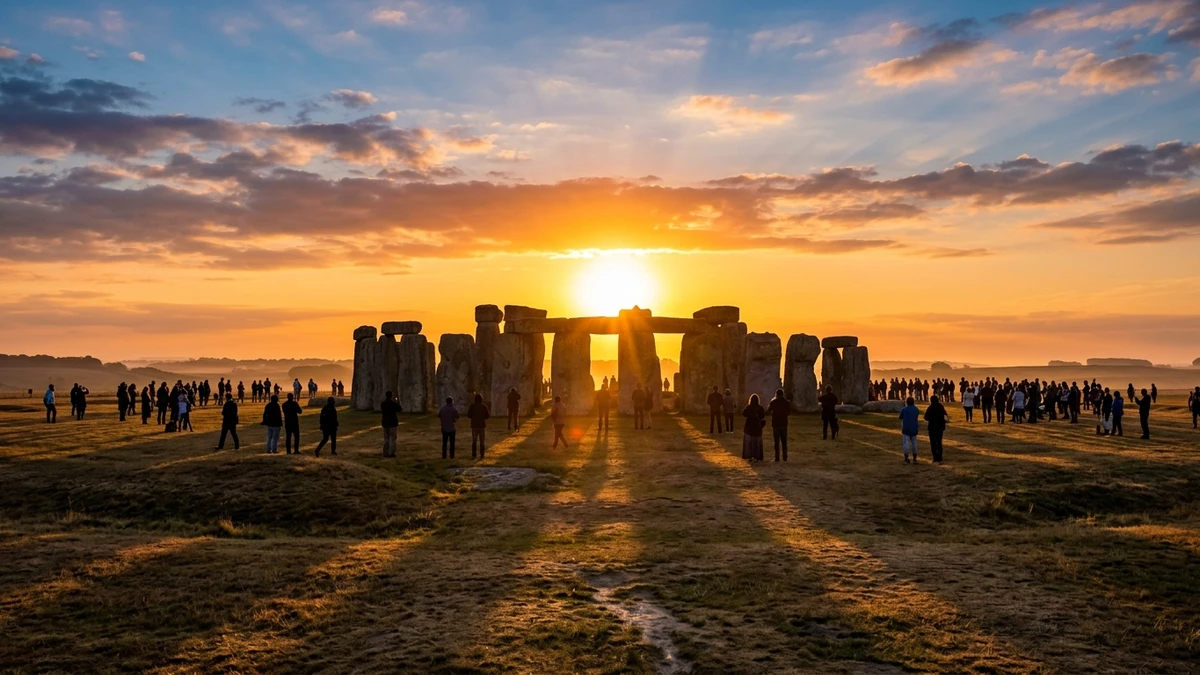
No discussion of the British solstice is complete without Stonehenge. The 5,000-year-old monument on Salisbury Plain was deliberately built to align with the solstices: on the morning of the summer solstice, the Sun rises behind the Heel Stone and sends its first light straight into the heart of the stone circle.
This alignment is no accident. Whoever raised those stones understood the Sun's movement with remarkable precision, and the monument still works as designed. Each year tens of thousands of people (modern Druids, Pagans, spiritual seekers and the simply curious) gather to watch the sunrise together.
For 2026, English Heritage is offering free managed access to Stonehenge overnight from Saturday 20 June into Sunday 21 June, with the sunrise itself expected at roughly 4:52am. If you're planning to attend, note that on-site parking has sold out, so the advice is to travel via Salisbury and use the dedicated Salisbury Reds bus service.
What the Solstice Means for Stargazers
For all its daytime glory, the solstice is a slightly bittersweet moment for astronomers. The longest day means the shortest night, and June is genuinely the most difficult month of the year for serious stargazing in the UK. There simply isn't enough proper darkness to hunt down faint galaxies and nebulae, and from northern Britain astronomical darkness vanishes altogether for several weeks.
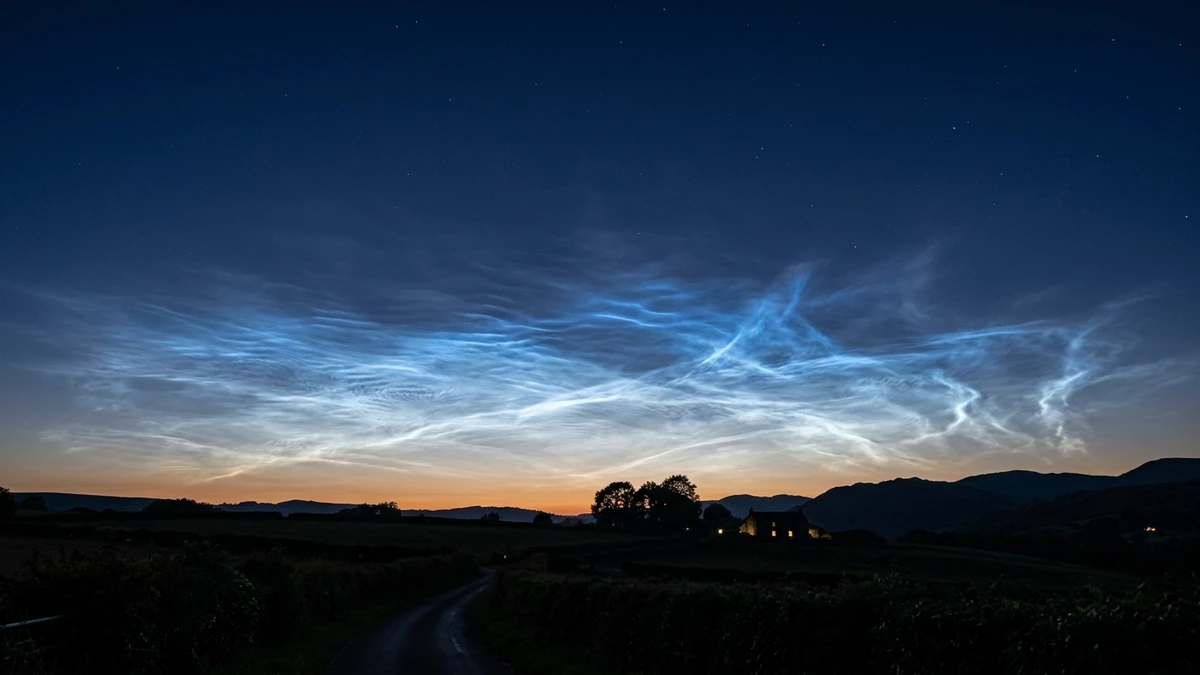
But there's a consolation prize unique to this time of year: noctilucent clouds. These eerie, electric-blue wisps form at the very edge of space, around 80km up, and are only visible in the deep twilight of high summer. Look low toward the north between about midnight and 2am on clear nights through late June and July, they shimmer like silvery mother-of-pearl long after ordinary clouds have gone dark. The weeks around the solstice are prime noctilucent cloud season.
The planets are also putting on a show in the evening sky right now. Brilliant Venus dominates the west after sunset, with Jupiter and Mercury lower toward the horizon, well worth a look before the short night swallows what little darkness there is. For the full rundown, see our complete UK June night sky guide.
Gear for the shortest nights
Kit we've tested and reviewed in full
Midsummer is binocular-and-camera season, not deep-sky season. With so little true darkness, the rewards are the bright evening planets, the noctilucent clouds low in the north, and getting set up for the long nights returning in autumn. Here's what we'd reach for.
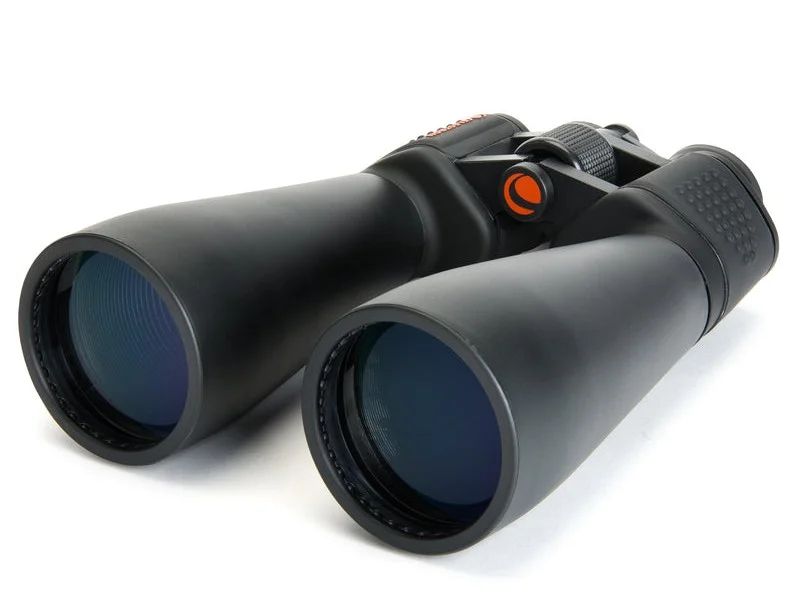
The ideal solstice tool. Sweep the northern horizon for the shifting structure in noctilucent clouds, then swing west to split Venus, Jupiter and Mercury out of the bright twilight. No setup, no dark adaptation: just grab and look up.
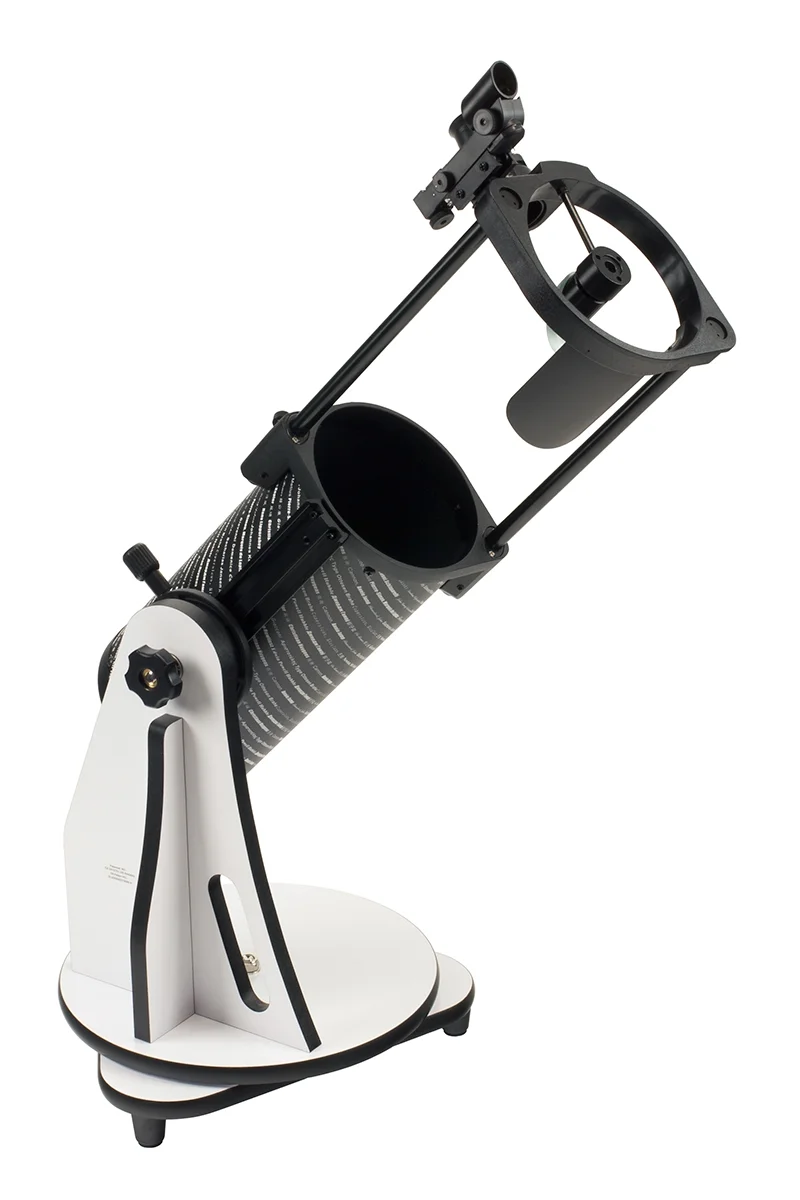
A grab-and-go tabletop scope that turns the evening planets into real worlds: Venus's crescent phase, Jupiter's cloud belts and its four bright moons. Light enough to carry outside in the brief window of summer dusk, and ready for everything else once the dark nights return.

Sky-Watcher Star Adventurer 2i
Noctilucent clouds photograph beautifully, and a tracking mount lets you build sequences of their drift, then run untrailed wide-field shots of the summer Milky Way as the sky darkens again. The single upgrade that most changes what your camera can do at night.
Affiliate links: you pay the same price, we earn a small commission that helps keep WatchTheStars free.
After the Solstice: The Nights Draw In
Once the solstice passes, the long slow swing back toward winter begins. The change is gradual at first, you'll lose only a minute or two of daylight a day through early July, but by August the darkening evenings are obvious, and stargazers start to celebrate as real darkness returns.
There's something quietly profound about the solstice. It's a moment our ancestors tracked with stone and ritual long before anyone understood axial tilt or orbital mechanics, and it still connects us to the same rhythm: the Earth tilting through space, the Sun riding high, the year turning on its hinge.
So whether you're heading to Stonehenge for sunrise, watching for noctilucent clouds at midnight, or simply enjoying the longest, lightest evening of the year in your own back garden, step outside this weekend. The shortest night of the year only comes around once.
Clear skies.
Sources:
- Summer Solstice 2026 · English Heritage
- Summer solstice · Royal Observatory Greenwich
- Sunrise and sunset times in London, June 2026 · timeanddate.com
- Celebrating summer solstice 2026 · Countryfile.com
Frequently Asked Questions
Equipment guides
Related topics
Ian ClaytonAmateur astronomer and founder of WatchTheStars.co.uk, dedicated to helping others explore the wonders of our universe. Full profile →