Aphelion 2026: Why It's Summer When Earth Is Farthest From the Sun
Earth reached aphelion on 6 July 2026 — its farthest point from the Sun all year. So why is it the middle of summer? The answer is all about tilt.
What to see tonight, beginner tips, and season-by-season guides written for real British weather
UK stargazing comes with a specific set of problems — cloud, light pollution, and skies that only really go dark for half the year. Our observing guides are written around those problems, not around the fantasy of a permanently clear desert sky. Every guide tells you what's realistic to see from a British back garden, and what actually needs a proper dark-sky trip.
You'll find guides to the Moon's phases, the planets currently visible, meteor showers worth losing sleep over, and beginner-friendly explainers for anyone who's never picked out a constellation before. We update the seasonal guides as the sky changes, so what's featured here should always be worth looking up at tonight, not last month.
New to this? Start with a beginner guide and a pair of binoculars — you'll see more than you'd think. Looking for something specific instead, like a mission update or an unexplained sighting? Try space news or UAP & UFO research.
Earth reached aphelion on 6 July 2026 — its farthest point from the Sun all year. So why is it the middle of summer? The answer is all about tilt.
Mars and the Pleiades make their closest pairing until 2034 this week. Here's when to look, where in the sky to find them, and how to see it from the UK.
June's full Strawberry Moon peaks late on 29 June 2026 and rides the lowest, most golden arc of any full moon this year. Here's when and how to see it from the UK.
The waxing gibbous Moon sits right beside Spica, Virgo's brightest star, on the evening of 23 June 2026. Here's what time to look and where from the UK.
The June solstice arrives at 9:24am BST on Sunday 21 June, giving the UK its longest day of the year. Here's the science, the Stonehenge connection, and what it means for stargazers.
The crescent Moon and Venus meet just 16 arcminutes apart on 17 June 2026. What time to look from the UK, where to find them, and who sees the occultation.
Every 2026 full Moon date with UK times, the 28 August partial lunar eclipse, two supermoons — and why full Moon is the worst night to look.
Two of the brightest objects in the night sky are almost touching this week. Here's exactly where to look and when, with Stellarium finder charts for UK observers.
May ends with a rare double event: the second full moon of the month is also a micromoon, appearing near the red star Antares low in the southern sky tonight.
Venus and Jupiter are closing in on each other in the evening sky, heading for a spectacular conjunction on June 9. You can track their approach with the naked eye starting tonight.
A new free tool on WatchTheStars lets you scroll through the entire Solar System at logarithmic scale — complete with a speed-of-light animation, auto-tour mode, and every planet rendered with its real surface features.
The Lyrids are the oldest meteor shower on record, watched by humans for 2,700 years. They return every April with bright, fast meteors and the occasional fireball. Here's how, when and where to watch them from the UK.
Up to 6 planets are visible in the pre-dawn sky late February–early March 2026. Venus anchors the lineup at magnitude −4.2, with Jupiter, Saturn, Mars, Uranus and Neptune spread across the southeast. No telescope needed for the four brightest.
Jupiter reached opposition on 10 January 2026 in Gemini, closest approach ~633 million km, magnitude −2.7. Evening object through early July, then returns to morning sky from mid-August. Month-by-month guide to cloud bands, Great Red Spot and Galilean moons.
Mars is having a quiet but significant year in 2026. It passed behind the Sun on 9 January (solar conjunction) and was completely invisible for a couple of m…
Mercury is one of the most satisfying planets to track down precisely because it's awkward. It never wanders far from the Sun, so you're always hunting for i…
Neptune is the hardest of the eight planets to observe. It never becomes naked-eye, it looks like an ordinary faint star in binoculars unless you know exactl…
Saturn is most people's favourite thing to see through a telescope, and 2026 is a good year to point one at it. After the rings turned nearly edge-on in 2025…
Uranus is a genuinely interesting challenge. At magnitude +5.6 it's just within naked-eye reach from a dark field, yet it looks exactly like a faint star — n…
Venus is impossible to miss when it's in the sky. In 2026 it's giving us a long, well-placed evening apparition, dominant in the western sky from March right…
Mercury reaches greatest elongation around 20–22 February — the best window of early 2026. Look 30–45 minutes after sunset, low in the western sky. Here's exactly where and when.
Moon phases are caused by your viewing angle on the illuminated half — not Earth's shadow. This guide covers all 8 phases, the 29.5-day cycle, and the best phase for telescope viewing.
Winter gives you the longest nights of the year plus Orion, Sirius and the Pleiades — here's how to make the most of them, from layering up to finding your first deep-sky objects.
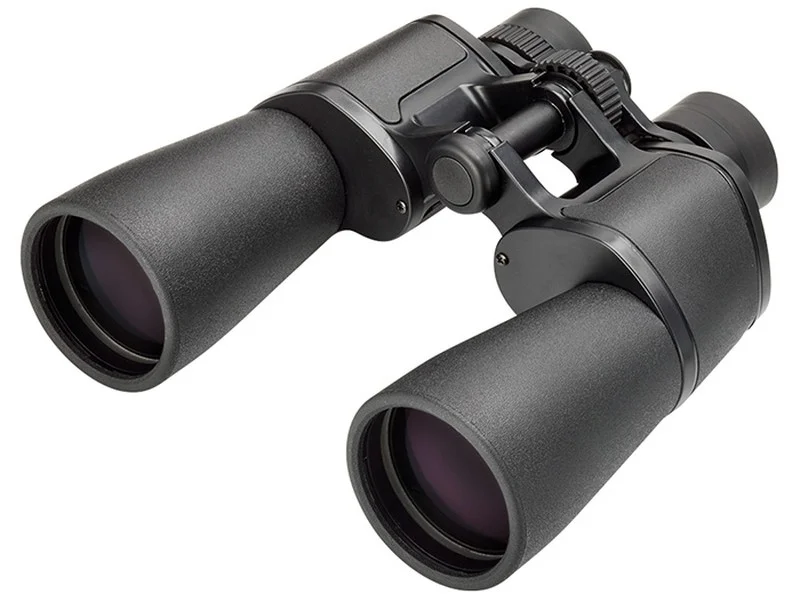
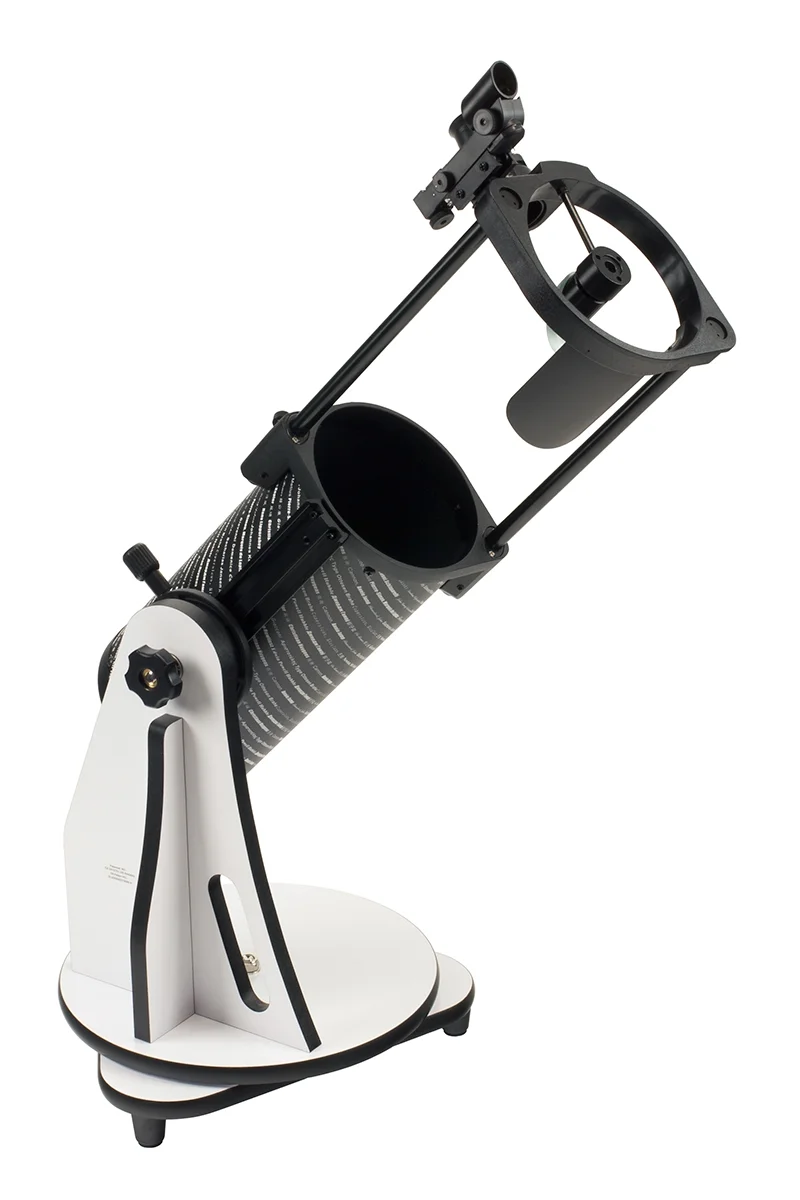
You don't need much to get going, and you definitely don't need to spend big on your first purchase. These two cover almost everything our observing guides recommend, from your first look at the Moon to hunting down fainter deep-sky targets.
Browse all our equipment guides →
Affiliate disclosure: links to First Light Optics use our referral code. You pay the same price — we earn a small commission that helps keep WatchTheStars free.