Key takeaways
- Starship Flight 13 aborted at T-0 on 16 July 2026 when four of the Super Heavy booster's 33 Raptor engines failed to ignite.
- Elon Musk says two Raptor engines need replacing, with the next launch attempt most likely early next week.
- Flight 13 is a big one: it carries 20 working Starlink V3 satellites, the first real cargo Starship has ever flown.
- The launch window opens at 11:45pm UK time, so British viewers can watch the world's biggest rocket fly live before bed.
Jump to section 6 sections
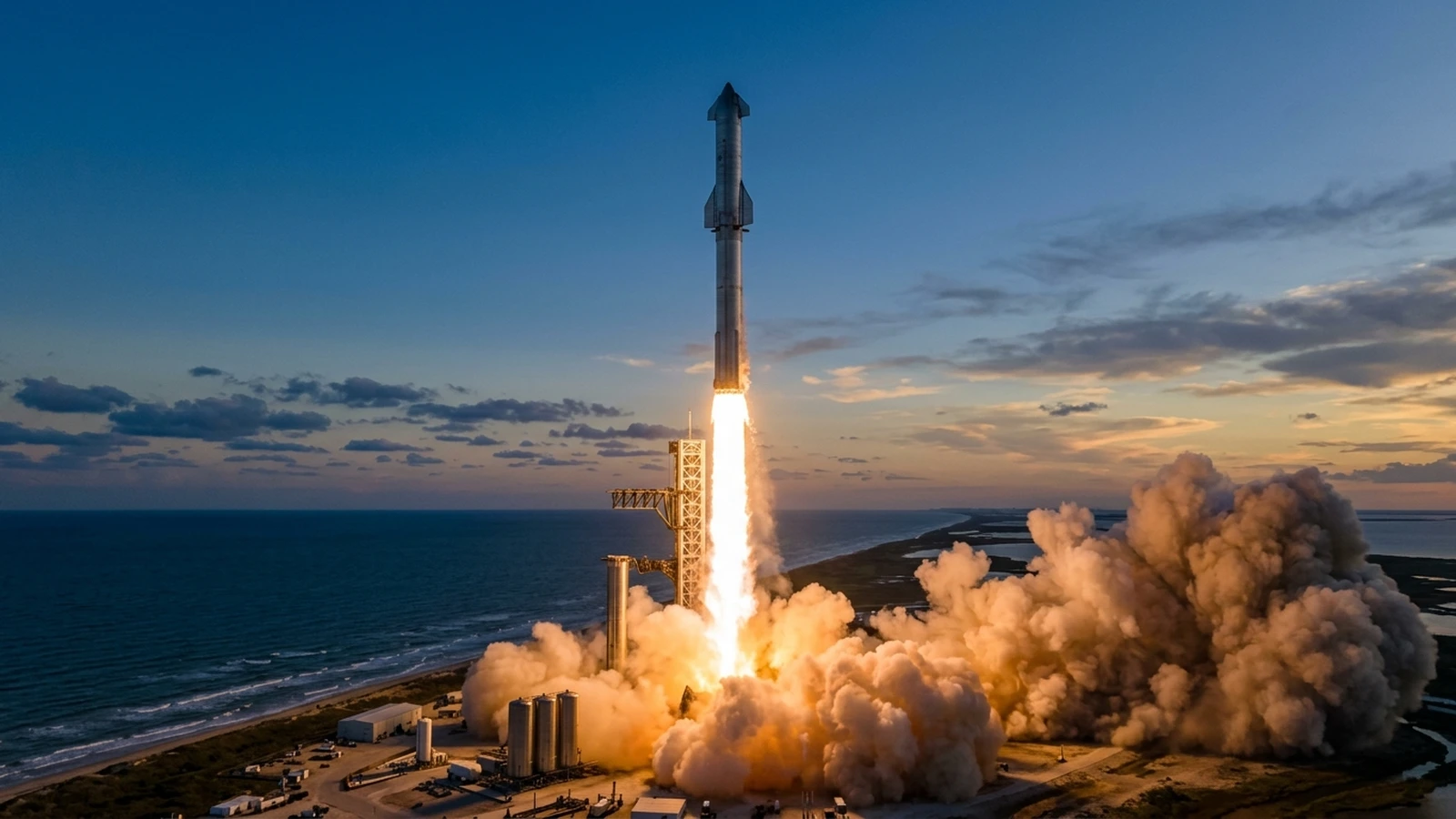
The world's biggest rocket got as far as zero. On Thursday 16 July, SpaceX's Starship Flight 13 reached the very end of its countdown at Starbase in Texas, lit its engines, and stopped. Four of the 33 Raptor engines on the Super Heavy booster failed to ignite, and the flight computer called off the launch with the rocket still on the pad.
It's a frustrating near-miss for a flight that matters more than most. Flight 13 is carrying real cargo for the first time: 20 of SpaceX's new Starlink V3 satellites. The good news is that the rocket is fine, and the next attempt is probably only days away.
Starship Flight 13 Abort: What Happened
The launch attempt came at 6:45pm local time in Texas, which was 11:45pm here in the UK, right at the opening of a 90-minute window. The countdown ran smoothly all the way to zero. Then, just as the booster's engines began to light in sequence, the on-screen telemetry showed four of them refusing to start.
Starship's flight computer is designed for exactly this moment. It checks that every engine is healthy in the fraction of a second between ignition and release, and if anything looks wrong it holds the rocket down. That's what happened. The engines shut off, the vehicle stayed clamped to the pad, and SpaceX stood down for the evening.
An abort at T-0 looks dramatic, but it's the system working as intended. Far better to catch a sick engine on the ground than 100 metres in the air.

Why Did the Starship Launch Abort?
Elon Musk gave the answer on X a few hours later: two Raptor engines on the Super Heavy booster need to be replaced before the rocket can fly. Four engines failed to ignite on the night, but only two of them need swapping out.
Raptor engines are the heart of Starship, and 33 of them fire together at liftoff. That's more engines than any other rocket flying today, which is part of why Starship is so powerful and also why there are so many things that can hold up a launch. To SpaceX's credit, engine swaps at Starbase are routine work, done with the booster still on or near the pad.
There's no sign of damage to the vehicle or the launch mount. This wasn't an explosion or a failure in flight, just a rocket that declined to leave until everything was right.
When Is the Next Starship Launch?
SpaceX hasn't announced a confirmed new date yet. Musk says the most probable timing is early next week, meaning the week beginning Monday 20 July, once the two Raptors have been replaced and checked out.
That quick turnaround would itself say something about how far Starship has come. In the programme's early days an abort like this could mean weeks of delay. Now it's a few days and a couple of engine swaps. We'll update this post when SpaceX confirms the new launch time.
Starlink V3 Satellites: Starship's First Real Cargo
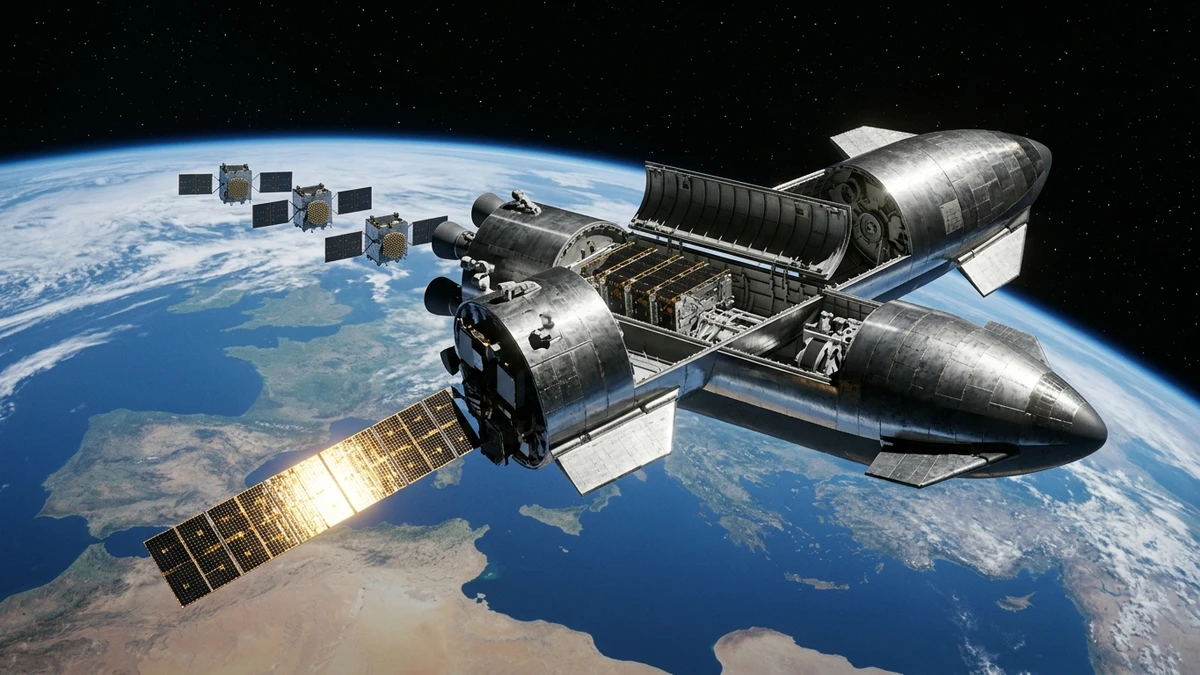
Twelve test flights got Starship to this point, some carrying dummy payloads shaped like satellites. Flight 13 is different. Inside Ship 40's payload bay are 20 working Starlink V3 satellites, each weighing about two tonnes. It's the first time Starship has carried anything real.
V3 is the biggest and most capable Starlink satellite yet, far too large to fly on a Falcon 9. Once deployed, the satellites will unfold their solar arrays, switch on their antennas and try to connect to the wider Starlink network using laser links. SpaceX says each V3 adds enormous capacity to the network, which is why getting Starship flying regularly matters so much to the company's plans.
There's a catch, though a deliberate one. Flight 13 flies a suborbital arc, with Ship 40 splashing down in the Indian Ocean off Western Australia about 65 minutes after launch. The satellites follow the same path, so around 20 minutes after deployment they burn up over the ocean. This is a full dress rehearsal of the delivery system, not a delivery. Six of the 20 satellites even carry cameras pointed back at Ship, to film how its heat-shield tiles cope with reentry.
Can You See Starlink Satellites From the UK?
You can, and it's one of the easiest satellite sights in the sky. In the first few days after a Starlink launch, the satellites travel in a closely spaced line known as a train: a string of moving lights crossing the sky one after another, bright enough for the naked eye. People regularly mistake them for UFOs, which given everything else going on in the news is understandable.
To be clear, you won't see Flight 13's satellites, because they burn up on the same day they launch. But Falcon 9 rockets loft new batches of Starlinks most weeks, and those trains pass over the UK all the time. A free tracking site such as findstarlink.com will give you pass times for your town. The best views come within a week of launch, before the satellites spread out and climb to their working orbits, where they fade to the edge of naked-eye visibility.
And once Starship starts delivering V3 satellites to real orbits, the trains will be something else again: fewer satellites per line than the Falcon 9 batches, but each one far bigger and brighter. Astronomers are already nervous about it. Skywatchers will want to catch one at least once.
Kit for Satellite Spotting
Kit we've reviewed in full
A Starlink train is a naked-eye sight, but binoculars turn a line of dots into individual satellites sliding past the stars. The same pair will show you the ISS, the Moon and plenty more besides. See our guide to choosing astronomy binoculars.

Wide field of view and light enough to hand-hold, ideal for tracking a satellite train across the sky.

Big 70mm lenses pick up fainter satellites and older Starlinks that have dimmed since launch.

Sharper, brighter views for anyone who wants satellite-spotting kit that doubles as proper stargazing gear.
Affiliate links: you pay the same price, we earn a small commission that helps keep WatchTheStars free.
How to Watch the Starship Launch From the UK
Starship flies from Starbase, on the Texas Gulf coast, so watching in person means a trip to America. Happily the free livestream is excellent, with onboard cameras that have made previous flights some of the best rocket footage ever broadcast.
Coverage appears on SpaceX's Flight 13 page and the company's X account, typically starting about 30 minutes before liftoff. If the next attempt keeps a similar slot, the window opens at 11:45pm UK time, so you can watch the biggest rocket ever built leave the planet and still get to bed at a sensible hour. The flight itself runs just over an hour from liftoff to Ship's splashdown.
Worth staying up for? We think so. Rockets this size don't fly often, and after China's net-catch landing earlier this month, it's shaping up to be quite a summer for spaceflight.
Sources:
- SpaceX's Starship Flight 13 test launch aborts at last second · Space.com
- Post-ignition anomaly causes abort of SpaceX's Starship Flight 13 · Spaceflight Now
- SpaceX aborts Starship Flight 13 launch attempt · SpaceNews
- Starship's Thirteenth Flight Test · SpaceX
Frequently Asked Questions
Equipment guides
Related topics

Ian ClaytonAmateur astronomer and founder of WatchTheStars.co.uk, dedicated to helping others explore the wonders of our universe. Full profile →