Key takeaways
- Skyroot Aerospace's Vikram-1 reached orbit on its first attempt on 18 July 2026, making it India's first privately built orbital rocket.
- India is now only the third country, after the United States and China, where a private company has launched a rocket to orbit.
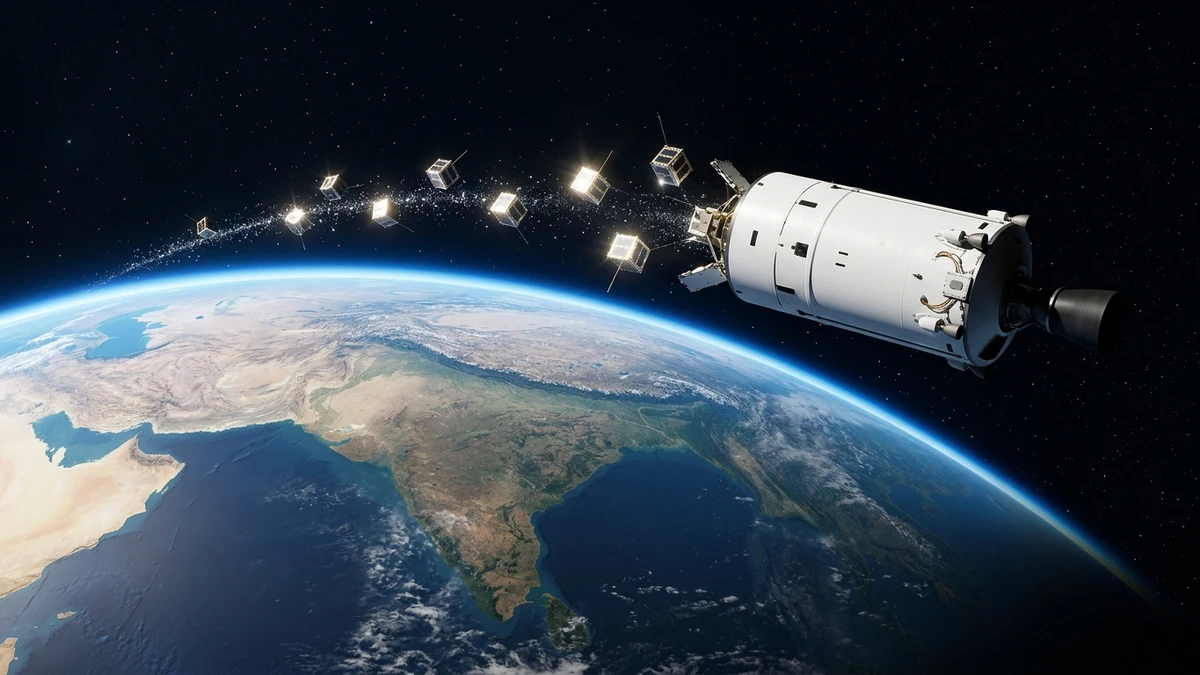
- The four-stage rocket carried six payloads, including Skyroot's own SCOPE satellite and a robotic arm designed to grab space debris.
- Vikram-1 can lift about 350 kg to low Earth orbit, and Skyroot wants it to become a 'cab service' for small satellites.
Jump to section 6 sections
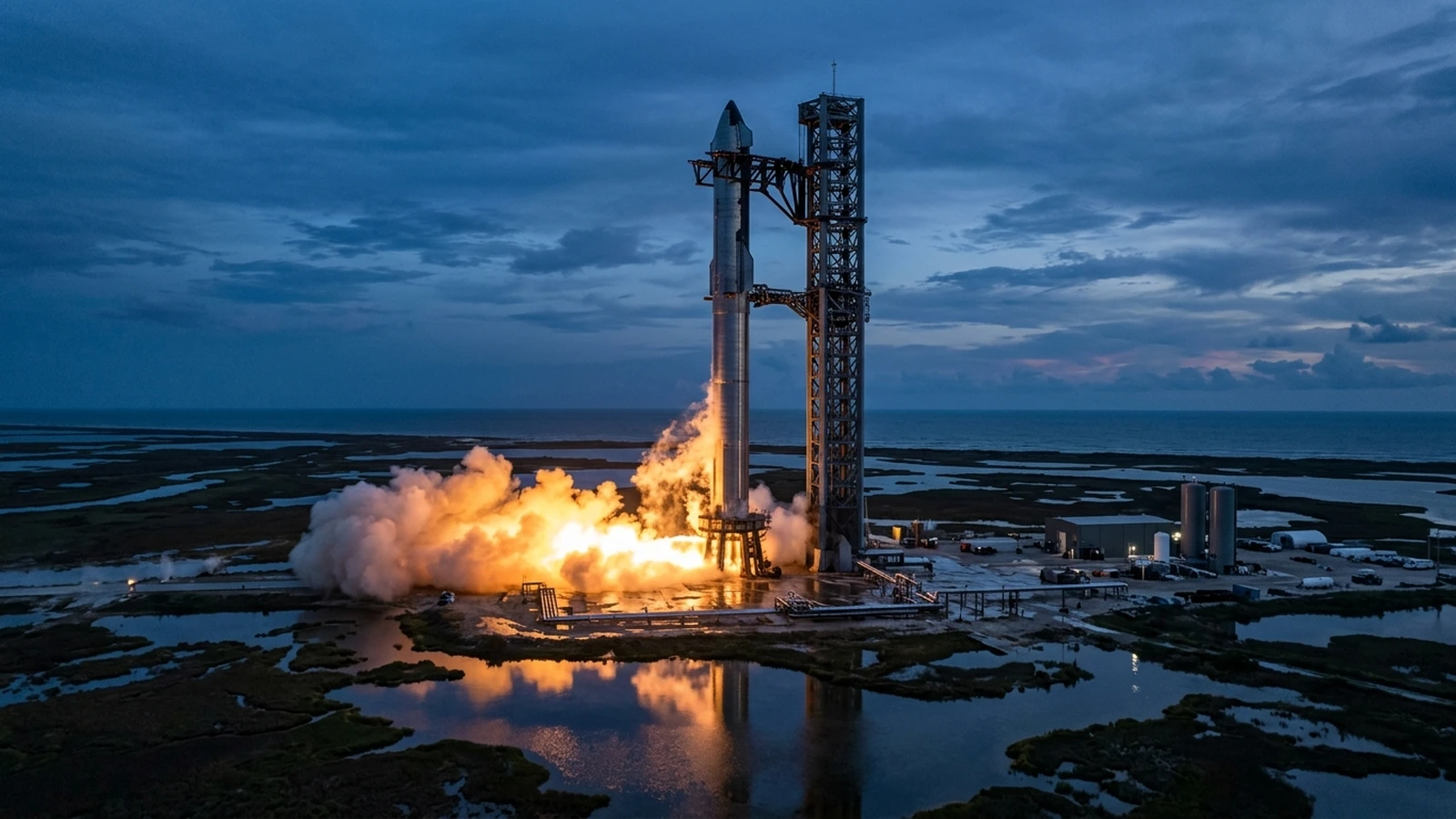
India's first privately built orbital rocket has reached space and stayed there. Skyroot Aerospace's Vikram-1 lifted off from Sriharikota at 11:30am local time on Saturday 18 July (7am here in the UK) and delivered six payloads into low Earth orbit on its very first flight.
That makes India only the third country in the world, after the United States and China, where a private company has launched a rocket to orbit. Until Saturday, every Indian orbital launch had been flown by ISRO, the national space agency.
Vikram-1 Launch: What Happened
Vikram-1 lifted off at 11:30am local time from the First Launch Pad at the Satish Dhawan Space Centre on Sriharikota island, a pad ISRO has used for decades, and reached its planned orbit about 16 minutes later. Skyroot named the flight Mission Aagaman, a Hindi word meaning "arrival". The countdown held briefly while engineers checked a technical snag, then the four-stage rocket climbed away over the Bay of Bengal.
Once Skyroot confirmed the payloads were in orbit, the congratulations came quickly. Prime Minister Narendra Modi praised the team within the hour, calling the flight "merely the beginning" for India's private space sector.
First flights fail more often than they succeed. SpaceX lost its first three Falcon 1 launches. Astra, Firefly and Virgin Orbit all dropped rockets in the sea before (or instead of) reaching orbit. Getting there on attempt one puts Skyroot in rare company.
What Is the Vikram-1 Rocket?
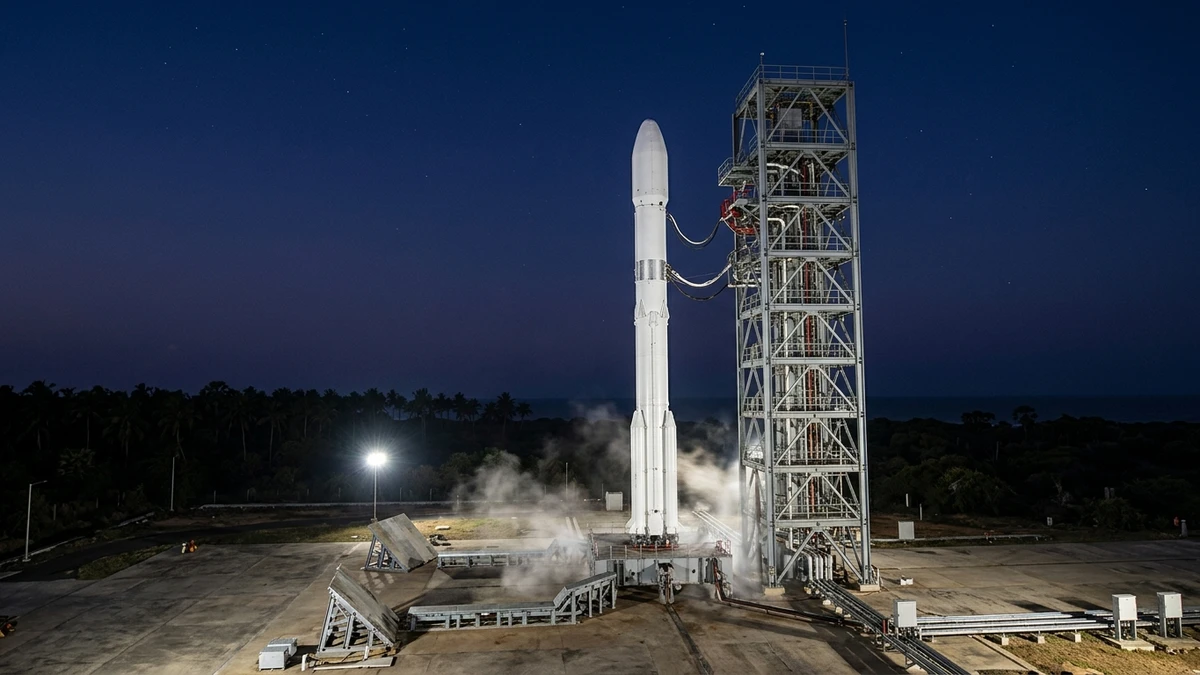
Vikram-1 is a small-satellite launcher, about seven storeys tall, that can carry roughly 350 kg to low Earth orbit. For comparison, a SpaceX Falcon 9 lifts more than 60 times that. This is a different kind of rocket for a different job: getting small payloads to orbit quickly, without waiting for a spare seat on a bigger vehicle.
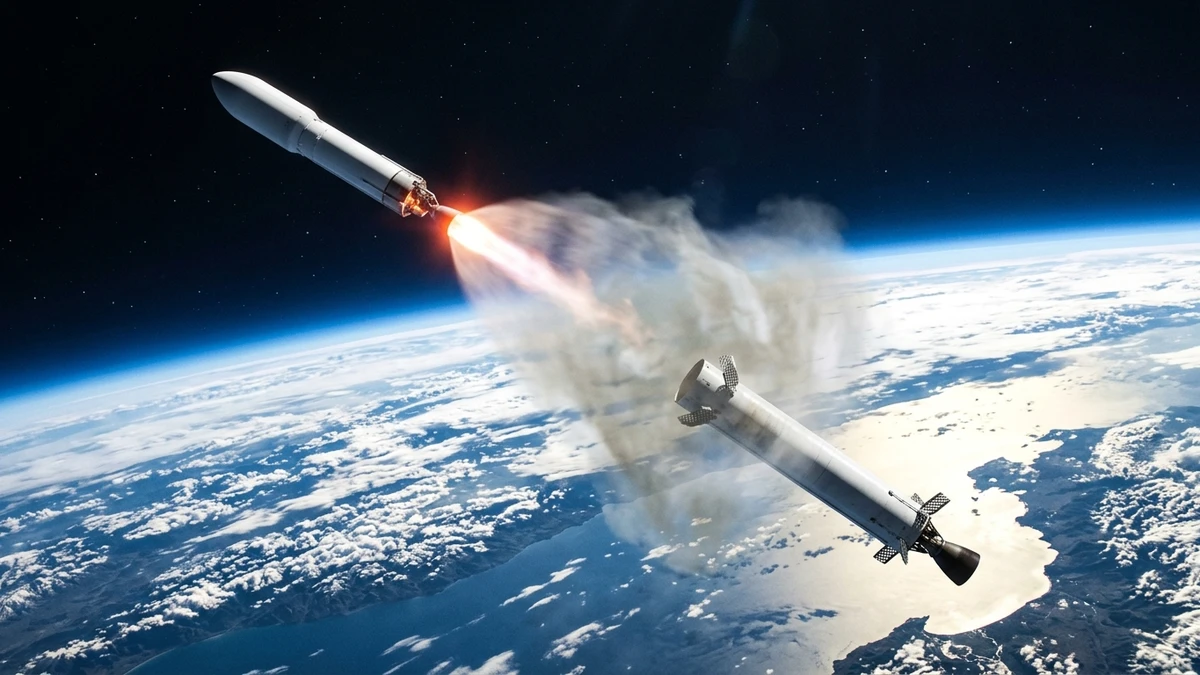
The rocket has four stages. The first, called Kalam-1200, is a solid-fuel booster that does the heavy lifting through the thickest part of the atmosphere. Three more stages then take over in turn, with a liquid-fuelled final stage placing each payload in its precise orbit.
The name honours Dr Vikram Sarabhai, the physicist who founded India's space programme in the 1960s. The first stage is named after Dr APJ Abdul Kalam, the rocket scientist who later became India's president.
What Satellites Did Vikram-1 Carry?
Six payloads rode to orbit, and they're a wonderfully mixed bag. The working hardware:
- SCOPE: Skyroot's own satellite, flown to prove the company can build spacecraft as well as launch them.
- SOLARAS S3: a satellite from Indian startup Grahaa Space.
- A DCUBED technology demonstration: from the German space hardware company, testing deployable structures in orbit.
- Embrace: a robotic arm from Indian firm Cosmoserve Space, designed to capture debris in orbit. Space junk is a growing problem, and this is one of the first commercial attempts to do something about it.
Then there were the passengers flying for the joy of it: Cosmic Bloom, a floral artwork made from lab-grown diamonds, and a miniature rocket cast in 18-carat gold by the artist Ajay Kumar Mattewada. Somewhere above your head tonight there is a tiny golden rocket, going around the Earth every 90 minutes.
Spot Satellites From Your Own Garden
Kit we've reviewed in full
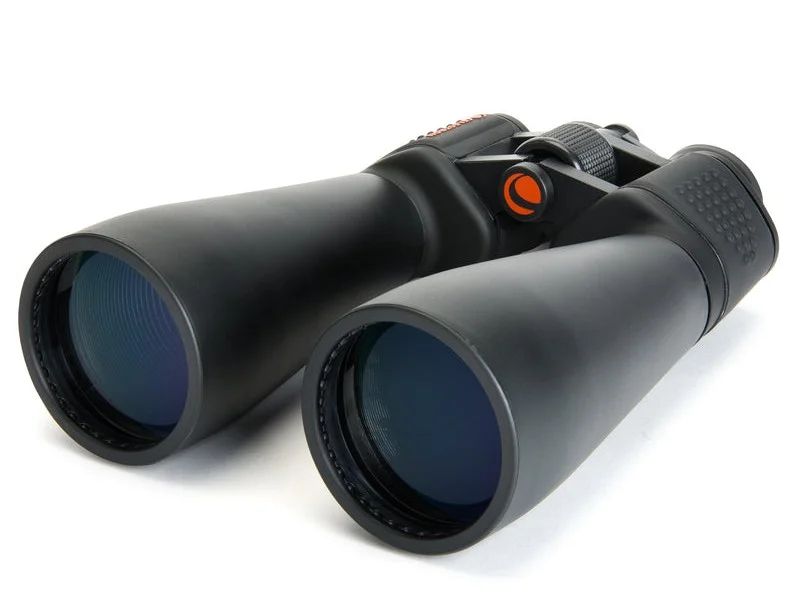
You can't watch a Sriharikota launch from the UK, but you can see the results. On any clear night dozens of satellites drift across our sky, and a decent pair of binoculars makes them far easier to catch. Our binocular reviews cover all the options.
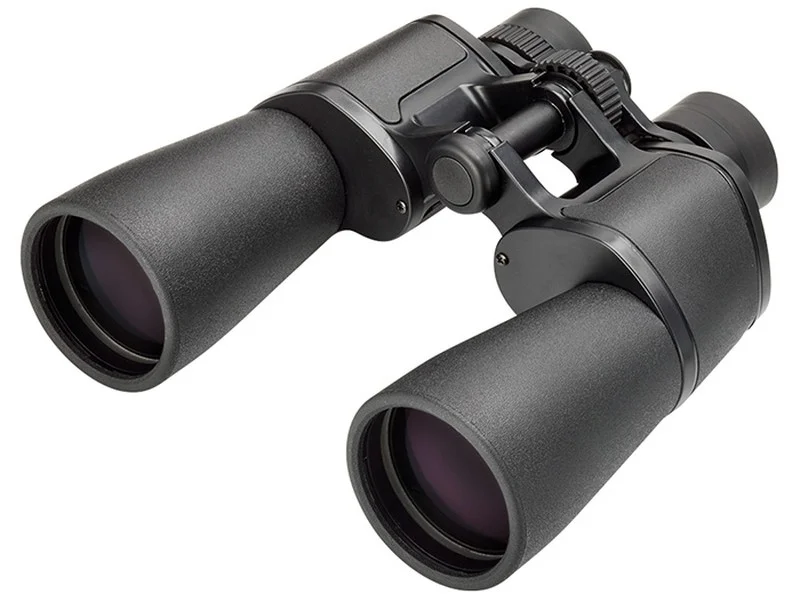
Wide field of view and light enough to hold steady, ideal for following a satellite as it crosses the sky.
Big 70mm objectives pick up fainter satellites, and they're superb on the Moon between passes.
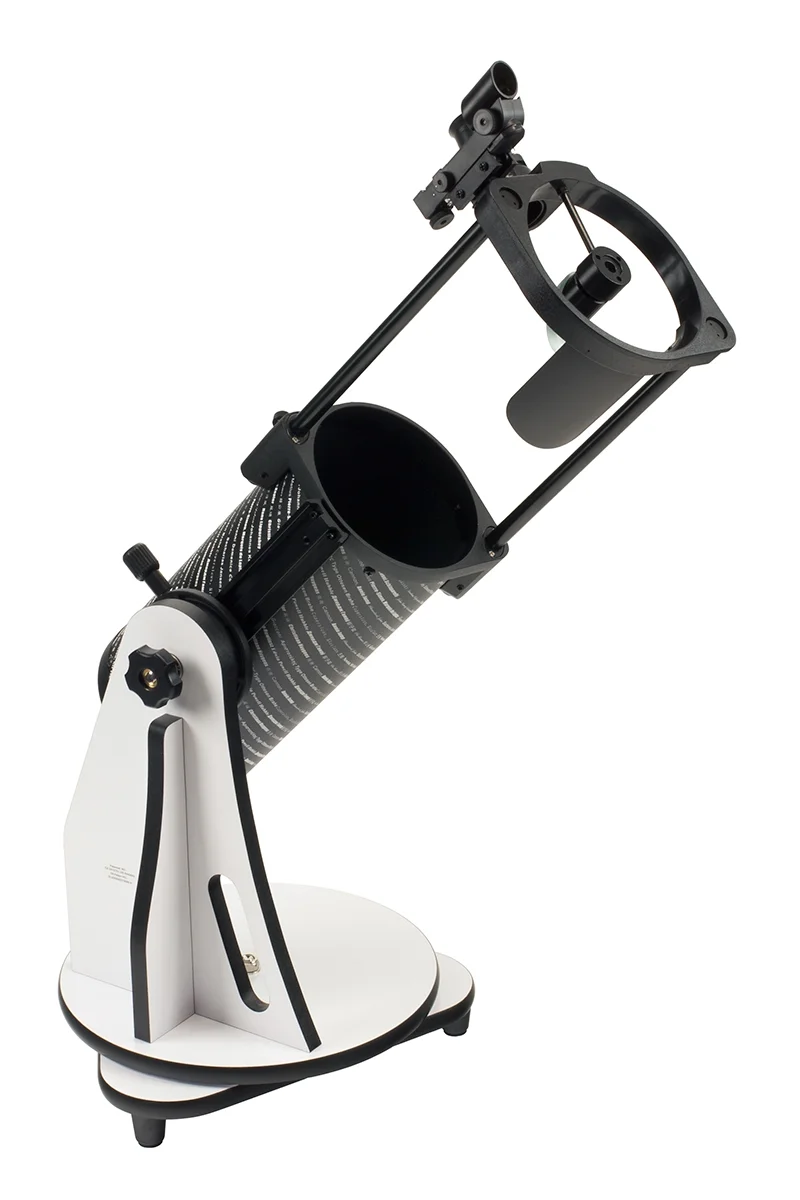
A brilliant first telescope for the deep-sky objects you'll find once satellite-spotting gets you hooked.
Affiliate links: you pay the same price, we earn a small commission that helps keep WatchTheStars free.
Who Are Skyroot Aerospace?
Skyroot was founded in Hyderabad in 2018 by two former ISRO engineers, Pawan Kumar Chandana and Naga Bharath Daka. In November 2022 the company became the first private Indian outfit to reach space, when its small Vikram-S rocket flew a suborbital hop: up and straight back down, without circling the Earth.
The step from there to orbit is enormous. A suborbital rocket needs to climb above 100 km. An orbital one has to reach that height and then accelerate sideways to around 28,000 km/h, fast enough to keep falling around the Earth without ever hitting it. It took Skyroot less than four years to make that jump.
India changed its space laws in 2020 to let private companies build and launch their own rockets, and a wave of startups followed. Skyroot has now beaten them all to orbit.
Why India's First Private Rocket Launch Matters
The company describes its ambition as a "cab service" for satellites: you book, you fly, no waiting around. Small satellite operators today often wait months for a rideshare slot on a big rocket, then accept whatever orbit the main passenger is going to. A dedicated small launcher takes you where you actually want to go.
It matters for India, too. The country already runs one of the world's most cost-effective space programmes, with a Moon landing and a Mars orbiter to its name. Adding a private launch industry alongside ISRO is how the United States turned spaceflight from a government programme into an economy. India is clearly aiming for the same, and its government wants the country's share of the global space market to grow five-fold by 2033.
For the rest of us, more launch providers means more satellites, cheaper science and more spacecraft overhead. The same week China was showing off its first booster landing and SpaceX was preparing Starship Flight 13, a six-year-old Indian startup quietly joined the orbital club. Spaceflight has never been this crowded, and that's a good thing.
What's Next for Vikram-1?
This was Test Flight-1, so the immediate job is analysing the data and flying again. Skyroot has talked about building towards a regular launch cadence, and it already has a bigger rocket, Vikram-2, on the drawing board with a heavier payload capacity.
The competition won't stand still either. Fellow Indian startup Agnikul Cosmos has been developing its own small launcher with a 3D-printed engine, and ISRO itself sells launches commercially. The race to carry India's small satellites is now properly on.
From a UK back garden you won't see a Sriharikota launch, but you will see what it delivers. On any clear night, satellites cross our sky by the dozen. As of this weekend, a few of them got there on an Indian rocket built by a private company. Worth a look up, we'd say.
Sources:
- Making history: Watch Vikram-1, India's 1st private orbital rocket, launch early on July 18 · Space.com
- Skyroot's Vikram-1 rocket reaches orbit in historic launch · The News Mill
- "Mission Aagaman": Skyroot's Vikram-1 reaches orbit, marks new era for India's private space sector · ANI
- Vikram-1 launch: Skyroot's first step towards a 'cab service' for satellites · The Week
Frequently Asked Questions
Equipment guides
Related topics

Ian ClaytonAmateur astronomer and founder of WatchTheStars.co.uk, dedicated to helping others explore the wonders of our universe. Full profile →