Key takeaways
- China recovered an orbital rocket booster for the first time on 10 July 2026, becoming only the second nation ever to do it.
- The Long March 10B's first stage was caught by a tensioned net on a recovery ship at sea, a technique no one had tried before.
- The rocket delivered its satellite to orbit on the same flight, and China plans to refly the recovered booster before the end of 2026.
- The Long March 10B is a smaller sibling of the Long March 10, the rocket China is building to land its astronauts on the Moon by 2030.
Jump to section 6 sections
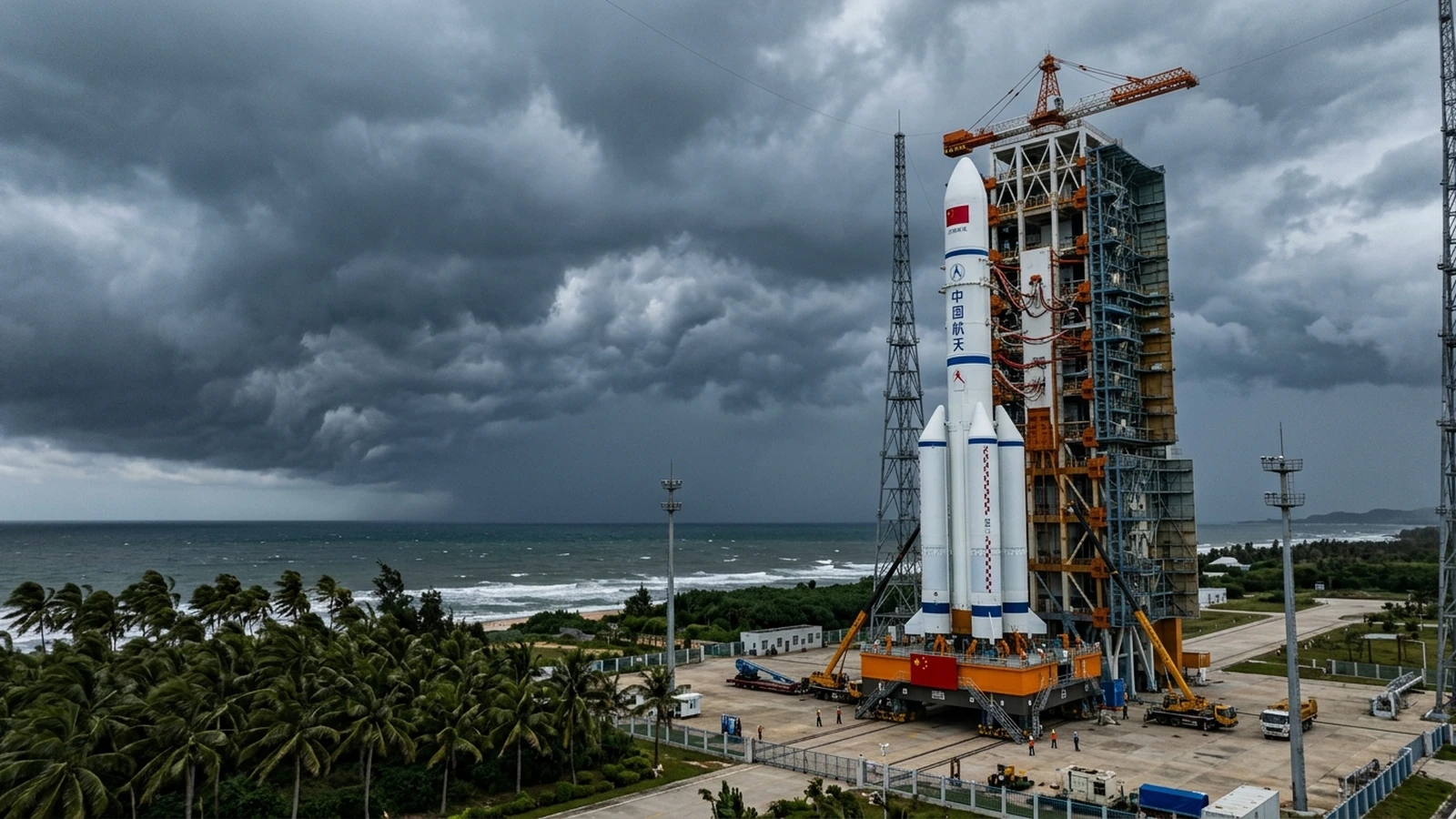
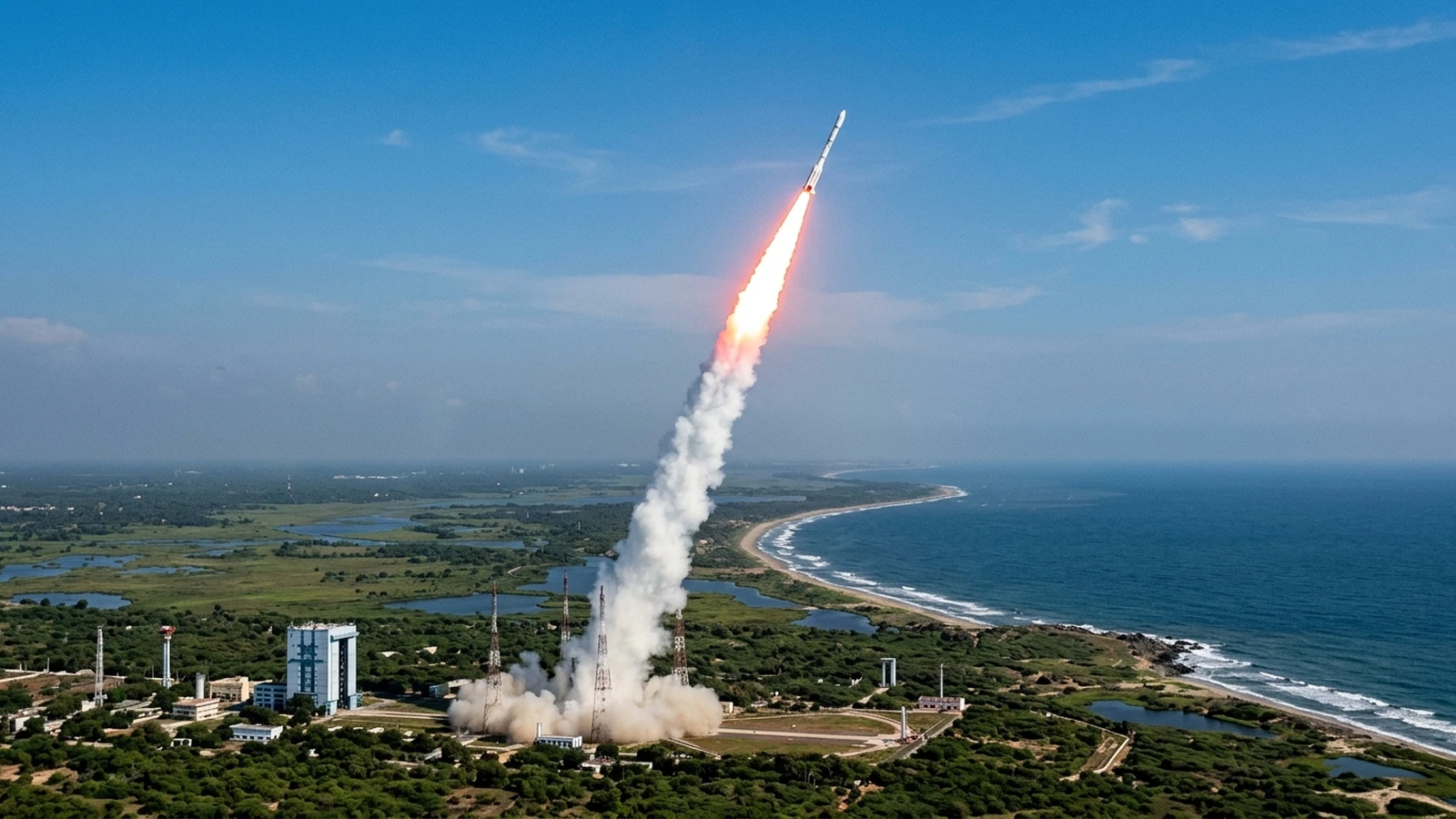
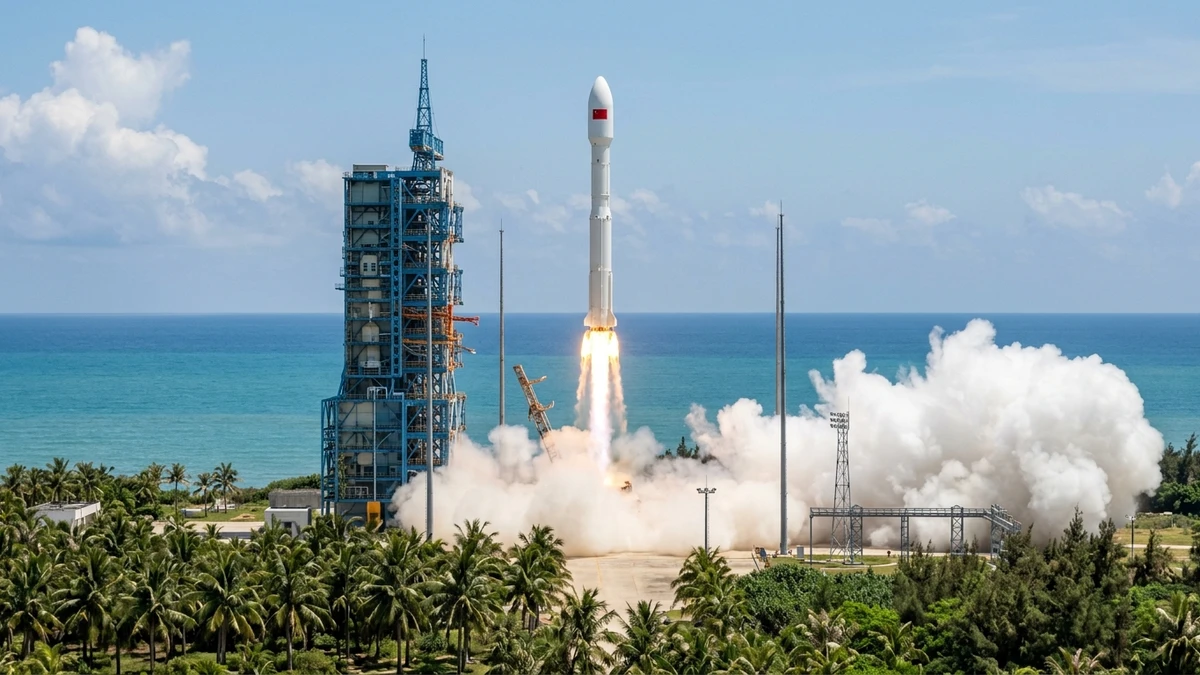
China has landed an orbital rocket booster for the first time. On Friday 10 July 2026, the new Long March 10B lifted off from Hainan island on its maiden flight, delivered a satellite to orbit, and then did something no rocket had ever done: its first stage flew back down and was caught by a net on a ship at sea.
That makes China only the second country in history to recover an orbital-class booster, after the United States. And nobody, not even SpaceX, has pulled it off on a rocket's very first flight.
China's First Rocket Landing: What Happened
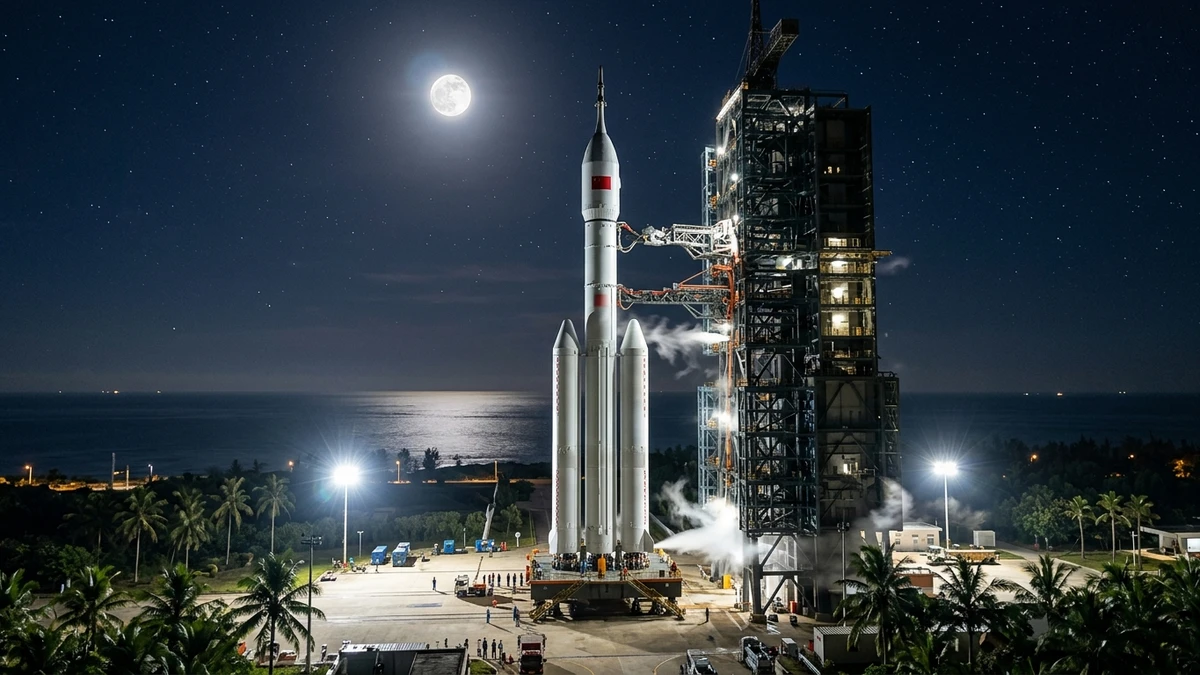
The Long March 10B launched from the Hainan Commercial Space Launch Site at 12:15pm Beijing time, which was 5:15am here in the UK. The upper stage carried an undisclosed satellite to what state media called its "predetermined orbit", so the mission would have counted as a success even without the landing.
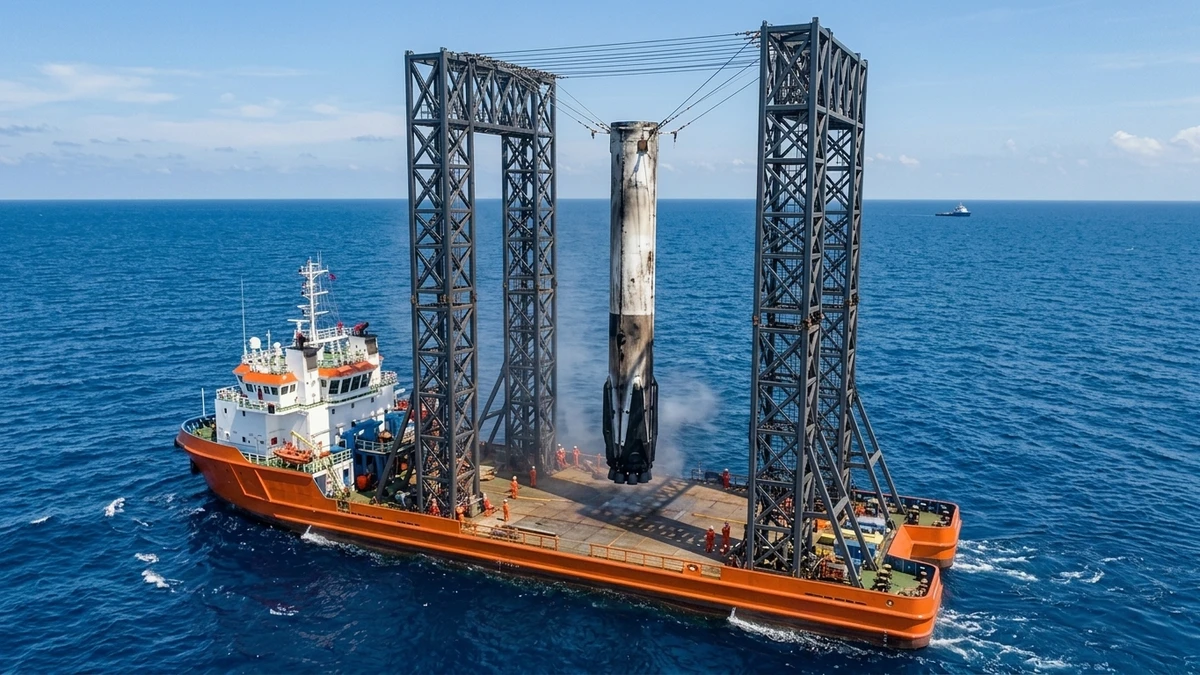
The landing is what everyone will remember, though. About six minutes after the first and second stages separated, the booster came back down under power, righted itself, and settled into a tensioned net carried by a recovery ship in the South China Sea. Footage on Chinese television showed the stage descending on a single engine, smoke streaming from its top, before the net took its weight.
The China Aerospace Science and Technology Corporation (CASC), which builds the Long March family, called it "a historic breakthrough in the field of reusable rocket technology" and confirmed both the launch and the recovery were a complete success.
How Does the Net Landing System Work?
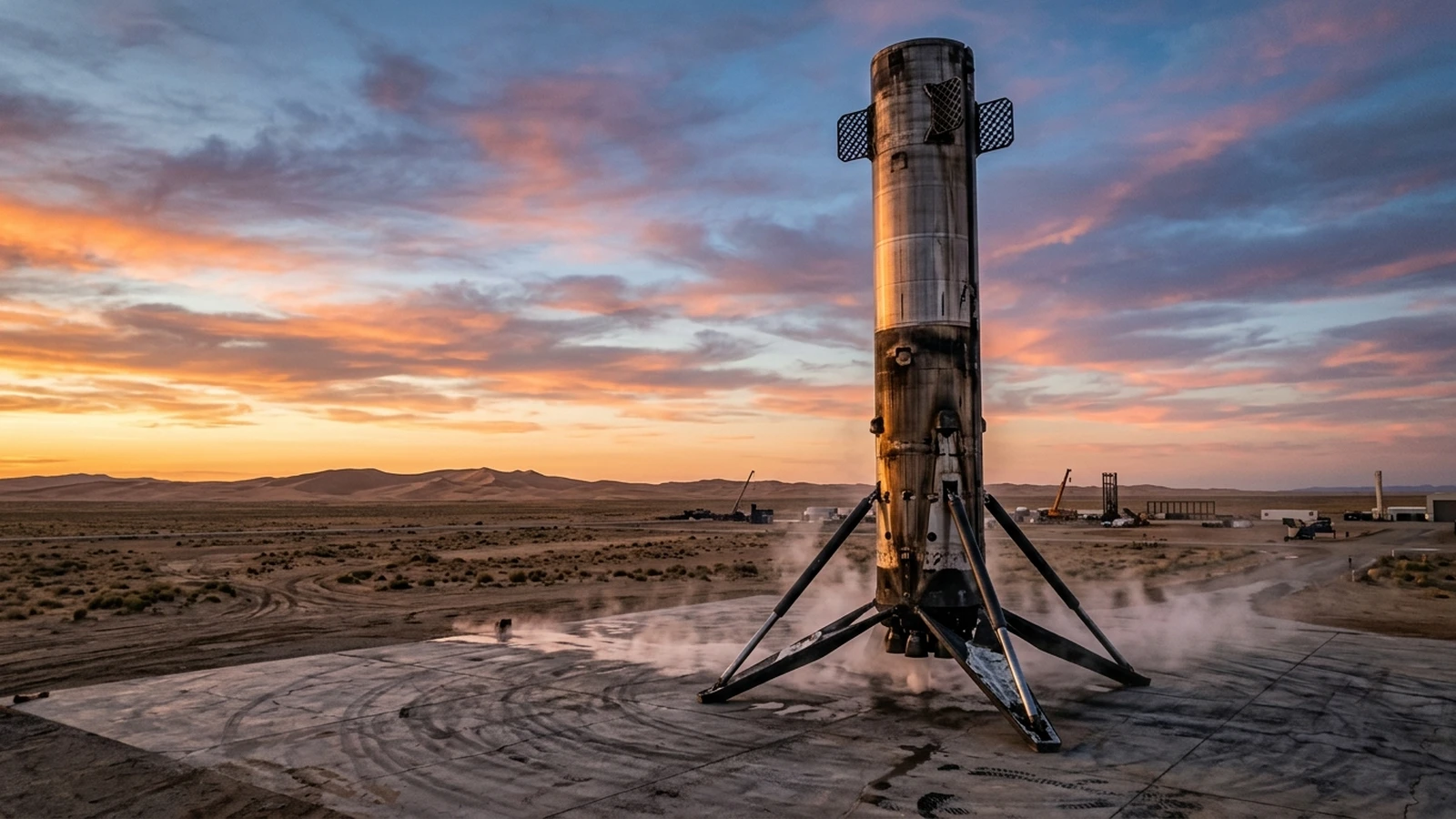
SpaceX lands its Falcon 9 boosters on four fold-out legs, either on a landing pad or a drone ship. China went a different way. The Long March 10B has no landing legs at all. Instead it carries a set of landing hooks near the top of the stage, and the recovery ship, named Linghang Zhe ("Navigator"), carries a towering open steel gantry with a "net" of tensioned cables strung across it, high above the deck.
The booster performs the same sort of powered vertical descent as a Falcon 9. But rather than touching down on legs, it lowers itself into the net until the hooks catch, and the net takes the strain. CASC described it as "the world's first network-based recovery of a launch vehicle".
Why bother? Weight. Landing legs are heavy, and every kilogram of leg is a kilogram of payload you can't carry. Moving the catching hardware onto the ship means a lighter rocket that can lift more. SpaceX made the same trade with its much larger Starship booster, which is caught by the launch tower's "chopstick" arms. China has now proven a third approach.
What Is the Long March 10B?
The Long March 10B is a two-stage rocket standing about 63 metres tall, a little bigger than a Falcon 9. Its first stage burns kerosene and liquid oxygen, while the second stage runs on methane and liquid oxygen. In its reusable configuration it can carry about 16 tonnes to low Earth orbit, roughly the same class as a Falcon 9 flying with a recoverable booster.
It's the newest member of the Long March 10 family, and that family has a much bigger job than launching satellites. The full three-core Long March 10 is the rocket China is building to send its astronauts to the Moon. The 10B is the single-core version: a way to prove the same core hardware on routine missions, while earning its keep flying cargo and satellites.
Watch Tiangong Pass Over Your Garden
Kit we've tested and reviewed in full
You can't see a Hainan launch from the UK, but China's Tiangong space station crosses our sky regularly, looking like a bright, fast-moving star. A decent pair of binoculars turns a satellite pass into a proper spectacle.
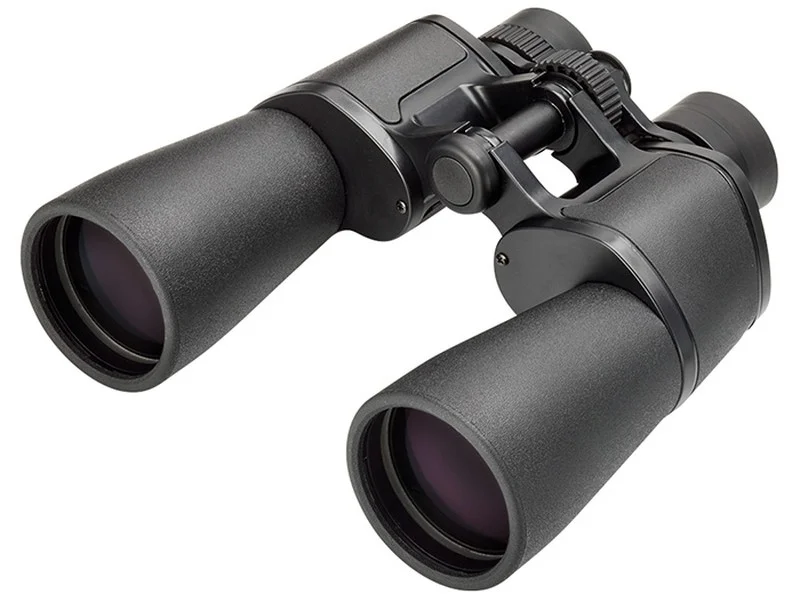
Wide field of view and a steady hand-held image, ideal for tracking Tiangong or the ISS across the sky.
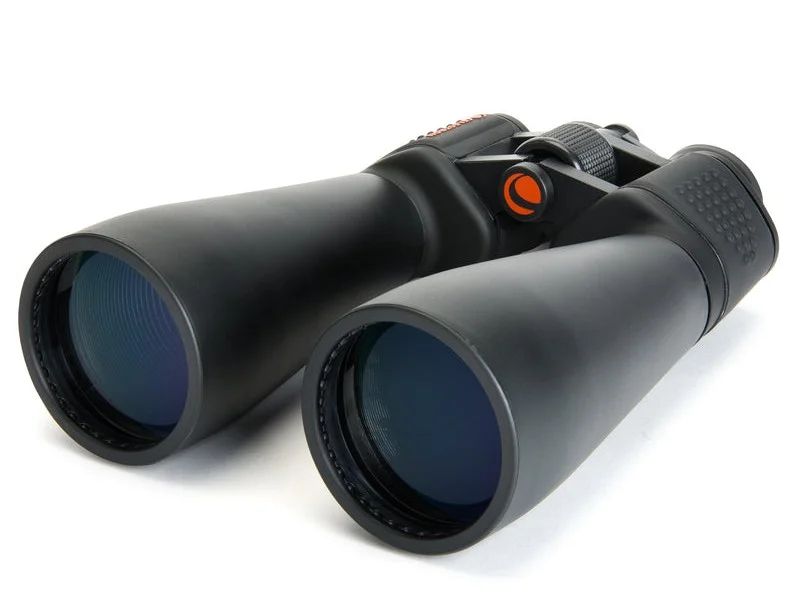
Big 70mm objectives pull in fainter satellites, and they're superb on the Moon while you wait for a pass.
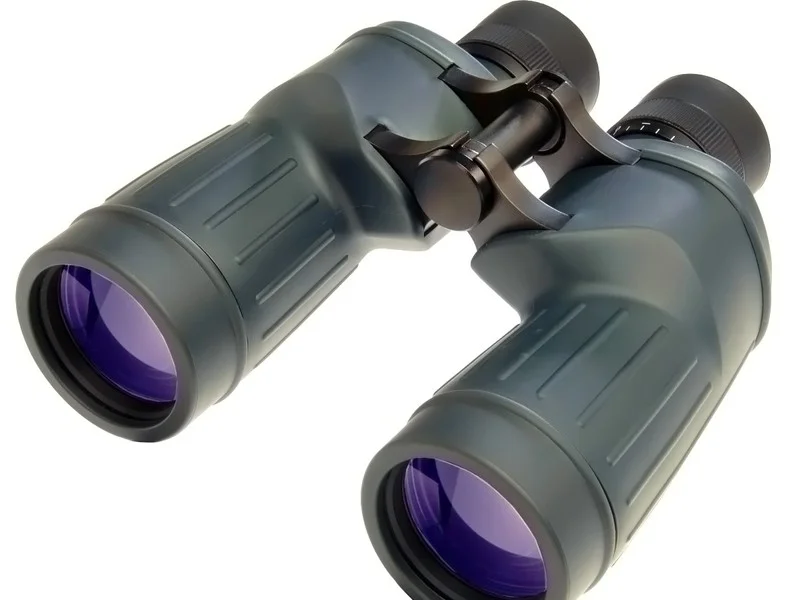
Sharper, brighter optics for anyone who wants their satellite-spotting binoculars to double as stargazing kit.
Affiliate links: you pay the same price, we earn a small commission that helps keep WatchTheStars free.
Long March 10B vs SpaceX Falcon 9
Let's keep this in proportion. SpaceX has landed orbital boosters more than 600 times, and last week it flew one Falcon 9 booster for a record 36th time. Blue Origin joined the club in November 2025 and reflew a New Glenn booster in April. China has landed exactly one rocket, once.
But every operator so far has needed multiple attempts to get there. SpaceX crashed boosters into the ocean for years before its first landing in 2015. Blue Origin lost its first New Glenn booster on the way down. China caught its booster on the rocket's first ever flight, using a recovery method nobody had tried. However you feel about the geopolitics, that's a serious piece of engineering.
It also won't be China's last attempt. A whole generation of Chinese reusable rockets is in development, from CASC's Long March 12A to Landspace's Zhuque-3, both of which reached orbit last December but failed their landings. The 10B has now shown them all how it's done.
What This Means for China's Moon Landing
The Long March 10 family exists for one headline goal: putting Chinese astronauts on the Moon before 2030. The three-core version will launch the crewed Mengzhou capsule and the Lanyue lander on separate flights, meeting up in lunar orbit.
Every successful 10B mission feeds directly into that programme. The hardware that just flew is a close relative of what will carry the lunar missions, so a flawless first outing is a real confidence boost for Beijing's timeline. With NASA's Artemis III crew now named and American lunar landers taking shape, the two Moon programmes are running closer together than at any point since the 1960s.
When Will the Booster Fly Again?
CASC says the recovered first stage will fly again before the end of 2026. If that happens, China will have gone from zero landings to reflying a used booster in under six months, a journey that took SpaceX about fifteen months and Blue Origin about five.
Reuse is the whole point. A booster is the most expensive part of a rocket, and throwing one away after every flight is why spaceflight stayed so costly for so long. Falcon 9 proved that recovering it slashes prices and lets you fly far more often. That's the position China wants to be in, and as of Friday it holds the hardware to try.
For those of us watching from back gardens in the UK, the practical upshot is simple: more rockets, more satellites and more spacecraft overhead than ever before. The space race of the 2020s isn't about getting to orbit. It's about how cheaply you can keep going back.
Sources:
- Making history! China lands rocket during an orbital launch for 1st time ever · Space.com
- China becomes second country to recover orbital booster with Long March 10B · SpaceNews
- China's Long March 10B rocket successfully launches, and lands, in a global spaceflight milestone · Scientific American
Frequently Asked Questions
Equipment guides
Related topics

Ian ClaytonAmateur astronomer and founder of WatchTheStars.co.uk, dedicated to helping others explore the wonders of our universe. Full profile →