Key takeaways
- Starship Flight 13 launched on 24 July 2026 at 11:45pm UK time, after an abort on 16 July and a weather delay from Tropical Storm Bertha.
- It deployed 20 Starlink V3 satellites, the first satellites Starship has ever released in space.
- The Super Heavy booster splashed down in the Gulf of Mexico with only 5 of its 13 landing engines lit, so it came down harder than planned.
- The Starship upper stage made its softest splashdown yet in the Indian Ocean, which SpaceX called a dream result.
Jump to section 6 sections
It took three tries, but the world's biggest rocket finally flew. On Friday 24 July, SpaceX launched Starship Flight 13 from Starbase in Texas, and this time it left the pad. Better still, it did the thing everyone was waiting for: it opened its bay in space and pushed out 20 Starlink satellites, the first cargo a Starship has ever carried to orbit height.
This was the flight that aborted at zero on 16 July, when four engines failed to light. A tropical storm then pushed it back again. So there was a lot riding on the third attempt, and for the most part it delivered.
Starship Flight 13: What Happened on 24 July
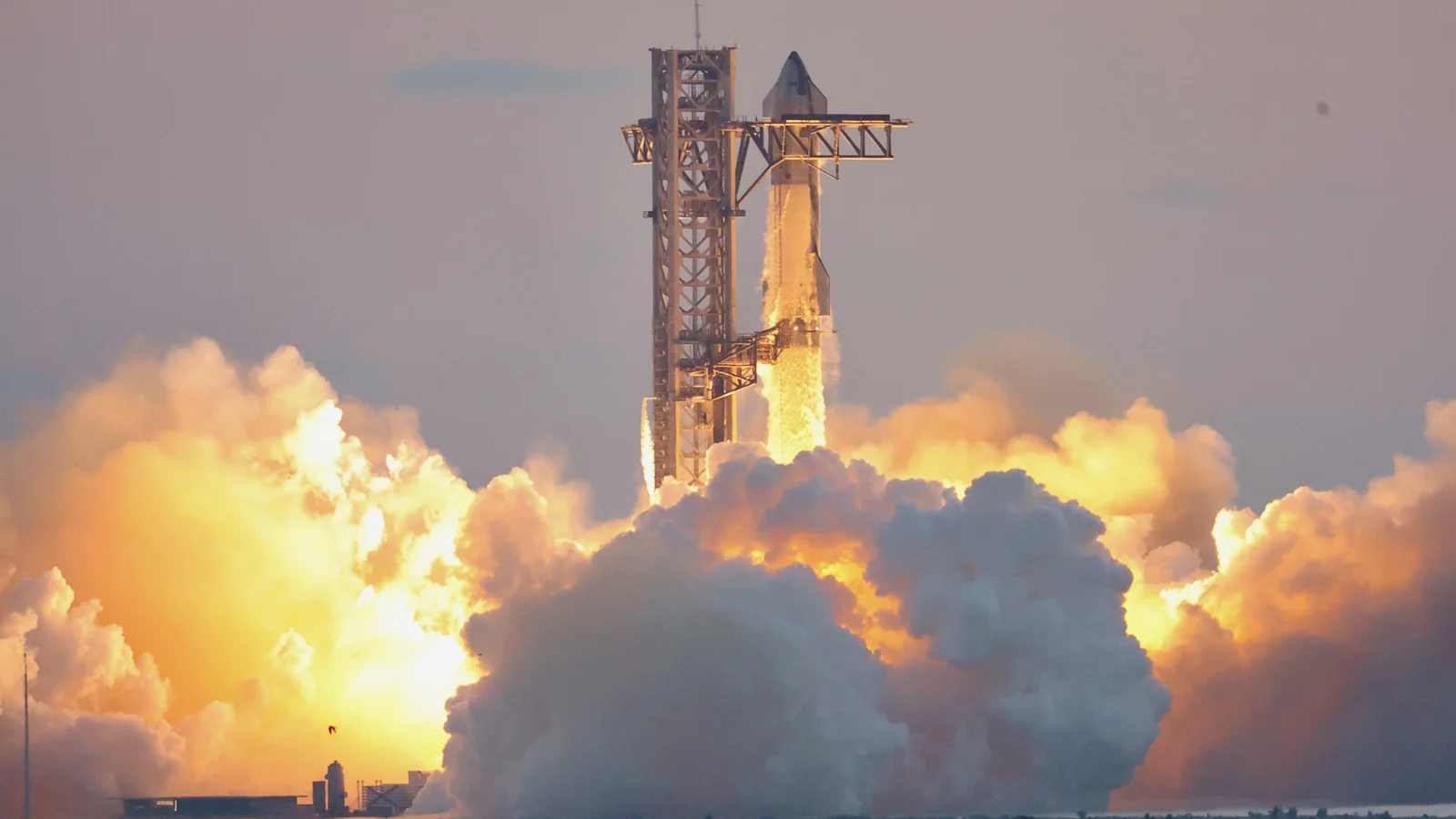
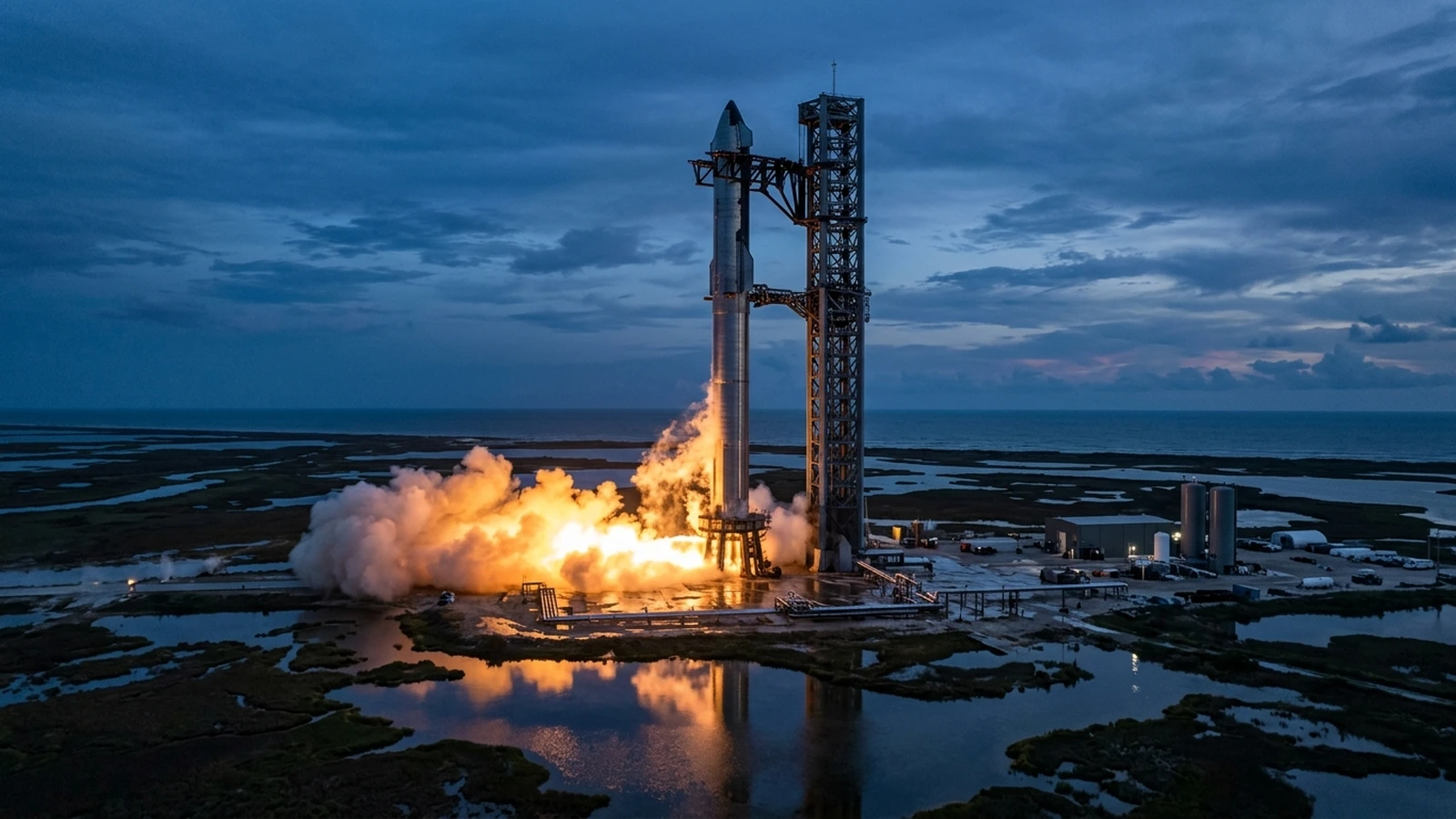
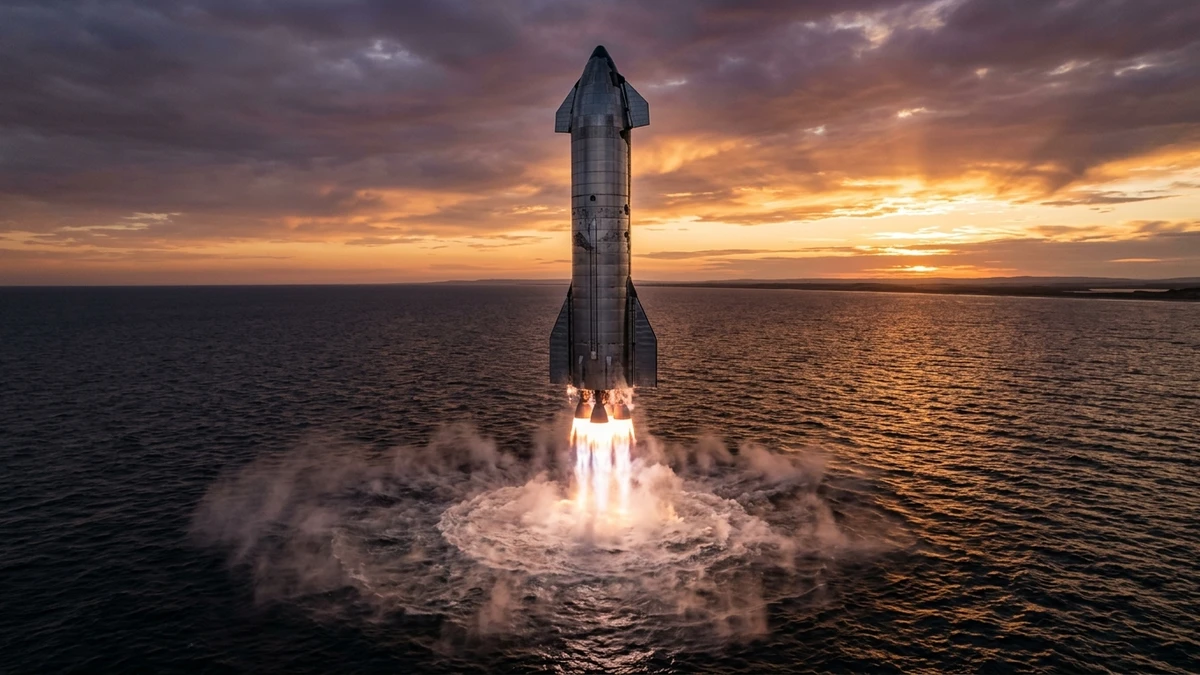
Starship Flight 13 lifted off at 5:45pm in Texas, which was 11:45pm here in the UK. All 33 Raptor engines on the Super Heavy booster lit as planned, and the rocket climbed away cleanly after two weeks of false starts.
From there the flight ran through its checklist. The booster separated and turned for home, the Starship upper stage carried on to space, and about half an hour in it deployed its satellites. The ship even relit one of its engines in space, a test SpaceX needs to pass before Starship can ever return from orbit. It ended with a gentle splashdown in the Indian Ocean.
The one sour note was the booster's landing, which we'll come to. But SpaceX spokesperson Dan Huot summed up the mood on the livestream, calling the result a "dream scenario". After Flight 13's rocky build-up, that counts as a good night.
Starship Deploys Its First Satellites: 20 Starlink V3
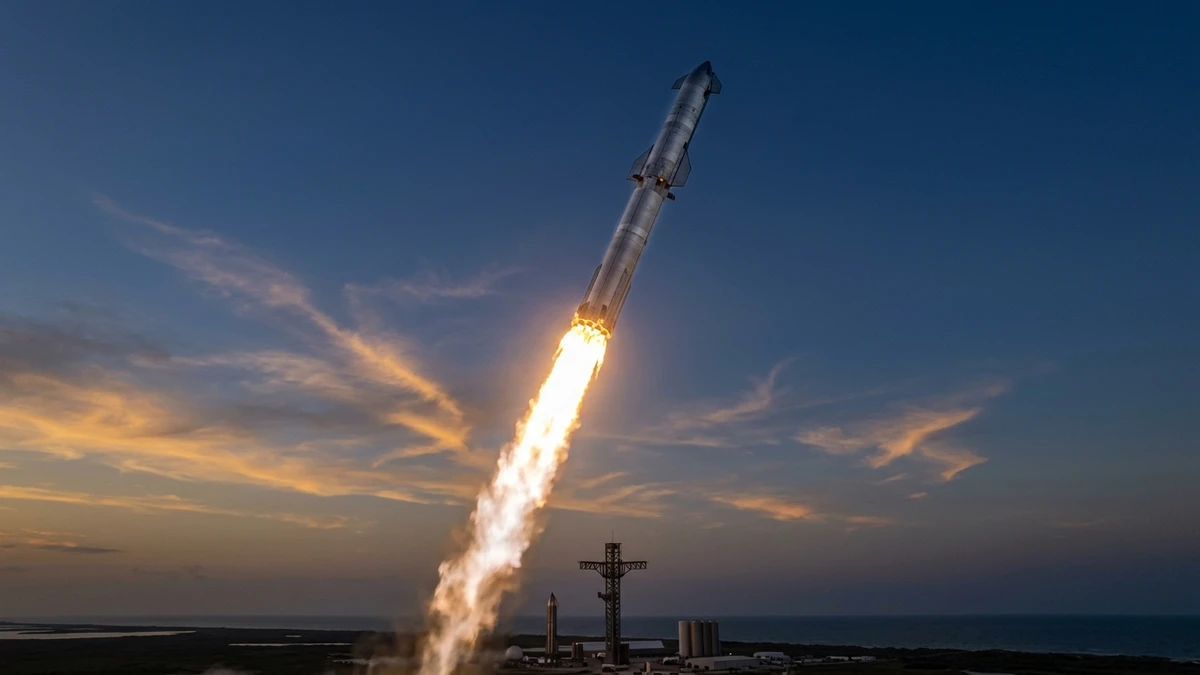
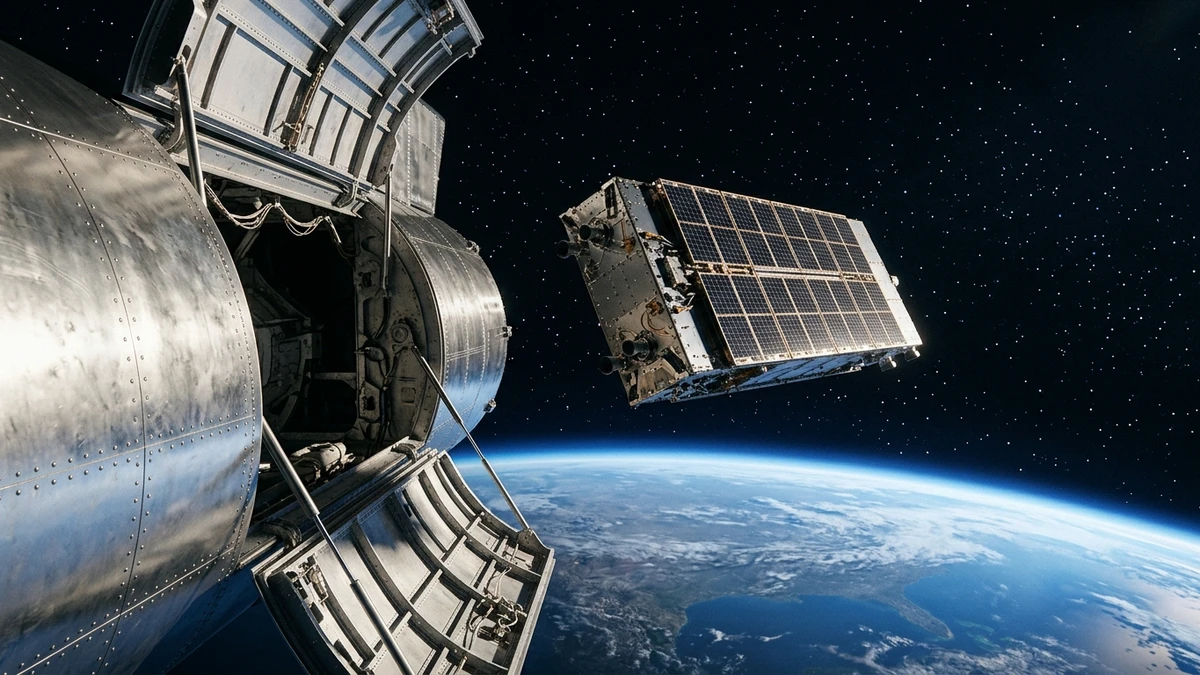
Here's the headline. Flight 13 deployed 20 Starlink V3 satellites, the first satellites a Starship has ever released. Twelve earlier test flights either flew empty or carried dummy weights, so this was a real first for the programme.
V3 is the newest and largest Starlink satellite, each one weighing about two tonnes and far too big to fly on a Falcon 9. Once out of the bay, the satellites unfolded their solar arrays and antennas and tried to link up with ground stations and the wider Starlink network. SpaceX says it made contact with each one. Six of the 20 carried cameras pointed back at the ship, filming how its heat-shield tiles held up.
There is a catch, and it was planned. Flight 13 flew a suborbital arc rather than a full orbit, so the satellites followed the ship down and burned up over the ocean the same day. This was a full rehearsal of the delivery system, not a delivery. The point was to prove Starship can open up, let go of its cargo cleanly and close again, and it did.
Super Heavy Booster: Only 5 of 13 Landing Engines Lit
The Super Heavy booster is the bottom half of Starship, and it had a mixed night. It handled the hard early part well, flipping around and burning back toward the coast on schedule. The trouble came at the very end.
To slow itself for splashdown, the booster needs to relight 13 of its engines for a landing burn. Only 5 fired. With less thrust to brake it, the booster came down faster than SpaceX wanted and hit the Gulf of Mexico harder than planned. It was still a controlled splashdown, not an explosion, and on a test flight into the sea it does no lasting harm. But it's the clearest thing on the fix-it list for next time.
Landing burns have caught SpaceX out before. Getting 13 engines to relight in the right order, seconds before touchdown, is one of the tougher tricks in the whole flight. Expect this to be the headline change SpaceX works on before Flight 14.
Update, 29 September 2026: Flight 14 flew on 28 September and Starship reached orbit for the first time, releasing all 26 of its Starlink satellites.
Starship's Softest Splashdown Yet in the Indian Ocean
While the booster struggled, the Starship upper stage had its best day so far. After deploying its satellites it coasted halfway around the planet, relit an engine in space, then came back through the atmosphere and settled onto the Indian Ocean off Western Australia. SpaceX said it was the softest splashdown a Starship has ever made.
That matters more than it sounds. A clean, controlled return is the last big box to tick before SpaceX can start bringing Starships back to land in one piece, the way it lands Falcon 9 boosters now. Every gentle splashdown is another rehearsal for that. The in-space engine relight is part of the same story, since a ship can't leave orbit without one.
Kit for Satellite Spotting
Kit we've tested and reviewed in full
A Starlink train is a naked-eye sight, but binoculars turn a line of dots into separate satellites sliding past the stars. The same pair shows you the ISS, the Moon and plenty more. See our guide to choosing astronomy binoculars.
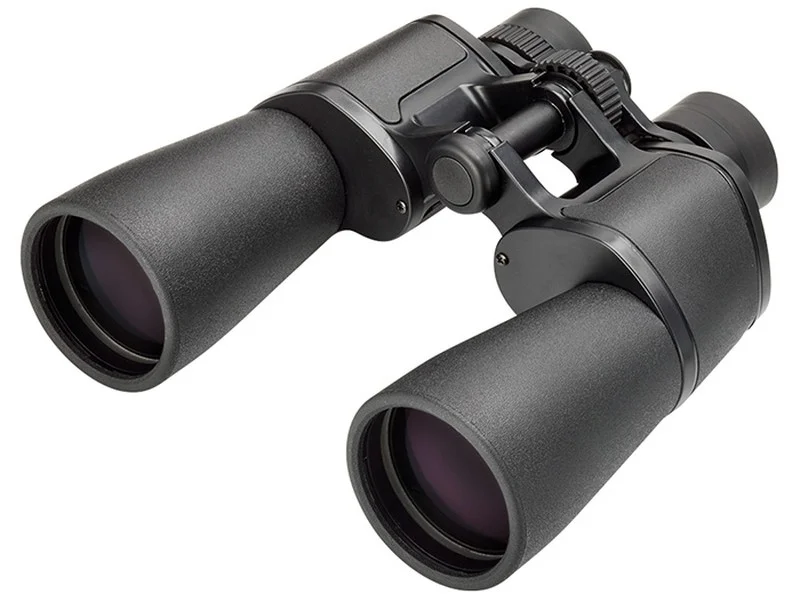
Wide field of view and light enough to hand-hold, ideal for tracking a satellite train across the sky.
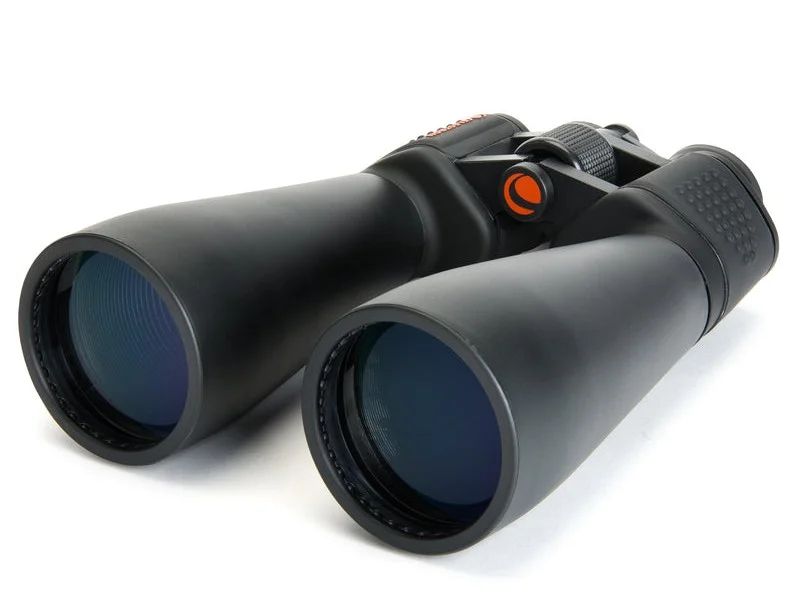
Big 70mm lenses pick up fainter satellites and older Starlinks that have dimmed since launch.
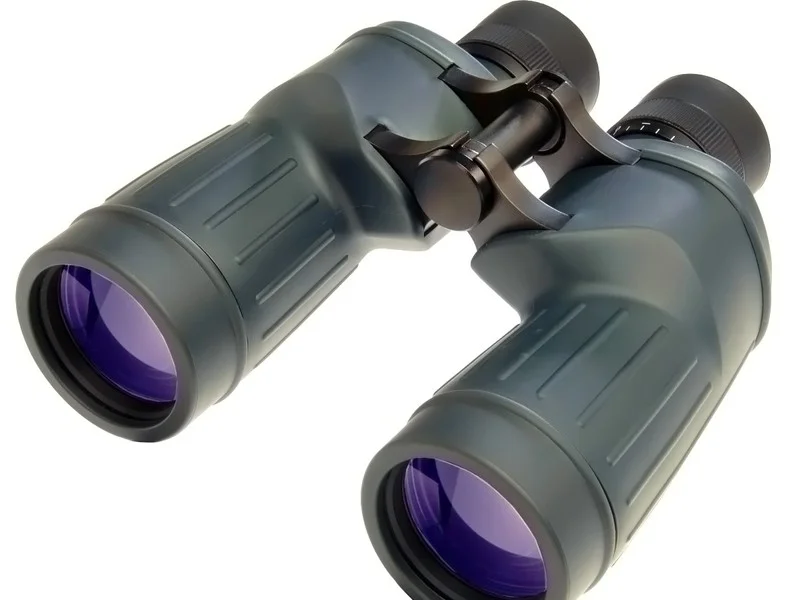
Sharper, brighter views for anyone who wants satellite-spotting kit that doubles as proper stargazing gear.
Affiliate links: you pay the same price, we earn a small commission that helps keep WatchTheStars free.
Why Starship Flight 13 Matters
Flight 13 turned Starship from a test rocket into something closer to a working one. Deploying real satellites is the whole reason the rocket exists, and now it has done it. The upper stage flew and returned cleanly, which is what SpaceX needs to see again and again before it trusts Starship with people or a Moon landing.
The booster landing is the obvious weak spot, and it's fixable. Put the two halves together and you have a rocket that did the hard, new thing on the day and stumbled on a step it has managed before. For a vehicle NASA is counting on to land astronauts on the Moon, that's real progress.
It also caps a busy stretch for spaceflight. After China's net-catch rocket landing and India's first private rocket reaching orbit, the summer of 2026 keeps giving skywatchers something to look up for.
Can You See Starlink Satellites From the UK?
You can, and it's one of the easiest satellite sights going. For a few days after a Starlink launch, the satellites travel in a tight line called a train: a string of moving lights crossing the sky one after another, bright enough for the naked eye. People often mistake them for UFOs, which given everything else in the news lately is fair enough.
You won't catch Flight 13's own satellites, since they burned up on launch day. But Falcon 9 rockets loft fresh batches most weeks, and those trains pass over the UK all the time. A free site like findstarlink.com will give you pass times for your postcode. The best views come within a week of launch, before the satellites climb to their working orbits and fade.
Once Starship starts delivering V3 satellites to real orbits, the trains will look different again: fewer satellites per line, but each one far bigger and brighter. Worth catching at least once.
Sources:
- SpaceX's Starship megarocket makes the 'softest splashdown' ever after launching next-gen Starlink satellites · Space.com
- Super Heavy-Starship rocket chalks up mostly successful test flight · Spaceflight Now
- SpaceX conducts 13th Starship test flight · SpaceNews
- SpaceX Starship megarocket hits key milestones in 'Lucky 13' test flight · CNN
Frequently Asked Questions
Equipment guides
Related topics

Ian ClaytonAmateur astronomer and founder of WatchTheStars.co.uk, dedicated to helping others explore the wonders of our universe. Full profile →