Key takeaways
- SpaceX launched its first Starfall reentry capsule on 23 June 2026, on a Falcon 9 from Cape Canaveral (11:43 BST)
- Starfall is a flat disk about 3.1 metres wide that can bring up to 1,000 kg of cargo back from orbit, more than three times the capacity of rival Varda's capsules
- It's built for the emerging in-space manufacturing market: pharmaceuticals, fibre optics and crystals that are easier to make in microgravity
- The capsule has no engine of its own: it relies on Falcon 9's upper stage to bring it home, splashing down about 1,300 km off the US West Coast
- This is the first of at least two planned Starfall demonstration flights
Jump to section 7 sections
For more than two decades, the hard problem in spaceflight has been getting up: building rockets powerful enough, and cheap enough, to reach orbit. SpaceX largely cracked that. The new problem it's chasing is the opposite one: getting down. How do you bring things made in space safely back to Earth, on demand, without a crew and without a fortune? This morning, the company put its first answer on a rocket.
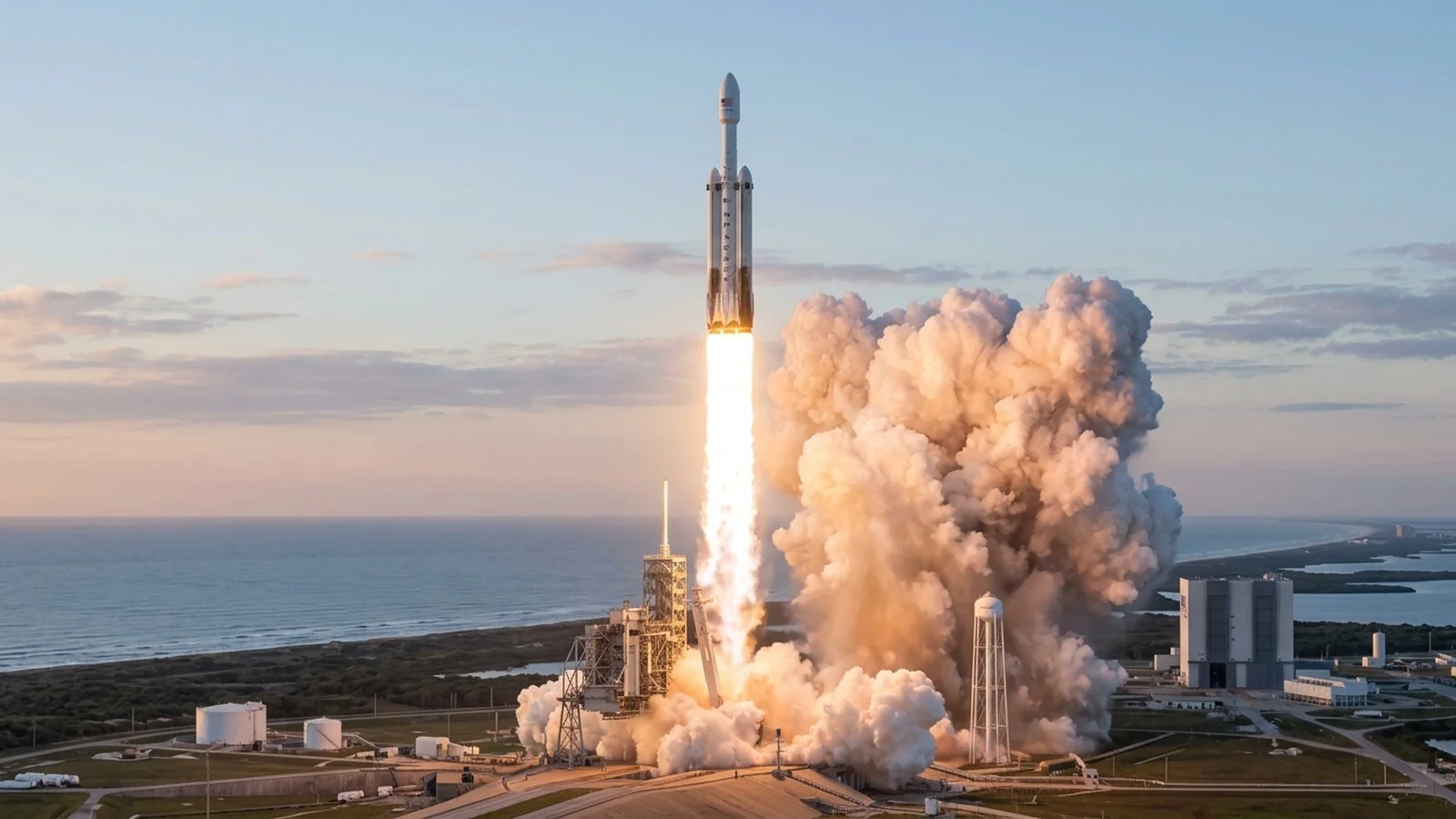
At 6:43 a.m. EDT (11:43 BST) on Tuesday 23 June 2026, a Falcon 9 lifted off from Space Launch Complex-40 at Cape Canaveral carrying Starfall, a stubby, disk-shaped spacecraft that looks nothing like the sleek capsules we're used to, and which could quietly reshape how the space economy works.
What SpaceX Just Launched
Starfall is a reentry vehicle: a spacecraft whose whole job is to carry cargo to orbit and then bring it safely back down. It rides to space aboard Falcon 9 or the larger Falcon Heavy, spends time in low Earth orbit, and then plunges back through the atmosphere to splash down in the ocean, where it can be recovered.
Crucially, it carries no people. Starfall is built for payloads that need to come home after a stint in space: things like pharmaceutical samples, specialist materials and experiments. Today's flight is a demonstration mission, the first of at least two SpaceX has lined up after filing with the US Federal Aviation Administration for two reentry-vehicle landings. The company is treating it as a test of the whole sequence: launch, operate in orbit, survive reentry, and land where it's supposed to.
A Flying Disk, Not a Capsule
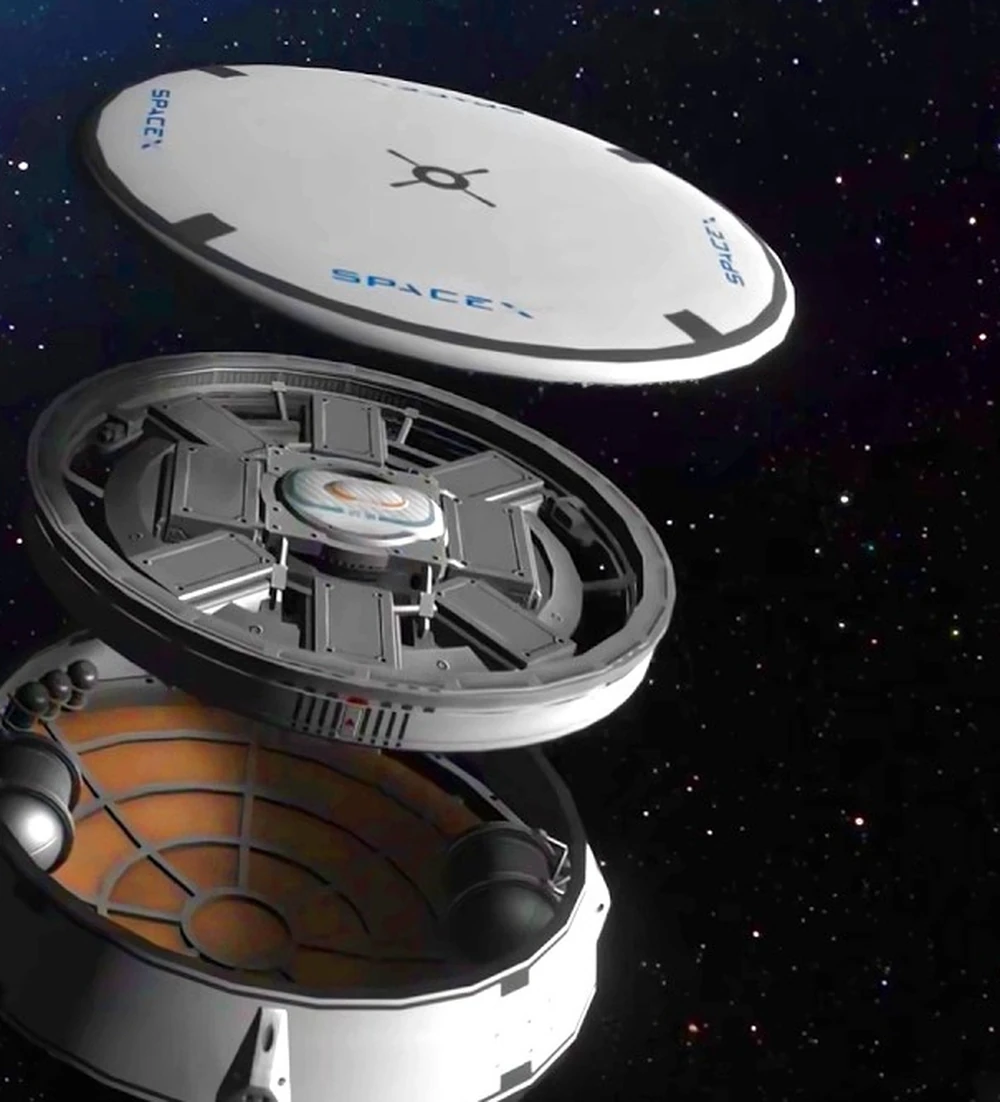
The first thing you notice about Starfall is the shape. Forget the cone-shaped capsules of Apollo or Dragon. Starfall is a flat disk: roughly 3.1 metres (10 feet) across but only 0.75 metres (2.5 feet) tall, a bit like an enormous hockey puck. It weighs around 2,100 kg empty and can bring up to 1,000 kg of payload back from orbit.
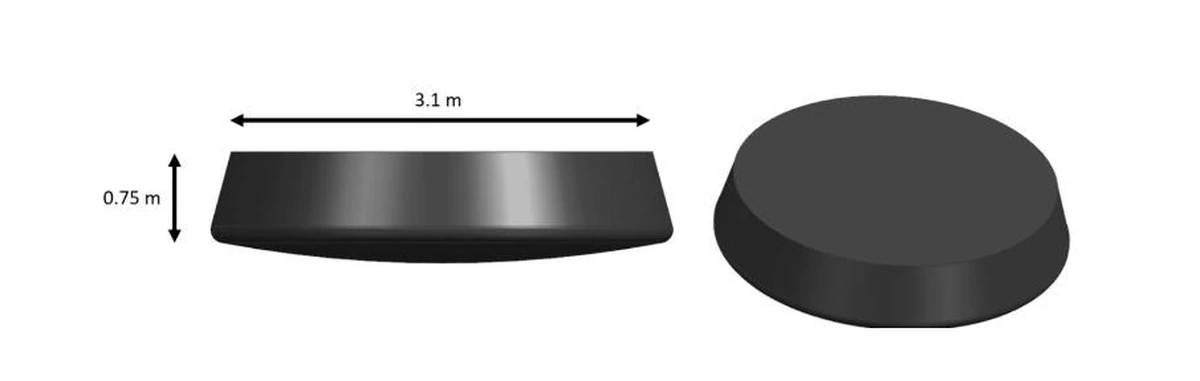
That flat, wide design is deliberate. According to SpaceX's FAA filing, the vehicle has two main parts that separate after reentry: a top plate that holds the payload and the attitude-control gear, and a carbon-fibre heat shield underneath. The broad shield spreads the brutal heat of atmospheric reentry over a large surface, and it doubles as a tank for the compressed gas the craft uses to point itself, jettison the shield and deploy its parachutes. There are no liquid fuels and no toxic propellants anywhere on board: just inert, harmless nitrogen for steering. Everything pressurised is vented before splashdown, so nothing nasty ends up in the sea.
Why a Cargo-Return Vehicle Matters
This is the part that turns an oddly shaped spacecraft into a genuinely big deal. There is a growing industry that wants to manufacture things in orbit, because microgravity lets you make products you simply cannot make on Earth.
Without gravity pulling everything down, materials mix more evenly, crystals grow more perfectly, and liquids behave in ways that gravity normally ruins. That opens the door to ultra-pure pharmaceuticals, flawless protein crystals for drug research, and exotic optical fibres that could outperform anything made on the ground. The catch has always been the same: making something valuable in orbit is pointless if you can't get it back. A reliable, high-capacity return vehicle is the missing piece, and that's exactly the gap Starfall is built to fill.
How Starfall Comes Home
Here's a quirk that surprised a lot of people: Starfall has no engine of its own. It can't fire a thruster to drop itself out of orbit. On this demo flight, it's expected to lean on Falcon 9's upper stage to nudge it back toward the atmosphere, after which the disk takes over for the fiery descent.
Once it's screaming through the upper atmosphere, the heat shield does the heavy lifting, cold-gas thrusters keep it pointed the right way, and parachutes slow it for a soft splashdown. SpaceX is aiming for a patch of the Pacific Ocean about 700 nautical miles (1,300 km) off the US West Coast. The company hasn't said exactly how long this first Starfall will stay in orbit before coming home, so the most dramatic part of the test, the return itself, is still to come in the days ahead.
Fancy watching Falcon 9 launches for yourself?
Kit we've tested and reviewed in full
You won't catch Starfall's splashdown from the UK, but Starlink trains and the ISS pass overhead regularly, and a decent pair of binoculars makes spotting them far easier. Here's what we'd recommend.
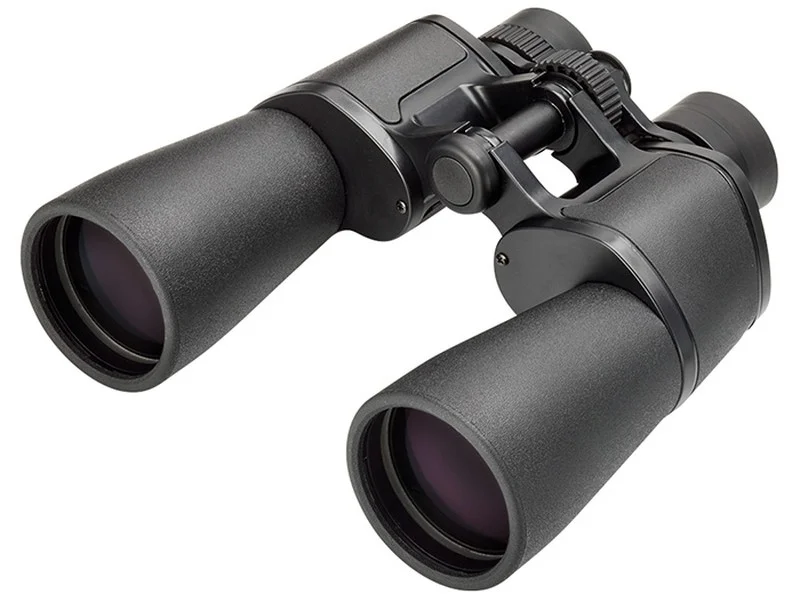
Light and easy to swing up quickly, which is handy when a Starlink pass or the ISS only gives you a few minutes' notice.
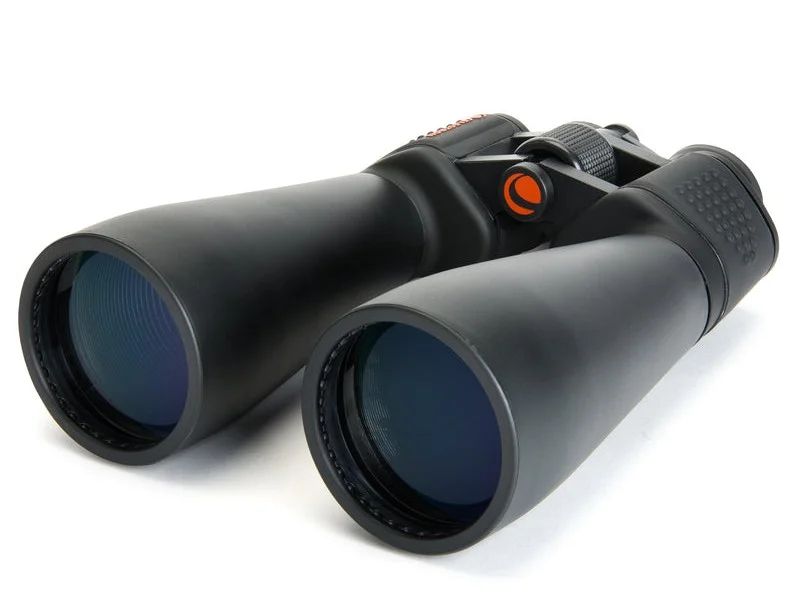
Bigger lenses pull in more detail on satellites and the ISS as they streak overhead, a proper step up from a Falcon 9 vapour trail on the news.
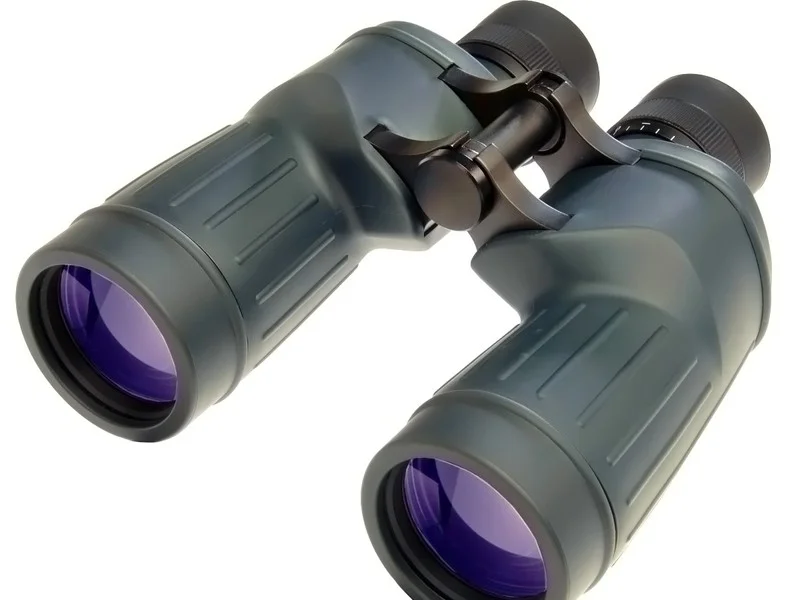
A sturdier pair worth the extra if you're getting into satellite spotting regularly rather than just for the odd big launch.
Affiliate links: you pay the same price, we earn a small commission that helps keep WatchTheStars free.
Starfall vs Varda: The Race to Bring Things Back
SpaceX isn't first to this idea. A California startup called Varda Space has already proven it works, landing five of its small cone-shaped "W-series" capsules, each about 0.9 metres wide and carrying roughly 300 kg, including one that returned a payload for the US Air Force after more than eight weeks in orbit.
What SpaceX brings is scale. Starfall is more than three times the size of Varda's capsule and can return over three times the mass, and it launches on rockets SpaceX already flies constantly and lands for reuse. If the demo works, SpaceX could undercut everyone on the cost of getting a kilogram of cargo back from orbit: the same playbook that let it dominate the business of getting things up there in the first place.
Today's Launch in Detail
The rocket doing the work today is a veteran. This was the 29th flight of Falcon 9 booster B1078, whose CV includes NASA's Crew-6 astronaut launch to the International Space Station, a US Space Force mission, and 23 batches of Starlink satellites. About two and a half minutes after liftoff, the booster peeled away to fly itself back for a landing on the droneship "A Shortfall of Gravitas" out in the Atlantic, while the upper stage carried Starfall onward.
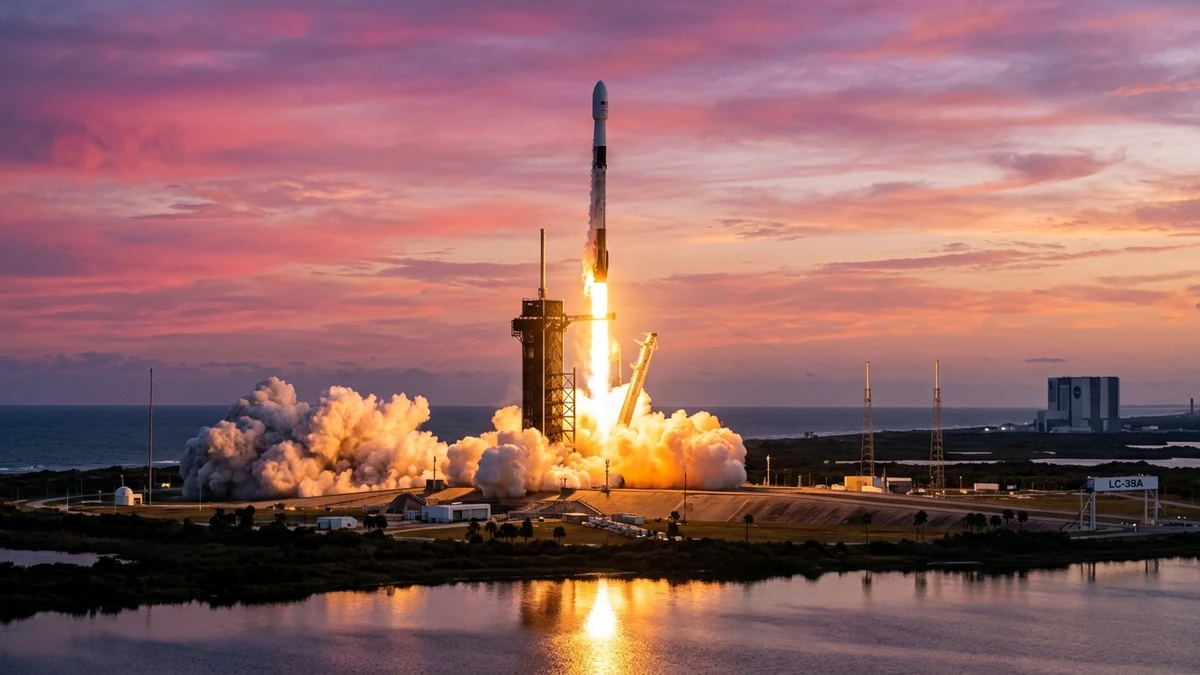
For UK viewers the timing was friendly for once, late morning rather than the middle of the night, with the launch window opening at 11:43 BST. SpaceX had a backup slot reserved for Wednesday 24 June at the same time in case of any delay.
What It Means for the Space Economy
It's easy to shrug at "another SpaceX launch" when the company flies more rockets than the rest of the world combined. But Starfall is a different kind of milestone. For most of the space age, orbit has been a one-way street for cargo: you send things up, and apart from the odd crewed capsule or science sample, they stay there or burn up. A cheap, frequent, high-capacity way to bring manufactured goods back is the foundation that an entire in-space manufacturing industry has been waiting on.
If these demo flights succeed, the knock-on effects are real: drug companies running orbital production lines, factories making materials that are impossible on Earth, and (further out) the "anything, anywhere" idea of using space as a fast delivery route for cargo around the planet. That's a long way off, and today was only step one. But step one is the one that had to come first, and as of this morning, it's flying.
Sources:
- SpaceX launching its 1st 'Starfall' reentry capsule early on June 23: Watch it live · Space.com
- Live coverage: SpaceX to launch reentry capsule demo mission called 'Starfall' · Spaceflight Now
- SpaceX is set to fly its first Starfall capsule Tuesday · SpaceDaily
- SpaceX is launching a secret spacecraft that could change how things are made in space · Teslarati
Frequently Asked Questions
Equipment guides
Related topics
Ian ClaytonAmateur astronomer and founder of WatchTheStars.co.uk, dedicated to helping others explore the wonders of our universe. Full profile →