Key takeaways
- Japan's Hayabusa2 spacecraft flew past asteroid Torifune on Sunday 5 July 2026, with closest approach planned for around 10:30am UK time (18:30 in Japan)
- It was planned to pass about 1km from the asteroid's centre while travelling at 5.3km per second: one of the closest asteroid flybys ever attempted
- JAXA was due to stream the event live on YouTube from its mission control at Sagamihara
- The flyby was a planetary defence rehearsal: the same precision guidance would be needed to knock a dangerous asteroid off course
- Hayabusa2 already brought samples of asteroid Ryugu back to Earth in 2020, its final stop is the tiny asteroid 1998 KY26 in 2031
Jump to section 5 sections
Hayabusa2 Flyby Time: When It Happened and How It Was Covered
While most of the UK was having a Sunday morning cuppa, a Japanese spacecraft on the other side of the solar system was threading a needle. At around 10:30am UK time on Sunday 5 July (18:30 in Japan), Hayabusa2 flew past the asteroid Torifune at a planned distance of just 1 kilometre.
That number deserves a second look. Spacecraft flybys normally keep hundreds or thousands of kilometres of breathing room. Hayabusa2 was set to pass about 1km from the centre of an asteroid that may itself be nearly a kilometre wide, while moving at 5.3km per second. That's around 12,000mph: London to Edinburgh in under two minutes. Satoshi Tanaka of JAXA, the Japanese space agency, called it "one of the closest asteroid encounters ever attempted by a mission of this class".
JAXA was due to stream the encounter live from mission control at Sagamihara on its YouTube channel, with coverage starting at 7am UK time. Nobody expected a live video feed of the asteroid. The pass was over in seconds. What the stream was due to show was the control room, the telemetry, and hopefully some relieved faces. The first actual pictures of Torifune were expected within days, once the images crawled back to Earth from deep space. For a replay of the stream, JAXA's YouTube channel is the first place to look.
What Is Asteroid Torifune?
Before the flyby, the honest answer was that nobody really knew, and that was the point.
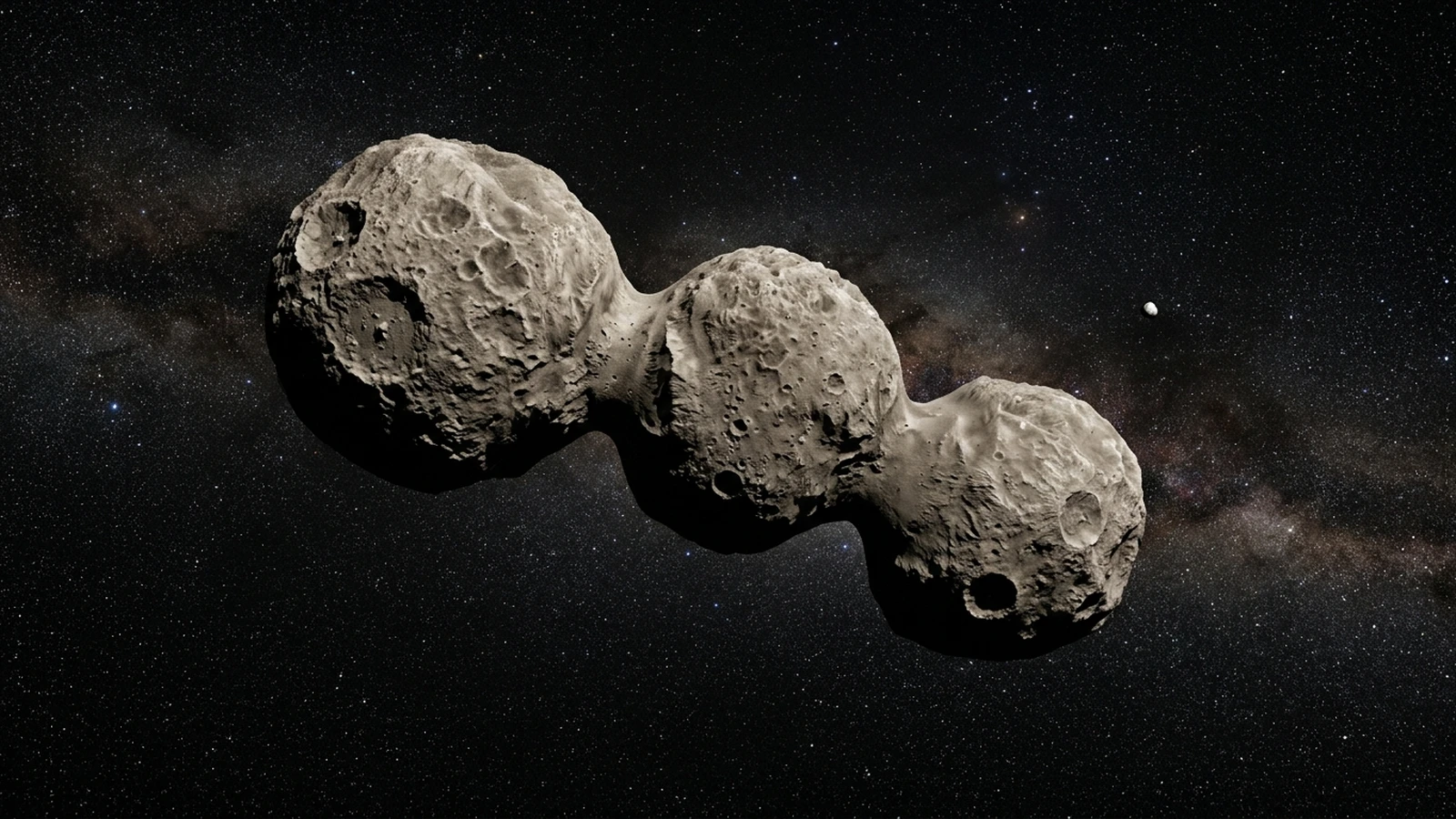
Torifune, formally catalogued as (98943) 2001 CC21, is a near-Earth asteroid named after a divine boat from Japanese mythology. Estimates of its size range from about 450 metres to nearly a kilometre across. It belongs to the rare L-type class of asteroids, and beyond that, the facts ran out. Its shape was a mystery. It might even be a contact binary: two separate rocks that drifted together and stuck, like the "rubber duck" comet 67P that Europe's Rosetta probe visited.
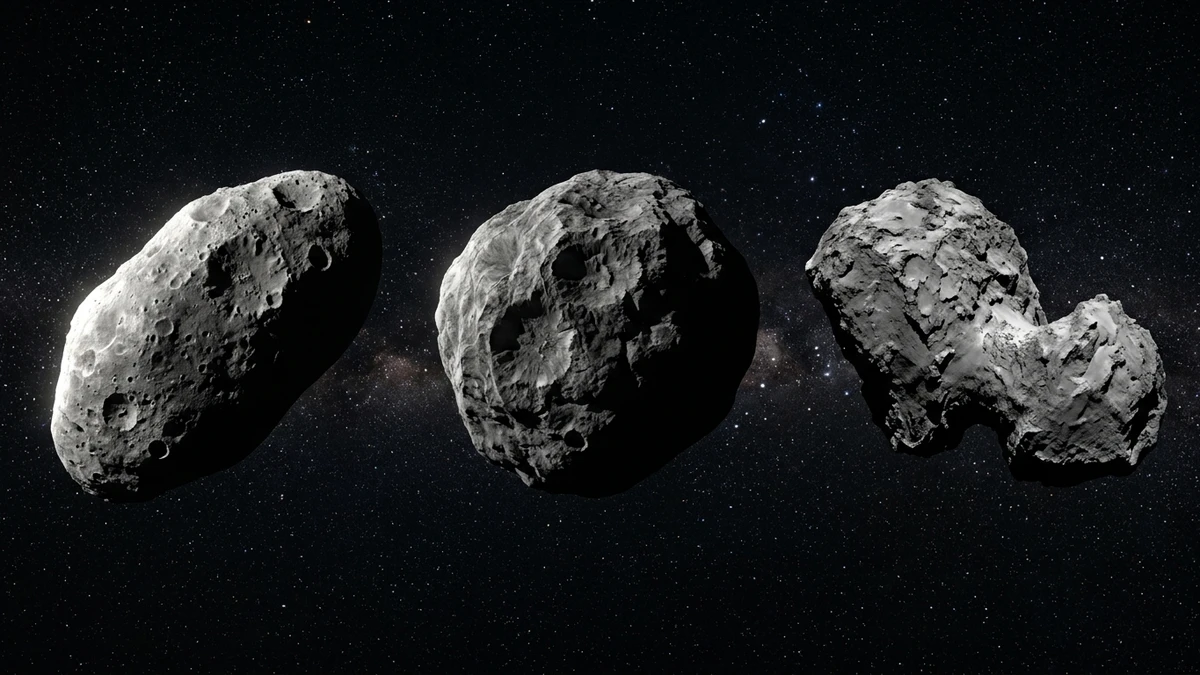
Patrick Michel, a planetary scientist on the Hayabusa2 team, put it nicely: "Each time we have seen a new asteroid, we've been surprised. We're going to discover another beast to put in the zoo of asteroids."
That uncertainty was also what made the flyby risky. The team was aiming for a 1km pass at an object whose exact size they couldn't confirm until they got there. Michel was candid about it: the spacecraft was never designed for this, and the margins were tight.
Planetary Defence: Why Fly So Close, So Fast?
This wasn't a stunt. The flyby was a rehearsal for the day humanity might need to deflect an asteroid for real.
In 2022, NASA's DART mission deliberately crashed into the small asteroid Dimorphos and measurably changed its orbit. That proved the principle: hit an asteroid hard enough, early enough, and you can nudge it off a collision course. But hitting a small rock at enormous speed only works if you can guide a spacecraft with extreme precision, which is exactly the skill Hayabusa2 was practising on 5 July.
There was a second skill being tested too. Before you deflect a dangerous asteroid, you need to know what you're dealing with. Is it solid rock or a loose pile of rubble? One body or two? A fast, close flyby like this one is a template for rapid reconnaissance: one quick pass that sizes up a threat before an interceptor arrives. JAXA says the data feeds directly into planetary defence work coordinated through the United Nations.
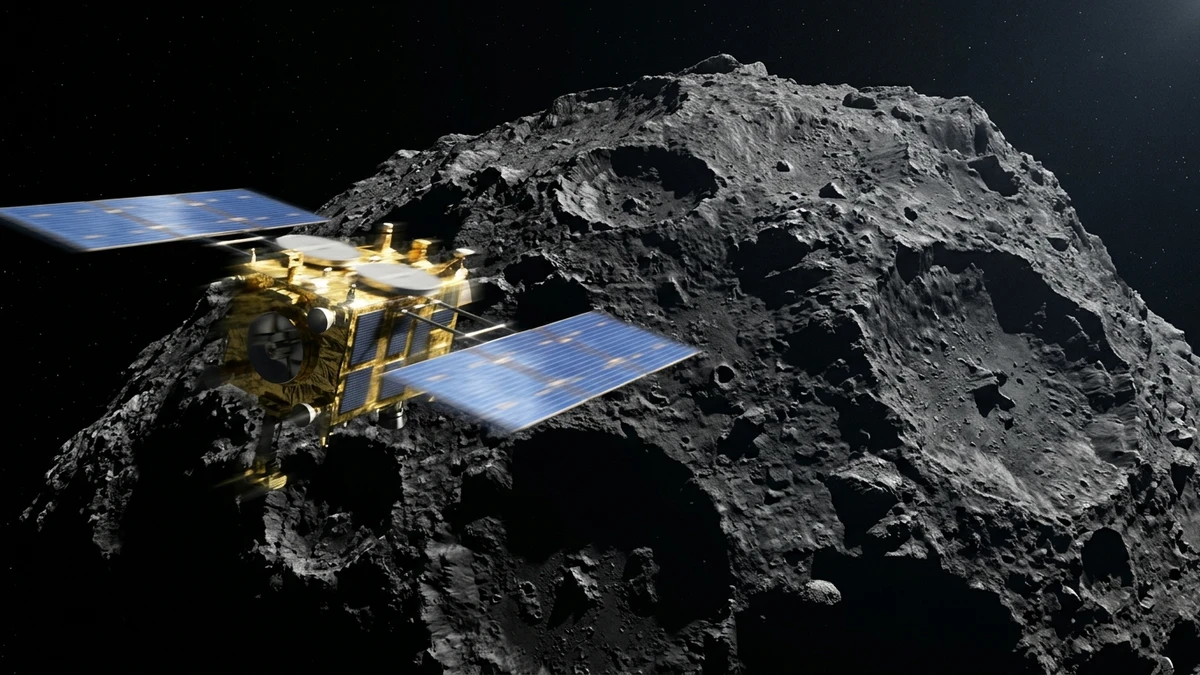
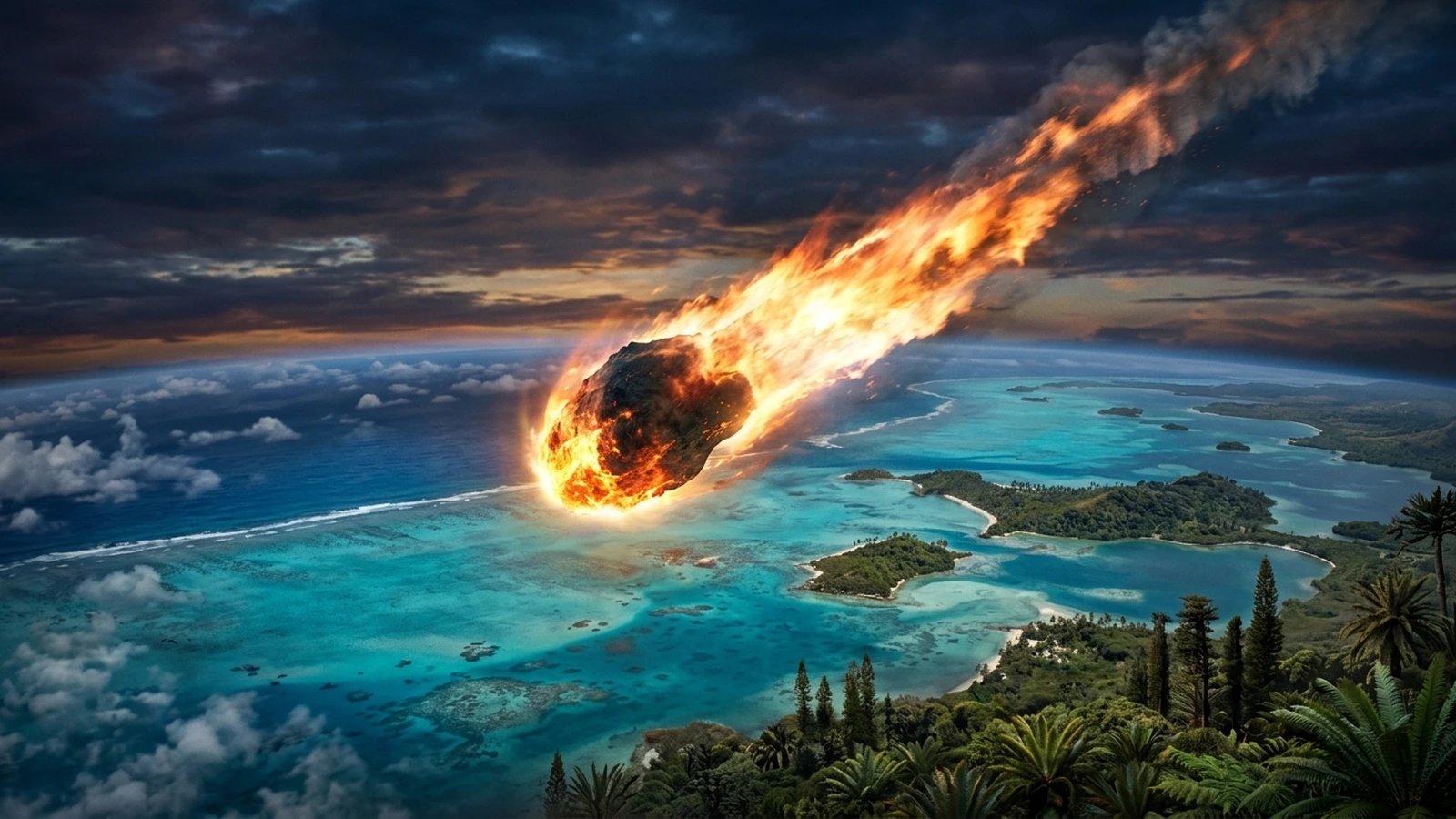
So while Torifune poses no threat to Earth, the technique matters enormously. Space rocks do hit us, a 7-ton fireball exploded over Ohio in March 2026, and if something Torifune's size were ever found on a collision course, an impact would be a catastrophe on a continental scale. Better to practise beforehand, on a friendly asteroid, than to improvise later on an unfriendly one.
Want to see a real asteroid yourself?
Kit we've tested and reviewed in full
Torifune is far too faint for back-garden kit, but the asteroid Vesta isn't: it's within reach of ordinary binoculars from the UK (our Vesta guide shows you where to look). Here's what we'd take outside.
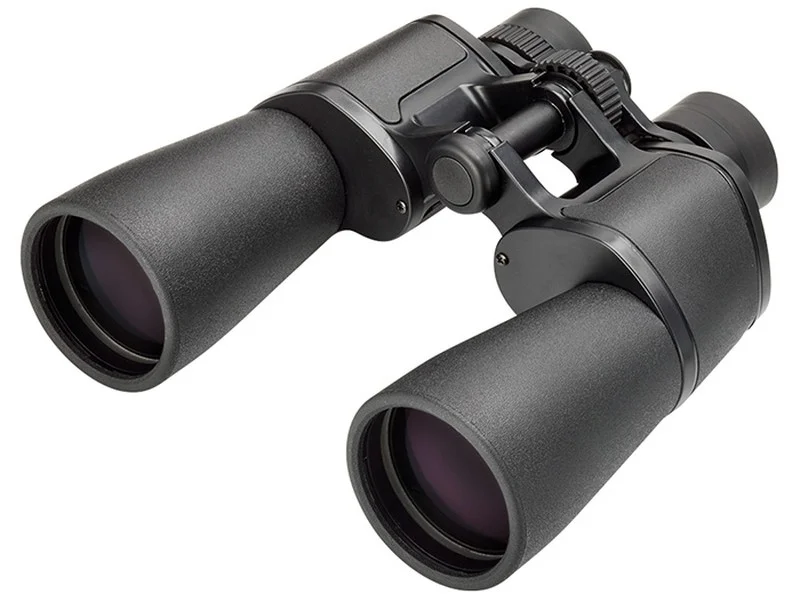
Enough light grasp to pick out Vesta as a slowly drifting "star", and a lovely first pair for the Moon and star clusters too.
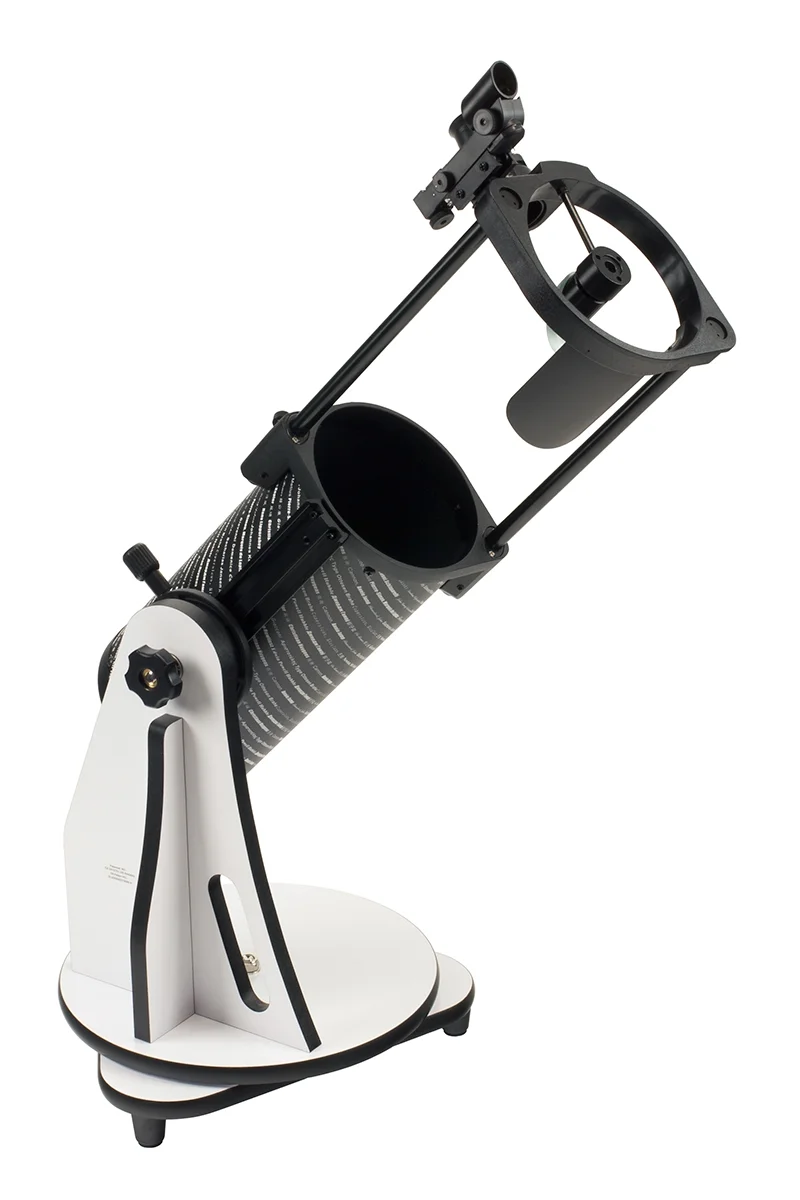
Turns Vesta from a dot into an easy catch, and shows you craters on the Moon made by exactly the kind of impacts planetary defence is about.
Affiliate links: you pay the same price, we earn a small commission that helps keep WatchTheStars free.
Hayabusa2's Story So Far: The Probe That Keeps Going
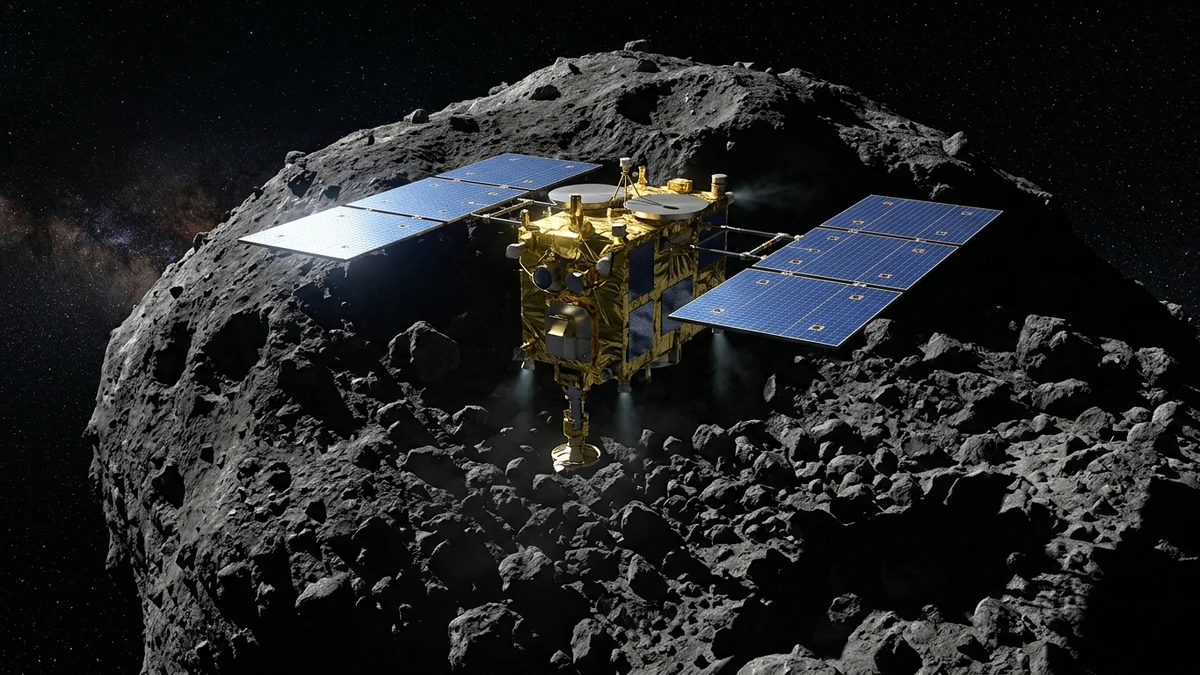
If any spacecraft has earned the right to retire, it's this one. Hayabusa2 launched in December 2014, reached the asteroid Ryugu in 2018, shot a copper projectile into it to make an artificial crater (a world first), grabbed samples from the surface, and parachuted them into the Australian outback in December 2020. Those few grams of rock turned out to contain amino acids and the chemical building blocks of DNA: evidence that asteroids could have delivered life's raw ingredients to the early Earth.
Mission accomplished, and then some. But the spacecraft was still healthy and had fuel to spare, so JAXA sent it back out on an extended mission. It has spent the years since cruising deep space, studying zodiacal light and even observing exoplanets, shrugging off a brief safe-mode scare along the way. The Torifune flyby was the first of its two remaining acts.
What Happens Next: On to Asteroid 1998 KY26
The flyby was the warm-up. The main event comes in 2031, when Hayabusa2 arrives at asteroid 1998 KY26: a spinning pebble of a world, estimated between 11 and 30 metres across, that rotates once every ten minutes or so. No spacecraft has ever visited anything so small. JAXA may even attempt to land on it.
That matters for the same planetary defence reasons. House-sized rocks like KY26 are exactly the kind that can survive the trip through our atmosphere, and we know almost nothing about how they're put together. Solid boulder or flying rubble pile? The answer changes how you'd deflect one.
For 5 July, though, the job was simpler: thread the needle and get out the other side with the cameras full. By mid-morning UK time, a spacecraft 12 years into its journey had met its next asteroid at 12,000mph. We planned to bring you the pictures of Torifune as soon as JAXA released them.
Sources:
- The timing of the flyby of asteroid Torifune by asteroid explorer Hayabusa2 · JAXA
- Japanese probe set for super-close flyby on July 5 · Space.com
- Japan's Hayabusa2 to observe asteroid Torifune during July flyby · The Japan Times
- Overview of Hayabusa2 extended mission's flyby of Near-Earth Asteroid (98943) Torifune · arXiv
- Asteroid Explorer "Hayabusa2" · JAXA
Frequently Asked Questions
Equipment guides
Related topics

Ian ClaytonAmateur astronomer and founder of WatchTheStars.co.uk, dedicated to helping others explore the wonders of our universe. Full profile →