Key takeaways
- A study published in Science Advances on 17 July 2026 identifies the Chicxulub impactor as a CO chondrite, one of the rarest classes of meteorite known
- The team used nickel isotope analysis on samples of the thin clay layer the impact left all over the world 66 million years ago
- CO chondrites carry about half the sulphur scientists had assumed, so dust thrown into the atmosphere, not sulphur gas, was probably the main killer
- The rock formed in the cold outer solar system, beyond Jupiter, making it a very unlikely visitor to Earth
- As co-author Philippe Claeys puts it, being hit by such a rare, distant projectile 'underscores how unlucky the dinosaurs were'
Jump to section 5 sections
What Killed the Dinosaurs? A 66-Million-Year-Old Mystery
We've known the outline of the story since 1980. An asteroid roughly 10 to 15 kilometres wide slammed into a shallow sea covering what is now Mexico's Yucatán Peninsula, blasted out a crater 180 kilometres across, and wiped out around 75% of all species on Earth. Every dinosaur died, except the small feathered ones that became birds.
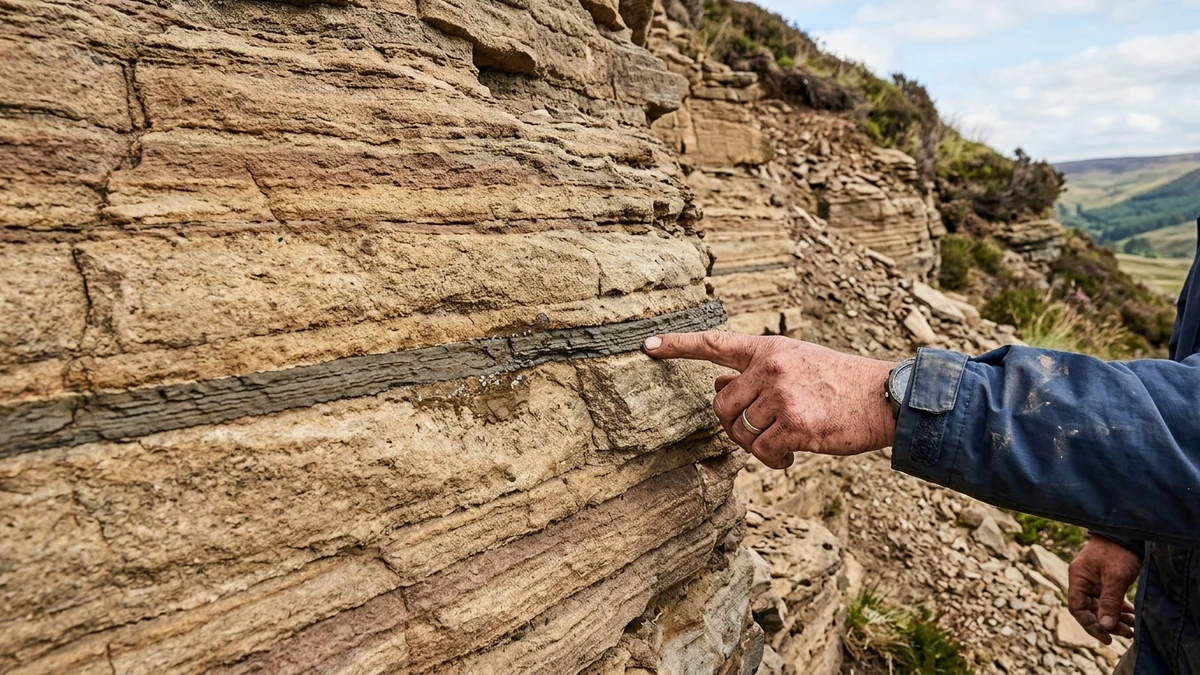
What we've never known is exactly what hit us. The asteroid itself was vaporised on impact, so there's no crater-bottom boulder to examine. All that survives is a fingerprint: a thin layer of clay, called the K-Pg boundary, that the impact scattered across the entire planet. Find rock of the right age anywhere in the world, from Denmark to New Zealand, and that little grey-brown line is there.
Now a team of scientists has read that fingerprint more closely than ever before. Their study, published in Science Advances on 17 July, finally puts a name to the killer. And it turns out the dinosaurs were desperately unlucky.
What Type of Asteroid Killed the Dinosaurs? A Rare CO Chondrite
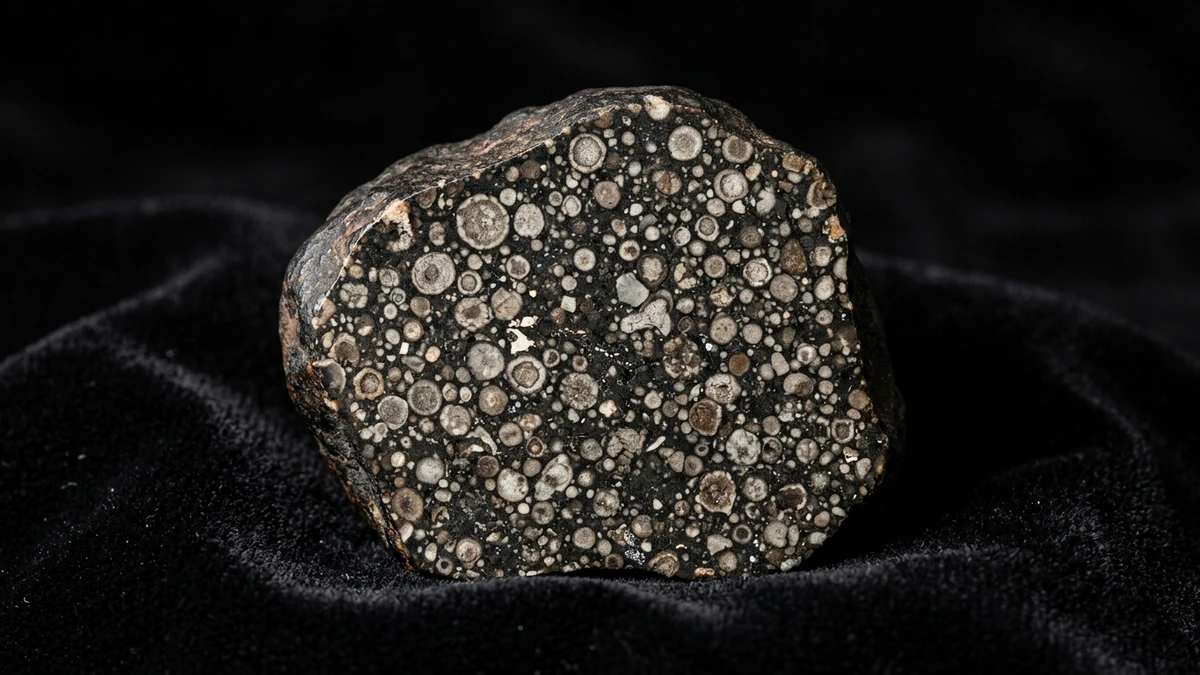
The short answer: a CO chondrite, formally known as an Ornans-type carbonaceous chondrite. It's one of the rarest classes of meteorite ever recovered on Earth.
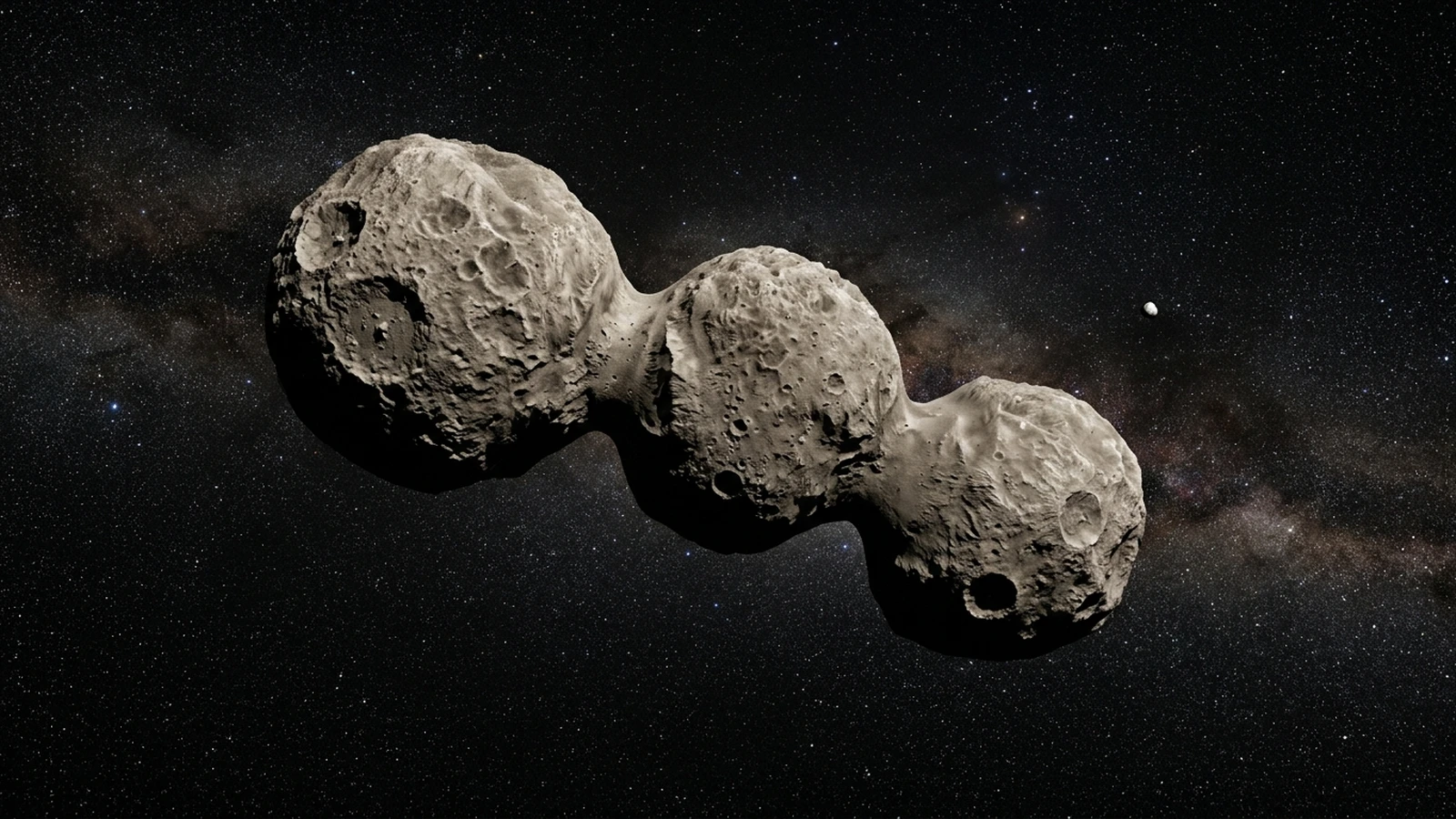
Some context helps here. Carbonaceous chondrites are dark, primitive space rocks rich in carbon compounds, and they're already uncommon: only about 5% of the meteorites found on Earth belong to the family. CO chondrites, named after a meteorite that fell near the French town of Ornans in 1868, are a small fraction within that group. These are some of the most pristine materials left over from the birth of the solar system, essentially unchanged in 4.6 billion years.
The team behind the new study analysed nickel isotopes in K-Pg boundary clay collected from sites around the world. Isotopes work like a chemical barcode: different families of asteroid formed in different places with subtly different mixes, and those mixes survive even vaporisation. The barcode in the clay matched CO chondrites.
"Being impacted by such a rare, distant projectile really underscores how unlucky the dinosaurs were," said co-author Philippe Claeys, a planetary scientist at the Free University of Brussels who worked on the study as a visiting professor at the University of British Columbia.
How Did the Asteroid Kill the Dinosaurs? Dust, Not Sulphur
Here's where the identification changes the story. Knowing the type of rock also tells you what it was made of, and CO chondrites hold a surprise: they carry only about half as much sulphur as the asteroid types scientists had previously assumed, and less water, carbon and zinc too.
That matters because sulphur has long been the prime suspect in the actual killing. The standard account went like this: the impact vaporised sulphur-rich rock, the sulphur formed aerosols high in the atmosphere, sunlight was blocked, and the planet plunged into a years-long impact winter. Plants died first, then the herbivores that ate them, then the carnivores that ate the herbivores.
The winter definitely happened. But if the asteroid delivered half the expected sulphur, something else must have done most of the sun-blocking. The study points to the simplest culprit of all: dust. Trillions of tonnes of fine pulverised rock, hurled into the atmosphere and kept there for years.
"It doesn't alter our theory of what caused the extinction event, but it makes it less likely that sulphur contained in the impactor was the smoking gun," said Claeys. "The fine debris thrown into the atmosphere would have been the primary factor."
Where Did the Dinosaur Asteroid Come From?
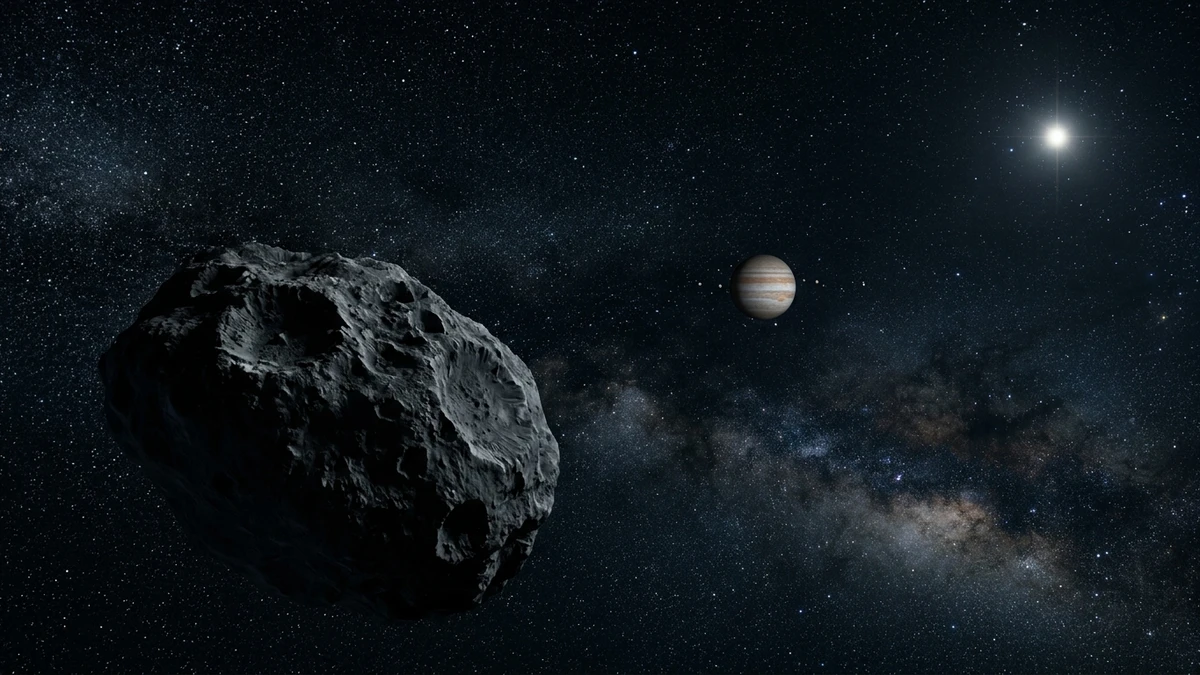
From a long way out. CO chondrites formed in the cold outer solar system, beyond the frost line, the invisible boundary past which water and other volatile compounds stay frozen. In practice that means the rock that ended the age of dinosaurs was born beyond the orbit of Jupiter.
This fits with earlier detective work. A 2024 study of ruthenium isotopes in the same boundary clay showed the impactor was a carbonaceous asteroid from the outer solar system, ruling out both an ordinary inner-belt asteroid and a comet. The new nickel results sharpen that verdict from "carbonaceous" to a specific, and remarkably rare, class.
Think about what that means for a moment. Most of the space rocks that cross Earth's path are ordinary chondrites from the inner asteroid belt, the sort that exploded over Ohio this March. The odds that the one giant impactor of the last 100 million years would be a rare outer-system wanderer were tiny. The dinosaurs didn't just draw a bad card. They drew about the worst card in the deck.
See the solar system's leftovers for yourself
Kit we've tested and reviewed in full
The rock that ended the dinosaurs was 4.6-billion-year-old rubble from the early solar system, and the same ancient debris is still up there. Asteroid Vesta is bright enough for binoculars from the UK (our guide shows you where to look), and every meteor you see is a small piece of it burning up overhead.
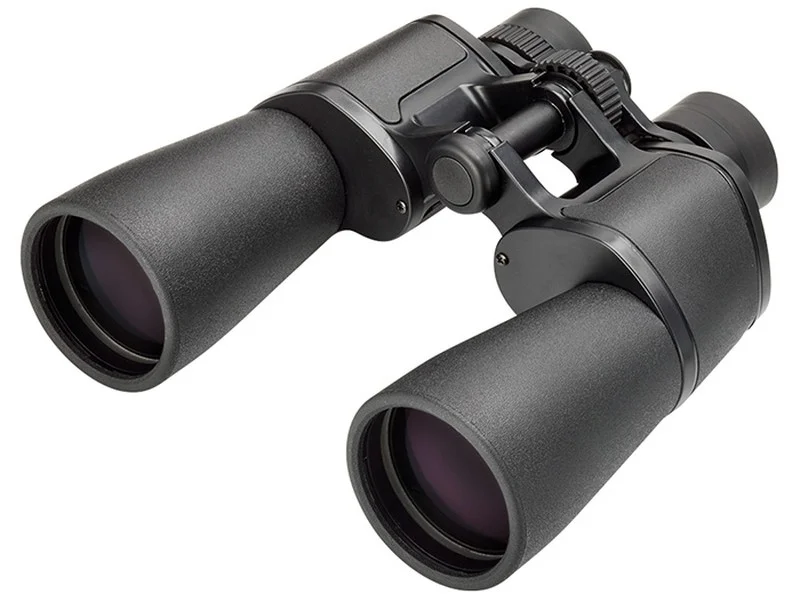
Enough light grasp to pick out Vesta as a slowly drifting 'star', and a lovely first pair for the Moon and star clusters too.
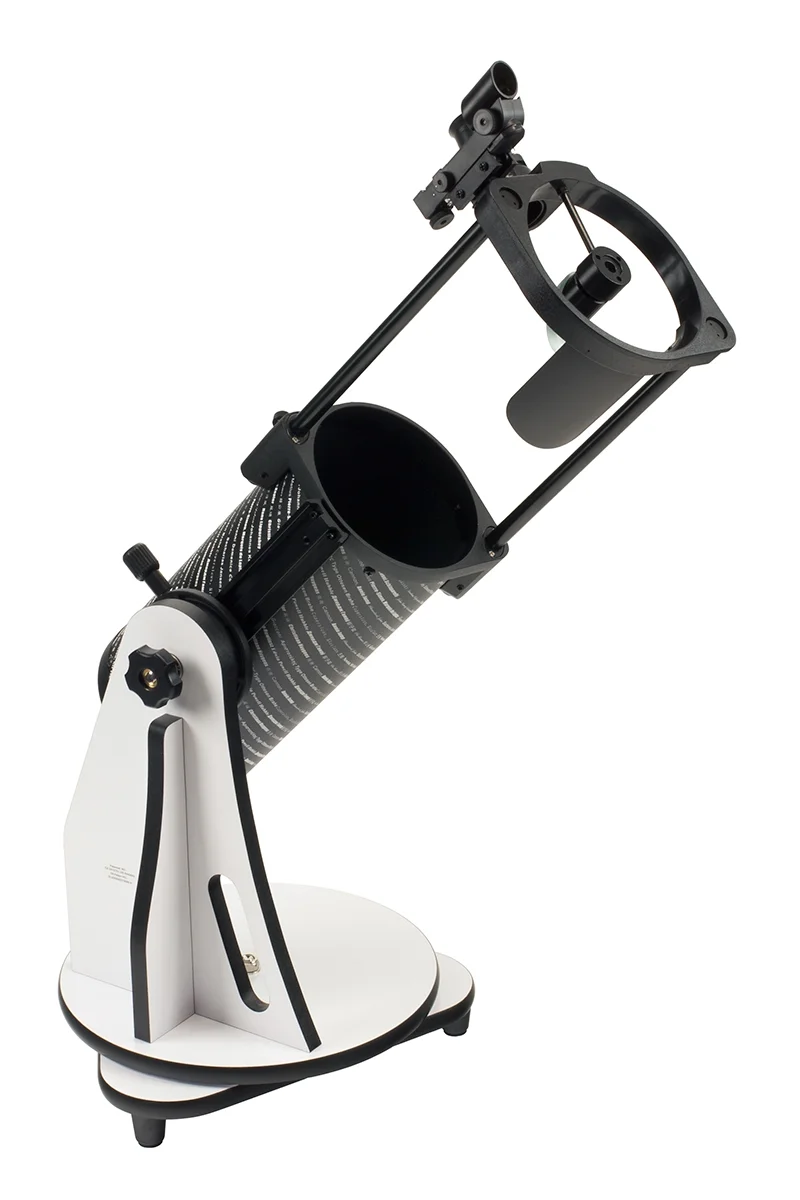
Shows you the Moon's craters close up: every one of them made by the same kind of impacts that shaped the Chicxulub story.
Affiliate links: you pay the same price, we earn a small commission that helps keep WatchTheStars free.
Could an Asteroid Like Chicxulub Hit Earth Again?
Yes, in principle. Impacts on that scale are separated by many tens of millions of years, and astronomers have found no large asteroid on a collision course. Smaller rocks visit far more often, asteroid 2026 JH2 passed closer than the Moon in May, but city-killers and planet-changers are mercifully rare.
The bigger difference is that we're no longer passive. In 2022, NASA's DART mission deliberately crashed into the asteroid Dimorphos and measurably shifted its orbit, proving that a well-aimed spacecraft can move a space rock. Missions keep building on that groundwork: Japan's Hayabusa2 skimmed the asteroid Torifune from just 1km away this month to rehearse the precision guidance a real deflection would need, and China's Tianwen-2 is sampling Earth's quasi-moon Kamo'oalewa right now.
The dinosaurs never saw it coming. We would. Sixty-six million years after the unluckiest day in Earth's history, the species that inherited the planet is making sure it never happens again.
Sources:
- Researchers identify class of 'oddball' meteorite that killed the dinosaurs · Phys.org
- The Asteroid That Killed the Dinosaurs May Not Have Done It Exactly How We Thought · Gizmodo
- Study in Science Advances (17 July 2026) · Science Advances
- We just learned where the asteroid that ended dinosaurs came from · National Geographic
- Chicxulub, the asteroid that killed the dinosaurs · BBC Sky at Night Magazine
Frequently Asked Questions
Equipment guides
Related topics
Ian ClaytonAmateur astronomer and founder of WatchTheStars.co.uk, dedicated to helping others explore the wonders of our universe. Full profile →