Key takeaways
- The Pentagon's fifth UFO file release includes six FBI witness reports from 2026: sightings by serving US government special agents in the western United States this year
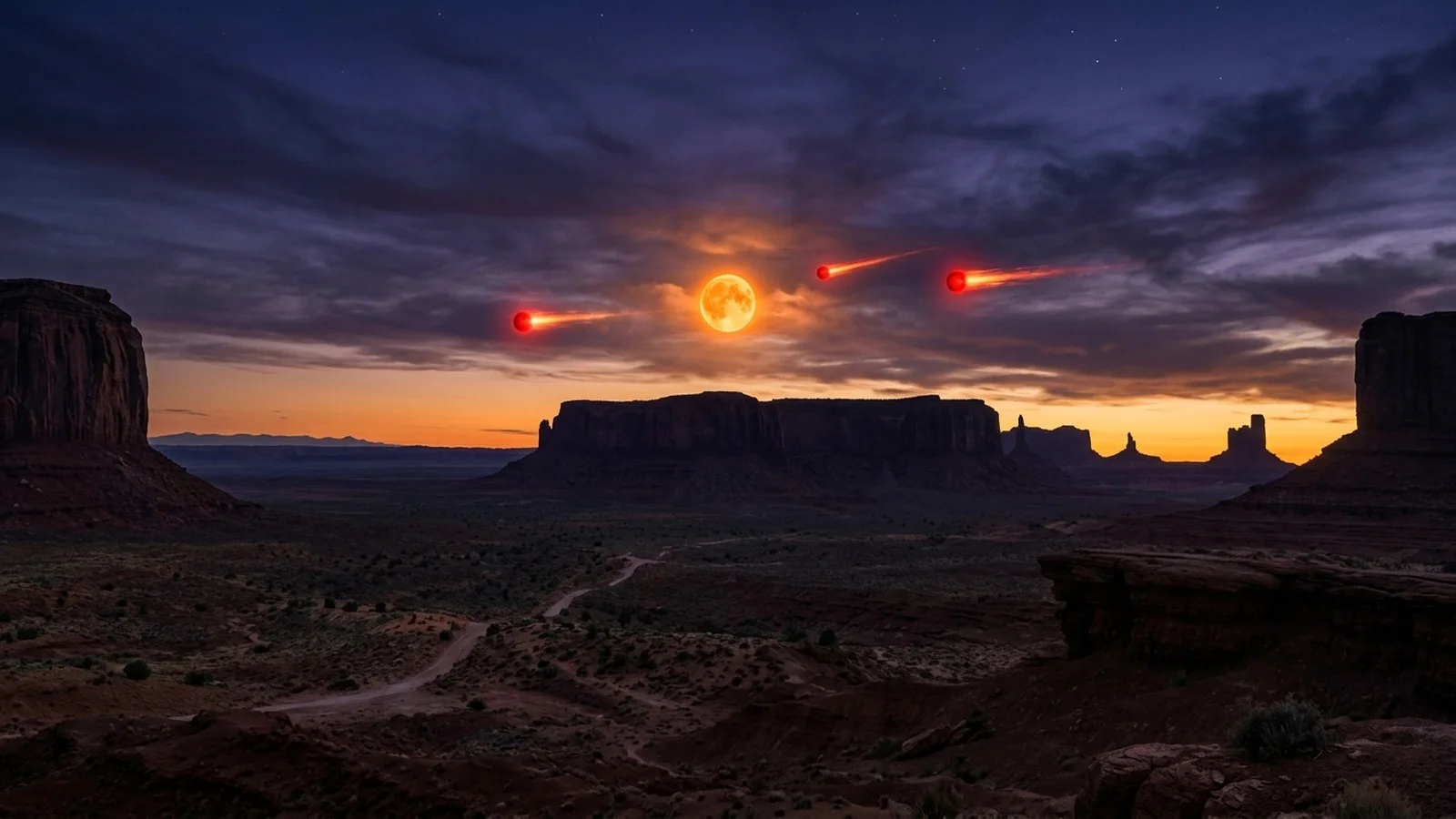
- Two agents watched red lights hover, sync up and descend to an estimated six feet off the ground; one light moved through a dry wash a hundred metres behind them
- One agent's mechanical watch was 25 minutes fast immediately after the encounter, checked against three digital clocks, it had kept good time for five years
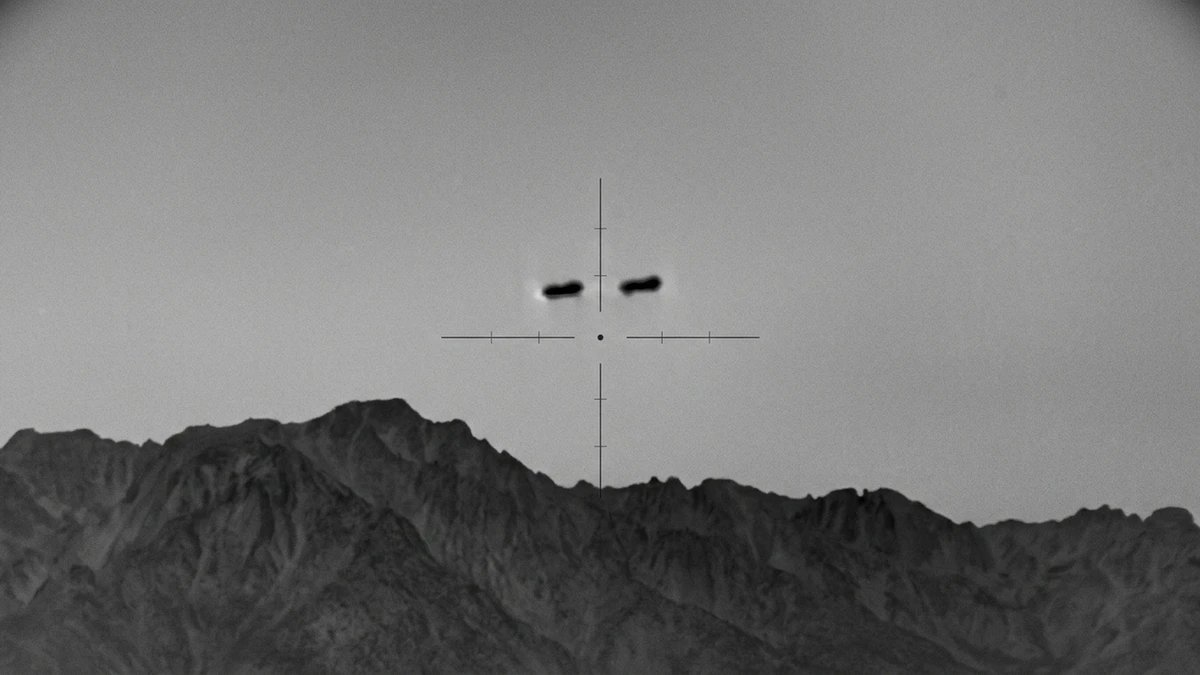
- A separate agent was cued by a radio-frequency detection, then filmed two slow 'black-hot' objects through a thermal optic: the only 2026 footage in the release
- The cases read as a continuation of the October 2023 'orbs launching orbs' events reported by six federal agents in the same region
Jump to section 7 sections
- What the New FBI UFO Files From 2026 Describe
- Red Lights in the Sky: What the Agents Saw
- UFO Time Anomaly: The Watch That Gained 25 Minutes
- Red Orbs in Formation: The Second FBI Case
- Thermal Footage of Two 'Black-Hot' Objects
- How This Connects to 'Orbs Launching Orbs'
- Will the Pentagon Investigate the 2026 UFO Sightings?
Most of the files in the Pentagon's UFO releases are old. Cold War telegrams, 1950s film reels, yellowing Air Force memos. That's what makes six FBI documents in the fifth release stand out: they were written this year, about UFO sightings that happened this year, by witnesses who are serving US government special agents.
I've read all six, plus the ten-second thermal clip that comes with them. Here's what they say, and why they look less like a one-off and more like the latest chapter in a story that's been running since at least 2023.
What the New FBI UFO Files From 2026 Describe
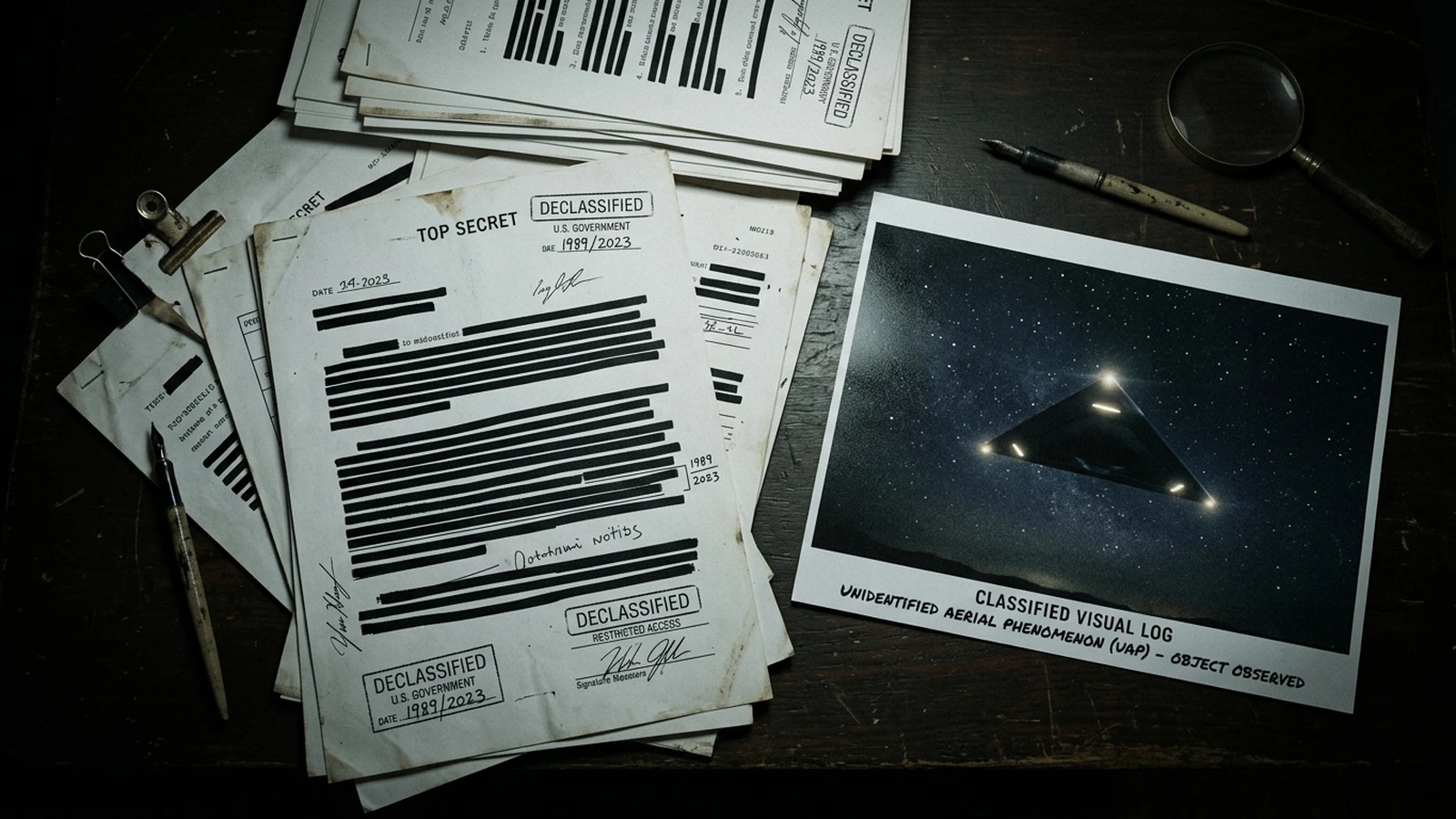
The documents are FD-302s, the FBI's standard witness interview form, released on 7 August 2026 through the Pentagon's PURSUE programme. Four cover sightings by special agents in the western United States this year; the exact dates, locations and names are redacted. Two more pair with them: a set of digital renderings the FBI drew as visual aids, and a short thermal video, the only 2026 footage in the whole release.
Three separate incidents emerge. Two agents watched red lights hover and manoeuvre over several hours. A different pair, on separate ground, saw a group of red lights appear overhead and move off in formation. And a third agent, alerted by an instrument detection, filmed two slow dark objects through a thermal optic.
These aren't lightweight reports. One witness has spent more than 25 years using night-vision equipment. Another compared his sighting against a US Army Black Hawk helicopter he filmed the same evening, precisely so investigators would have a scale reference. Whatever these people saw, they went about reporting it carefully.
Red Lights in the Sky: What the Agents Saw
The most detailed account comes from an agent driving with a colleague one rainy evening in 2026. Around half past eight, he spotted two unidentified lights in the sky, pulled over and got out.
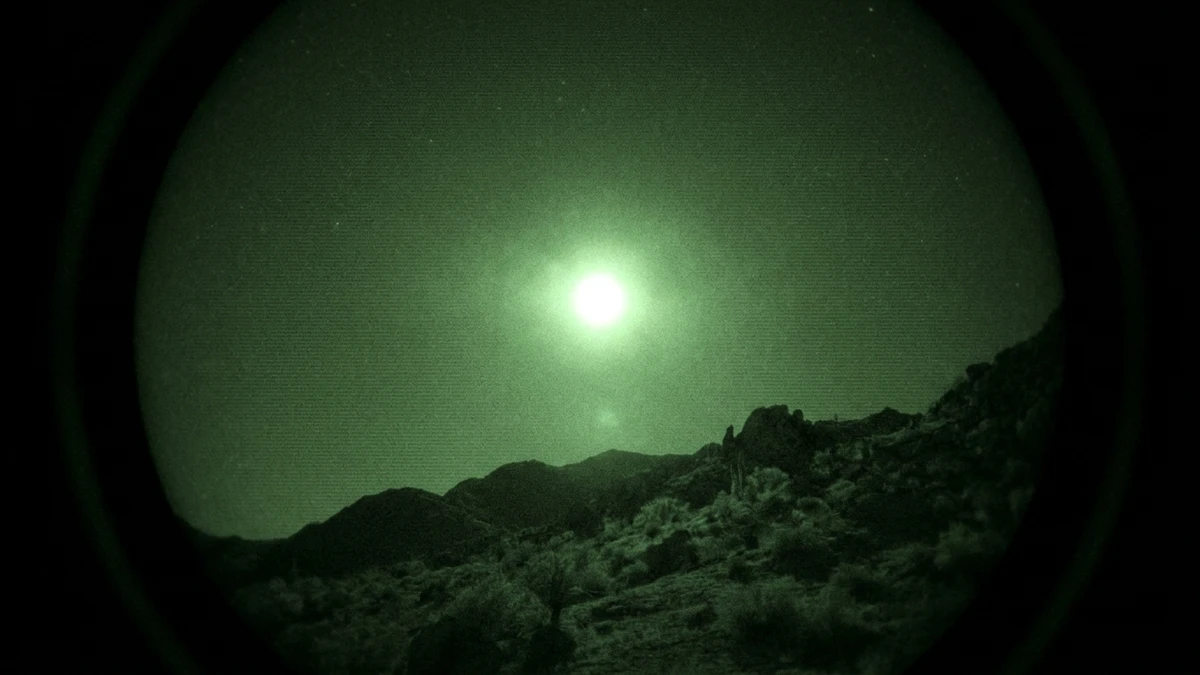
To the naked eye they were dull red and "dash" shaped, moving along a mountain ridgeline to his west. Through his night-vision optics they appeared round, orb-like, with the halo you'd expect from a genuine light source. His colleague saw them as triangular or diamond-shaped: the report candidly notes the witness has astigmatism, which may explain the difference. After about 20 minutes the lights vanished. Another appeared directly above the pair and stayed visible for ten minutes before it, too, disappeared.
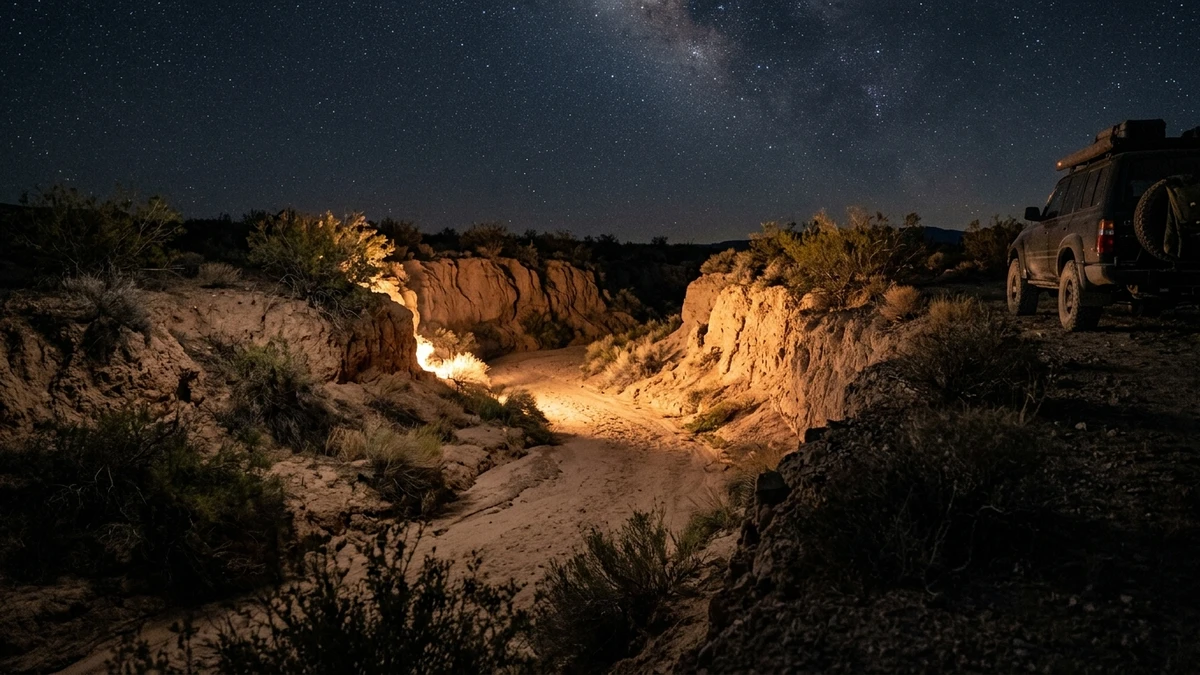
Then things got closer. Between 10pm and 11pm a light appeared roughly 600 metres to their east, around 500 feet above their vehicle. It moved towards them and stopped about 400 metres away. A second light joined it, and this one held position an estimated six feet off the ground. While the agent watched those two, a third light caught his peripheral vision, descending into a dry wash about 100 metres behind them. He couldn't see the source itself, only its glow, moving along the gully.
The agent told interviewers the lights were unlike anything he'd seen in years of night observation. They didn't track in straight lines like satellites. They moved around, changed direction, and got very low. There was no sound, no exhaust, no tail, and when he tried his thermal optics, nothing showed at all.
One more detail rings true precisely because it's so odd. Both witnesses noted afterwards that they never felt afraid, just curious, and given their backgrounds, they found that absence of fear strange in itself.
UFO Time Anomaly: The Watch That Gained 25 Minutes
At around 1am, the agent looked at his watch, a mechanical automatic he'd owned for five years, then checked his phone. The phone said 12:40am. His watch was 25 minutes fast, against his phone, the vehicle's clock and his colleague's digital watch, all of which agreed.
He'd checked the watch at 10pm and it had been accurate. In five years it had never been out by more than about 90 seconds. It was also the only mechanical, non-digital timepiece present. Deliberately, he didn't reset it for 24 hours to see what it would do: it went on keeping proper time, still carrying the offset it had gained that night.
Make of that what you will. A mechanical watch can gain time if it's magnetised, knocked or running faulty, though a fault usually keeps drifting rather than stopping at once. What the report gives us is a specific, checkable anomaly logged by a trained observer against three independent clocks, minutes after a two-hour UAP observation. It's the kind of detail an investigator writes down precisely because they can't explain it.
Checking a strange light for yourself
Kit we've tested and reviewed in full
The agents had night-vision and thermal kit. You don't need either: most odd lights over the UK resolve into satellites, planets or aircraft the moment you get decent glass on them.
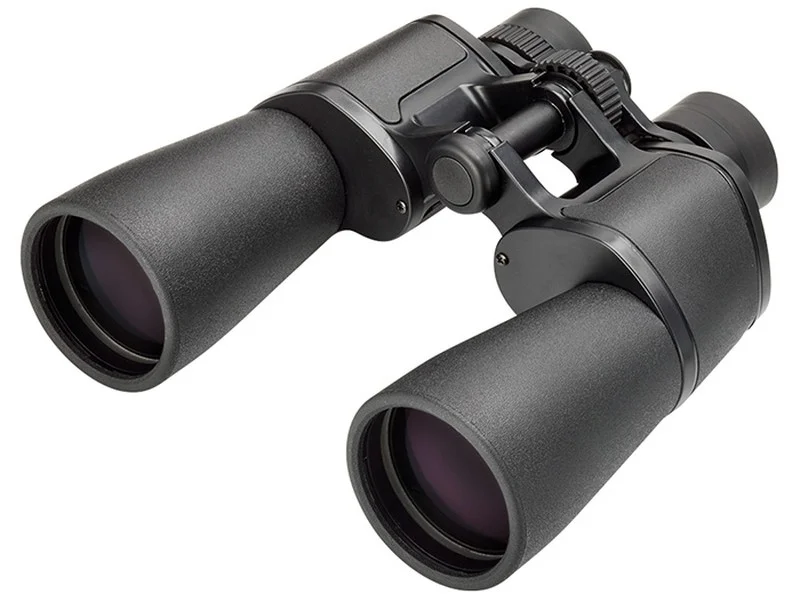
Wide, bright and quick to aim, so a moving light becomes a plane or a satellite before it disappears. The pair we recommend to most UK beginners.
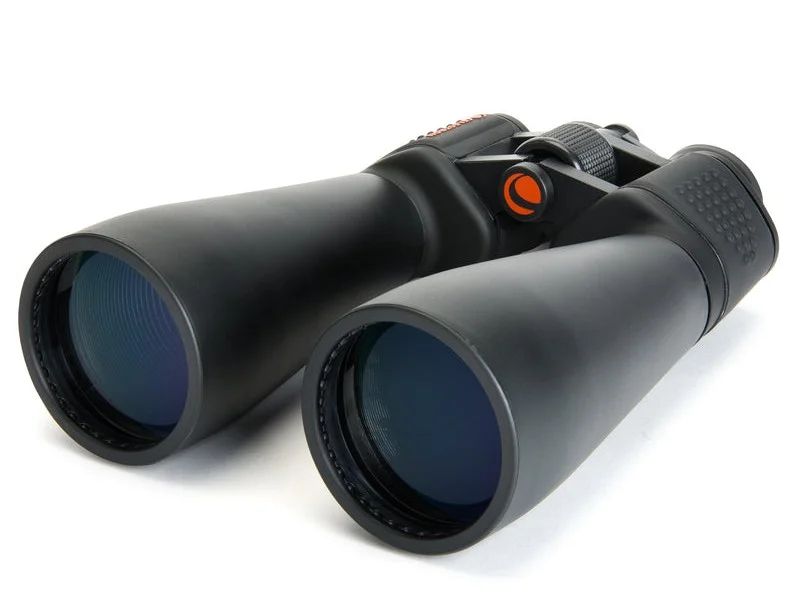
The big 70mm lenses pull in faint, far-off lights that defeat smaller binoculars. Use a tripod at this magnification and low targets stay steady.
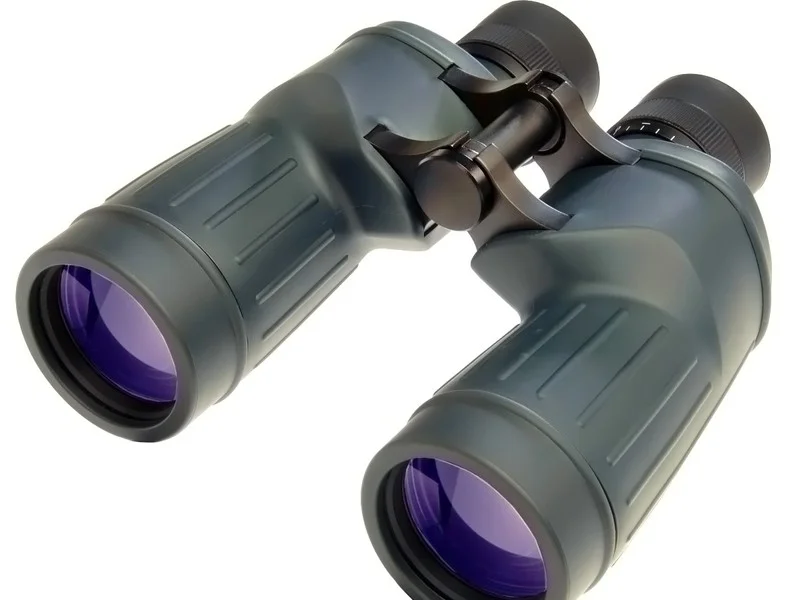
Cleaner contrast keeps a point of light a point, rather than a smear, which is exactly what you need when deciding what something is.
Affiliate links: you pay the same price, we earn a small commission that helps keep WatchTheStars free.
Red Orbs in Formation: The Second FBI Case
A separate FD-302 records a phone interview with another witness from a different evening. He and a companion had driven about 25 miles into a remote area after heavy rain when they noticed a red light at the crest of the mountain range to their west. At first he took it for something on the mountain, then it started moving east.
With the range at about 5,000 feet and the cloud base near 7,000, he judged the light was flying somewhere in between. After roughly 15 minutes, six to ten more lights appeared directly over their position. The whole group, first light included, seemed to "sync up" and head east-southeast together. As they went, one descended rapidly, around 1,000 feet by his estimate, and disappeared. The rest carried on and vanished too.
Through night-vision the lights stayed stubbornly point-like. No shape, no structure, just red lights doing something red lights aren't supposed to do.
Thermal Footage of Two 'Black-Hot' Objects
The third incident starts with a machine, not an eyeball. At 16:04 one afternoon, an agent was alerted to a radio-frequency detection at 10,000 feet, lasting five to ten seconds. A follow-up message asked him to look along a bearing of 58 degrees.
Within minutes he had a thermal optical device on that bearing, and found a black object in the sky, moving slowly. Then a second, to its right. Both showed "black hot" on the thermal display, meaning they registered as strongly different from the sky behind them, and they moved together at the same speed until they passed out of view five to ten minutes later. He photographed and filmed them through the optic; the ten-second clip is in the release, catalogued as FBI-UAP-PR007.
The following night, by his own signed statement, the same agent saw another object from the same observation area: this one thermally hot, flying southbound like the previous night's pair, but two ridgelines further west. This is the sighting he compared against a Black Hawk helicopter he filmed for scale: the object looked about half the helicopter's size. He couldn't determine what it was, how it was propelled, or whether it was fixed-wing, rotary or a drone.
An instrument detection cueing a human observer onto an object is exactly the kind of corroboration UAP reports have historically lacked. It's one thing to see a strange light. It's another for a sensor to tell you where to look first.
How This Connects to 'Orbs Launching Orbs'
If red lights over the western desert watched by federal agents sounds familiar, it should. In October 2023, six federal law-enforcement agents in three independent teams watched an orange orb repeatedly launch smaller red orbs at dusk, over two evenings, in the western United States. The Pentagon's own briefing slides on that case were published in May, and we covered them in our report on the 'orbs launching orbs' slides and in our full case page on the Western US event.
Nobody in officialdom has joined the dots publicly. But the new files describe the same region, the same red lights, and the same class of witness: federal agents on duty, using night-vision equipment. What's changed since 2023 is the quality of the record: this year there's an RF detection, thermal footage, a scale comparison against a military helicopter, and a timekeeping anomaly checked on the spot. Whatever is happening out there, it's still happening, and it's being documented better each time.
It also fits a wider pattern of officialdom taking these cases seriously while failing to resolve them. The Pentagon's FY2025 UAP annual report admitted 191 unexplained cases; a hundred-object swarm off the Virginia coast is still under investigation; and crews aboard a US gunship filmed orbs that reacted to cannon fire over the Gulf of Oman. The label on all of them is the same: unresolved.
Will the Pentagon Investigate the 2026 UFO Sightings?
The obvious question is whether AARO, the Pentagon office responsible for resolving UAP cases, follows up the 2026 reports the way it did the 2023 events, when it took field measurements after the fact. Nothing in the released files says. The 2026 release programme has been publishing a batch roughly every four to five weeks, so if there's more paper on these cases, we may not wait long.
The honest caveats apply, as ever. Red lights at night have prosaic explanations more often than not: flares, drones, helicopters, atmospheric refraction of ground lights. A watch can misbehave for boring reasons. But the agents themselves knew all that, one of them has spent 25 years looking through night-vision gear at things that turned out to be aircraft, and they still filed reports saying this was different. The files are free to read at war.gov/ufo, and our UAP document archive has the rest of the story so far.
Sources:
- Department of War UAP file release (PURSUE), Release 05 · FBI-UAP-D032, D033, D037, D040 and video FBI-UAP-PR007
- Pentagon releases 5th batch of UFO files, with 41 more documents and videos · CBS News
- New UFO Files Detail FBI Records of 2026 Sightings · Newsweek
Frequently Asked Questions
Equipment guides
Related topics
Ian ClaytonAmateur astronomer and founder of WatchTheStars.co.uk, dedicated to helping others explore the wonders of our universe. Full profile →