Stargazing by region · Updated 6 November 2026
Stargazing in the UK by Region: Best Places Near You
The best stargazing in the UK is in Galloway Forest Park and the Hebrides in Scotland, Kielder Forest in Northumberland, the Elan Valley and Bannau Brycheiniog in Wales, and Exmoor in the south-west, all with Bortle 1 to 3 skies. This hub links our eight regional guides. Each one has a map of that region's dark sky sites with a postcode search, a table with Bortle ratings and directions, the local astronomy clubs, and when to go.
Most people in the UK live under a Bortle 6 to 8 sky, where the Milky Way is invisible and a few hundred stars are all you get. Yet almost everyone is within two hours of a Bortle 3 sky, and most of Scotland, Wales and northern England is within an hour of one. The difference is not small. At a dark site the Milky Way is obvious, the Andromeda Galaxy is a naked-eye object and a meteor shower shows five times as many meteors. Our UK dark sky sites map lists every designated site in one place; the regional guides below go deeper on each area, with local knowledge on where to park, where to stay and which astronomy society to ring.
Where is the best stargazing in the UK? Pick your region
Eight regions cover every International Dark Sky Reserve, Park and Sanctuary in the UK plus the two big national parks that are dark without a designation. Pick the one nearest you, or the one you are visiting.
Stargazing in Scotland
Galloway Forest Park, the Isle of Rum Sanctuary and the Cairngorms, plus the best aurora odds in the UK.
10 sites, 21 clubs →Stargazing in Wales
Elan Valley, Bannau Brycheiniog, Eryri and Ynys Enlli: more protected dark sky than anywhere else in Britain.
12 sites, 16 clubs →Stargazing in Northern Ireland
OM Dark Sky Park in the Sperrins, the Mournes, Fermanagh's lakes and the north coast for the aurora.
1 designated site, 2 clubs →Stargazing in the Lake District
Ennerdale, Wasdale Head and Grizedale Forest: Bortle 2 to 3 valleys with a mountain horizon.
3 sites, 5 clubs →Stargazing in Northumberland
Kielder and the largest Gold Tier Dark Sky Park in Europe, Hadrian's Wall, the Cheviots and the coast.
8 sites, 4 clubs →Stargazing in Devon and Cornwall
Exmoor, Dartmoor, Bodmin Moor and West Penwith: four moors and a coast with Bortle 3 skies.
9 sites, 8 clubs →Stargazing in Yorkshire
Two Dark Sky Reserves certified in one go: the Yorkshire Dales and the North York Moors, with Tan Hill the darkest spot.
5 sites, 18 clubs →Stargazing in the Peak District
Surprise View, Higger Tor and Lyme Park: Bortle 4 skies an hour from Sheffield and Manchester, honestly rated.
3 sites, 9 clubs →How do you pick a dark sky site?
Pick a dark sky site by the Bortle class first, then by the drive, then by the horizon. The Bortle scale runs from 1, a sky with no light pollution at all, to 9, an inner-city sky. Every site in our regional guides carries a Bortle rating for a clear moonless night. Bortle 1 to 2 is as good as the planet offers and exists in the UK only on islands and in Galloway, Kielder and the Cheviots. Bortle 3 is a proper dark sky where the Milky Way shows structure; most of our designated sites are Bortle 3. Bortle 4 is where the Milky Way is visible overhead but fades towards the horizon, and it is still a huge step up from any town.
Then weigh the drive. A Bortle 3 site an hour away that you visit six times a year beats a Bortle 1 site you visit once. The postcode search on each regional page ranks that region's sites by distance from you, with a rough driving time, and the full map on UK dark sky sites does the same across the whole country.
Finally, think about the horizon. A valley site like Wasdale Head has a Bortle 3 sky but the fells hide everything low down, which matters for the Milky Way core, the planets in a bad year and the aurora. A moor or a coast gives you the lot. For meteor showers, which appear anywhere in the sky, a wide horizon is the single most useful thing a site can offer; our calendar of the next meteor shower in the UK tells you which nights are worth the trip. For the aurora, you want a clear view north over sea or flat land, and the northern lights tonight page tells you whether tonight is one of those nights.
Whichever region you choose, go in the week either side of new moon (check is it a full moon tonight), between September and March when the nights are long, and give yourself two or three nights so the weather can clear. The stargazing tonight page shows what is up from the UK on any given night, and astronomy clubs UK lists 288 societies, most of which run public observing nights at the very sites in these guides. If this is your first time, start with stargazing for beginners.
What to take to a dark sky site
Kit we've reviewed in full
A dark sky is the biggest upgrade there is, and the Milky Way needs no kit at all. These three cover the first few trips: binoculars that show hundreds of extra stars, a telescope that fits in a boot, and a red torch so you keep your night vision. See our best binoculars for stargazing guide for more.
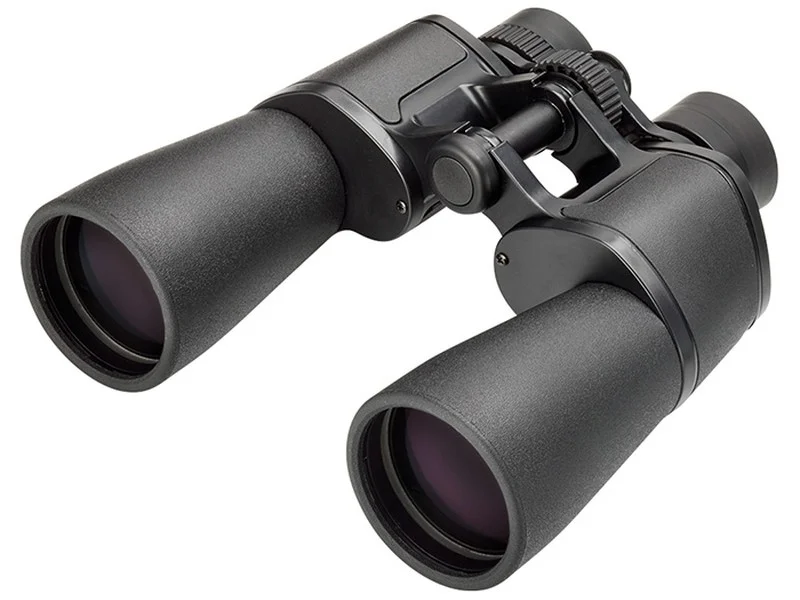
A 10×50 hangs round your neck all night and shows the Andromeda Galaxy, the Double Cluster and the star clouds of the Milky Way from any Bortle 2 or 3 site.
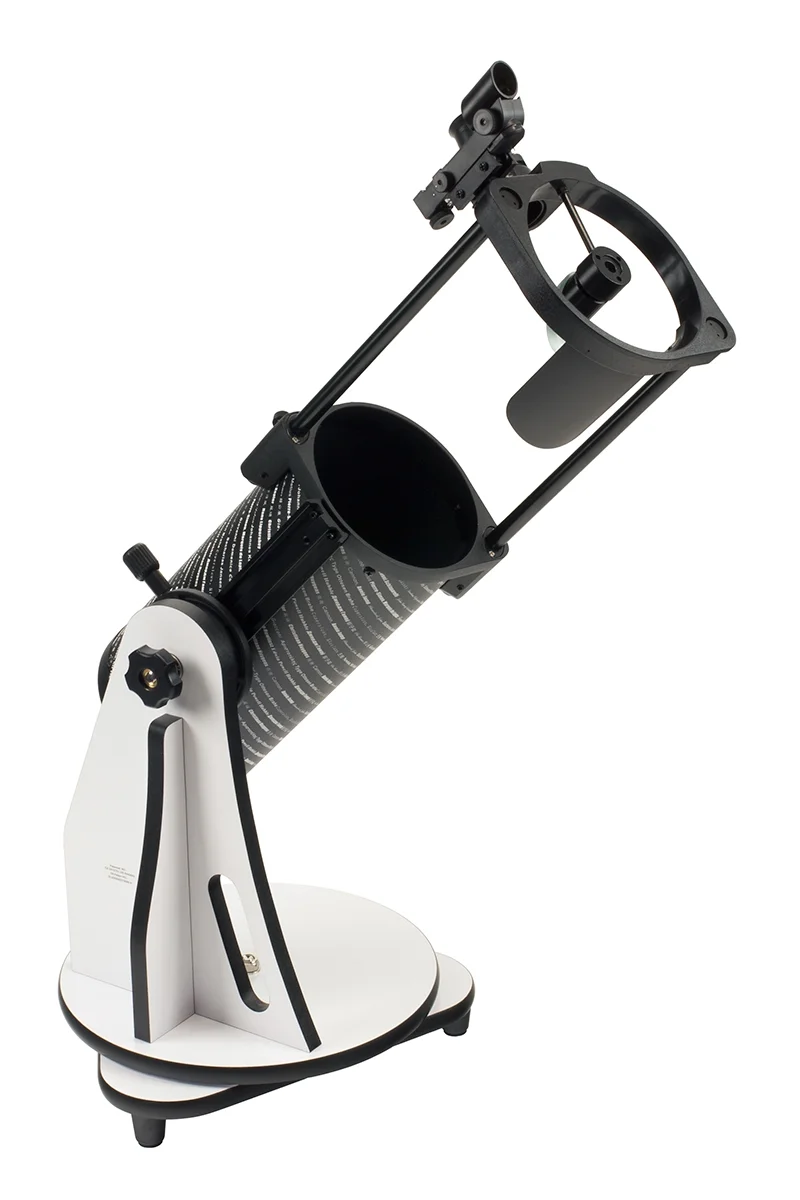
Collapses to fit a car boot or a rucksack. 130mm of aperture shows Saturn's rings, Jupiter's moons and dozens of deep-sky objects from a dark site.
Lepro Rechargeable Head Torch with Red Light (2 pack)
Two red modes on their own switch, USB rechargeable, hands free. White light is the one thing that gets you tutted at in a dark sky car park.
Browse all our equipment reviews
Honest, research-based recommendations for every budget.
Browse all →Affiliate links: you pay the same price, we earn a small commission that helps keep WatchTheStars free.
None of it is required. The sky is the upgrade, and the Milky Way needs no kit at all. If you buy one thing, make it the Opticron Adventurer 10x50 binoculars, around £84, which show more from a Bortle 3 site than a telescope shows from a town. If you want a telescope that travels, the Sky-Watcher Heritage 130P collapses to fit a car boot and is the one we recommend most often; our guide to the best beginner telescopes UK has the alternatives, and the best telescope for a child guide covers family trips.