When Is the Next Full Moon? Beaver Moon, Tuesday 24 November
The date, UK time and name of the next full Moon, when it rises where you live, and every full Moon to 2028. Updated every day.
The next full Moon is the Beaver Moon on Tuesday 24 November 2026 at 14:54 GMT. It is a supermoon, about 360,796 km away, so it looks a little larger and brighter than average. It rises at about 15:20 in London, 15:20 in Birmingham and 15:00 in Edinburgh that evening, and looks full the night before and the night after too. Tonight (6 November) the Moon is a waning crescent, 5% lit: see is it a full moon tonight for the live phase. This page is recalculated every day (last built 6 November 2026).
Beaver MoonSupermoon
Tuesday 24 November 2026 · full at 14:54 GMT · 360,796 km away
Moonrise is for the evening of Tuesday 24 November; the Moon sets the next morning at about 09:25 (Birmingham). Times are rounded to five minutes and your horizon moves them.
Next full moon dates: every full Moon to 2028
UK time throughout. Each month has its own page with moonrise times and the story behind the name, so click the name for detail. Full Moon nights are the best for the Moon and the worst for everything faint; plan meteor showers and Milky Way trips for the new Moon instead.
| Full Moon | Name | Moonrise (Birmingham) | Notes |
|---|---|---|---|
| Tuesday 24 November 2026, 14:54 GMT | Beaver Moon | about 15:20 | Supermoon (360,796 km) |
| Thursday 24 December 2026, 01:28 GMT | Cold Moon | about 16:10 | Supermoon (356,763 km) |
| Friday 22 January 2027, 12:17 GMT | Wolf Moon | about 16:35 | Supermoon (357,655 km) |
| Saturday 20 February 2027, 23:24 GMT | Snow Moon | about 17:05 | |
| Monday 22 March 2027, 10:44 GMT | Worm Moon | about 18:55 | |
| Tuesday 20 April 2027, 23:27 BST | Pink Moon | about 20:20 | |
| Thursday 20 May 2027, 11:59 BST | Flower Moon | about 21:55 | |
| Saturday 19 June 2027, 01:45 BST | Strawberry Moon | about 22:30 | |
| Sunday 18 July 2027, 16:45 BST | Buck Moon | about 21:30 | Micromoon, near apogee |
| Tuesday 17 August 2027, 08:29 BST | Sturgeon Moon | about 20:25 | Micromoon, near apogee |
| Thursday 16 September 2027, 00:04 BST | Harvest Moon | about 19:05 | |
| Friday 15 October 2027, 14:47 BST | Hunter's Moon | about 17:40 | |
| Sunday 14 November 2027, 03:26 GMT | Beaver Moon | about 15:50 | |
| Monday 13 December 2027, 16:09 GMT | Cold Moon | about 15:15 | |
| Wednesday 12 January 2028, 04:03 GMT | Wolf Moon | about 16:50 | Supermoon (360,277 km) |
| Thursday 10 February 2028, 15:04 GMT | Snow Moon | about 17:20 | Supermoon (356,723 km) |
| Saturday 11 March 2028, 01:06 GMT | Worm Moon | about 19:20 | Supermoon (358,090 km) |
| Sunday 9 April 2028, 11:27 BST | Pink Moon | about 20:40 | |
| Monday 8 May 2028, 20:49 BST | Flower Moon | about 21:05 | |
| Wednesday 7 June 2028, 07:09 BST | Strawberry Moon | about 22:15 | |
| Thursday 6 July 2028, 19:12 BST | Buck Moon | about 21:35 | |
| Saturday 5 August 2028, 09:11 BST | Sturgeon Moon | about 20:40 | |
| Monday 4 September 2028, 00:48 BST | Corn Moon | about 19:30 | Micromoon, near apogee |
| Tuesday 3 October 2028, 17:25 BST | Harvest Moon | about 18:00 | Micromoon, near apogee |
| Thursday 2 November 2028, 09:17 GMT | Hunter's Moon | about 16:05 | |
| Saturday 2 December 2028, 01:40 GMT | Cold Moon | about 15:55 |
The next new Moon is on Monday 9 November 2026 at 07:02 GMT. The week either side of it is the darkest part of the month and the time to visit a UK dark sky site.
Next supermoon, blue moon and blood moon
Supermoon: the Beaver Moon on 24 November 2026, about 360,796 km away. We call a full Moon a supermoon when it falls in the nearest tenth of the Moon's distance range, closer than about 361,500 km. It looks about 7% wider and 15% brighter than an average full Moon.
Blue moon: 31 December 2028, the second full Moon of that month. It will be the usual colour; the name only means "the extra one". By the older seasonal rule (the third full Moon in a season that has four) there is one on 20 May 2027.
Blood moon: a total lunar eclipse, when the full Moon passes through Earth's shadow and turns copper-red. The next lunar eclipse of any kind is a penumbral one on 20 February 2027 (greatest eclipse 23:12 GMT): High in the sky but only a penumbral eclipse: a faint shading on the Moon's upper edge, nothing like a blood moon. The next total eclipse, the proper blood moon, is on 31 December 2028 at 16:52 GMT: A blood moon on New Year's Eve. The Moon rises in the north-east between about 15:35 (Edinburgh) and 16:15 GMT (Plymouth), already partly eclipsed, and turns fully red from 16:17 to 17:29 GMT, low down as the sky darkens. The next total lunar eclipse visible from the UK. Eclipse dates were computed with Skyfield (JPL DE421).
| Date | Type | Greatest eclipse (UK time) | From the UK |
|---|---|---|---|
| 20 February 2027 | Penumbral | 23:12 GMT | High in the sky but only a penumbral eclipse: a faint shading on the Moon's upper edge, nothing like a blood moon. |
| 12 January 2028 | Partial | 04:13 GMT | Well placed: the Moon is high in the west in the early hours and a bite is taken out of its edge. |
| 31 December 2028 | Total | 16:52 GMT | A blood moon on New Year's Eve. The Moon rises in the north-east between about 15:35 (Edinburgh) and 16:15 GMT (Plymouth), already partly eclipsed, and turns fully red from 16:17 to 17:29 GMT, low down as the sky darkens. The next total lunar eclipse visible from the UK. |
| 26 June 2029 | Total | 04:22 BST | Marginal: totality happens as the Moon sets in the bright dawn twilight in the south-west. |
| 20 December 2029 | Total | 22:42 GMT | The best of the decade: a total eclipse high in the sky in the middle of the evening, visible from everywhere in the UK. |
Why does the full Moon rise at sunset?
A full Moon sits directly opposite the Sun, which is why we see its whole lit face. Opposite the Sun means it comes up in the east as the Sun goes down in the west, climbs highest around midnight and sets at dawn, so a full Moon is up all night and the night is never properly dark. That is also why the dates of the full moon names drift through the calendar: the Moon takes 29.5 days to go from one full phase to the next, so the full Moon arrives about a day later each month and occasionally twice in the same month.
The exact moment of full Moon (the time above) is when the Moon is most nearly opposite the Sun. It usually falls in daylight or while the Moon is below our horizon, which does not matter: to the eye the Moon is full for a night either side. Only during a lunar eclipse, when the line-up is exact, does anything visible happen at that instant.
How to watch a full moonrise
- Be in place ten minutes before the time above, facing east, with a low horizon. The Moon comes up fat and orange and seems huge beside buildings or trees; that is the Moon illusion, not optics, and it is the best photo of the month.
- Phone or camera: a moonrise over a landscape is the easiest astrophoto there is. Our guide to photographing the Moon has settings for a phone, a camera and a telescope.
- Binoculars show more than you expect: the dark seas, the bright rays around Tycho and the ragged line of craters is at its best the nights just before or after full, not at full itself.
- Check the sky first. Our stargazing tonight tool scores cloud for your postcode, and the UK night sky this week guide lists everything else that is up.
The Moon itself, what the dark patches are and how far away it is, is covered on our Moon page.
Kit for a full Moon night
Kit we've reviewed in full
A full Moon needs no equipment at all, but binoculars turn the bright disc into a landscape of dark seas and bright crater rays, and a moon filter stops a telescope view dazzling you. See our best binoculars for stargazing for more.
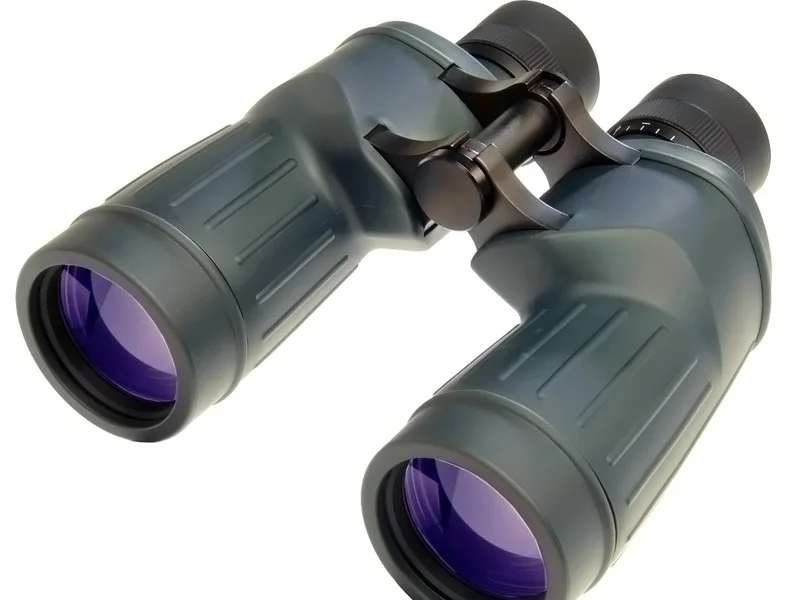
Sharp, high-contrast 10×50s that pick out the dark maria, the bright southern highlands and Tycho's ray system, the features that stand out best when the Moon is full.
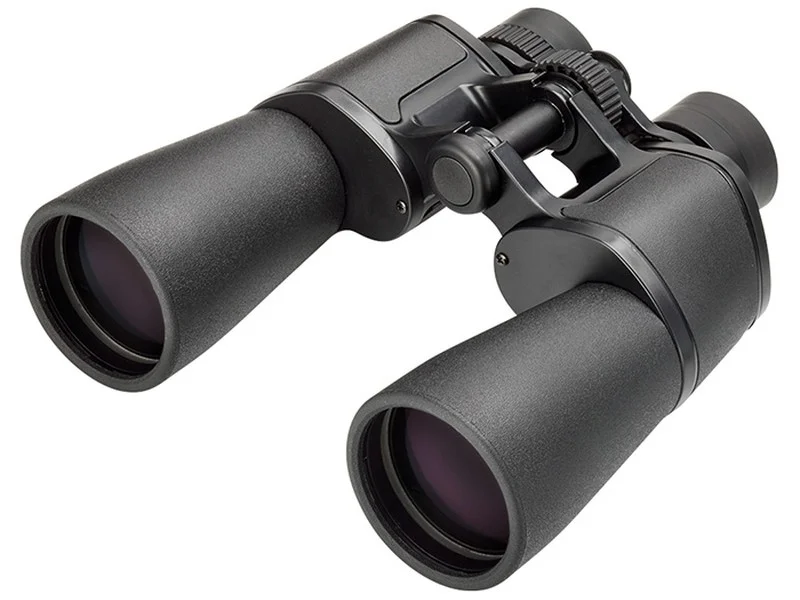
The pair we point most UK beginners to first, and light enough to hand-hold while you watch a golden moonrise.
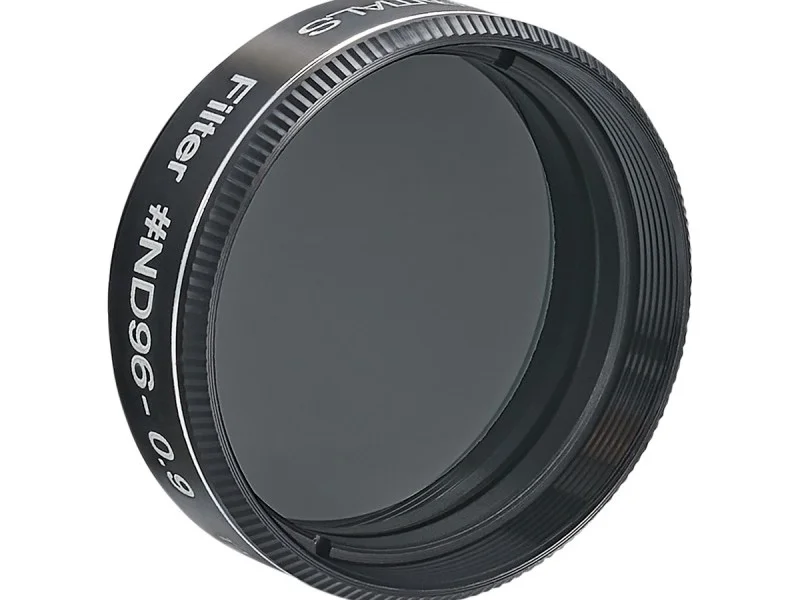
Astro Essentials ND96 Moon Filter
A full Moon in a telescope is dazzling. This screws onto any 1.25-inch eyepiece and cuts the glare so you can actually see the detail.
Affiliate links: you pay the same price, we earn a small commission that helps keep WatchTheStars free.