Is There a Meteor Shower Tonight? Friday 6 November
A straight UK answer, recalculated every day: which showers are active tonight, how many meteors to expect, when to look and where.
Not really.
Not really: the Orionids are active tonight, Friday 6 November, but the peak was 16 nights ago. From a dark site expect the odd one, best from about 22:25 to 05:55 GMT. The Moon is 5% lit and will not get in the way.
Computed for central England (Birmingham) at build time, Friday 6 November 2026; the night runs from sunset at 16:30 to sunrise at 07:15 GMT. Check cloud for your postcode with the stargazing tonight tool.
Meteor showers active tonight
| Shower | Peak night | Status | Radiant tonight | Best window | Expect (dark site) |
|---|---|---|---|---|---|
| Orionids ZHR 20, Halley's Comet |
21–22 October | Fading (16 nights past peak) | highest about 03:25, 54° up in the south | 22:25 to 05:55 | the odd one |
| Southern Taurids ZHR 5, Comet 2P/Encke |
4–5 November | Fading (2 nights past peak) | highest about 00:25, 53° up in the south | 19:25 to 05:55 | the odd one |
| Leonids ZHR 15, Comet 55P/Tempel-Tuttle |
17–18 November | Building (11 nights to peak) | highest about 05:45, 56° up in the south-east | 01:45 to 05:55 | the odd one |
| Northern Taurids ZHR 5, Comet 2P/Encke |
12–13 November | Building (6 nights to peak) | highest about 00:45, 59° up in the south | 19:25 to 05:55 | the odd one |
"Expect" is for a dark rural sky with tonight's Moon; a suburban garden sees about half, a city centre a handful an hour at best. The Moon is 5% lit and will not get in the way.
Next meteor shower peaks
| Shower | Peak night | In | Max rate (ZHR) |
|---|---|---|---|
| Northern Taurids | Thursday 12 November 2026 | 6 nights | 5 |
| Leonids | Tuesday 17 November 2026 | 11 nights | 15 |
| Geminids | Sunday 13 December 2026 | 37 nights | 150 |
| Ursids | Tuesday 22 December 2026 | 46 nights | 10 |
The full calendar, with every peak date for 2026 and 2027 and the Moon for each, is on our next meteor shower in the UK page. The two big ones are the Geminids in December and the Perseids in August.
How this page decides whether tonight is worth it
Every day the site rebuilds and works out, for central England, when the sky is fully dark (Sun 12° below the horizon), what the Moon is doing through those hours, and for each active shower how high its radiant gets and when. The expected rate scales the shower's maximum ZHR by how close tonight is to the peak, by the radiant's height (a radiant 30° up shows half the meteors of one overhead) and by the Moon, then cuts it to the 40% or so that a real dark UK site delivers. The radiant positions are the published peak positions; they drift a degree or so a day, which does not change the direction we give you.
What it cannot know is your cloud, which is why the verdict always points you at the stargazing tonight score for your postcode, and the UK dark sky sites map if you are prepared to drive to a better sky.
What time to watch tonight
The best window in the table starts when the shower's radiant is at least 20° up and the sky is fully dark, and ends at the start of dawn. For almost every shower that means after midnight: before midnight you are on the trailing side of Earth and meteors have to catch us up; after midnight you face into the stream. The Geminids are the exception, with a radiant high enough by 10pm to give families a show before bed. Dress for two seasons colder than the forecast, give your eyes 20 minutes without a phone screen, and stay out for a full hour, because meteors come in bursts and lulls.
Where to look
Face the direction the table gives for the radiant, but look 30 to 60° away from it, towards the darkest part of your sky: meteors there are longer and more dramatic than the short ones near the radiant. Lie back so you can see as much sky as possible. If a bright Moon is up, put it behind you or behind a building. Nothing else: no telescope, no binoculars for the meteors themselves (they narrow your view and you will miss every one), though a pair is lovely for the quiet spells. The UK night sky this week guide lists the planets and clusters to look at while you wait, and if a bright steady light crosses the sky it was probably the ISS.
The night-out kit for a meteor watch
Cheap things that keep you outside for the hour it takes
Meteors need no optics. What ends most meteor watches early is cold and a stiff neck, so the kit that matters is the kit that keeps you lying back and warm. A red head torch keeps your night vision, and binoculars fill the quiet spells. See our best binoculars for stargazing for the rest.
Straame Zero Gravity Garden Recliners (set of 2)
A reclining chair is the single biggest upgrade to a meteor watch. These lock almost flat, fold away, and come as a pair for company.
Lepro Rechargeable Head Torch with Red Light (2 pack)
Red light on its own switch, hands free. Twenty minutes of dark adaptation is the difference between seeing five meteors and fifty.
HotHands Hand Warmers (40 pairs)
A pocketful of warmth for ten hours each. The cold ends more meteor watches than the cloud does.
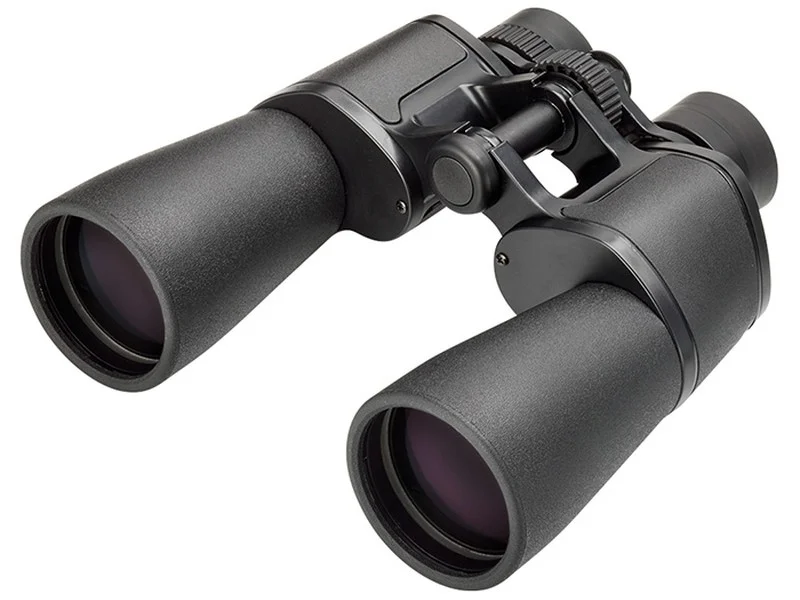
Light enough to hand-hold and wide enough to sweep the Milky Way and the clusters near the radiant between meteors.
Every UK meteor shower, 2026 and 2027
Honest, research-based recommendations for every budget.
Browse all →Affiliate links: you pay the same price, we earn a small commission that helps keep WatchTheStars free.