Ursid Meteor Shower 2026 UK
The last meteor shower of the year, peaking on 22–23 December in Christmas week. About 10 an hour from a radiant that never sets, but a 98 per cent Moon makes 2026 a year for the brightest ones only.
The Ursid meteor shower peaks on the night of Tuesday 22 to Wednesday 23 December 2026, with a rate of about 10 meteors an hour from a radiant in Ursa Minor that is above the UK horizon all night. In 2026 the Moon is 98 per cent lit and never sets, so expect only the brightest Ursids. The best window is 02:00 to 06:00 GMT with the Moon behind you, and the Geminids meteor shower a week earlier is the better December bet.
Ursids 2026 at a glance
| Peak night | Tuesday 22 – Wednesday 23 December 2026 |
| Best time (UK) | 02:00 to 06:00 GMT, Moon behind you |
| Active | 17 to 26 December |
| Max rate (ZHR) | About 10 per hour (expect 2–5 in 2026 because of the Moon) |
| Moon | 98% lit, up all night; full Moon is 24 December. Poor |
| Radiant | Near Kochab in Ursa Minor, 39 to 63 degrees up in the north to north-east all night |
| Parent body | Comet 8P/Tuttle |
| Speed | 33 km/s (medium, short streaks) |
When is the Ursid meteor shower in 2026?
The Ursid meteor shower peaks on the night of Tuesday 22 to Wednesday 23 December 2026. The Ursids are active from 17 to 26 December, but the peak is narrow and the night of the 22nd–23rd is the one that counts. It is the last meteor shower of the year, arriving in Christmas week just after the winter solstice and a little over a week after the Geminids.
2026 is a poor Ursid year, and we would rather say so than have you stand in a frozen field for nothing. Full Moon falls on 24 December, so on the peak night the Moon is 98 per cent lit, rises at 13:52 and does not set until 08:07. It is up all night, and moonlight that bright hides all but the brightest meteors. The is it a full moon tonight page shows how it changes night by night.
What time is best to watch the Ursids in the UK?
The best time to watch the Ursids from the UK on 22–23 December 2026 is 02:00 to 06:00 GMT, when the radiant is highest and it is easiest to keep the Moon behind you. Sunset in Birmingham is at 15:55, the sky is fully dark from 18:03 to 06:09, and sunrise is at 08:16.
The radiant never gets low. From Birmingham it is 41 degrees up in the north at 18:00, 39 degrees in the north at 22:00, 43 degrees in the north-north-east at midnight, 49 degrees in the north-north-east at 02:00, 56 degrees in the north-east at 04:00 and 63 degrees in the north-east at 06:00. Rates rise with the radiant, so the last two hours before dawn are the best of all. The rest of the country sees much the same: at 01:00 the radiant is 43 degrees up from Plymouth and 48 degrees from Edinburgh.
An evening session from 18:00 to 22:00 is not pointless. The radiant is still around 40 degrees up, and for a family in Christmas week an hour after tea beats a 03:00 alarm. Just expect two or three bright meteors. Check cloud cover on our stargazing tonight page before you go out.
Where to look for Ursid meteors
Ursid meteors trace back to a radiant near Kochab, the brighter of the two stars at the end of the Little Dipper's bowl, a few degrees from Polaris. Because the radiant is close to the north celestial pole it is circumpolar from the UK: it never sets, so the Ursids can be watched at any hour. To find it, follow the two pointer stars of the Plough up to Polaris, then follow the faint handle of the Little Dipper to the orange-tinted Kochab at the far end.
You do not need to stare at Kochab. Face north or north-east, put the Moon behind you, and take in as wide a patch of sky as you can. Meteors 30 to 60 degrees from the radiant make the longest streaks. The darkest part of your sky is the part furthest from the Moon, so a garden with a house or hedge blocking the moonlight beats an open field this year.
How many Ursid meteors will I actually see?
A realistic expectation for the Ursids in 2026 is 2 to 5 meteors an hour from a dark site in the small hours, and one or two an hour from a town garden. The zenithal hourly rate (ZHR) of about 10 assumes a perfect dark sky, and a 98 per cent Moon takes most of that away. In a moonless year the same site would give you 5 to 10 an hour.
Ursids hit the atmosphere at 33 km/s, a medium speed that produces short, moderately bright streaks without the long trains of the Leonids or the slow orange fireballs of the Taurids. The shower is also known for occasional outbursts. In 1945, 1986 and 2014 observers recorded far more than the usual ten an hour when Earth crossed older, denser trails of dust from the parent comet. No outburst is forecast for 2026, but the Ursids have surprised people before, which is a reason to glance north if you are out anyway.
Geminids or Ursids: which should I watch in December 2026?
Watch the Geminids. The Geminid meteor shower peaks on 13–14 December 2026 with a thin crescent Moon that sets early and a rate ten times higher than the Ursids. If you can only manage one cold night in December, that is the one. The Ursids are the encore: worth a look if you are already outside on a clear Christmas-week night, but not worth driving to a UK dark sky site for.
Three weeks after the Ursids, the Quadrantids open 2027 with a sharp six-hour peak on 3–4 January. Our next full moon page and the astronomy events calendar let you line up the showers against the Moon for the whole winter.
What causes the Ursid meteor shower?
The Ursid meteor shower is caused by Earth passing through the dust trail of Comet 8P/Tuttle, a comet that returns to the inner Solar System every 13.6 years. Each pass leaves a fresh ribbon of grit along its orbit, and every December Earth cuts through the band where those ribbons have piled up. The shower was only recognised in the early 20th century.
The outburst years are the interesting part. Dust Tuttle shed centuries ago has drifted into separate trails, and when Earth crosses one the rate can jump from ten an hour to many times that for a few hours. Those crossings can be forecast, which is how the 2014 outburst was anticipated. Our next meteor shower in the UK calendar lists every stream we follow and which years look promising.
How to watch the Ursids: the honest version
Leave the telescope indoors. Meteors cross tens of degrees of sky in a second, and any optical aid narrows your view and guarantees you miss them. In a bright-Moon year, these are the things that matter:
- Keep the Moon behind you. Find a spot where a wall, hedge or the house blocks it from view.
- Pick the small hours if you can. 02:00 to 06:00 GMT gives you the highest radiant. Set an alarm, lay the clothes out, and give it an hour.
- Dress for the coldest week of the year. Hat, gloves, two pairs of socks, a blanket over a recliner, and a flask. Our stargazing tips page has more on staying warm.
- Give your eyes 20 minutes. Even with the Moon up, dark adaptation lets you see fainter meteors. No phone screens.
- Set your expectations low and your patience high. Two or three bright Ursids in an hour is a good result in 2026.
While you wait, the rest of the December sky is worth the cold: Orion stands high in the south around midnight, with the Pleiades above it. See our UK night sky this week page for what else is up in Christmas week.
What to take out on Ursid night
Kit we've reviewed in full
The Ursids fall in the coldest week of the year and ask you to lie still for an hour facing north. Warmth is the kit that matters. Add a red torch and a small pair of binoculars for the Moon and the winter clusters while you wait, and see our best binoculars for stargazing guide if you need a pair.
HotHands Hand Warmers (40 pairs)
Cold fingers end more December meteor watches than cloud does. A pair of these in your gloves and one in each boot buys you the extra half hour the Ursids need.
Lepro Rechargeable Head Torch with Red Light (2 pack)
With a bright Moon up you still want dark-adapted eyes for the fainter Ursids. A red head torch keeps your hands free for the flask without resetting them.
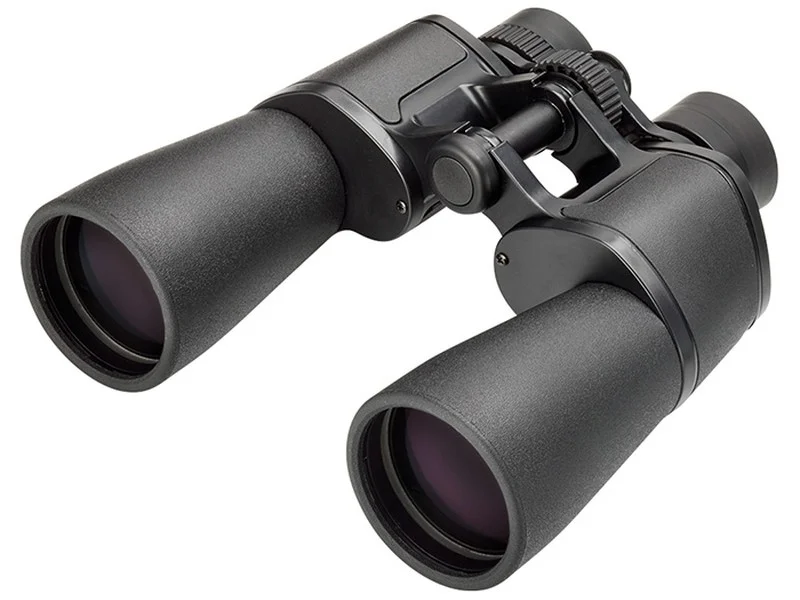
A 98 per cent Moon is a fine binocular target in its own right, and the Pleiades, the Double Cluster and the Orion Nebula are all up on the other side of the sky. The pair we recommend to most UK beginners.
Browse all our equipment reviews
Honest, research-based recommendations for every budget.
Browse all →Affiliate links: you pay the same price, we earn a small commission that helps keep WatchTheStars free.
When are the Ursids in 2027?
The Ursid meteor shower peaks on the night of 22–23 December 2027, and it is a much better year. The Moon is a 23 per cent crescent that sets at 12:11 GMT on the 22nd and does not rise until 03:55 on the 23rd, so the sky is dark from dusk until the early hours. The best window in 2027 is 18:00 to 03:30 GMT. If 2026 puts you off, put the 2027 date in the diary now.