Key takeaways
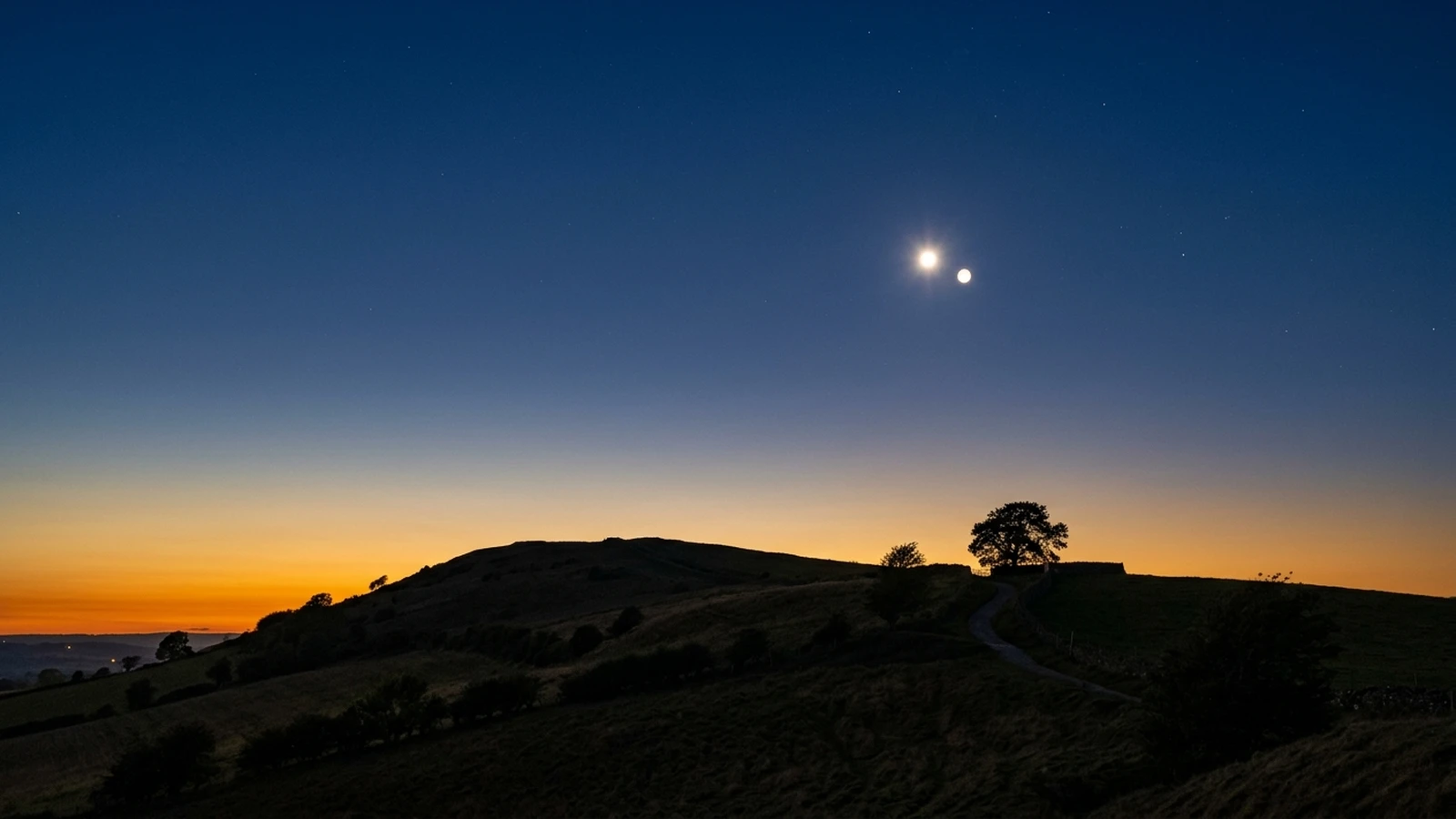
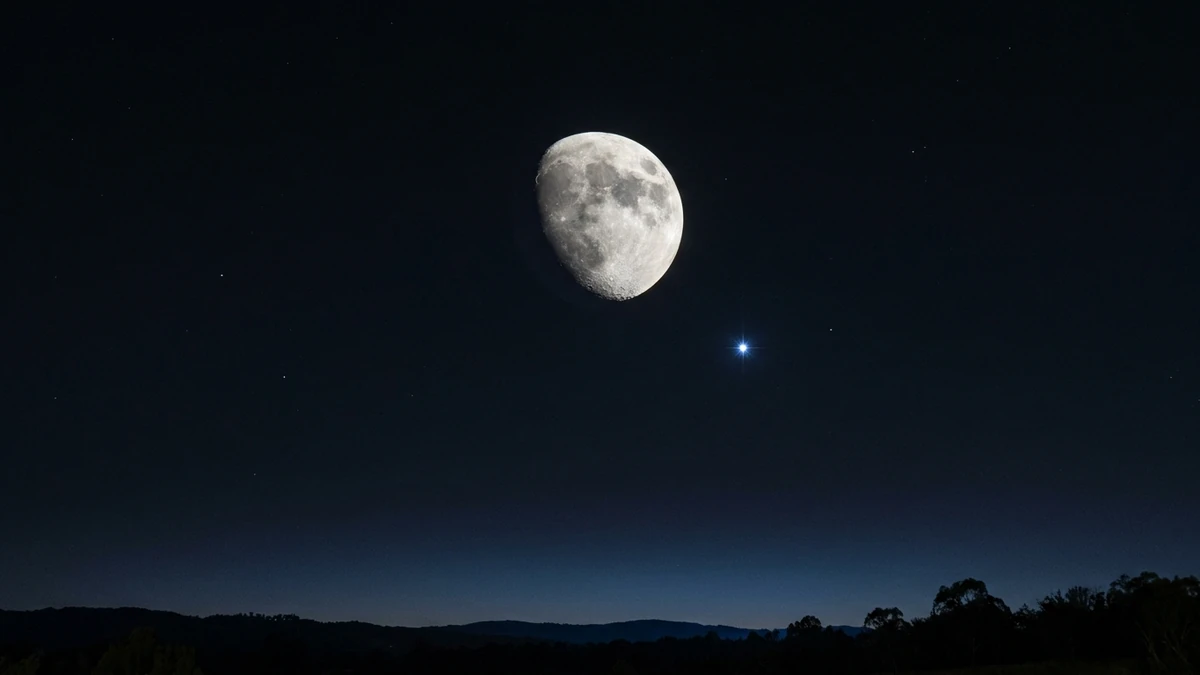
- On the evening of Tuesday 23 June 2026 the waxing gibbous Moon sat right next to Spica, the brightest star in Virgo
- The pair sat in the south as the sky darkened, from around 9.30pm to 10pm BST: the Moon was the obvious landmark, with Spica to its lower right
- No equipment was needed: both were easily visible to the naked eye, even from a town garden
- The bright 'star' beside the Moon was Spica (magnitude 0.9), a blue-white pair of stars 250 light-years away
- The Moon brushed past Spica on the 22nd and pulled away again on the 24th, so cloud on one night would not have been fatal
Jump to section 5 sections
The Moon and Spica Conjunction on 23 June 2026
A glance south after dark on Tuesday 23 June would have shown a bright "star" sitting just below and to the right of the Moon. That was Spica, the brightest star in the constellation Virgo, and that night the waxing gibbous Moon parked right next to it.
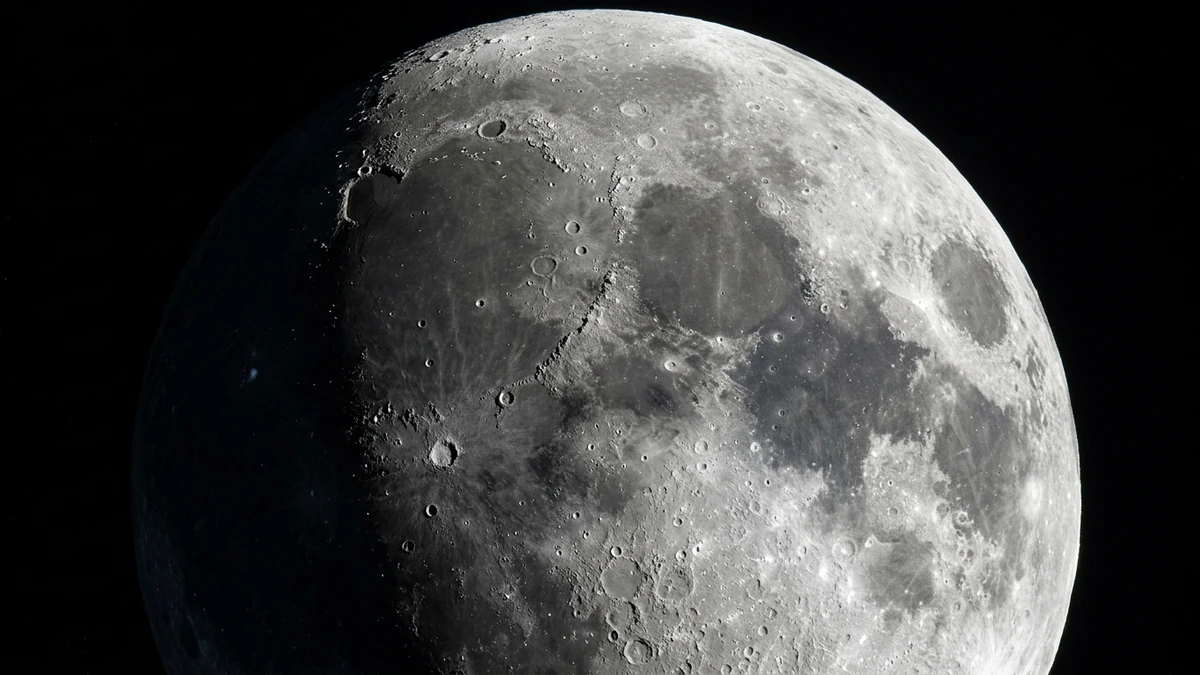
It was a quiet little pairing rather than a headline event, but that was part of the charm. There was no equipment to set up and no narrow window to catch. The Moon was about 68% lit, easily the brightest thing in the evening sky, and Spica was bright enough to shrug off both the Moon's glare and the lingering June twilight. Finding the Moon, then looking to its lower right, led to the brightest point of light nearby: Spica.
The two only look like neighbours. The Moon is about 400,000 km away; Spica's light has been travelling for roughly 250 years to reach the same patch of sky. It's a line-of-sight coincidence, but a pretty one, and exactly the sort of thing that gets people looking up on a walk home.
Where and When the Pair Sat in the UK Sky
The pair lay to the south as the sky darkened. The Moon was the obvious landmark, fairly high up, with Spica close by to its lower right. You didn't need to know the constellations. The Moon pointed the way.
Timing was relaxed. Sunset on 23 June was around 9.20pm BST in London and closer to 10pm in northern Scotland, and at that time of year the sky stays stubbornly bright for a while after. Spica really came into its own from about 9.30pm to 10pm, once the deep blue of twilight had faded enough for the star to sharpen up. The Moon stayed out for hours after that, so there was no rush.
This was one of the easiest sights in all of stargazing. No telescope, no star chart, no dark-sky site: a back garden or a city pavement would do. Binoculars were a nice extra: they bring out Spica's cool blue-white colour and turn the Moon's terminator into a row of crisp little craters. But the main event was pure naked-eye.
If the great British weather got in the way, there was no need to worry. The Moon brushed past Spica on the evening of the 22nd and had drifted clear to the east by the 24th, so the nights on either side still showed the two reasonably close together.
Binoculars for the Moon and Spica
Kit we've reviewed in full
The Moon and Spica were an easy naked-eye pair, but binoculars are what turn it into a proper session: Spica's blue-white colour pops, and the craters along the Moon's terminator line snap into focus. These are the three we'd reach for.
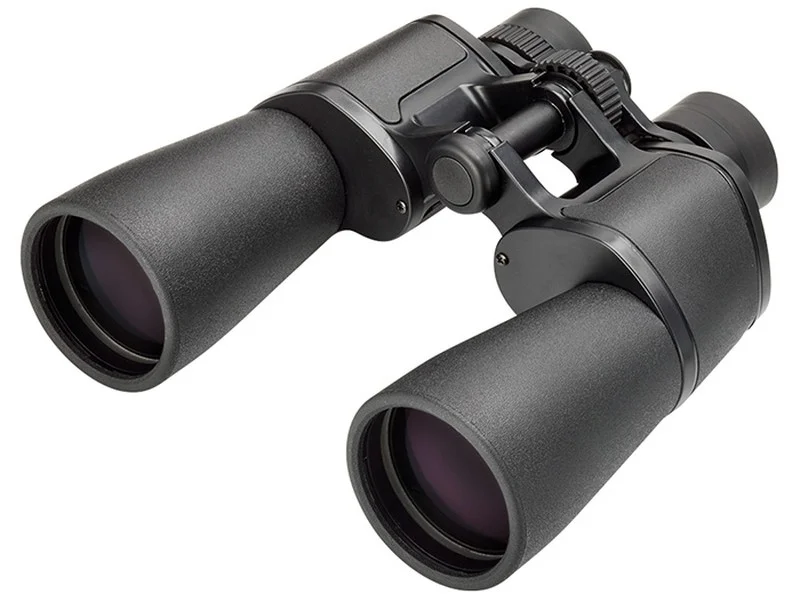
A wide field and 50mm lenses gather plenty of light, so Spica's cool blue-white tint is obvious and the Moon's terminator craters are sharp. Light enough to hand-hold, and the most-recommended starter binocular in UK astronomy communities.
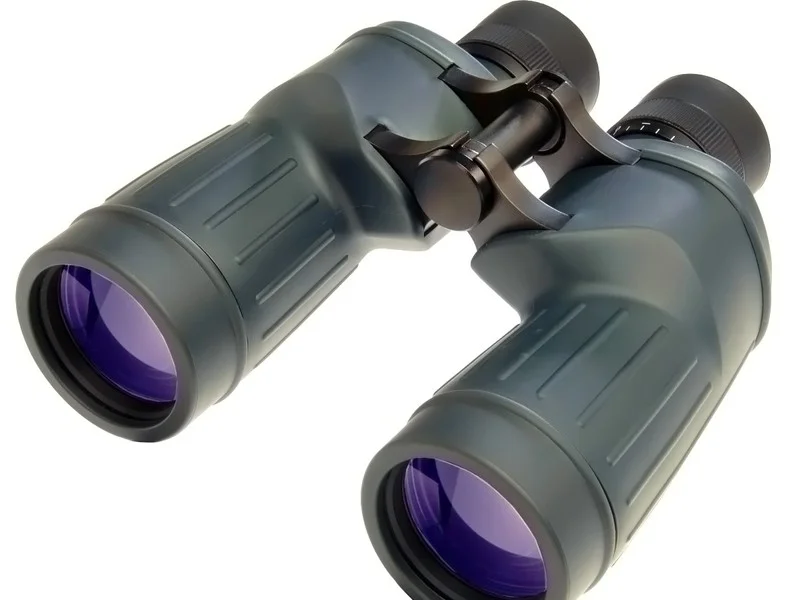
A step up in contrast and edge sharpness: the difference shows on the Moon's craters and on holding Spica as a clean blue point rather than a blur. The pick if you want one pair of astronomy binoculars to last years.
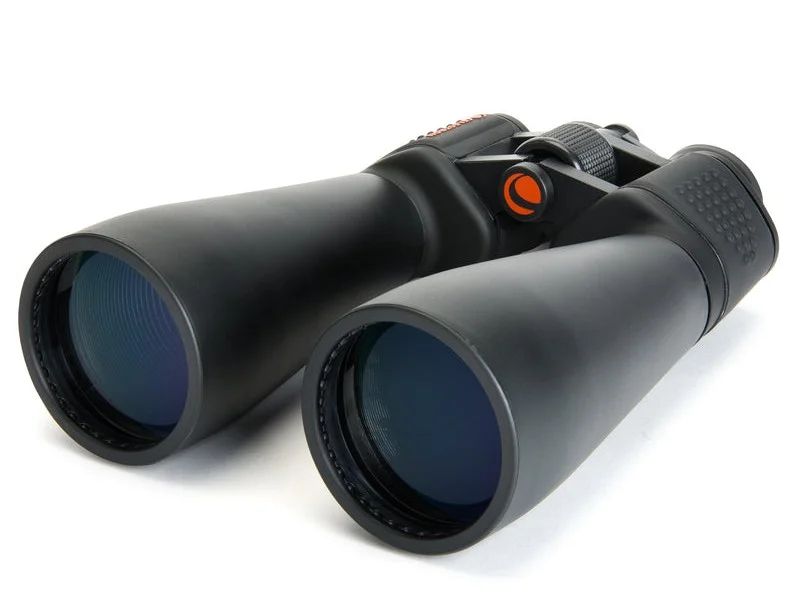
15× magnification pulls the gibbous Moon close enough to trace craters all along the terminator, and the big 70mm lenses make Spica blaze. You'll want a tripod at this power.
Affiliate links: you pay the same price, we earn a small commission that helps keep WatchTheStars free.
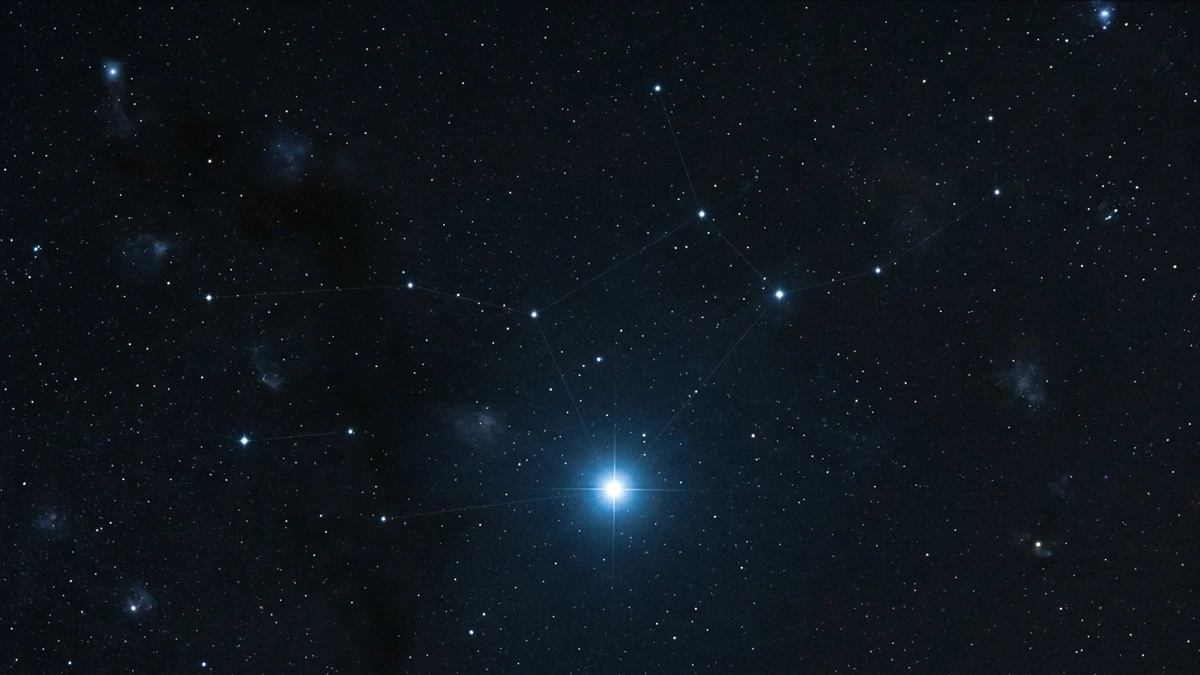
What Is Spica, the Star Beside the Moon?
Spica, formally Alpha Virginis, is the brightest star in Virgo and the 16th brightest in the entire night sky. At magnitude 0.9 it's a genuine first-magnitude star, and its blue-white colour is a giveaway: that hue means it's far hotter than our yellow Sun.
It's also not really one star. Spica is a close binary, two hot blue stars whipping around each other every four days, so tightly bound that no telescope can split them into two. The larger of the pair is around ten times the mass of the Sun; together they pour out thousands of times more light. That's how a star 250 light-years away can sit beside the Moon and still hold your eye.
Spica has guided people for a very long time. It's one of the 58 navigational stars sailors used to fix their position at sea, and there's a neat trick for finding it any clear spring or summer night: "arc to Arcturus, then speed on to Spica." Follow the curve of the Big Dipper's handle to the orange star Arcturus, then carry that arc onwards and it lands you on Spica. On 23 June, the Moon did the pointing for you.
How to Tell Spica From a Planet
People often ask whether a bright point next to the Moon is a star or a planet. That night it was a star, and there was an easy way to confirm it: Spica twinkles. Stars are so far away that they're effectively pinpoints, so our shifting atmosphere makes them flicker and even flash faint colours. Planets show as tiny discs and shine with a steadier, calmer light.
The colour helped too. Spica's cool blue-white is unmistakable once you notice it, quite different from the creamy white of Venus or the warm tints of Mars and Jupiter. And the bright evening planets (Venus, Jupiter and Mercury) had been hugging the western horizon after sunset that month, while Spica and the Moon sat over in the south. If it was in the south, twinkling, with a blue-white tinge, it was Spica.
After 23 June: What Was Next in the Sky
The Moon didn't stop there. Over the following evenings it climbed higher and tracked eastward night by night, pulling away from Spica and fattening towards full. By the 24th the gap had opened up noticeably; within a week the Moon had moved on through the summer constellations entirely.
Spica, meanwhile, stays put as a fixture of the late spring and summer sky, sinking a little lower in the west as the weeks pass. The Moon was due to swing back past it again the following month, as it makes this pass roughly every four weeks, so if the 23rd had clouded over, there was another go to come.
For everything else worth looking up for in June, including the bright planet line-up low in the west after sunset, see our complete UK June night sky guide.
Sources:
- Astronomical events June 2026 · Star Walk
- Waxing gibbous Moon passes Spica, 22–24 June 2026 · When the Curves Line Up
- Spica (Alpha Virginis): star facts · Star Facts
- Spica, the bright beacon of Virgo, is 2 stars · EarthSky
Frequently Asked Questions
Equipment guides
Related topics
Ian ClaytonAmateur astronomer and founder of WatchTheStars.co.uk, dedicated to helping others explore the wonders of our universe. Full profile →