Key takeaways
- On Wednesday 17 June the crescent Moon passes just 16 arcminutes from Venus: about half the Moon's own width
- From the UK, look west-northwest from around 9.45pm BST on 16 and 17 June; Jupiter and Mercury complete a 17-degree line-up
- A flat, unobstructed west-northwest horizon is essential: from Britain, Mercury never climbs more than a few degrees above it
- Observers across North and South America will watch the Moon completely hide Venus in a rare daytime occultation
- Binoculars add two bonuses: ghostly earthshine on the Moon's dark side and the Beehive star cluster right next door
Jump to section 6 sections
The Moon and Venus Conjunction on 17 June 2026
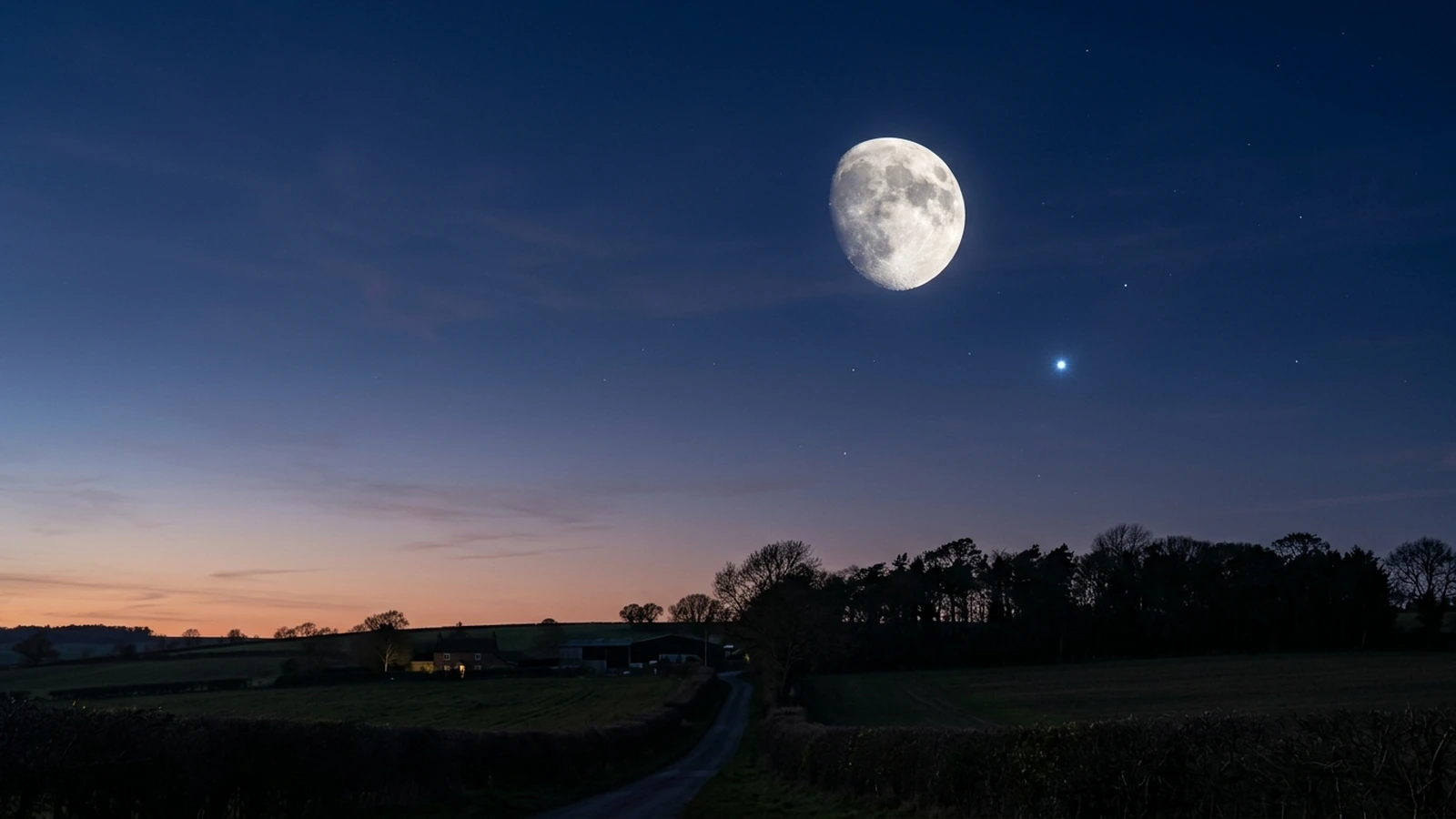
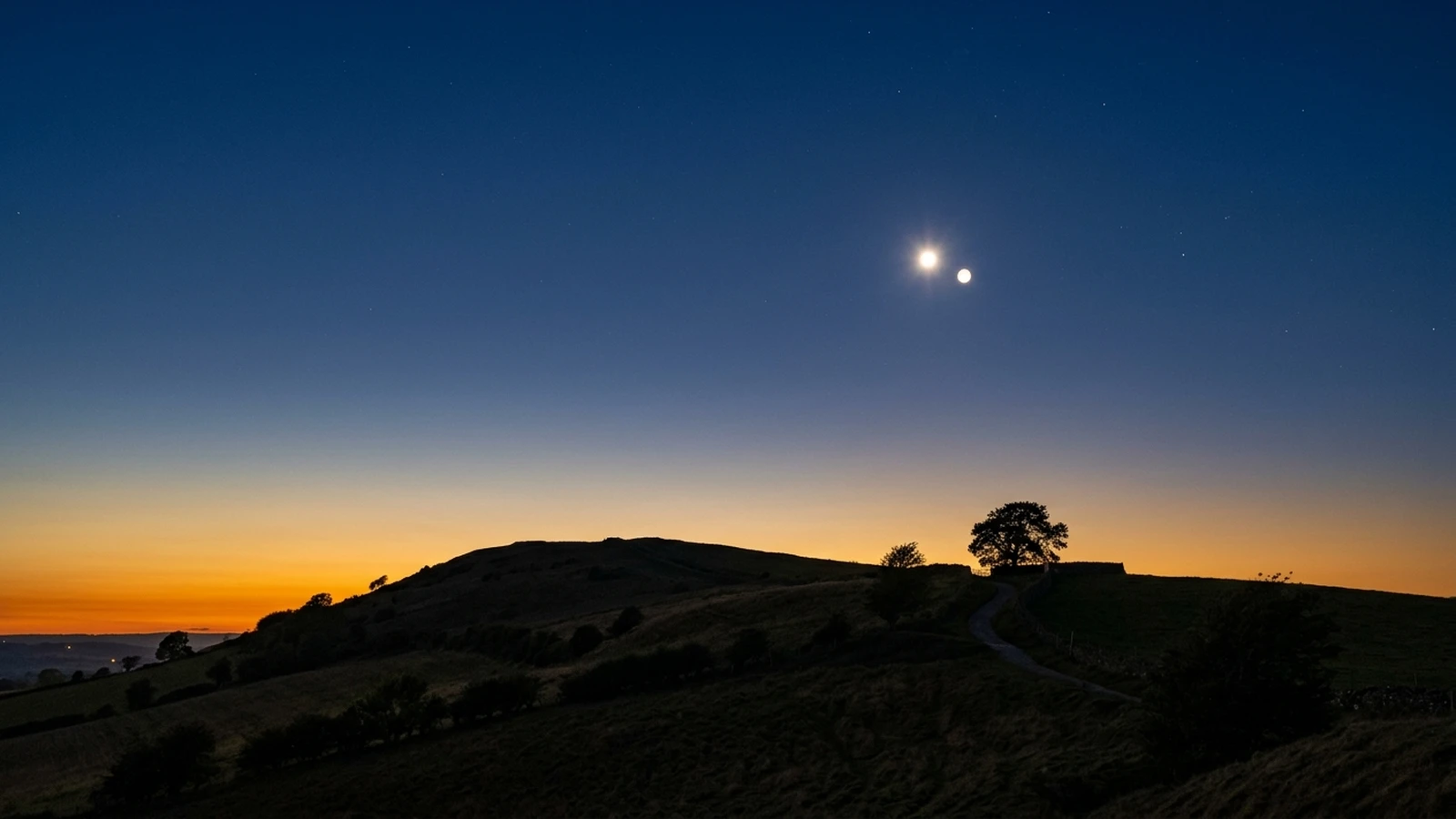
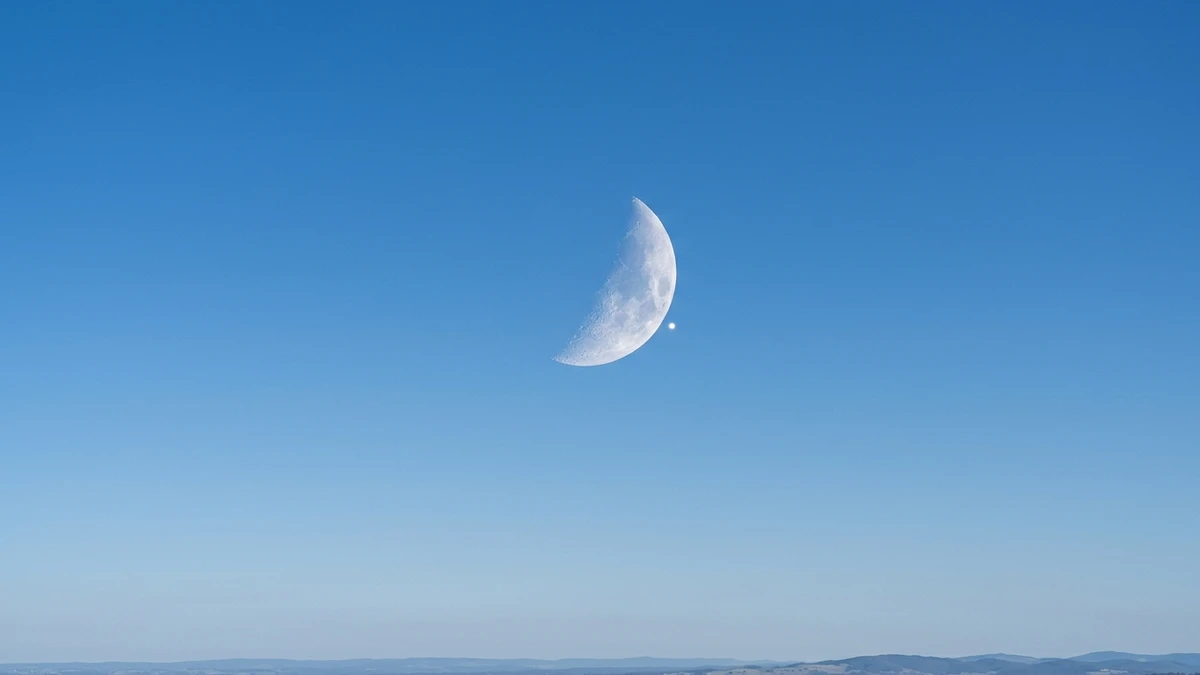
On Wednesday 17 June 2026, the crescent Moon and Venus meet in one of the closest pairings of the year. Look west-northwest after sunset and you'll find a thin, two-day-old crescent sitting almost on top of the brightest planet in the sky, with Jupiter and Mercury trailing below. So if you spot a brilliant "star" right next to the Moon on Wednesday evening, that's Venus.
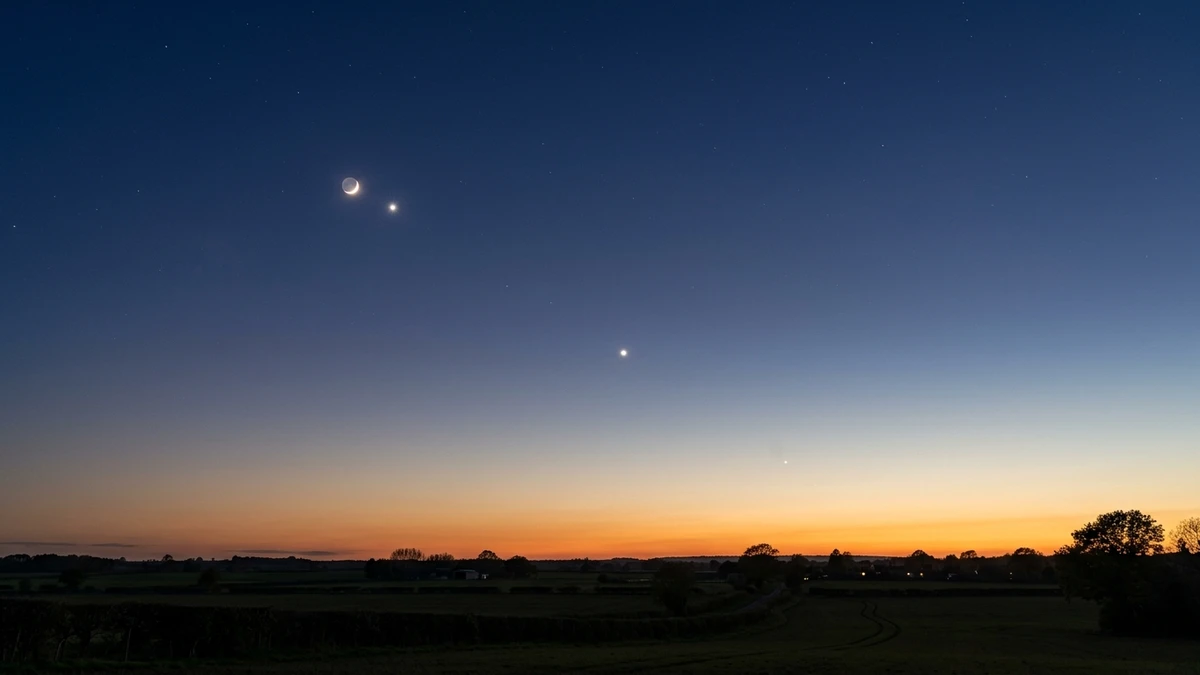
This is the kind of event that stops people on the walk home. Venus shines at magnitude −4.0, brighter than anything else in the night sky, and a slim crescent beside it is about as pretty as naked-eye astronomy gets. With Jupiter and Mercury lower down, four solar system worlds sit along a single 17-degree line in the twilight.
It all happens in the constellation Cancer, and the timing suits the UK nicely. The moment of closest approach falls at 9.30pm BST, almost exactly as the Sun sets.
How Close Will the Moon Get to Venus?
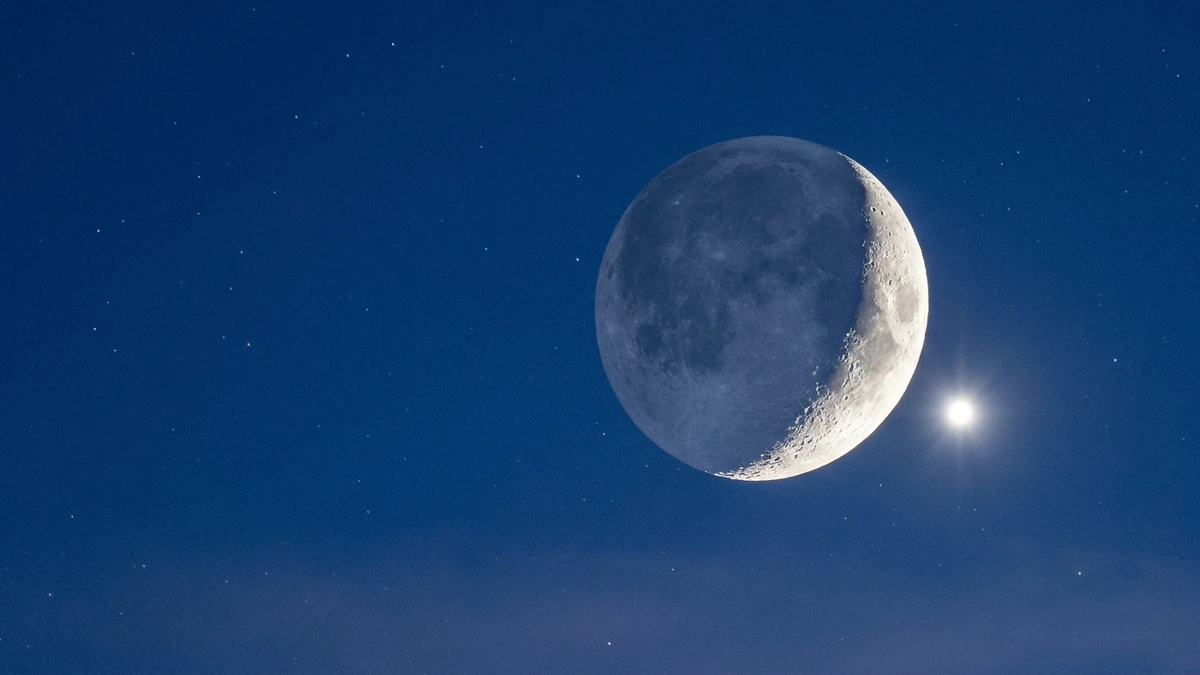
Very close indeed. At their nearest, the pair are 16.2 arcminutes apart. That's about half the width of the Moon itself: hold a pencil at arm's length and the tip would cover both at once.
For comparison, the 8 June Venus–Jupiter conjunction brought those two planets within 1.8 degrees of each other. The Moon will get more than six times closer to Venus than that. Pairings this tight are rare from any given spot on Earth, because the Moon is close enough to us that its apparent position shifts by up to two degrees depending on where you're standing.
That same quirk of parallax means that from the other side of the Atlantic this isn't a near miss at all. Over there, the Moon slides directly in front of Venus. More on that below.
What Time and Where to Look From the UK
First, the non-negotiable: a flat, unobstructed west-northwest horizon. A hilltop, a west-facing coastline or a wide open field is ideal. The whole gathering sits low from British latitudes, and a single rooftop or tree line in the wrong place will hide half of it. Mercury especially: from the UK it never climbs more than about five or six degrees above the horizon as the sky darkens (roughly three fingers held at arm's length) and it sets little more than an hour after the Sun. June's shallow evening ecliptic keeps the innermost planet pinned to the horizon from Britain, which is why so few people have ever knowingly seen it.
Sunset in London on 17 June is around 9.20pm BST, closer to 9.45pm in Scotland. Start looking from about 9.45pm, once the sky has dimmed enough for Venus to punch through the twilight. The Moon will be hanging right beside it. Depending on where you are and when you look, the gap will be around half a degree, close enough that the pair seem to touch.
As the twilight deepens towards 10.15pm, look below and to the right of Venus for Jupiter, the second-brightest point in the sky, roughly eight degrees away. Mercury sits another six degrees below Jupiter, hugging the horizon. It sets quickly, so catch it early. By 10.45pm the whole group is sinking fast, and Mercury will already be gone.
Wednesday isn't the only evening worth blocking out. On Tuesday 16 June an even thinner, day-old crescent hangs lower in the gathering, closer to Jupiter and Mercury, a lovely preview, and a handy insurance policy against Wednesday cloud. The 16th and 17th together are the best two evenings of the month for this stretch of sky.
You don't need any equipment for the main event; the Moon and Venus are an easy naked-eye sight. Binoculars do make it better, though, picking up the ghostly earthshine glow on the Moon's dark side and fitting Venus and the crescent into the same field of view. For the rest of what June's evenings have to offer, see our complete UK June night sky guide.
The Daytime Lunar Occultation of Venus: Who Can See It?
While the UK gets the close pass, observers across North America, Central America, the Caribbean and northern South America get something rarer still: a lunar occultation of Venus, in broad daylight. The UK is outside the occultation track, so from Britain the Moon brushes past Venus rather than covering it.
Between roughly 7.30pm and 11.45pm UK time, the Moon's unlit edge will sweep over Venus and hide it completely for over an hour, before the planet pops back into view from behind the sunlit crescent. From Chicago, Venus vanishes at 2.24pm local time and reappears at 3.50pm; from Los Angeles it's 11.40am to 12.44pm. Experienced observers will track the event with binoculars or small telescopes, taking great care, since sweeping optics anywhere near the daytime Sun risks permanent eye damage.
Daylight occultations of Venus are a treat because Venus is one of the very few celestial objects bright enough to see against a blue sky, especially with the crescent Moon as a signpost. If you have friends or family across the pond, tell them to look up, and if you're reading this from the western hemisphere, find your local disappearance time and don't miss it.
A Bonus for Binoculars: The Beehive Cluster
There's a hidden third player in Wednesday's gathering. The Moon and Venus meet right beside the Beehive Cluster (M44): one of the nearest open star clusters to Earth, a swarm of several hundred stars 600 light-years away in the heart of Cancer.
In the bright June twilight you won't see the Beehive with the naked eye, but binoculars will pick out its brightest members glittering just below the Moon and Venus as the sky darkens. Three solar system worlds and a star cluster in one binocular field doesn't come around often, and it's a lovely photo opportunity too: a camera on a tripod with a two-to-three-second exposure will catch the crescent, earthshine, Venus and the brightest cluster stars together.
Binoculars for Wednesday night
Kit we've tested and reviewed in full
The Moon–Venus pairing is naked-eye, but binoculars are what turn it into a night to remember: earthshine, the Beehive Cluster and the crescent all in one field. These are the three we'd reach for.
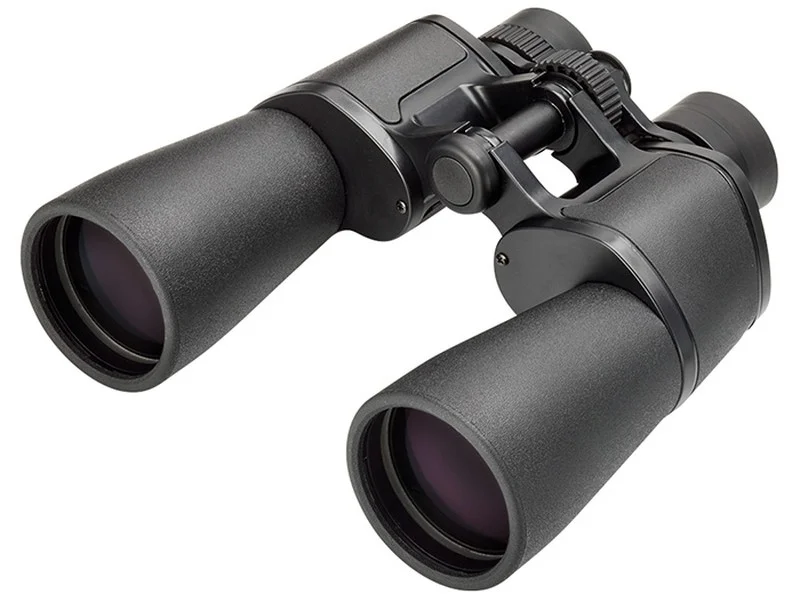
A wide ~6.5° field swallows the Moon, Venus and the Beehive Cluster in a single view: exactly what this gathering calls for. Light enough to hand-hold, and the most-recommended starter binocular in UK astronomy communities.
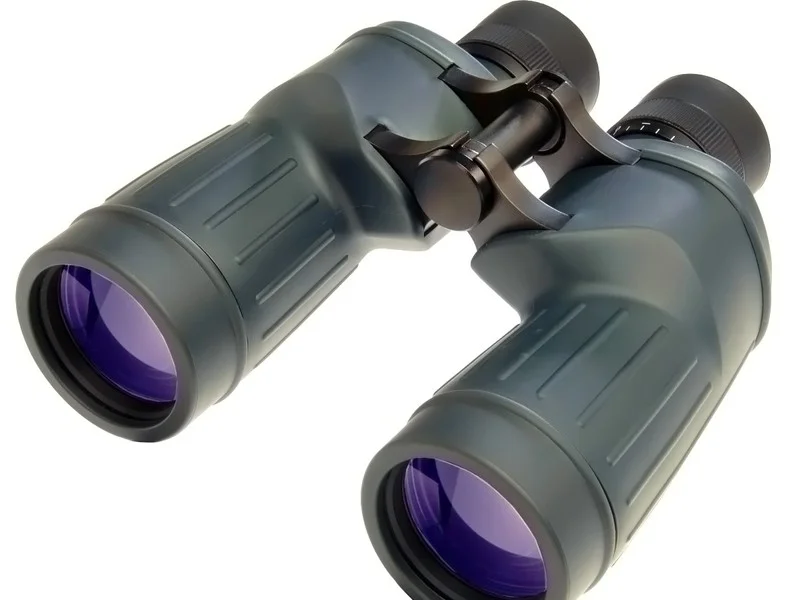
A step up in contrast and edge sharpness: the difference shows on a twilight target like earthshine against a still-bright sky. The pick if you want one pair of astronomy binoculars to last years.
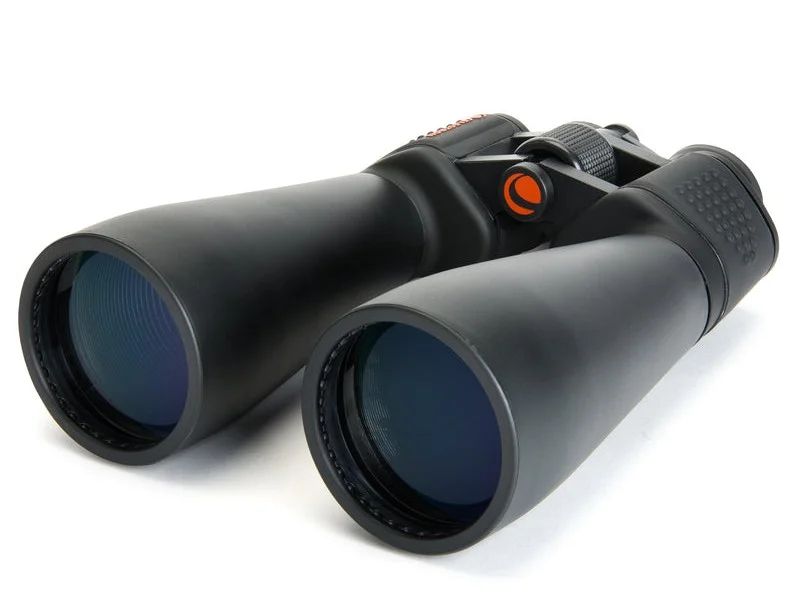
15× magnification pulls the crescent close enough to trace earthshine across the whole dark limb, with the Beehive's brightest stars resolved beside it. You'll want a tripod at this power.
Affiliate links: you pay the same price, we earn a small commission that helps keep WatchTheStars free.
Venus lingers in this part of the sky for a few more days, passing the Beehive itself on 19–20 June if clouds spoil Wednesday's view.
After 17 June: What's Next in the Evening Sky
This week is the climax of June's evening planet show. The Moon climbs higher each night, lining up with Venus, Jupiter and Mercury again in a looser formation on 18 June, then moving on towards Regulus. Mercury fades into the twilight by the solstice on 21 June, while Venus keeps hold of the western sky all summer, reaching its greatest elongation from the Sun in mid-August.
If you miss Wednesday's pairing, the Moon visits Venus every month, but rarely this closely. The next lunar occultation of Venus comes on 14 September 2026 and again favours other parts of the world. That makes 17 June the UK's best chance this year to watch our two brightest night-sky objects all but collide.
Clear skies, and let's hope the great British weather plays along.
Sources:
- Lunar occultation of Venus: 17 June 2026 · In-The-Sky.org
- Close approach of the Moon and Venus · In-The-Sky.org
- Daytime Venus Occultation and Evening Crescent Moon with Three Planets · When the Curves Line Up
- The Sky This Week from June 12 to 19 · Astronomy.com
Frequently Asked Questions
Equipment guides
Related topics
Ian ClaytonAmateur astronomer and founder of WatchTheStars.co.uk, dedicated to helping others explore the wonders of our universe. Full profile →