Key takeaways
- The June Bootids meteor shower peaked on the evening of 27 June, usually quiet, but famous for rare surprise outbursts of up to 100 meteors an hour
- Bootid meteors are unusually slow (18 km/s), producing long, graceful streaks, and the radiant sat high in the western sky right after dark
- Asteroid 1997 NC1, around 1 km wide, passed Earth safely at 2.4 million km (about 6 times the Moon's distance)
- After dark, the bright near-full Moon sat close to red Antares, the heart of Scorpius, low in the south
- Before dawn (~04:00 BST), Mars brushed past the Pleiades star cluster low in the east: its closest such pass until 2034
Jump to section 5 sections
Most nights you're lucky to get one thing worth heading outside for. On 27 June the UK got four. An unpredictable meteor shower was at its peak, a kilometre-wide asteroid was passing the planet, the Moon was sitting next to one of the reddest stars in the sky, and Mars was sliding past the Pleiades just before dawn. You didn't need a telescope for most of it, and on a clear night you could see it all from the back garden. Here is what there was to look for on Saturday 27 June, and when.
June Bootids Meteor Shower: The Peak, 27 June
The main event was the June Bootids, the most unpredictable meteor shower of the year. Most showers are reliable and you know roughly what to expect. The Bootids aren't. In a normal year you might see one or two meteors an hour, sometimes none at all. Then, every so often, they put on a real show with no warning. In 1998 people saw up to 100 an hour, and 2004 brought 20 to 50. Nobody predicted either.
The meteors are dust and debris left behind by comet 7P/Pons-Winnecke, which orbits the Sun every 6.4 years. When Earth runs through a thick part of that trail, we get a good display. When we clip a thin part, we get almost nothing. No outburst was forecast for 2026, but the Bootids have surprised people before, and that's the appeal. Stepping outside that night meant taking a chance on the year's biggest wild card.
One more thing makes them worth catching: they're slow. Bootids hit the atmosphere at about 18 km/s, well below the speed of a fast shower like the Perseids. Instead of a quick flash, you get a long, drawn-out streak that seems to glide across the sky. A bright one is a lovely thing to see.
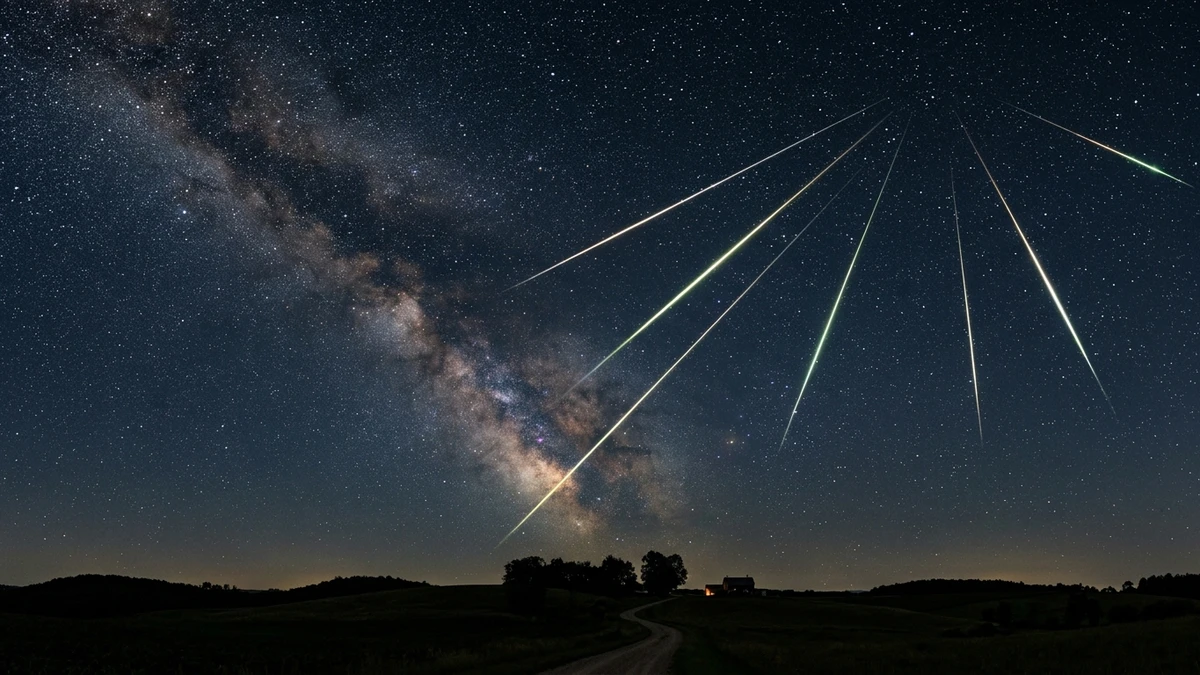
There was good news and bad news for UK skywatchers. The good news was that the radiant in Boötes was already high in the western and south-western sky once it got dark, so you could start watching in the late evening rather than the small hours. The bad news was that night's bright, almost-full Moon (more on that below), which would wash out the fainter meteors. To give yourself the best chance, the advice was to find a dark spot, keep the Moon behind you or hidden behind a building, let your eyes adjust for 20 minutes, and be patient. You weren't going to see dozens, but one good Bootid drifting overhead would have made it worth the wait.
Asteroid 1997 NC1 Passed Earth on 27 June
While you were outside, something much bigger was going past unseen. Asteroid 1997 NC1, thought to be about 1 km across, made a close approach to Earth on 27 June. At that size it counts as a substantial near-Earth object.
There was no need to worry: this was a safe, well-tracked flyby. The asteroid passed at about 2.4 million km, roughly six times the distance to the Moon. That only counts as close on the scale of the solar system; in everyday terms it's a long way off. Astronomers have tracked this rock and its orbit for years, and it poses no risk.
You couldn't see it with the naked eye, because at that distance a kilometre-wide rock is very faint. But with a moderate backyard telescope and an up-to-date finder chart, you might have been able to pick it out as a dim point of light that slowly shifts against the background stars over an hour or two. That slow movement is how you know you've found it. It was a mountain-sized piece of the early solar system passing by, even if most of us would only know it was there rather than see it.
The Moon and Antares After Dark
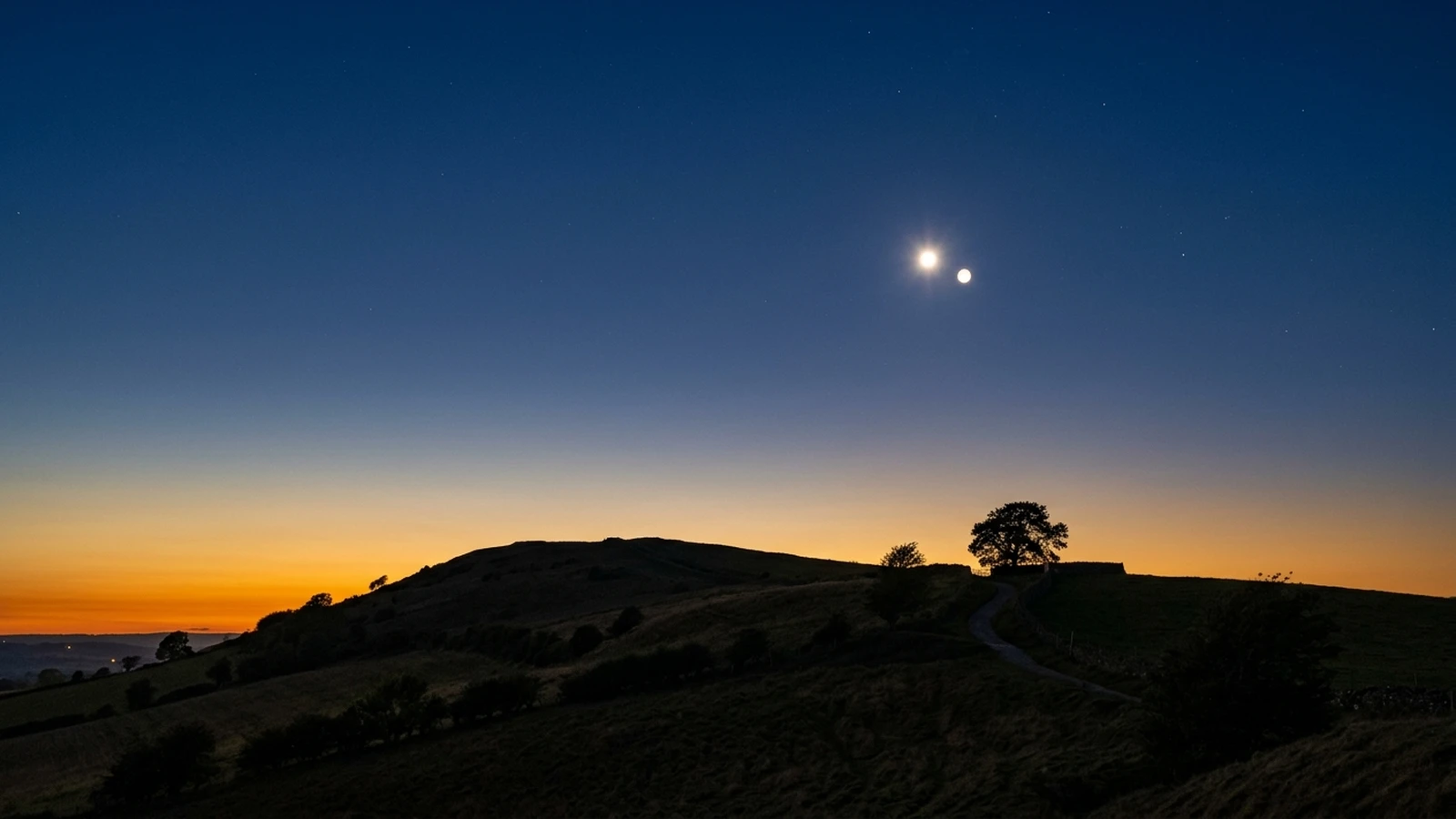
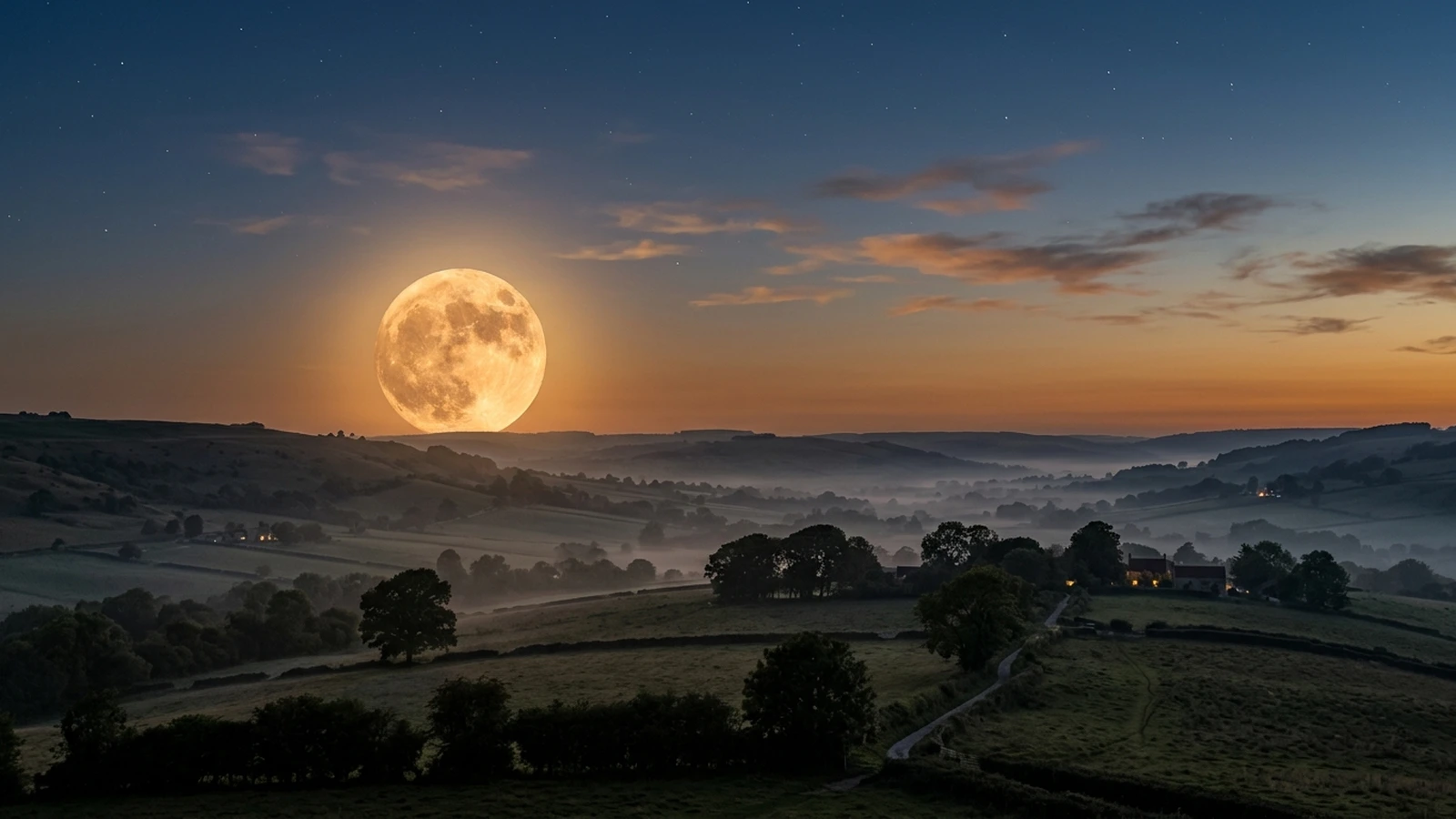
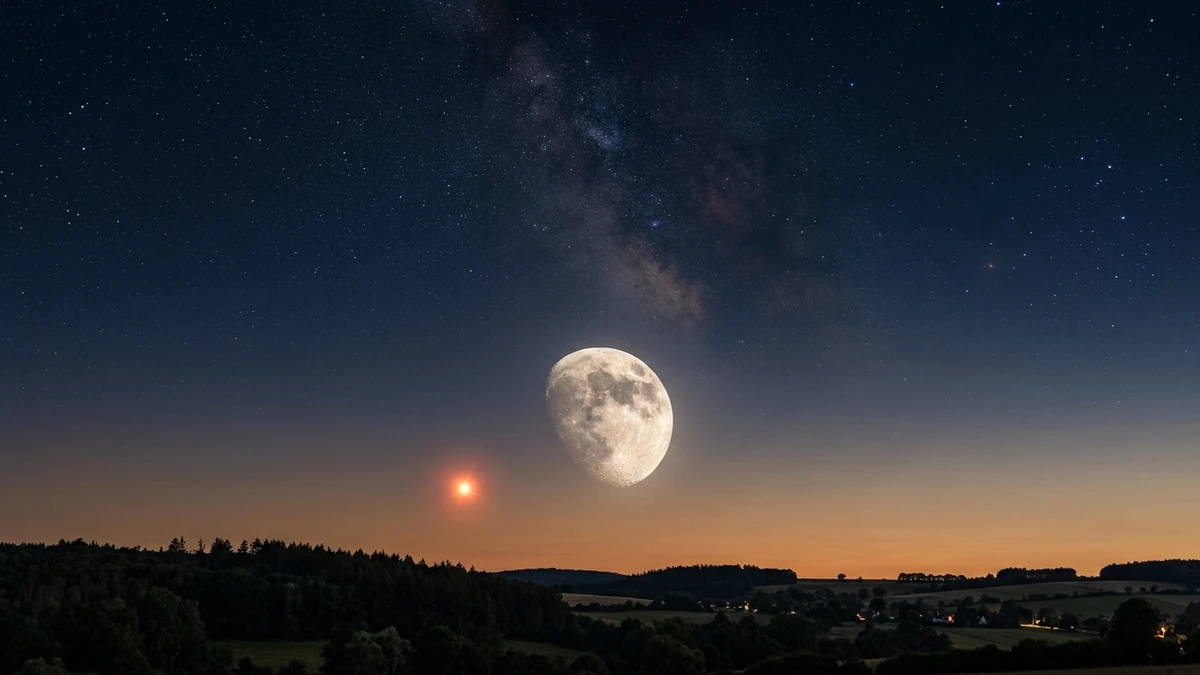
The easiest sight of the night was a simple one: looking south after sunset. The Moon, a bright waxing gibbous about 97% lit and only a couple of nights short of June's Strawberry Full Moon, sat low in the south. That night it had company in the form of a famous red star.
That star is Antares, the bright heart of the constellation Scorpius. Its name means "rival of Mars," a nod to its strong reddish-orange colour. Antares is a huge red supergiant; if it replaced our Sun, it would reach out past the orbit of Mars. The place to look was just to the lower left of the Moon, about 6° away, a little less than the width of your fist held at arm's length.
It was an easy pair to spot with the naked eye: the silver Moon and the red star together, low over the southern horizon in the summer twilight. Scorpius never climbs very high from the UK, so seeing its brightest star next to the Moon was a good reminder that this summer constellation is down there at all. Binoculars bring out Antares' colour nicely against the Moon's glare.
Mars and the Pleiades Before Dawn
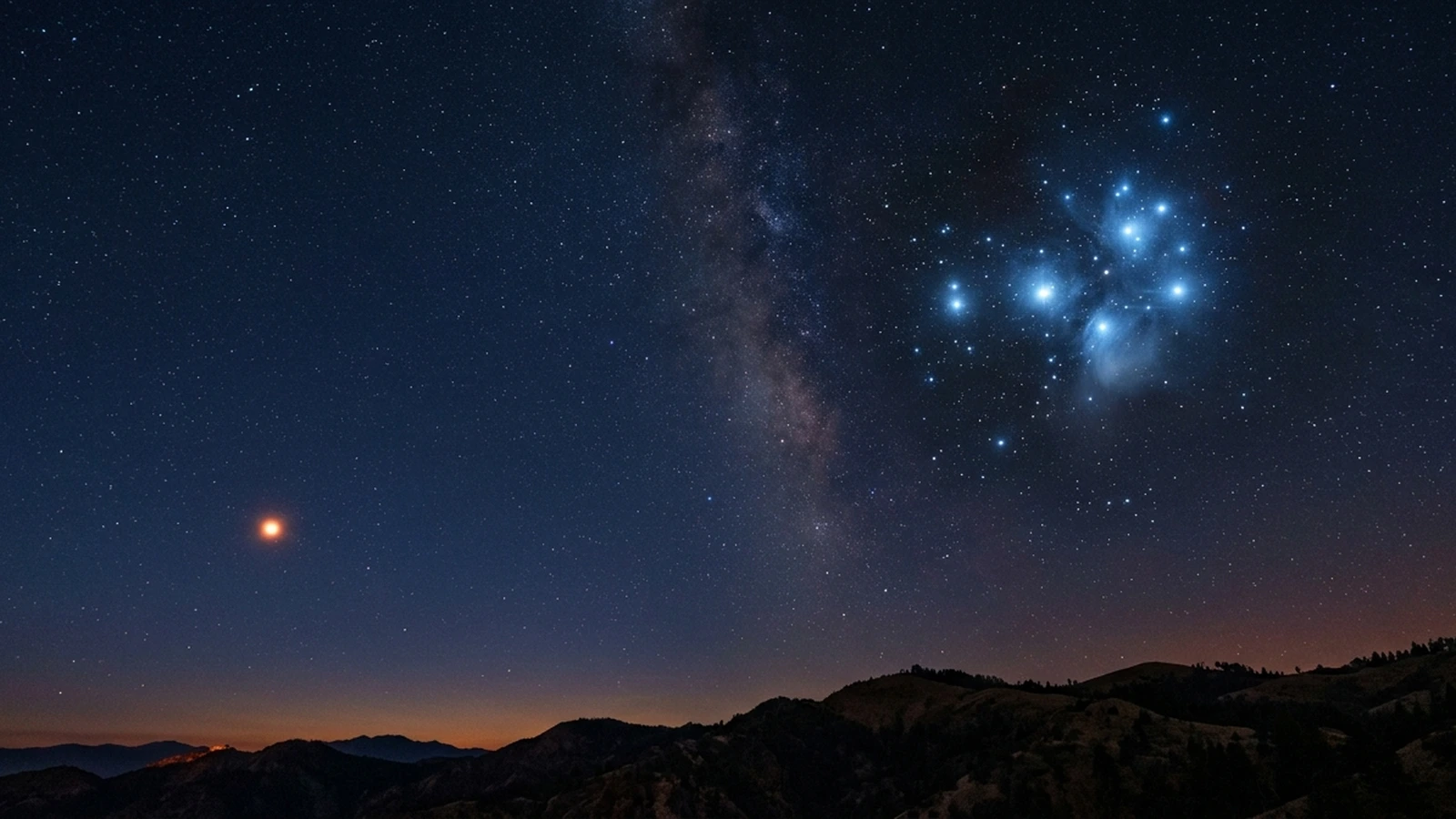
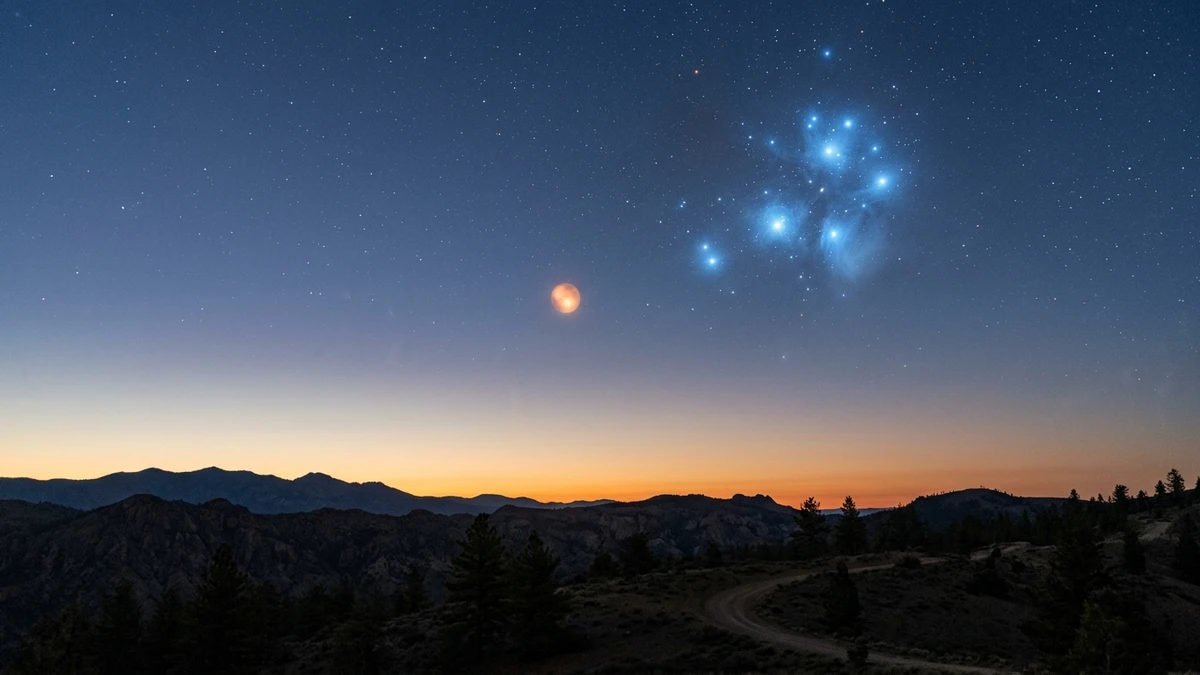
For anyone who could face an early alarm, the best sight of all was in the pre-dawn sky. Mars was passing the Pleiades, the blue star cluster also known as the Seven Sisters, and the two were at their closest on 27 and 28 June.
The plan was to set an alarm for around 04:00 BST and look low to the east-north-east as the sky started to brighten. The draw was the colour contrast: rusty-red Mars right next to the cool blue of the Pleiades. To the naked eye the cluster looks like a small, misty knot of stars. Through binoculars it's better still, with Mars and dozens of blue-white cluster stars in the same view.
You weren't tied to one night. Mars moved past the cluster between about 23 June and 2 July, but the 27th and 28th were the closest. It was worth the effort, too, because this was the last easy-to-see Mars and Pleiades pairing until 2034. The main difficulty was how low and bright the dawn sky was, so the advice was to pick a spot with a clear eastern horizon and look before it got too light.
What to take outside that night
Kit we've reviewed in full
The Bootids, the Moon and Antares were all naked-eye, but a pair of binoculars was what turned that night's two best pairings into a proper session. They frame Mars and the blue Pleiades together in one field, and lift Antares' fiery colour beside the Moon. If you also wanted to hunt the asteroid, you needed a small telescope. Here's what we'd reach for.
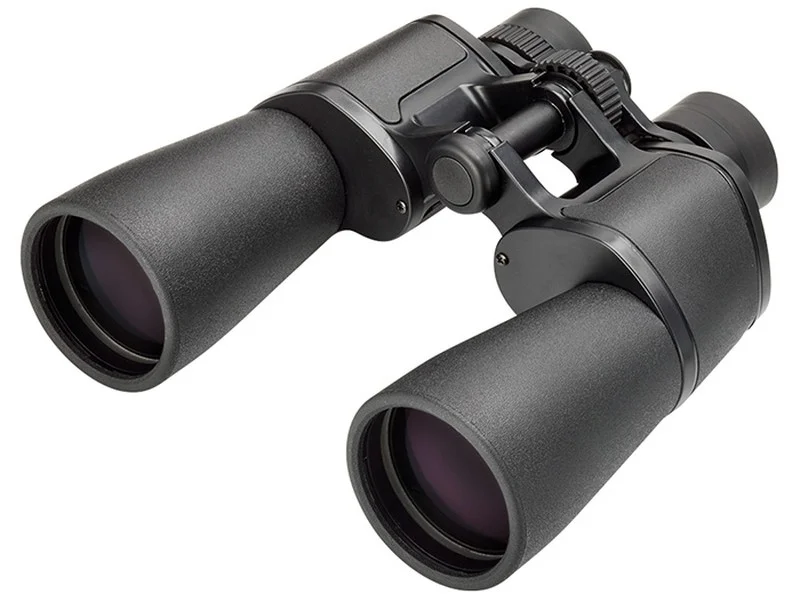
A wide field and 50mm lenses are ideal for the Mars–Pleiades pairing: both fit in one view, with the cluster's blue stars sparkling around rusty Mars. Light enough to hand-hold, and the most-recommended starter binocular in UK astronomy circles.
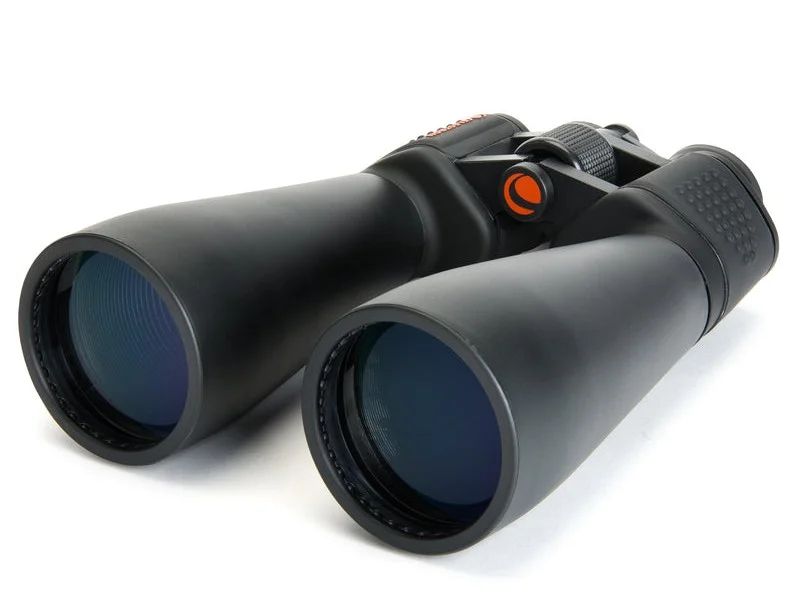
15× magnification and big 70mm lenses pull the near-full Moon close enough to trace craters along the terminator and make Antares blaze. Great on the low dawn Pleiades too. You'll want a tripod at this power.
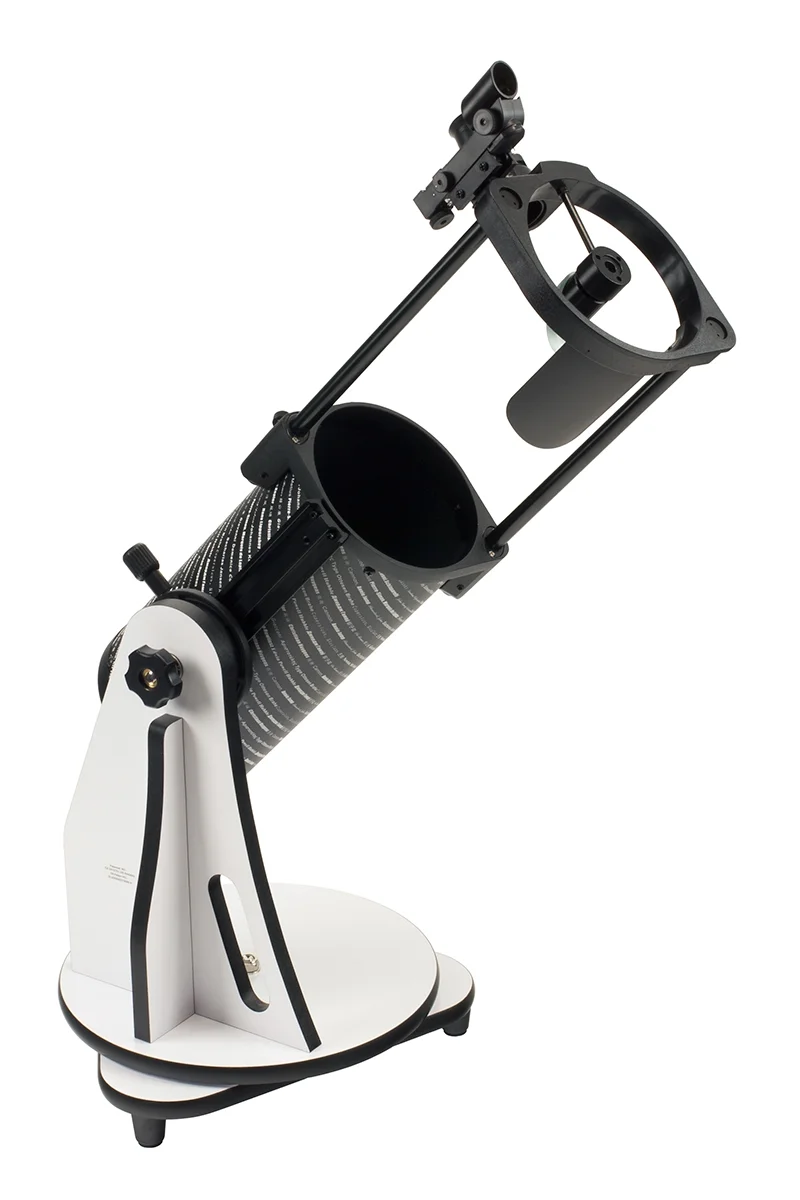
A 130mm tabletop reflector gathers enough light to chase faint targets like asteroid 1997 NC1 drifting against the stars, and doubles as a superb Moon and planet scope the rest of the year. The best-value first telescope for UK skies.
Affiliate links: you pay the same price, we earn a small commission that helps keep WatchTheStars free.
27 June's Sky at a Glance
Four events across two viewing windows. Here was how to plan the night and the early morning.
You didn't have to catch all four for it to be worth it. If the evening was clear, the plan was to head out after dark for the Moon, Antares and a patient watch for a stray Bootid. For anyone up early, the Mars and Pleiades pairing low in the dawn was the highlight. Either way, it was a lot to see for one ordinary Saturday in June. Clear skies!
Sources:
- The most unpredictable meteor shower of the year peaks this week · Space.com
- What to know about the 2026 June Bootids · Discover Magazine
- Large asteroid to pass Earth safely on June 27 · EarthSky
- Mars Nears the Pleiades as the Strawberry Moon Approaches Full · When the Curves Line Up
- Visible planets and night sky guide for June and July · EarthSky
Frequently Asked Questions
Equipment guides
Related topics
Ian ClaytonAmateur astronomer and founder of WatchTheStars.co.uk, dedicated to helping others explore the wonders of our universe. Full profile →