Lyrid Meteor Shower 2027 UK
Peak night 22–23 April. The oldest shower on record, best in the early hours, with a nearly full Moon to work around.
Lyrids 2027 at a glance
| Peak night | Thursday 22 – Friday 23 April 2027 |
|---|---|
| Best time (UK) | About 1am to 3.30am BST on the 23rd |
| Predicted maximum | About 2.50am BST on 23 April |
| Active | 14 to 30 April |
| Max rate (ZHR) | About 18 per hour (expect 5–10 in 2027's moonlight) |
| Moon | Waning gibbous, 95% lit, rises about 11pm and stays low in the south. Poor: keep it behind something |
| Radiant | In Lyra, next to Vega, in the east after midnight |
| Parent body | Comet C/1861 G1 (Thatcher) |
| Speed | 49 km/s |
When is the Lyrid meteor shower in 2027?
The Lyrid meteor shower peaks on the night of Thursday 22 to Friday 23 April 2027. The predicted maximum falls at about 2.50am BST on the 23rd, which is in the dark hours for the whole of the UK. The shower is active from about 14 to 30 April, but the Lyrids have a short, sharp peak, so the night around the maximum is the one worth your effort.
This year the Moon gets in the way. It is full on 20 April 2027, the Pink Moon, so two nights later it is still 95% lit. It rises at about 10.50pm in London, 11pm in Birmingham and Plymouth and 11.35pm in Edinburgh, and stays up until dawn. That will hide the fainter meteors. There is one piece of luck: at this time of year the full Moon rides very low, and it never climbs more than about 12 degrees above the southern horizon from central England.
What time is best to watch the Lyrids in the UK?
From the UK the best time to watch the Lyrids in 2027 is between about 1am and 3.30am BST on Friday 23 April. The radiant rises in the north-east in the evening, but it is low then. By 1am it is about 40 degrees up in the east, and by 3am about 60 degrees, and the predicted maximum at 2.50am falls right in that window. Dawn starts to brighten the sky from about 3.30am in London and the Midlands, 3am in Edinburgh and 3.55am in Plymouth, and that is your hard end.
The sky is fully dark from about 10.25pm in London, 10.40pm in Birmingham and 11.20pm in Edinburgh, only 10 to 25 minutes before the Moon rises. That short moonless gap is not worth much, though, because the radiant is still low. The early hours, with the Moon low in the south and the radiant high in the east, are the better bet.
Where to look for Lyrid meteors
Lyrid meteors trace back to a point in the small constellation Lyra, about eight degrees from Vega, the brilliant blue-white star that rises in the north-east in the evening and is high in the east by 3am. You do not need to stare at the radiant. The longest streaks appear 30 to 60 degrees away from it, so face east or look straight up.
This year, where you stand matters as much as where you look. The Moon sits low in the south, about 70 degrees away from the radiant, so put a house, a hedge or a line of trees between you and it. With the glare out of your eyes you will see noticeably more meteors than you would standing in the open.
How many Lyrid meteors will I actually see?
The Lyrids have a ZHR of about 18, which makes them a mid-sized shower in a normal year. In 2027 the moonlight will cut that further. From a dark UK site, expect perhaps 5 to 10 an hour during the best hours. From a town, a handful. For big numbers, wait for the Perseids in August or the Geminids meteor shower in December.
What keeps people coming back to the Lyrids is their record of surprises. In 1982 observers in the United States saw close to 90 an hour, and there are historical reports of far stronger outbursts. None is predicted for 2027, but the Lyrids also throw up the odd bright fireball, and one of those will show through moonlight.
What causes the Lyrid meteor shower?
The Lyrid meteor shower is caused by Earth passing through dust from Comet C/1861 G1 (Thatcher), a long-period comet that takes about 415 years to orbit the Sun. The Lyrids are the oldest meteor shower on record: Chinese astronomers described them in 687 BC. The grains hit the atmosphere at about 49 km/s, a middling speed that gives medium-length streaks.
How to watch the Lyrids: the honest version
Leave the telescope indoors. Meteors cross tens of degrees of sky in under a second, and any optical aid narrows your view. Your eyes are the right instrument. What actually matters this year:
- Go out late. 1am to 3.30am on the 23rd, when the radiant is high and the maximum falls.
- Hide the Moon. Stand so a building or hedge blocks the low Moon in the south, and face east.
- Check the forecast first. Our stargazing tool shows what you can see in the sky tonight and scores your local sky out of 10 for cloud, Moon and light pollution.
- Get somewhere dark. Moonlight and streetlight together leave very little. Our UK dark sky sites map shows the nearest good spot.
- Dress for winter. Late April nights in the UK can drop close to freezing. A blanket and a flask help you stay the hour it takes.
If you are new to finding your way around the sky, stargazing for beginners covers the basics, and our meteor shower calendar lists every shower worth watching from the UK with its next peak date. For everything else up that week, see the UK night sky this week.
What to take out on Lyrid night
Kit we've tested and reviewed in full
You don't need optics to see meteors. A spring night outside can be cold, though, and the waits between Lyrids are long this year. See our binocular reviews for more.
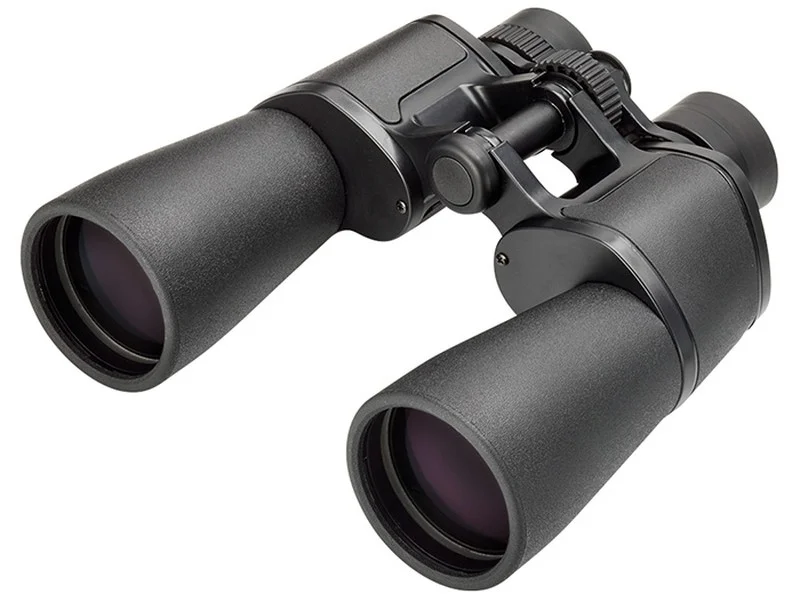
The Moon is too bright for faint galaxies this year, but it is a superb binocular target in its own right, and so is Epsilon Lyrae, the 'double double' beside Vega, which splits into two stars in a 10×50. The pair we point most UK beginners to first.
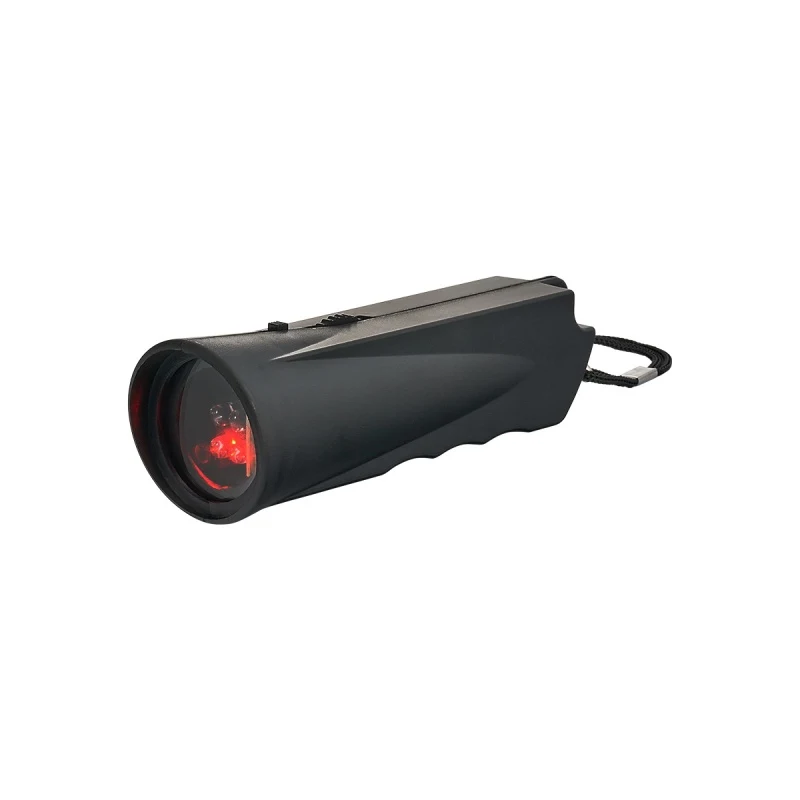
Astro Essentials Red Light Torch
A red torch lets you check the time and find the flask without resetting the 20 minutes of dark adaptation you've just spent. Cheap and worth it.
Browse all our equipment reviews
Honest, research-based recommendations for every budget.
Browse all →Affiliate links: you pay the same price, we earn a small commission that helps keep WatchTheStars free.