Perseid Meteor Shower 2027 UK
Peak night 12–13 August. Fast, bright meteors from Comet Swift-Tuttle, best in the two dark hours after the Moon sets.
Perseids 2027 at a glance
| Peak night | Thursday 12 – Friday 13 August 2027 |
|---|---|
| Best time (UK) | About 1.15am to 3.10am BST on the 13th, after moonset |
| Predicted maximum | About 9.20am BST on 13 August (daylight in the UK) |
| Active | 17 July to 24 August |
| Max rate (ZHR) | About 100 per hour (expect 40–60 from a dark UK site) |
| Moon | Waxing gibbous, 84% lit, sets about 1.10am BST (London). Fair: watch after moonset |
| Radiant | Perseus, below the W of Cassiopeia, high in the north-east after midnight |
| Parent body | Comet 109P/Swift-Tuttle |
| Speed | 59 km/s (fast, often with glowing trains) |
When is the Perseid meteor shower in 2027?
The Perseid meteor shower peaks on the night of Thursday 12 to Friday 13 August 2027. The predicted maximum, when Earth passes through the densest part of the dust stream, falls at about 9.20am BST on the 13th, which is daylight in the UK. So the best British window is the dark hours before dawn on Friday 13 August, as close to that maximum as the sky allows. The shower is active from about 17 July to 24 August, and rates stay well above normal for several nights either side of the peak.
The Moon is the complication this year. It is full on 17 August, so on the peak night it is a bright waxing gibbous, 84% lit, sitting low in the south in the evening and setting at about 1.10am BST in London and Birmingham. Until then it washes out the fainter meteors. Once it has gone, you get about two hours of properly dark sky before dawn. It is not a perfect year like 2026 was, when the peak fell close to new Moon, but it is a good one. If you want to plan around the Moon for any night, our is it a full moon tonight page has the phase and moonset for your location.
What time is best to watch the Perseids in the UK?
From the UK the best time to watch the Perseids in 2027 is between about 1.15am and 3.10am BST on Friday 13 August. The Moon sets at 1.10am in London and Birmingham, 1.34am in Plymouth and 12.45am in Edinburgh. Astronomical twilight, the first brightening of dawn that starts to hide faint meteors, begins at about 3.10am in London and the Midlands and 3.40am in Plymouth. In Edinburgh the sky is only fully dark between about 12.15am and 2.20am, so Scotland's moon-free window runs from moonset to about 2.20am.
The radiant is well placed for all of it. At 1am it is about 43 degrees up in the north-east from the Midlands, and by 3am it has climbed to nearly 60 degrees. The higher it is, the more meteors reach you, so the last hour before dawn tends to be the best of the night.
If the peak night is cloudy, or you would rather not stay up so late, the night before is a strong alternative. On 11 to 12 August the Moon sets about an hour earlier, at around 12.15am in England, which gives nearly three hours of dark sky before dawn. Rates are lower a day before the maximum, but the extra darkness makes up for a lot of it.
Where to look for Perseid meteors
Perseid meteors trace back to a point in Perseus, just below the W-shaped pattern of Cassiopeia, which is easy to find in the north-east after midnight. You do not need to look at the radiant itself. Meteors near it look short, while the long, dramatic streaks appear 30 to 60 degrees away. Lie back, face north-east or straight up, and take in as much sky as you can.
While you wait, Saturn is up too, about 20 degrees high in the east-south-east at 1am and climbing to around 35 degrees in the south-east by 3am. It is the steady, yellowish point that does not twinkle.
How many Perseid meteors will I actually see?
The Perseids have a ZHR of about 100, the theoretical rate under a perfect sky with the radiant overhead. Real numbers are lower. From a dark UK site in the moon-free hours before dawn on 13 August, expect roughly 40 to 60 an hour. From a suburban garden, 15 to 25 is more realistic. That still makes it one of the two best showers of the year, alongside the Geminids meteor shower in December.
Perseid meteors are fast, at about 59 km/s, and bright ones often leave a glowing train that hangs in the sky for a second or two. Fireballs, meteors brighter than any planet, turn up most years. Activity is also quite broad, so you will catch some Perseids on any clear night from late July to the third week of August, just not at peak rates.
What causes the Perseid meteor shower?
The Perseid meteor shower is caused by Earth passing through dust left by Comet 109P/Swift-Tuttle. The comet takes 133 years to orbit the Sun, and it last came through the inner solar system in 1992. Each time it does, it sheds more grit along its path, and Earth crosses that trail every August. Most of the grains are no bigger than a grain of sand, and they burn up about 100 km overhead.
How to watch the Perseids: the honest version
Leave the telescope indoors. Meteors cross tens of degrees of sky in under a second, and any optical aid narrows your view. Your eyes are the right instrument. What actually matters:
- Go out after moonset. In 2027 that means from about 1.15am on the 13th in England, or from about 12.15am on the night before.
- Check the forecast first. Our stargazing tool shows what you can see in the sky tonight and scores your local sky out of 10 for cloud, Moon and light pollution.
- Get away from lights. A dark site doubles or triples what you see. Our UK dark sky sites map shows the nearest one to you.
- Give your eyes 20 minutes. No phone screens. Dark adaptation is the difference between seeing ten meteors and forty.
- Lie back and stay an hour. A reclining chair or camping mat, a blanket even in August, and patience. Meteors come in bursts and lulls.
Between meteors, the summer Milky Way runs overhead through Cygnus, and our guide on how to see the Milky Way explains what to look for once the Moon is down. If you are new to all of this, stargazing for beginners is the place to start. The Perseids come ten days after the 2 August 2027 solar eclipse, so it is a good month to be looking up.
What to take out on Perseid night
Kit we've tested and reviewed in full
You don't need optics to see meteors. A Perseid watch is a couple of warm August hours outside, though, and there is plenty to look at between meteors. See our binocular reviews for more.
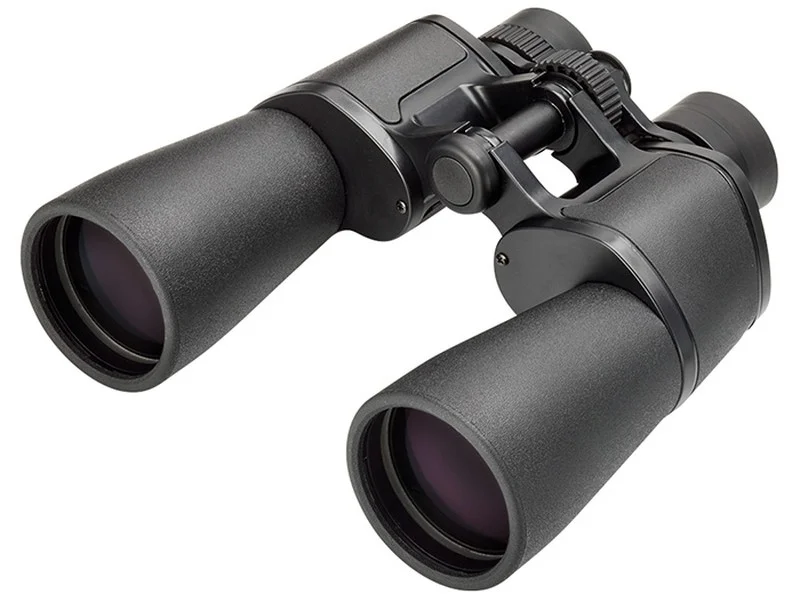
Sweep the summer Milky Way from Cygnus down to the horizon, then pick out the Double Cluster in Perseus near the radiant. The pair we point most UK beginners to first.
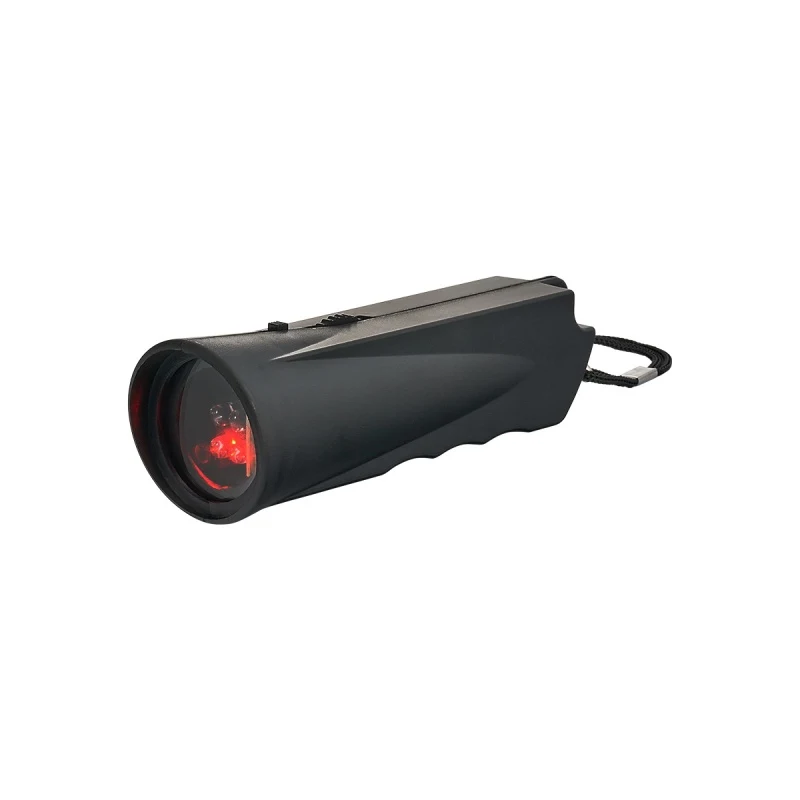
Astro Essentials Red Light Torch
A red torch lets you check the time and find the flask without resetting the 20 minutes of dark adaptation you've just spent. Cheap and worth it.
Browse all our equipment reviews
Honest, research-based recommendations for every budget.
Browse all →Affiliate links: you pay the same price, we earn a small commission that helps keep WatchTheStars free.