Key takeaways
- The US Navy released 1,019 pages of Scott Bray's UAP emails on 23 September 2026, answering a FOIA request The Black Vault filed on 24 May 2022; another 302 pages were withheld in full
- Scott Bray was Deputy Director of Naval Intelligence, the senior Navy official over the UAP Task Force, and testified at the May 2022 congressional UAP hearing
- The emails run from January 2020 to April 2022 and cover the April 2020 release of the Navy UFO videos, the launch of the UAP Task Force, and the June 2021 intelligence report
- In August 2020 Bray wrote that it was not appropriate to 'reach any conclusions' because the Task Force had only been assigned to the Navy the week before
- Faced with a 2021 claim that the Pentagon had 'UFO debris', one official said a standard 'no comment' was the only tenable response, as the topic would quickly become classified
Jump to section 10 sections
- What Are the Scott Bray UAP Emails?
- Who Is Scott Bray?
- How the Navy Released the UFO Videos in 2020
- Why Bray Didn't Want the UAP Task Force Making 'Big News'
- Did the Pentagon Admit It Has UFO Debris?
- What Bray Told the Navy's Top Admiral About 60 Minutes
- How Many People Worked on the UAP Task Force?
- What Else Is in the 1,019 Pages?
- What Did the Navy Withhold, and Why?
- Where to Read the Scott Bray Emails
The US Navy has released 1,019 pages of Scott Bray's UAP emails, the inbox of the naval intelligence official who oversaw the Pentagon's UAP Task Force. They cover January 2020 to April 2022, the two years in which the US government went from refusing to talk about UFOs to publishing a report on them. The Navy answered the Freedom of Information Act request on 23 September 2026, more than four years after The Black Vault filed it, and withheld another 302 pages in full.
We have been through the release. Most of it is routine: meeting invites, news clippings, press lines passed back and forth for approval. But in between there is a clear picture of how the Navy handled the subject from the inside, and some unguarded lines you would never see in a press statement.
What Are the Scott Bray UAP Emails?
The Scott Bray UAP emails are messages sent to, from or copied to Scott Bray that contain words such as UAP, UFO, UAPTF, AATIP or AAWSAP. John Greenewald of The Black Vault asked for them on 24 May 2022, a week after Bray's appearance before Congress. The Navy's search found 1,321 pages.
| Scott Bray UAP emails at a glance | |
|---|---|
| FOIA case number | DON-NAVY-2022-008648 |
| Requested | 24 May 2022, by John Greenewald (The Black Vault) |
| Answered | 23 September 2026, by the Navy FOIA/PA Program Office |
| Pages found | 1,321 |
| Released | 1,019 pages, with redactions |
| Withheld in full | 302 pages |
| Date range | 21 January 2020 to 20 April 2022 |
| Searched by | OPNAV N2N6, the Navy's information warfare directorate |
Names below admiral or senior executive level are mostly blacked out. So are almost all of the actual talking points and recommendations, which the Navy treated as internal deliberation. What survives is the conversation around them, and that is where the interesting material is.
Who Is Scott Bray?
Scott W. Bray was Deputy Director of Naval Intelligence and Director of the Naval Intelligence Activity. When the Deputy Secretary of Defense set up the UAP Task Force under the Navy in August 2020, it sat in Bray's part of the organisation. One email in the release describes John "Jay" Stratton as leading the Task Force effort "working directly for Scott Bray".
Bray became the public face of the subject on 17 May 2022, when he and Under Secretary of Defense Ronald Moultrie gave evidence to a House Intelligence subcommittee. It was the first open congressional hearing on UFOs in more than 50 years, and Bray played two of the Navy's clips for the committee.
How the Navy Released the UFO Videos in 2020
The earliest big thread is about the three Navy videos known as FLIR, Gimbal and GoFast. They had been leaked and published in 2017 and 2018, and FOIA requesters wanted official copies. On 16 March 2020, when someone asked whether the videos had ever been released through FOIA, one reply was simply: "PLEASE WAIT... can we get a communications plan in place, including a plan for Hill notification before doing anything????"
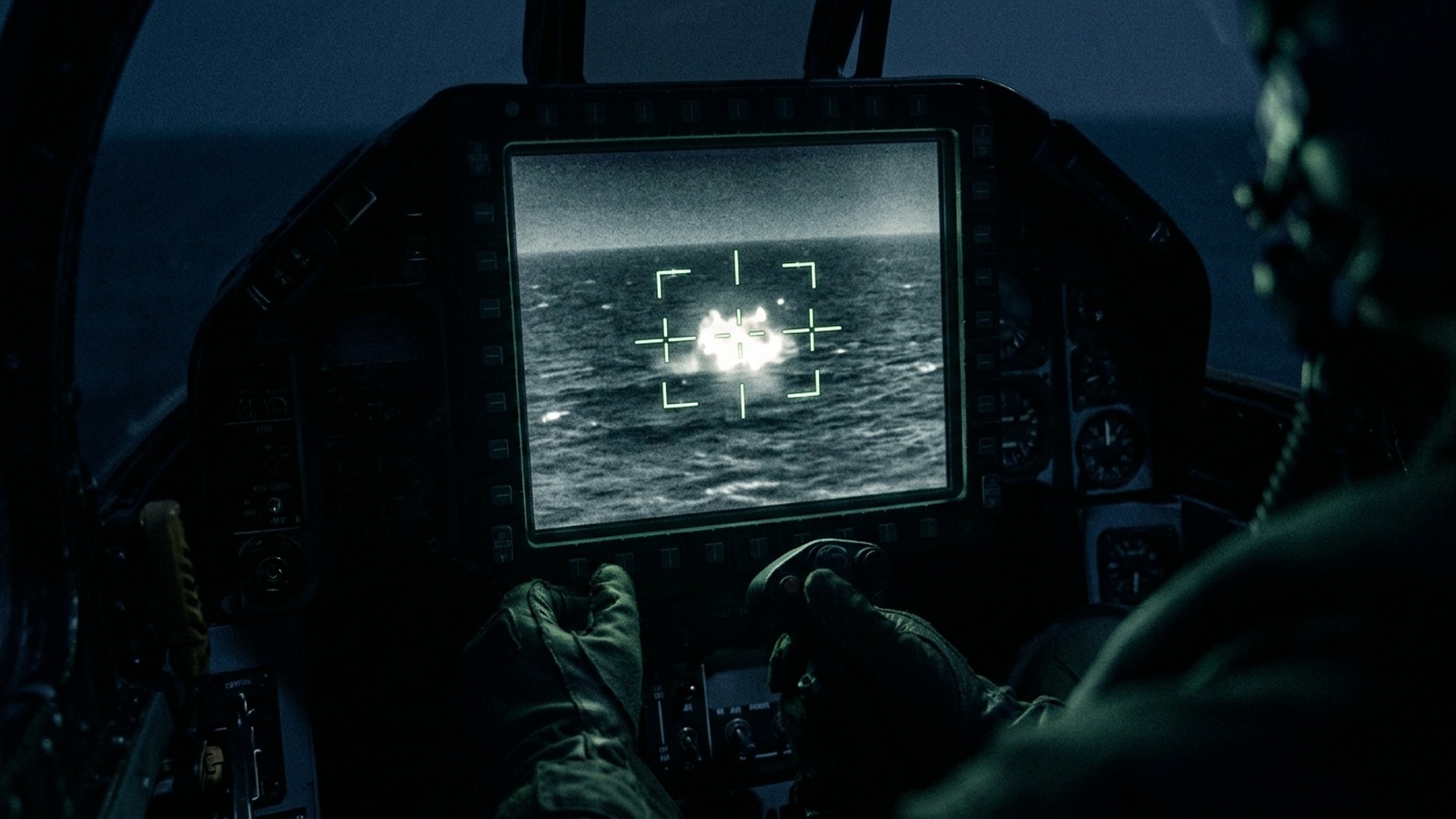
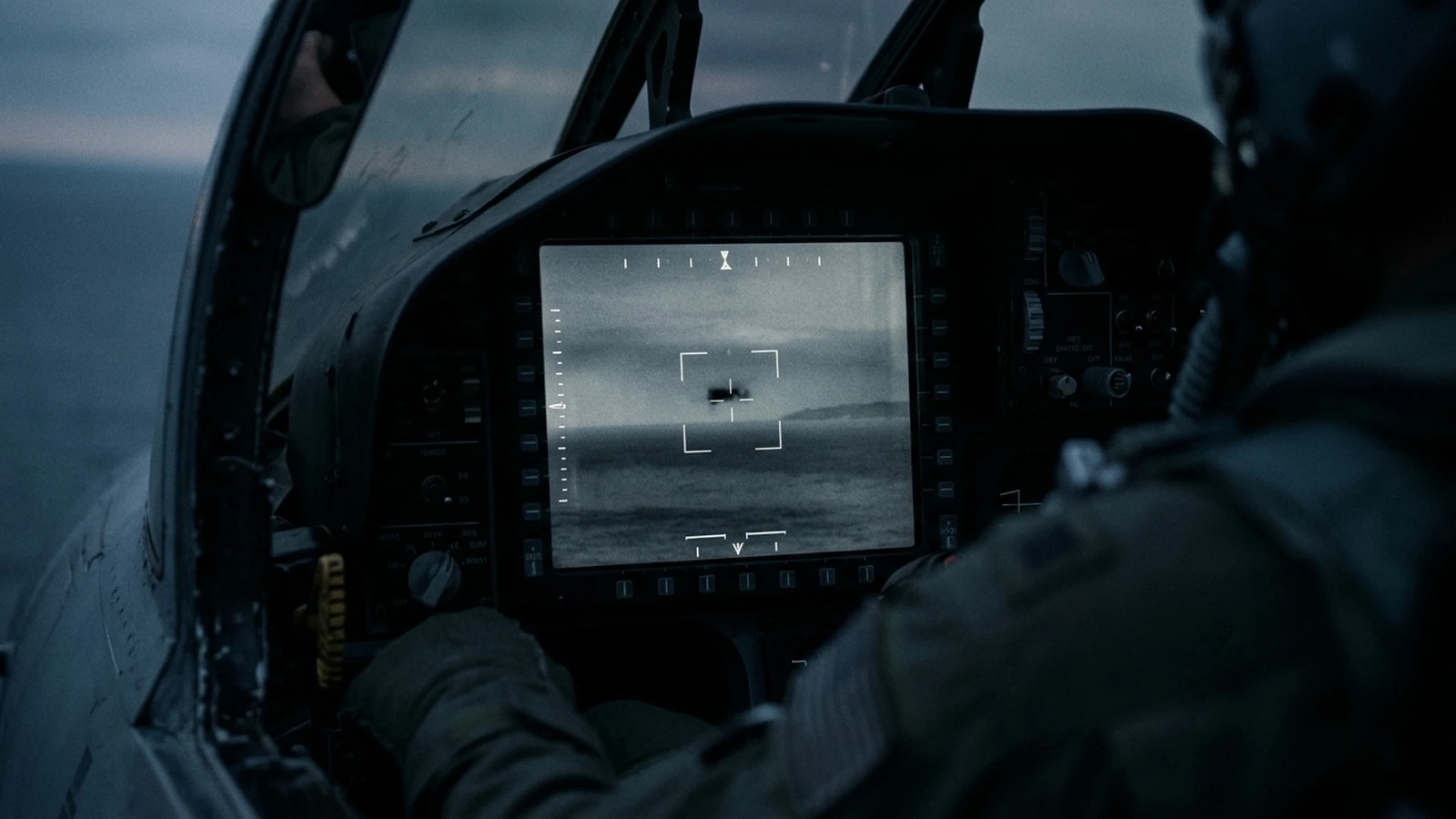
By 20 April the plan was settled. An email to the Navy's press office said "the 3 historic UAPs (Nimitz/2004, and 2 TR/2017)" would be released by NAVAIR, the Naval Air Systems Command, which "owns" the source videos. The checklist that follows is pure process: tell the admirals, notify Congress, post the videos in NAVAIR's FOIA reading room, publish a Defence Department statement, then email everyone who had asked for them. The emails planned it for Friday 24 April. The Pentagon actually published the videos and its statement on 27 April 2020. We looked at what the three Navy videos actually show earlier this year, and the Nimitz "Tic Tac" encounter has its own page.
Why Bray Didn't Want the UAP Task Force Making "Big News"
In August 2020 the Deputy Secretary of Defense, David Norquist, told the Pentagon's press office to announce the new UAP Task Force. The draft press release went round on 11 August. Bray's reply is short: if the release went ahead, he recommended changes, and he could explain why "at the classified level". The Pentagon announced the Task Force on 14 August 2020.
A week later the Deputy Secretary wanted "straight talk" talking points about the Task Force. Someone forwarded the chain to Bray and Stratton with the subject line changed to "Making BIG News?" and a warning that an official in the Pentagon's intelligence directorate was pushing hard for them. A Defence Department press officer explained the pressure. A major network reporter, the officer wrote, had stood at the desk "constantly, repeatedly saying, 'but you guys are investigating aliens'", however many times she was corrected.
Bray's answer on 21 August 2020 is one of the clearest lines in the release:
"Given that the Task Force was just officially assigned to us last week, I don't think it's appropriate for us to reach any conclusions at this point… let's stick to what we've said before."
The talking points themselves are redacted.
Did the Pentagon Admit It Has UFO Debris?
No, and the emails show how the Navy handled the question. In February 2021 a story was going round under the headline "Pentagon admits it has UFO debris, releases test results", based on documents the Defense Intelligence Agency had released under FOIA. On 10 February the Pentagon received an official press query about it and asked the Navy and DIA for a response.
A press officer wrote to Bray and a colleague that nothing in the DIA documents supported "a stunning admission", and suggested saying the Task Force had "no information that would substantiate the claim" that the US government holds "materials from alleged 'UFO debris.'"
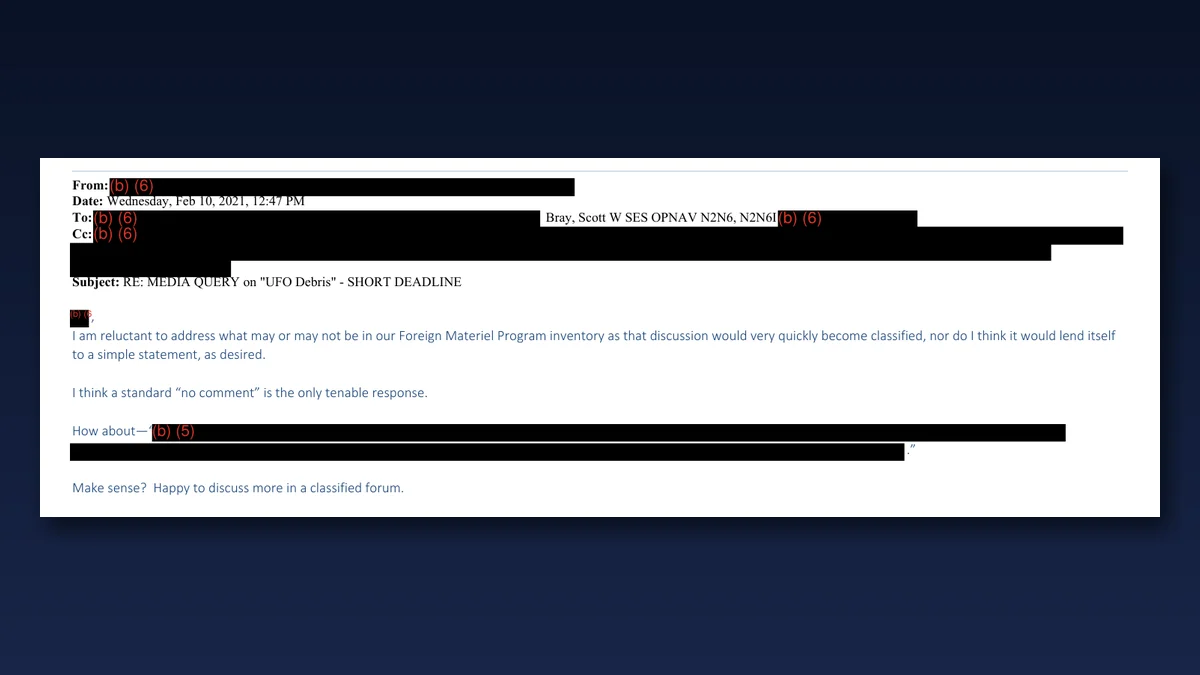
The reply came from an official whose name is redacted:
"I am reluctant to address what may or may not be in our Foreign Materiel Program inventory as that discussion would very quickly become classified, nor do I think it would lend itself to a simple statement, as desired. I think a standard 'no comment' is the only tenable response."
The Foreign Materiel Program is how the US military gets hold of and studies other countries' equipment, usually aircraft, missiles and electronics from rival militaries. The official was not saying it held anything unusual. He was saying he could not discuss the inventory in public at all. His own suggested wording is redacted. The press officer replied that a simple no comment "doesn't work" but that the proposed paragraph was good.
What Bray Told the Navy's Top Admiral About 60 Minutes
On Friday 14 May 2021 Bray emailed Admiral Michael Gilday, the Chief of Naval Operations, and his deputy. CBS's 60 Minutes was running a UAP story that Sunday, built around the two former Navy pilots who saw the "Tic Tac" off southern California in 2004. The broadcast featured David Fravor and Alex Dietrich; their names are redacted in the email.
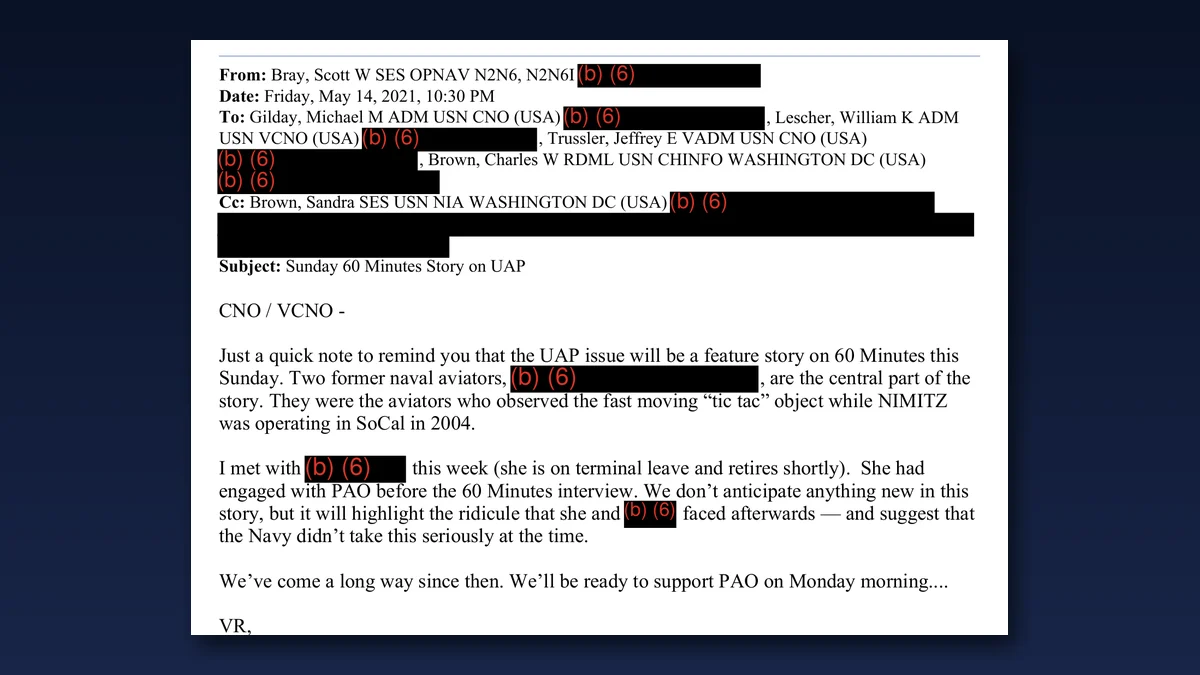
Bray wrote that he had met one of the pilots that week, before she retired. He did not expect anything new in the story, "but it will highlight the ridicule that she and [redacted] faced afterwards — and suggest that the Navy didn't take this seriously at the time." Then: "We've come a long way since then."
It is a rare admission, in writing and to the top of the Navy, that the service had not handled the 2004 encounter well. When the programme aired on 16 May, Bray reported back: "No surprises — and nothing really new. It says we take UAP seriously now and that we encourage aviators to report observations, unlike in the past."
How Many People Worked on the UAP Task Force?
The emails do not give a number, deliberately. On Sunday 27 June 2021, two days after the intelligence community published its preliminary UAP report, the Pentagon press secretary John Kirby wanted to know how many people worked on the Task Force. A New Yorker article had suggested it was just two part-time staff.
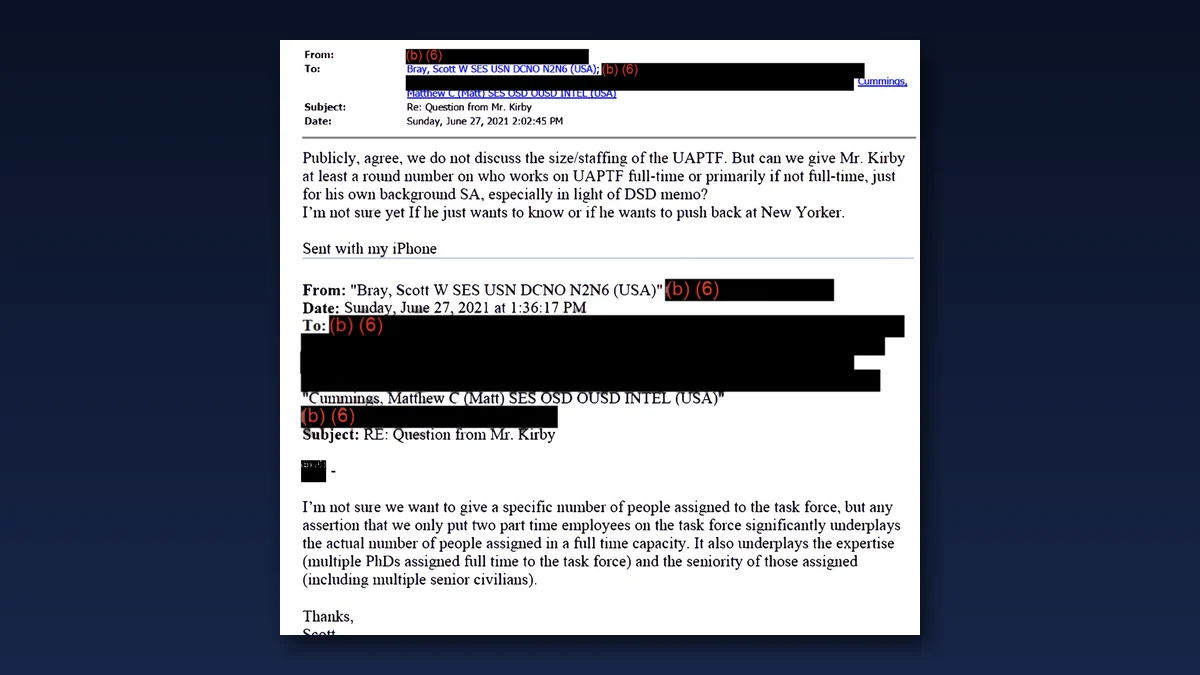
Bray replied that he was not sure they wanted to give a specific number, "but any assertion that we only put two part time employees on the task force significantly underplays the actual number of people assigned in a full time capacity." He added that it also underplayed the expertise, "multiple PhDs assigned full time", and the seniority of those assigned. Another official pointed out that there is "a big gap between being tasked to write a report and being tasked to determine what the USG knows on the subject."
The same week, the Wall Street Journal asked what "signature management" meant, a phrase in the report. The answer sent back was plain: "An object's signature is how it appears to sensors or visual observers. Signature management is taking actions to reduce or modify this signature."
What Else Is in the 1,019 Pages?
Plenty of smaller threads are worth knowing about:
- Japan's questions, June 2020. The Japanese naval attaché was told to ask why the US Navy had released its UFO news, why then, and whether it had procedures for UAP sightings it could share with Japan's navy. Stratton said he would be happy to meet if the Director of Naval Intelligence agreed.
- A Senate briefing, February 2020. Emails from February 2020 arrange a UAP briefing by Stratton for the Senate Intelligence Committee, six months before the Task Force was announced.
- The leaked "pyramid" footage, April 2021. When Mystery Wire published images from the USS Russell, officials learned about it from The Black Vault, whom one email calls "our favorite FOIA machine". Another official asked Bray, jokingly, "Are you out flying your drones again?"
- The 2019 drone incidents. Asked how to answer questions about the drones seen around Navy destroyers off California in July 2019, a staff officer suggested saying the information was shared with the Task Force but fell outside its remit. Bray's reply is redacted.
- A sighting report from a veteran, July 2021. A former Navy operations specialist emailed Stratton and Bray about a silent, glowing object he and his sister saw hovering over trees near a Navy test laboratory in Arvonia, Virginia, around 2000 to 2002. He had sent the same account to Luis Elizondo.
- The Inspector General, May 2021. The Defence Department's Inspector General announced an evaluation of how the department was handling UAP, and later asked the Navy for data and documents.
- The hand-over, December 2021. The Navy was told how the Task Force would pass to the new Airborne Object Identification and Management Synchronization Group, the forerunner of today's AARO. Our look at AARO's latest annual report picks up the story from there.
There is also a lot of forwarded news coverage, from Vice to the New York Post. Being in Bray's inbox does not mean the Navy agreed with any of it.
What Did the Navy Withhold, and Why?
The Navy withheld 302 pages completely and redacted parts of the other 1,019. Its response letter lists five FOIA exemptions:
- (b)(2): internal personnel rules and practices.
- (b)(3): information another law protects, here 10 U.S.C. 130, which covers military and space technical data held by the Defence Department.
- (b)(4): trade secrets or confidential commercial information.
- (b)(5): internal deliberations before a decision. This is why nearly every draft statement and recommendation is blacked out.
- (b)(6): personal privacy, which covers most names, phone numbers and email addresses.
The (b)(3) and (b)(4) exemptions are the ones to watch. They suggest some withheld material involves technical data or companies' information, not just opinions. The Black Vault can appeal within 90 days of 23 September 2026.
Where to Read the Scott Bray Emails
The full release package, 1,324 pages and about 47MB, is free to download from The Black Vault's page on the release. The first three pages are the Navy's response letter.
If you want more official UAP paperwork, our declassified UAP document archive collects the Pentagon's PURSUE releases, and our guide to the 19 videos in the fourth release shows what the Pentagon's cameras have caught since 2020.
Tell a drone from a planet yourself
Kit we've tested and reviewed in full
Most of what the Task Force sorted through turned out to be ordinary things seen badly: balloons, drones, satellites and bright planets. A pair of binoculars settles most of those in seconds. New to it? Our guide to binocular astronomy gets you started.
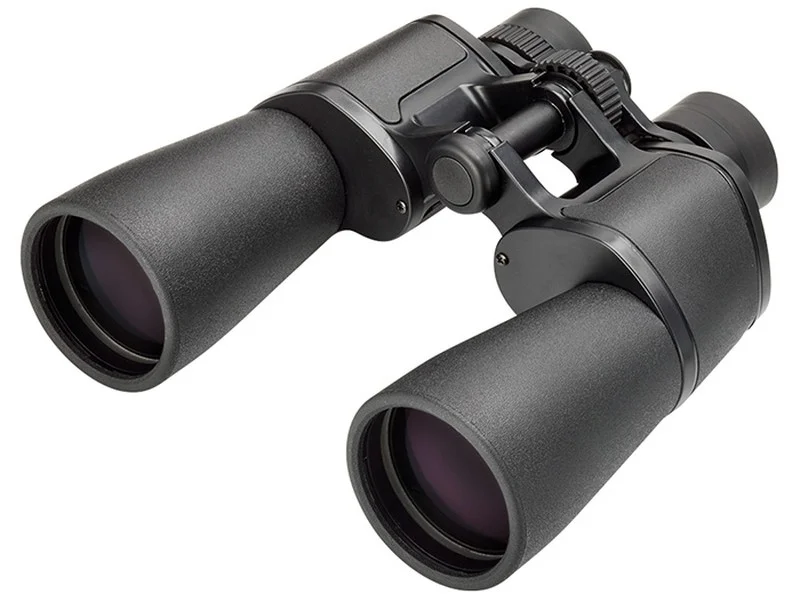
Bright and quick to aim. Enough to see the navigation lights on a drone or the phase of Venus.
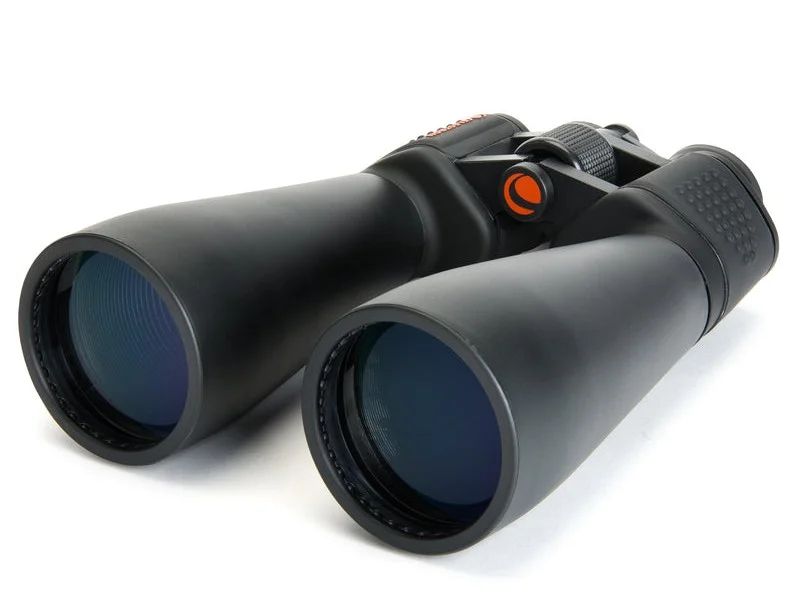
Heavier, but a balloon or a tumbling rocket body shows its real shape at 15x.
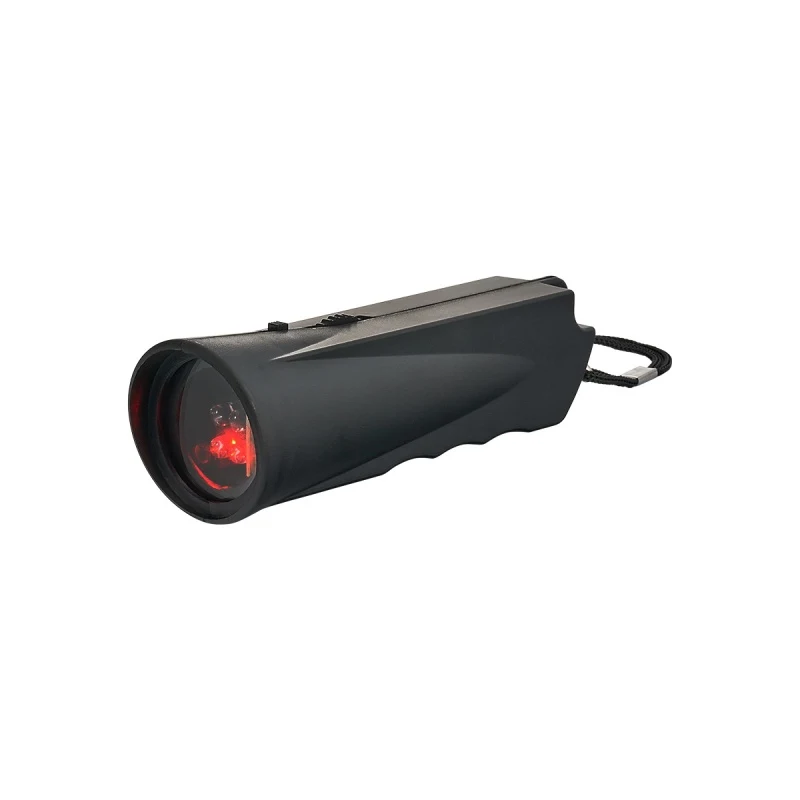
Astro Essentials Red Light Torch
Jot down times and directions without losing your dark adaptation, which is what makes a sighting report useful.
Affiliate links: you pay the same price, we earn a small commission that helps keep WatchTheStars free.
Frequently Asked Questions
Equipment guides
Related topics
Ian ClaytonAmateur astronomer and founder of WatchTheStars.co.uk, dedicated to helping others explore the wonders of our universe. Full profile →