Draconid Meteor Shower 2027 UK
Peak on the evening of Friday 8 October 2027. A small shower of slow meteors, best straight after dark, with a gibbous Moon low in the south-west until midnight.
Draconids 2027 at a glance
| Peak night | Friday 8 October 2027, with Saturday 9th a fair second choice |
|---|---|
| Best time (UK) | 8.15pm to midnight BST on the 8th, facing away from the Moon |
| Predicted maximum | About 8.30am BST on 9 October (in daylight) |
| Active | 6 to 10 October |
| Max rate (ZHR) | About 5 to 10 per hour (expect a handful from a dark UK site) |
| Moon | Waxing gibbous, 63% lit, low in the south-south-west, sets about 12.10am. Fair: it hides the faintest meteors |
| Radiant | Head of Draco, high in the west-north-west at nightfall, to the right of Vega |
| Parent body | Comet 21P/Giacobini-Zinner |
| Speed | 21 km/s (among the slowest meteors of the year) |
When is the Draconid meteor shower in 2027?
The Draconid meteor shower peaks on the evening of Friday 8 October 2027. The predicted maximum, when Earth passes closest to the centre of the dust stream, falls at about 8.30am BST on Saturday 9 October, in daylight, so the evenings either side of it are both in play. The shower is short: it is active only from 6 to 10 October, and most of the activity is packed into a day or so around the peak.
The Moon is less helpful than in 2026, when the peak fell two days before New Moon and the whole evening was dark. On 8 October 2027 it is a 63% waxing gibbous, about 15 degrees up in the south-south-west at 9pm, and it sets around midnight. If Friday is cloudy, Saturday 9 October is a fair second choice, though the Moon is fuller (72%) and sets about an hour later, around 1.20am.
What time is best to watch the Draconids in the UK?
From the UK the best time to watch the Draconids in 2027 is between about 8.15pm and midnight BST on Friday 8 October. This is the one shower of the year that rewards going out early. Most meteor showers are best before dawn, but the Draconid radiant is highest as night falls and sinks steadily from then on. At 8pm it is about 65 degrees up. By 11pm it is down to about 40 degrees, and by 2am it is only about 25 degrees above the north-north-western horizon.
The sky is fully dark by 8.14pm in London, 8.22pm in Birmingham, 8.28pm in Plymouth and 8.34pm in Edinburgh. The Moon is the complication. Keep it behind you by facing north or north-west, towards the radiant, and the brighter Draconids will still show. It sets at about 12.10am in London, midnight in Edinburgh and 12.30am in Plymouth, and the radiant is still about 30 degrees up then, so a later stint is worth it if you can stay out. For families the early evening is still the easy option: an hour in the garden after tea on a Friday, and everyone is in bed by ten.
Where to look for Draconid meteors
Draconid meteors trace back to the head of Draco the Dragon, a small lopsided box of four stars. On October evenings it sits high in the west-north-west. The easy way to find it is to start with Vega, the brilliant blue-white star very high in the west-south-west, then look about two fist-widths at arm's length to its right, at much the same height. The two brightest stars of the box are Eltanin and Rastaban, and the radiant lies just to the right of them.
You don't need to stare at it. Face west or north-west, lie back so you can see as much sky as possible, and watch a dark area 30 to 60 degrees away from the Dragon's head. Meteors near the radiant look short. The longer streaks appear further out, and because the radiant is so high at nightfall they can show up in any part of the sky. If you are still learning your way around, our stargazing for beginners guide covers finding the main stars and patterns.
How many Draconid meteors will I actually see?
Honestly, not many. In a normal year the Draconids have a ZHR of about 5 to 10, which is a small shower. From a dark UK site on the evening of 8 October 2027, with the Moon up, expect a few Draconids an hour at best, plus a few unrelated sporadic meteors. From a suburban garden it may be one or two. If you want a big count, the Orionids later in October are stronger and the Geminids meteor shower in December is in a different league.
What makes the Draconids worth an hour is their character and their history. At 21 km/s they are among the slowest meteors of the year, a third the speed of an Orionid, so each one drifts across the sky rather than flashing. And the shower has a record of surprises. In 1933 and 1946 it produced storms of thousands of meteors an hour, and there were strong outbursts in 2011 and 2018. We have not seen an outburst forecast for 2027 and will update this page if one is published, but a shower with this history is always worth an hour.
What causes the Draconid meteor shower?
The Draconid meteor shower is caused by Earth passing through dust shed by Comet 21P/Giacobini-Zinner, a small comet that orbits the Sun about every six and a half years. It is why the shower is sometimes called the Giacobinids. Each time the comet passes the Sun it leaves a fresh trail of grit along its orbit, and every October Earth crosses the region where those trails lie.
In most years we only brush the thin outer parts of the stream, which is why rates are low. The outbursts happen when Earth passes close to a dense, recent trail, usually in the years around the comet's return. The dust crosses Earth's path at a low closing speed rather than meeting it head-on, which is why Draconids are so slow. Compare that with the Orionids, debris from Halley's Comet, which meet us almost head-on at 66 km/s.
How to watch the Draconids: the honest version
Leave the telescope indoors. Meteors cross tens of degrees of sky in a second or two, and any optical aid narrows your view and guarantees you miss them. Your eyes are the right instrument. What actually matters:
- Go out early. Be outside by 8.15pm on the 8th. The radiant is highest at nightfall, so the first dark hours are the best ones. Sit with the Moon behind you.
- Check the forecast first. Our stargazing tool shows what you can see in the sky tonight and scores your local sky out of 10 for cloud, Moon and light pollution.
- Get somewhere dark. With so few meteors, a dark sky makes more difference than anything else. Our UK dark sky sites map shows the nearest good spot.
- Give your eyes 20 minutes. No phone screens. Dark adaptation is the difference between seeing one meteor and seeing five.
- Lie back and stay an hour. A deckchair or camping mat, a blanket and a flask. Meteors come in bursts and lulls, and ten minutes tells you nothing.
The waits are long with a shower this size, so plan something for them. Cygnus and the Summer Triangle are almost overhead at 9pm, and Saturn, ten days before its 18 October 2027 opposition, is about 20 degrees up in the east and climbing. Our guide to binocular astronomy shows what to sweep for, and how to see the Milky Way explains why the moonless evenings around New Moon on 29 October 2027 will be a better night for it than shower night. For everything else up that week, see the UK night sky this week.
What to take out on Draconid night
Kit we've tested and reviewed in full
You don't need optics to see meteors. But a Draconid watch means an hour or two in the garden with long gaps between meteors, and the October evening sky has plenty to fill them. See our binocular reviews for more.
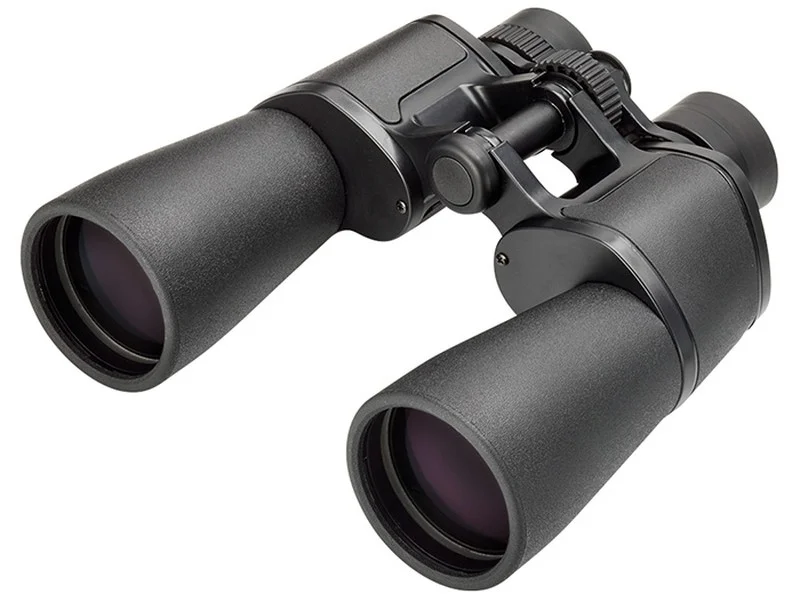
Sweep the Milky Way through Cygnus, which sits almost overhead at 9pm, then swing to Saturn low in the east. The pair we point most UK beginners to first.
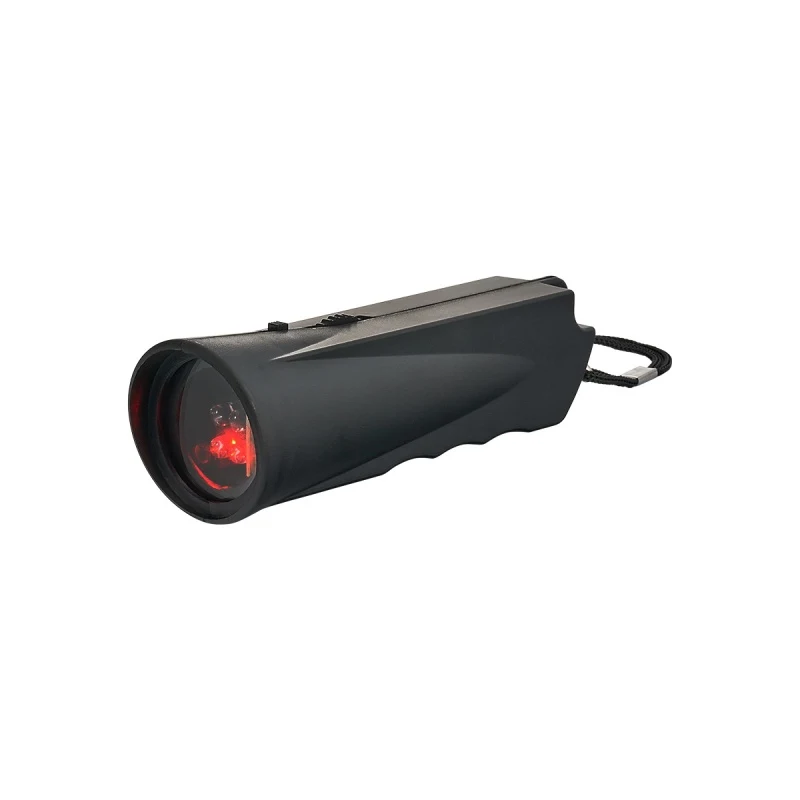
Astro Essentials Red Light Torch
A red torch lets you check the time and find the flask without resetting the 20 minutes of dark adaptation you've just spent. Cheap and worth it.
Browse all our equipment reviews
Honest, research-based recommendations for every budget.
Browse all →Affiliate links: you pay the same price, we earn a small commission that helps keep WatchTheStars free.