Orionid Meteor Shower 2026 UK
Peak night 21–22 October. Fast, bright meteors from Halley's Comet, best in the hours before dawn once the Moon has set.
Orionids 2026 at a glance
| Peak night | Wednesday 21 – Thursday 22 October 2026 |
| Best time (UK) | 3am to 5.30am BST on the 22nd, after moonset |
| Active | 2 October to 7 November |
| Max rate (ZHR) | About 20 per hour (expect 10–15 from a dark UK site) |
| Moon | Waxing gibbous, 80% lit, sets 2.47am BST (London). Fair: watch after moonset |
| Radiant | Above Betelgeuse in Orion, rising in the east around 10pm |
| Parent body | Halley's Comet (1P/Halley) |
| Speed | 66 km/s (very fast, often with glowing trains) |
When is the Orionid meteor shower in 2026?
The Orionid meteor shower peaks on the night of Wednesday 21 to Thursday 22 October 2026. Unlike the sharp peaks of the Quadrantids or Geminids, the Orionids have a broad, flat maximum: rates stay close to their best for two or three nights either side of the 21st, so a cloudy peak night isn't the end of it. The shower runs from about 2 October to 7 November, and in some years secondary peaks arrive a few days after the main one.
The catch in 2026 is the Moon. New Moon is on 10 October, so by the 21st it is a bright waxing gibbous, about 80% lit, that hangs in the sky until the early hours and washes out the fainter meteors. The fix is simple: go out late rather than early. Once the Moon sets, the sky darkens noticeably and the radiant is at its highest, so the last three hours before dawn are the ones that count.
What time is best to watch the Orionids in the UK?
From the UK the best time to watch the Orionids in 2026 is between about 3am and 5.30am BST on Thursday 22 October, after the Moon has set and before the sky starts to brighten. The Moon goes down at 2.47am in London, 2.52am in Edinburgh and 3.06am in Plymouth, and the first light of dawn arrives around 5.45am, so you have a little under three hours of properly dark sky. The radiant rises in the east around 10pm, but it is low and the Moon is up, so the evening is poor. By 4am Orion is about 40° up in the south-south-east, with Sirius blazing below it and to the left, and the radiant is about 50° up. Bright Jupiter and Mars are rising further left, in the east. That is when you'll see the most.
If a 4am start is a step too far, the practical alternative is to set an alarm for around 3am, watch for 90 minutes and go back to bed. That is a school night, so for families the Geminids in December are the better bet: they give good rates from 9pm and have almost no Moon this year.
Where to look for Orionid meteors
Orionid meteors trace back to a point just above Betelgeuse, the orange star at Orion's shoulder, near the border with Gemini. You don't need to stare at it. Face south or south-east, lie back so you can see as much sky as possible, and watch a dark area 30 to 60 degrees away from Orion. Meteors near the radiant look short; the long, dramatic streaks appear further out.
Because the radiant sits close to the celestial equator, Orionid meteors can appear anywhere in the sky, and the shower is one of the few visible equally well from both hemispheres. From the UK the highest rates come when the radiant is highest, which is in the hour before dawn twilight.
How many meteors will I actually see?
The Orionids' ZHR is about 20, which puts them in the second tier behind the Perseids and Geminids. From a dark UK site in the pre-dawn window on 22 October expect 10 to 15 an hour; from a suburban garden more like 5. What the Orionids lack in numbers they make up for in quality. At 66 km/s they are the second-fastest meteors of the year, and around a fifth of them leave glowing trains that hang in the sky for a second or two after the meteor has gone. Occasional fireballs are part of the deal, too.
The Orionids also have form for surprises. Between 2006 and 2009 they produced rates of 50 to 70 an hour for several years running, thanks to old dust trails from Halley's Comet drifting into Earth's path. Nothing like that is predicted for 2026, but it's one reason experienced observers never skip them.
What causes the Orionid meteor shower?
The Orionid meteor shower is caused by Earth passing through the trail of dust left by Halley's Comet. Every 75 to 79 years the comet swings through the inner solar system and sheds grit along its orbit, and Earth crosses that trail twice a year: in October for the Orionids and in May for the Eta Aquariids. Because the comet orbits backwards relative to Earth, its dust hits us almost head-on, which is why Orionid meteors are so fast.
Halley itself won't be back until 2061, but you can watch pieces of it burn up every autumn. The grains you see are typically the size of a grain of sand and were shed centuries ago; the comet's most recent visit in 1986 laid down dust that won't reach Earth's orbit for hundreds of years yet.
How to watch the Orionids: the honest version
Leave the telescope indoors. Meteors cross tens of degrees of sky in under a second, and any optical aid narrows your view and guarantees you miss them. Your eyes are the right instrument. What actually matters:
- Go out after moonset. In 2026 that means the small hours of the 22nd. An hour under a dark sky beats three under a gibbous Moon.
- Check the forecast first. Our stargazing tonight tool scores your local sky out of 10 for cloud, Moon and light pollution. With a broad peak, the 20th or 23rd can be just as good if the 21st is cloudy.
- Give your eyes 20 minutes. No phone screens. Dark adaptation is the difference between seeing three meteors and fifteen.
- Lie back and dress warm. A camping mat or deckchair, a blanket, a flask. Late October pre-dawn is colder than it looks, and cold ends more meteor watches than cloud does.
- Stay out for an hour. Meteors come in bursts and lulls. Ten minutes tells you nothing.
While you wait, the pre-dawn October sky is one of the best of the year: Orion, Sirius, the Pleiades and Jupiter are all up, and the Orion Nebula is an easy binocular target. Our guide to binocular astronomy shows you where to find them, and if the sky is really dark you may catch the winter Milky Way arching overhead.
What to take out on Orionid night
Kit we've tested and reviewed in full
You don't need optics to see meteors. But an Orionid watch means two or three pre-dawn hours in late October with quiet spells between meteors, and the sky around Orion is full of things worth a look. See our binocular reviews for more.
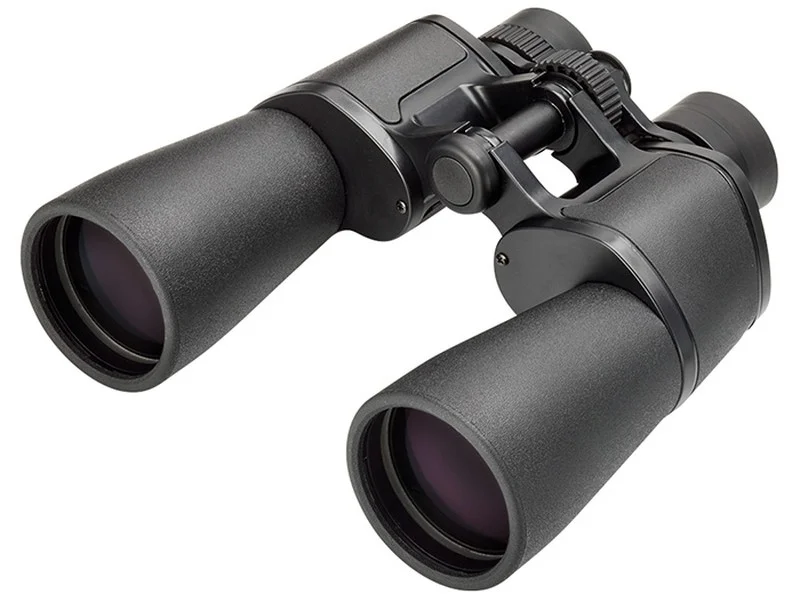
The Orion Nebula, the Pleiades and the Hyades are all easy in a 10×50 from a dark site, and Jupiter's four big moons show as a neat line of dots. The pair we point most UK beginners to first.
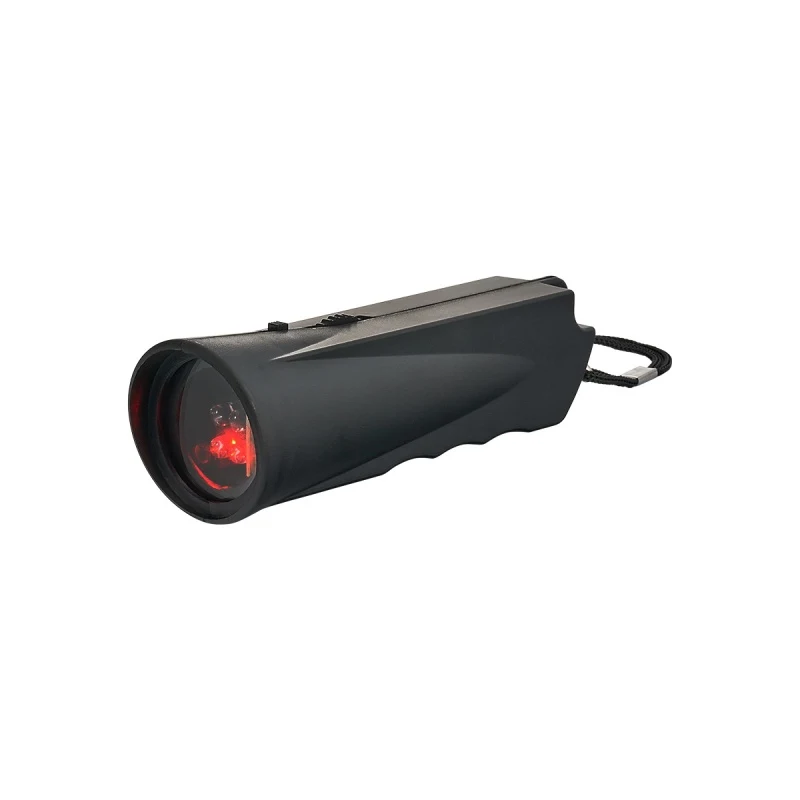
Astro Essentials Red Light Torch
A red torch lets you check the time and find the flask without resetting the 20 minutes of dark adaptation you've just spent. Cheap and worth it.
Browse all our equipment reviews
Honest, research-based recommendations for every budget.
Browse all →Affiliate links: you pay the same price, we earn a small commission that helps keep WatchTheStars free.