Full Moon January 2027: The Wolf Moon
Friday 22 January at 12:17 GMT. UK moonrise times, what the name means, and every January full Moon to 2028.
The January 2027 full Moon, the Wolf Moon, is on Friday 22 January 2027 at 12:17 GMT. It rises at about 16:35 in London, 16:35 in Birmingham and 16:25 in Edinburgh that evening, and looks full to the eye the night before and the night after. It is a supermoon, about 357,655 km away, so it looks slightly larger and brighter than average. For the one coming up next, whatever the month, see when is the next full moon.
Wolf MoonSupermoon
Friday 22 January 2027 · full at 12:17 GMT · 357,655 km away
Moonrise on the evening of Friday 22 January; moonset the next morning at about 08:40 (Birmingham). Rounded to five minutes; hills and buildings on your horizon move them.
Why is the January full Moon called the Wolf Moon?
The Wolf Moon is named for wolves heard howling in the hungry depths of midwinter. The names are folklore rather than astronomy: most come from the Algonquian peoples of north-eastern North America, were adopted by colonial settlers and were popularised by the Maine Farmers' Almanac from the 1930s onwards. Our full moon names guide covers all twelve and the blue moons and supermoons that sometimes join them.
Full moon January dates: 2026 to 2028
| Year | Full Moon (UK time) | Name | Moonrise Birmingham | Notes |
|---|---|---|---|---|
| 2026 | Saturday 3 January 2026, 10:03 GMT | Wolf Moon | about 15:50 | |
| 2027 | Friday 22 January 2027, 12:17 GMT | Wolf Moon | about 16:35 | Supermoon, 357,655 km |
| 2028 | Wednesday 12 January 2028, 04:03 GMT | Wolf Moon | about 16:50 | Supermoon, 360,277 km |
The Moon takes 29.5 days to go from one full Moon to the next, so each year's January full Moon falls about 11 days earlier than the year before, then jumps forward again once a thirteenth full Moon has squeezed in.
The January full Moon in the UK sky
January's full Moon rides high in the sky, higher than at any other time of year, because the full Moon sits opposite the Sun and the winter Sun is low. It is also the brightest-looking of the year for the same reason. The Quadrantid meteor shower peaks in the first week of January, so a full Moon near that date wipes out most of them. For what else is up this week, see the UK night sky this week, and check cloud for your postcode with our stargazing tonight tool before you go out.
Is the January 2027 full Moon a supermoon?
Yes. At the moment it is full the Moon is about 357,655 km from Earth, inside the nearest tenth of the Moon's distance range (closer than about 361,500 km), the rule this site uses. A supermoon looks about 7% wider and 15% brighter than an average full Moon, which is real but hard to notice without a photo to compare. Distances come from the same lunar calculation as the dates above; a supermoon is a matter of definition, not a different kind of Moon.
How to see and photograph the Wolf Moon
- Watch it rise. Face east ten minutes before the moonrise time above, with a low horizon. Near the horizon the Moon looks enormous (the Moon illusion) and often deep orange.
- Look the night before or after if you want detail: at full the Moon is flat and shadowless, but a day either side the terminator returns and craters along it throw long shadows. Our Moon page says what to look for.
- Photograph it with a phone on a tripod or any camera: a moonrise over a landscape is the easiest astrophoto there is. Settings are in our guide to photographing the Moon.
- Save the faint stuff for new Moon. A full Moon washes out the Milky Way, galaxies and all but the brightest meteor showers; the darkest week of the month is around the new Moon, listed on our moon phase tonight page.
Kit for a full Moon night
Kit we've reviewed in full
No equipment needed for the Moon itself, but binoculars turn the bright disc into a landscape and a moon filter makes a telescope view comfortable. See our best binoculars for stargazing for more.
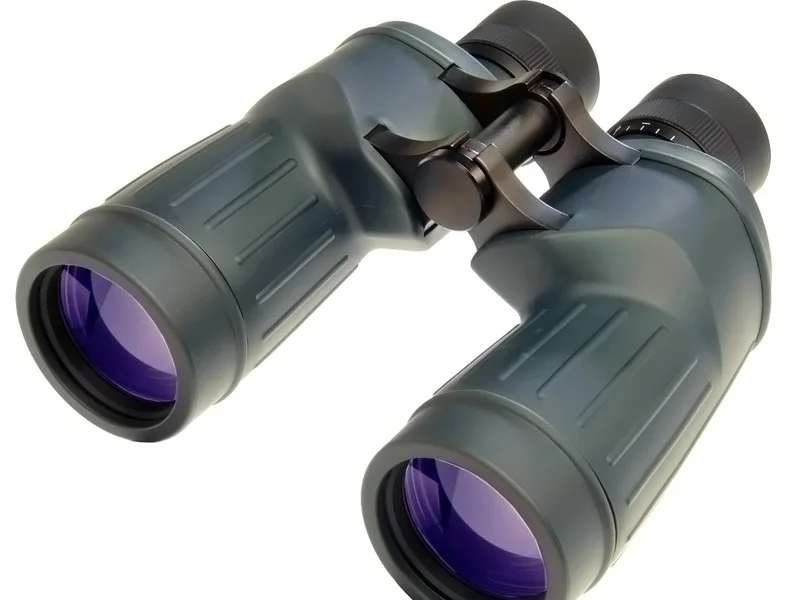
Sharp 10×50s that show the dark seas, the bright southern highlands and Tycho's rays, the features that stand out best around full Moon.
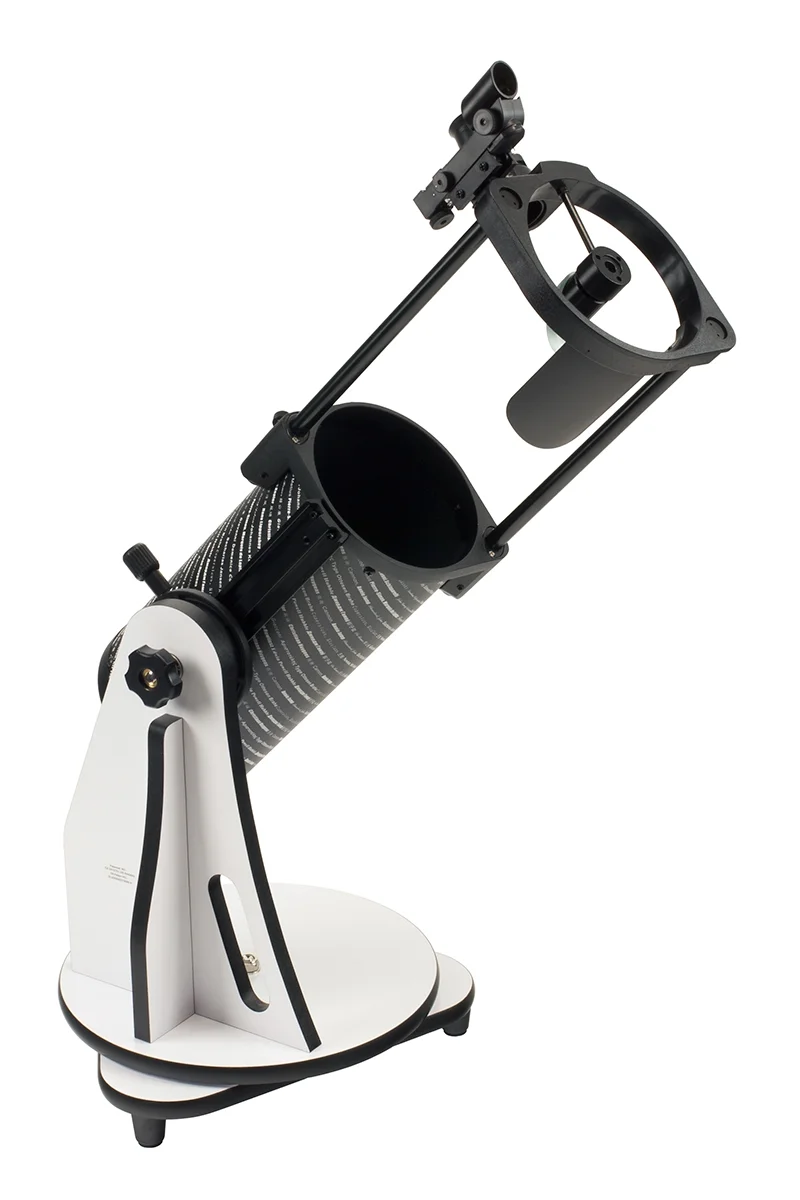
At 65× the Moon fills the eyepiece. The nights just before and after full, when the shadows are back, are when it looks its best.
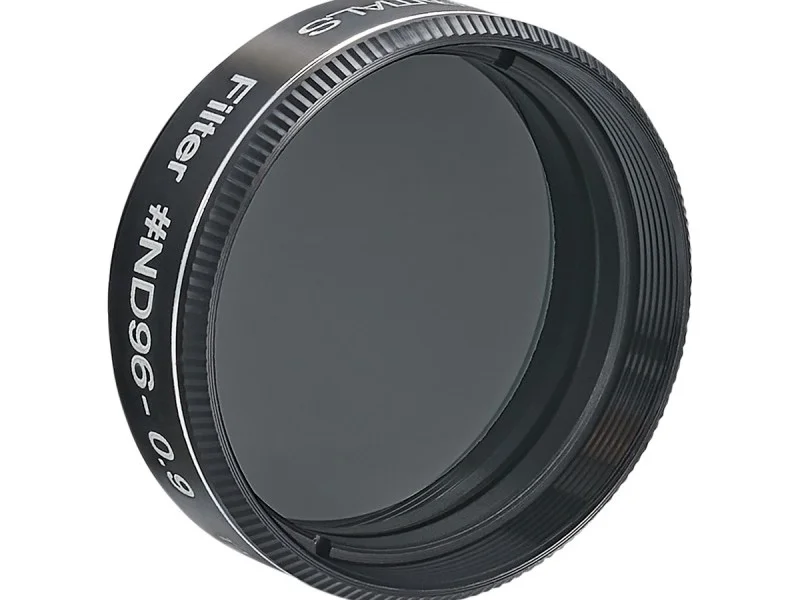
Astro Essentials ND96 Moon Filter
Screws onto any 1.25-inch eyepiece and cuts the dazzle of a bright Moon so the detail comes through.
Affiliate links: you pay the same price, we earn a small commission that helps keep WatchTheStars free.