Night sky May 2027 UK: planets, Moon and meteor showers
What to see from Britain in May 2027, with times worked out for UK skies rather than copied from American guides.
May nights are short and by the end of the month the sky in Scotland never gets truly dark. Mercury, Mars and Jupiter are in the evening sky in mid-May 2027. The full Moon, the Flower Moon, is on Thursday 20 May 2027. The Eta Aquariids peak on the night of 5 to 6 May, with the Moon 0% lit.
May 2027 night sky: key dates
| Date | What's happening |
|---|---|
| Wednesday 5 May | Eta Aquariids meteor shower peaks on the night of 5 to 6 May (Moon 0% lit) |
| Thursday 6 May | New Moon at about 12:00 BST |
| Wednesday 12 May | The Moon passes near Jupiter in the evening |
| Thursday 13 May | First Quarter at about 05:45 BST |
| Thursday 13 May | The Moon passes near Mars in the evening |
| Thursday 20 May | Full Moon, the Flower Moon at about 12:00 BST |
| Thursday 27 May | Uranus passes behind the Sun (conjunction) and can't be seen |
| Friday 28 May | Last Quarter at about 14:55 BST |
| Friday 28 May | Mercury at greatest eastern elongation, 23° from the Sun in the evening sky |
Times are UK local time, rounded to five minutes. For what's up on a particular night, see the UK night sky this week and the 7-night astronomy weather forecast.
When does it get dark in May in the UK?
On 15 May the Sun sets at about 20:55 BST in central England and the sky is dark enough for stargazing from about 22:40 until 03:30. True astronomical darkness, which faint galaxies and the Milky Way need, lasts from about 00:25 to 01:45.
| Date | Sunset | Dark enough to stargaze | Astronomical darkness |
|---|---|---|---|
| 1 May | 20:35 BST | 22:05 to 04:05 | 23:10 to 02:55 |
| 15 May | 20:55 BST | 22:40 to 03:30 | 00:25 to 01:45 |
| 31 May | 21:20 BST | 23:20 to 02:50 | None: twilight all night |
For Birmingham. "Dark enough" means the Sun is 12° below the horizon; astronomical darkness means 18°. Around midsummer it never gets that dark in Edinburgh or anywhere further north. In midwinter Edinburgh is dark about 5 minutes earlier than Birmingham and Plymouth about 15 minutes later; in spring and autumn the whole country is within about 15 minutes of these times.
Planets visible in May 2027
Mercury, Mars and Jupiter are in the evening sky in mid-May 2027. The details below are for 15 May from central England; times move by a few minutes from night to night.
Not well placed this month: Venus, Saturn, Uranus, Neptune.
Moon phases May 2027
| Phase | Date and time |
|---|---|
| New Moon | Thursday 6 May, about 12:00 BST |
| First Quarter | Thursday 13 May, about 05:45 BST |
| Full Moon | Thursday 20 May, about 12:00 BST |
| Last Quarter | Friday 28 May, about 14:55 BST |
The best evenings for faint targets this month are 1 to 8 and 22 to 31 May, when the Moon is out of the sky for at least the first hour after dark. The full Moon is the Flower Moon; our moon phase tonight page shows the Moon for any night.
Meteor showers in May 2027
- Eta Aquariids: peak on the night of 5 to 6 May. Up to 50 an hour under a perfectly dark sky with the radiant overhead; from a UK garden expect a fraction of that. The Moon is new (0% lit) and stays out of the way all night.
For a quick verdict on any night, see is there a meteor shower tonight, and the UK meteor shower calendar for the year ahead.
Constellations and deep-sky objects in May
Arcturus in Boötes is high in the south, Leo heads into the west, and Hercules and Vega rise in the east later in the evening.
- The Great Globular Cluster in Hercules (M13), a fuzzy ball in binoculars late in the evening
- Mizar and Alcor, the double star in the Plough's handle
- Coma Berenices, a loose cluster of faint stars best in binoculars
To find your way around, our constellation guides show each star pattern, and binocular astronomy explains how to star-hop to clusters like these. For the darkest skies near you, try the UK dark sky sites map.
Kit for a month of stargazing
Kit we've reviewed in full
Nothing on this page needs more than your eyes, but a star chart and a red light make finding things far easier, and binoculars show the Moon's craters, Jupiter's moons and the best star clusters.
Philip's Planisphere (latitude 51.5° North)
Turn the wheel to the date and time and it shows exactly which constellations are up. Made for 51.5° north, so it matches the sky over Britain.
Lepro Rechargeable Head Torch with Red Light (2 pack)
Red light lets you read a chart without undoing the 20 minutes your eyes need to adapt to the dark.
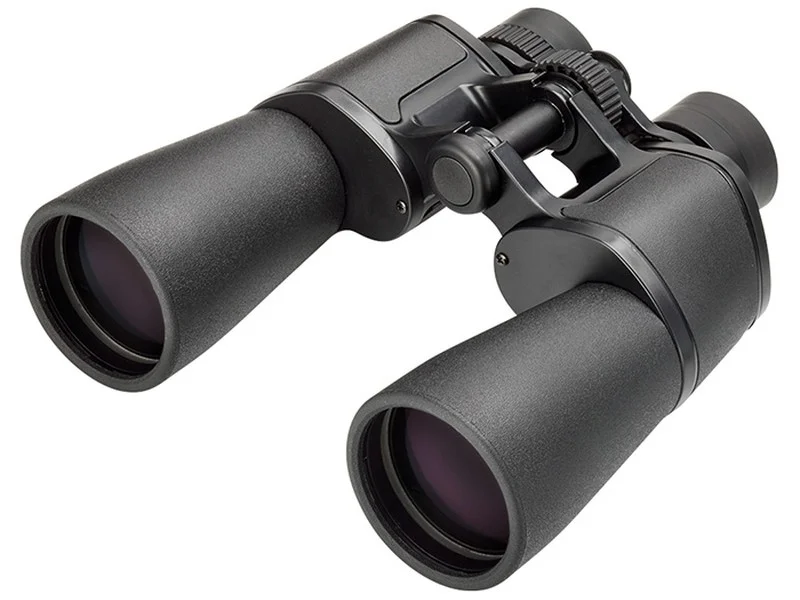
The UK astronomy forums' standard first pair: waterproof, bright and the right size for clusters, the Moon and the Milky Way.
Our best binoculars for stargazing
Honest, research-based recommendations for every budget.
Browse all →Affiliate links: you pay the same price, we earn a small commission that helps keep WatchTheStars free.
Every figure on this page is calculated for central England (52.5° north) when the site rebuilds each night, using the same methods as our stargazing tonight tool, checked against the JPL ephemeris. Each month's page moves on to the following year once the month ends.