Stargazing by region · Northumberland · Updated 6 November 2026
Stargazing in Northumberland: Where to Go and What You'll See
The best stargazing in Northumberland is in Kielder Forest and Northumberland National Park (Bortle 2, the largest Gold Tier Dark Sky Park in Europe), at the Stonehaugh Stargazing Pavilion (Bortle 2 to 3) and at Cawfields on Hadrian's Wall (Bortle 3). Kielder Observatory runs ticketed events most nights of the year, and the coast at Bamburgh is one of England's best spots for the northern lights. Enter a postcode to rank the eight Northumberland sites by distance.
Dark sky sites in Northumberland: map
Driving times are rough estimates and distances are straight-line. Check access and opening before you travel; most Discovery Sites are simple car parks with no facilities.
Best dark sky sites in Northumberland
Northumberland National Park and Kielder Water and Forest Park together form the largest Gold Tier International Dark Sky Park in Europe, certified in 2013, with Bortle 2 skies at the core. The eight sites below are pulled from our UK dark sky sites map, sorted darkest first: forest car parks, Roman forts, a free stargazing pavilion and a stretch of coast.
Kielder is the obvious first stop. Kielder Observatory, on Black Fell above the reservoir, runs ticketed events most nights of the year; book well ahead for winter weekends and new moon. If you would rather have the sky to yourself, the Stonehaugh Stargazing Pavilion in the forest village of Stonehaugh is a free, open-sided shelter with a car park and a Bortle 2 to 3 sky, and the forest drive car parks around Kielder Water are open all night.
Hadrian's Wall gives you darkness with a view. The English Heritage car parks at Cawfields and Housesteads are Dark Sky Discovery Sites, and the Wall running along the Whin Sill makes a foreground that no other dark sky site in Britain can match. Further north, the Simonside Hills car park near Rothbury and the Harthope Valley below the Cheviot are Bortle 2 to 3 and far quieter. The coast around Bamburgh is brighter at Bortle 3 to 4, but it looks north over open sea, which is what you want for the aurora.
| Site | Designation | Bortle | Getting there | Map |
|---|---|---|---|---|
| Northumberland National Park & Kielder Water Forest Park Park | Gold Tier International Dark Sky Park (2013) | 2 | Multiple forest and moorland car parks across the park; the largest Gold Tier Dark Sky Park in Europe. | Directions |
| Kielder Observatory Observatory | Public observatory, ticketed stargazing events | 2 | On-site car park; booking required for events. | Directions |
| The Cheviot Dark site | Highest point in the Cheviot Hills, within Northumberland Dark Sky Park | 2 | Remote hill walk; nearest parking at Harthope Valley or Langleeford. | Directions |
| Stonehaugh Stargazing Pavilion Discovery Site | Dark Sky Discovery Site | 2-3 | Free pavilion and car park in the Kielder Forest village of Stonehaugh. | Directions |
| Cawfields, Hadrian's Wall Discovery Site | Dark Sky Discovery Site | 3 | English Heritage car park off the B6318, NE49 9PJ. | Directions |
| Housesteads Roman Fort Discovery Site | Dark sky viewing spot within Northumberland Dark Sky Park | 3 | English Heritage car park off the B6318, NE47 6NN. | Directions |
| Simonside Hills Discovery Site | Popular viewpoint within Northumberland Dark Sky Park | 3 | Free Forestry Commission car park off the B6342 near Rothbury. | Directions |
| Northumberland Coast (Bamburgh) Dark site | Dark coastal skies near Bamburgh Castle | 3-4 | Beach car parks along the coast road; check tide times. | Directions |
Bortle ratings are typical for a clear moonless night; designations are as listed on DarkSky International's register.
When is the best time to go stargazing in Northumberland?
The best time to go stargazing in Northumberland is from September to March, when the nights are long and Kielder's sky reaches full darkness. This far north the sky never gets fully dark from mid May to late July, so a summer visit shows planets and a fine twilight but not the Bortle 2 sky the park is known for.
The Milky Way season for Northumberland runs from late July to October. On August and September evenings the bright band through Cygnus passes overhead, and from Kielder it is bright enough to show dark lanes to the naked eye. The galactic core in Sagittarius stays over the southern horizon, so a site with an open view south, such as the Wall at Cawfields or the Simonside car park, shows it best. Our guide to how to see the Milky Way from the UK has the method.
Go in the week either side of new moon and check is it a full moon tonight before you book the observatory, because a full moon turns a Bortle 2 forest into a Bortle 5 one. The Perseids in August and the Geminids in December are the two meteor showers worth a special trip, and Kielder's wide horizons suit them; our calendar of the next meteor shower in the UK has every peak date.
Northumberland is one of the best places in England for the northern lights. The coast from Bamburgh north to Holy Island and Berwick looks out over open sea with nothing to the north but Scotland, and in a moderate storm the aurora shows as a green glow on the horizon from the beach car parks. In a strong storm it reaches Kielder and the Cheviots as curtains and rays. Check northern lights tonight for the live reading and our UK aurora forecast for the nights ahead. Activity peaks around the September and March equinoxes.
What can you see from Northumberland's dark skies?
From Kielder on a clear moonless night you can see the Milky Way, the Andromeda Galaxy, the Double Cluster in Perseus and, in spring and autumn, the zodiacal light, all with the naked eye. Several thousand stars are visible, and familiar shapes like Cassiopeia and the Plough in Ursa Major get harder to pick out because of all the stars around them.
Binoculars show the Pleiades, the Beehive Cluster and the star clouds of the summer Milky Way. A small telescope adds Saturn's rings, Jupiter's moons, the Orion Nebula in winter and dozens of globular clusters and galaxies that a town sky swallows. The observatory's own telescopes go much deeper on an event night. For what is up on any given night, our stargazing tonight page is recalculated for the UK every day, and ISS passes tonight lists when the space station crosses the sky.
Astronomy clubs in Northumberland
There are four astronomy societies in Northumberland and Tyne and Wear in our directory. All hold monthly talks through the winter, run observing nights and welcome beginners without a telescope.
- Kielder Observatory Astronomical SocietyKielder Observatory, Kielder Village, Northumberland
- Newcastle Astronomical SocietyRed Cross Centre, Croft House, Western Avenue, Newcastle, Tyne and Wear, NE4 8SR
- Northumberland Astronomical SocietyThe Trap, North Broomhill, Northumberland, NE65 9UT
- Sunderland Astronomical SocietyTyne and Wear
Northumberland Astronomical Society meets at North Broomhill near Amble, Kielder Observatory Astronomical Society is the volunteer body behind the observatory, and Newcastle and Sunderland societies are the ones to join if you live in the cities and want a lift to the dark. The full list, with a map, is on our astronomy clubs UK directory.
Where to stay for stargazing in Northumberland
Kielder has the best choice of dark-sky-friendly accommodation in England. Kielder village, Falstone, Stonehaugh and the lodges around the reservoir have cabins, cottages, a youth hostel and campsites, and many of them advertise outside lights off, sky charts and loan binoculars. Bellingham, the nearest town, has pubs, a campsite and a few B&Bs with a 20-minute drive to the forest. Book inside the park rather than in Hexham, so a clear spell at midnight means stepping outside rather than driving.
Along Hadrian's Wall, Once Brewed and Haltwhistle have a youth hostel, inns and B&Bs within walking distance of Cawfields. In the north, Rothbury, Wooler and the Harthope Valley have B&Bs and holiday cottages for the Simonside and Cheviot sites, and the coast from Bamburgh to Seahouses has plenty of beds, though pick one away from the village street lights.
Practical points: Kielder is a long way from anywhere, 50 minutes from Hexham on roads with no lighting, so drive in before dark the first time and fill up with fuel beforehand. Winter weather on the Cheviots is serious; the observatory cancels for snow and ice, so check its website on the day. Mobile signal is patchy or absent in the forest; download maps and star charts first. Our stargazing tips page covers clothing, dark adaptation and red light.
What to take to a dark sky site
Kit we've reviewed in full
A dark sky is the biggest upgrade there is, and the Milky Way needs no kit at all. These three cover the first few trips: binoculars that show hundreds of extra stars, a telescope that fits in a boot, and a red torch so you keep your night vision. See our best binoculars for stargazing guide for more.
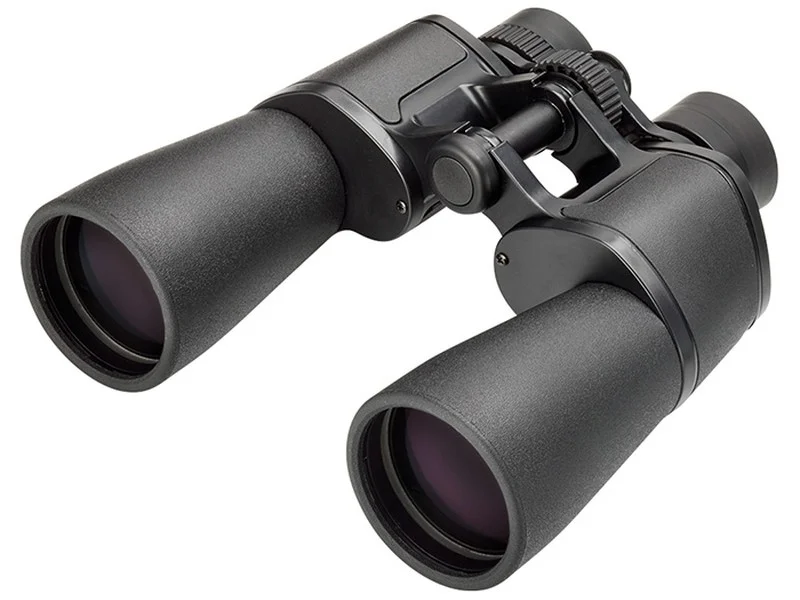
A 10×50 hangs round your neck all night and shows the Andromeda Galaxy, the Double Cluster and the star clouds of the Milky Way from any Bortle 2 or 3 site.
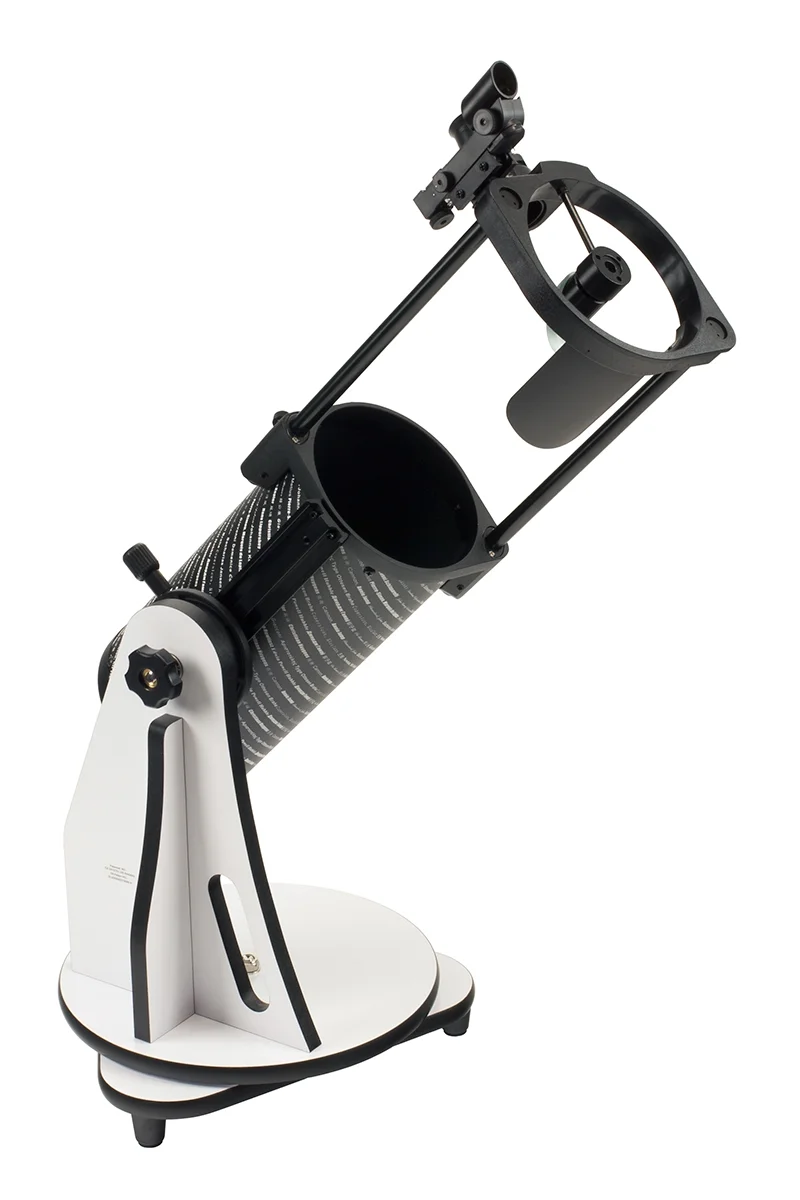
Collapses to fit a car boot or a rucksack. 130mm of aperture shows Saturn's rings, Jupiter's moons and dozens of deep-sky objects from a dark site.
Lepro Rechargeable Head Torch with Red Light (2 pack)
Two red modes on their own switch, USB rechargeable, hands free. White light is the one thing that gets you tutted at in a dark sky car park.
Browse all our equipment reviews
Honest, research-based recommendations for every budget.
Browse all →Affiliate links: you pay the same price, we earn a small commission that helps keep WatchTheStars free.
A Bortle 2 sky needs no equipment, and on an observatory night the telescopes are provided. For your own nights in the forest we would take binoculars first: the Opticron Adventurer 10x50, around £84, shows more from Kielder than a telescope shows from Newcastle. If you want a telescope that travels, the Sky-Watcher Heritage 130P collapses to fit a boot and sets up in a minute. Taking children? Our guide to the best telescope for a child covers options that survive a cabin holiday, and stargazing for beginners explains the first things to find.