Stargazing by region · Wales · Updated 6 November 2026
Stargazing in Wales: Where to Go and What You'll See
The best stargazing in Wales is at the Elan Valley (Bortle 2 to 3, an International Dark Sky Park), Usk Reservoir in Bannau Brycheiniog (Bortle 2 to 3, the darkest spot in the Brecon Beacons Dark Sky Reserve) and Ynys Enlli, Bardsey Island (Bortle 1 to 2, Europe's first Dark Sky Sanctuary). Wales has two Dark Sky Reserves, a Dark Sky Park, a Sanctuary and two Dark Sky Communities, all within three hours of Cardiff or Manchester. Enter a postcode to rank the twelve Welsh sites by distance.
Dark sky sites in Wales: map
Driving times are rough estimates and distances are straight-line. Check access and opening before you travel; most Discovery Sites are simple car parks with no facilities.
Best dark sky sites in Wales
Wales protects more of its night sky, for its size, than any other country in Britain: Bannau Brycheiniog and Eryri are International Dark Sky Reserves, the Elan Valley is a Dark Sky Park, Ynys Enlli is a Dark Sky Sanctuary, and Presteigne and Norton and the Gower are Dark Sky Communities. The twelve sites below come from our UK dark sky sites map, sorted darkest first.
Bannau Brycheiniog, the Brecon Beacons, was certified as a Dark Sky Reserve in 2013 and is the easiest dark sky in Wales to reach: under an hour from Cardiff, two from Bristol and Birmingham. Usk Reservoir, on the western edge of the park, is regarded as the darkest spot in the reserve. The National Park Visitor Centre above Libanus runs guided stargazing evenings and has a large free car park, and Llanthony Priory in the Black Mountains gives you ruins against a Bortle 3 sky. Craig-y-nos Country Park and Sugar Loaf are both well used by local societies.
The Elan Valley in Powys is the dark heart of mid Wales: 70 square miles of reservoirs and moorland with a Bortle 2 to 3 sky and a visitor centre car park that stays open at night. Eryri, Snowdonia, became a Reserve in 2015; the lakeside car park at Llyn Geirionydd above Betws-y-Coed is the spot most people use. Ynys Enlli needs a boat from Porth Meudwy near Aberdaron and an overnight stay, but it was the first Dark Sky Sanctuary in Europe and there is no street lighting on the island at all. Pembrokeshire Coast National Park has its own string of Dark Sky Discovery Sites along the coast, though none is on our map yet.
| Site | Designation | Bortle | Getting there | Map |
|---|---|---|---|---|
| Ynys Enlli (Bardsey Island) Sanctuary | International Dark Sky Sanctuary (2023) | 1-2 | Reached by boat from Porth Meudwy near Aberdaron; National Trust car park at the top of the track down to the cove, LL53 8DA. | Directions |
| Bannau Brycheiniog (Brecon Beacons), Usk Reservoir Reserve | International Dark Sky Reserve (2013) | 2-3 | Small free car park at the reservoir, regarded as the darkest spot in the park. | Directions |
| Elan Valley Park | International Dark Sky Park (2015) | 2-3 | Visitor centre car park, £3/day, LD6 5HP. | Directions |
| Brecon Beacons Mountain Centre Discovery Site | National Park Visitor Centre, guided stargazing events | 3 | Large free car park above Libanus, LD3 8ER. | Directions |
| Craig-y-nos Country Park Discovery Site | Dark Sky Discovery Site | 3 | Pay-and-display car park off the A4067. | Directions |
| Llanthony Priory Discovery Site | Popular Black Mountains stargazing spot | 3 | Small car park by the priory ruins. | Directions |
| Eryri National Park (Snowdonia), Llyn Geirionydd Reserve | International Dark Sky Reserve (2015) | 3 | Car park with toilets at the lake, LL27 0YX. | Directions |
| South Stack, Anglesey Discovery Site | Popular Anglesey stargazing spot | 3 | RSPB South Stack car park; night access outside normal hours by prior arrangement or event. | Directions |
| Sugar Loaf Discovery Site | Popular Bannau Brycheiniog stargazing summit | 3-4 | National Trust car park off the Mynydd Llanwenarth road, NP7 7LA. | Directions |
| Spaceguard Centre Observatory | UK national near-Earth object monitoring centre and observatory | 3-4 | Llanshay Lane, Knighton LD7 1LW; on-site car park. | Directions |
| Gower National Landscape (Rhossili) Community | International Dark Sky Community (2025) | 4 | Rhossili Bay National Trust car park. | Directions |
| Presteigne & Norton Community | International Dark Sky Community (2024) | 4 | Small rural town on the England-Wales border; on-street parking. | Directions |
Bortle ratings are typical for a clear moonless night; designations are as listed on DarkSky International's register.
When is the best time to go stargazing in Wales?
The best time to go stargazing in Wales is from September to March, when the nights are long and the Milky Way, the winter constellations and the two big meteor showers all fall inside the dark-sky season. Welsh summer nights are short and never fully dark from late May to mid July, so a midsummer trip to the Elan Valley will show you a fine twilight sky but not the deep darkness the Bortle rating promises.
The Milky Way season for Wales runs from late July to October. On August and September evenings the bright band through Cygnus passes overhead, and from Ynys Enlli or the Elan Valley it is bright enough to cast a faint shadow. The galactic core in Sagittarius stays over the southern horizon in July and August, so a site with an open view south, such as the Gower coast or the south side of Bannau Brycheiniog, shows it best. Our guide to how to see the Milky Way from the UK has the method and the mistakes to avoid.
Pick the week either side of new moon. A full moon turns a Bortle 2 valley into a Bortle 5 one, and the drive over the Cambrian Mountains is wasted under moonlight. Check is it a full moon tonight before you book. For meteors, the Perseids in August and the Geminids in December are the two worth a special trip; our calendar of the next meteor shower in the UK has every peak date.
What can you see from the dark skies of Wales?
From a Bortle 2 or 3 site in Wales you can see the Milky Way, the Andromeda Galaxy, the Double Cluster in Perseus and, in spring and autumn, the zodiacal light as a faint cone after dusk or before dawn. A sky that dark shows several thousand stars, and familiar shapes like Cassiopeia and the Plough in Ursa Major get harder to pick out because of all the stars around them.
Binoculars turn the Pleiades into a jewel box, resolve the Beehive Cluster and break the summer Milky Way into individual stars. A small telescope adds Saturn's rings, Jupiter's moons, the Orion Nebula in winter and the globular clusters of summer. For what is up on any given night, our stargazing tonight page is recalculated for the UK every day, and ISS passes tonight tells you when the space station crosses a Welsh sky.
Astronomy clubs in Wales
There are 16 astronomy societies in Wales in our directory, from Anglesey to Monmouthshire. Most run monthly winter talks and public observing nights, and all welcome beginners.
- Abergavenny Astronomy SocietyThe King's Head Public House, 59 Cross Street, Abergavenny, Monmouthshire, NP7 5EU
- Anglesey Astronomical SocietyIsle of Anglesey
- Barry Astronomical SocietyThe Community Centre, 23 St Teilo Ave, Barry, Glamorgan, CF62 8BP
- Bridgend Astronomical SocietyBridgend Tennis and Bowls Club, Church Road, Bridgend, CF31 3AZ
- Cardiff Astronomical SocietyGlamorgan
- Carmarthenshire Astronomy ClubPen-Y-Mynydd Viewpoint, Trimsaran, Carmarthenshire, SA17 4BS
- Gwynedd Astronomical SocietyBrwynog, Ffordd yr Orsaf, Llanrug, Gwynedd, Gwynedd, LL55 4AG
- Heads of the Valley Astronomical SocietyLearning Action Centre, James Street, Ebbw Vale, Blaenau Gwent
- Marches Astronomy GroupThe Spaceguard Centre, Llanshay Lane, Knighton, Powys, LD7 1LW
- Mid Wales AstronomyMaesycoed, Trawscoed, Aberystwyth, Ceredigion
- Monmouth Astronomical Research Society (MARS)Monmouth Boys School, Monmouth, Monmouthshire, NP25 3XP
- Newtown Astronomy SocietyThe Crypt, Newtown Catholic Church, Long Bridge St., Newtown, Powys, SY16 2BJ
- North Wales Astronomy SocietyLlanelian Community Centre, Conwy
- Preseli Astronomy GroupLetterston Memorial Hall, Pembrokeshire
- Swansea Astronomical SocietyFairwood playing fields, University College of Swansea, Glamorgan
- Usk Astronomical SocietyUsk Adult Education Centre, Usk, Monmouthshire, NP15 1AE
Abergavenny and Usk astronomical societies both observe inside Bannau Brycheiniog, Gwynedd and North Wales societies cover Eryri, and the Marches Astronomy Group meets at the Spaceguard Centre near Knighton, the UK's near-Earth object observatory. The full list, with a map, is on our astronomy clubs UK directory.
Where to stay for stargazing in Wales
Bannau Brycheiniog has the widest choice of dark-sky-friendly accommodation in Wales: farm B&Bs, bunkhouses and campsites around Brecon, Libanus, Crickhowell and the Black Mountains, several of which switch their outside lights off and keep a sky chart by the door. The Elan Valley has a few cottages and the Elan Valley Lodge, with Rhayader five minutes away for pubs and shops. Eryri has more beds than anywhere in Wales, but choose a village away from the A5 and Betws-y-Coed's street lights if the sky is the point of the trip.
Ynys Enlli is different. The island's cottages are let by the week through the Bardsey Island Trust, the boat runs only when the sea allows, and day trips rarely leave you on the island after dark. Book a long way ahead and treat a cancelled crossing as part of the deal.
Practical points: Welsh weather comes off the Atlantic, so the east side of a mountain range is drier than the west and a forecast of showers on the coast can mean a clear sky in the Elan Valley. Mountain roads over the Cambrians and through Eryri can close in snow. Mobile signal is poor at most sites, so download maps and star charts before you set off, and tell someone where you are going. Our stargazing tips page covers clothing, dark adaptation and red light.
What to take to a dark sky site
Kit we've reviewed in full
A dark sky is the biggest upgrade there is, and the Milky Way needs no kit at all. These three cover the first few trips: binoculars that show hundreds of extra stars, a telescope that fits in a boot, and a red torch so you keep your night vision. See our best binoculars for stargazing guide for more.
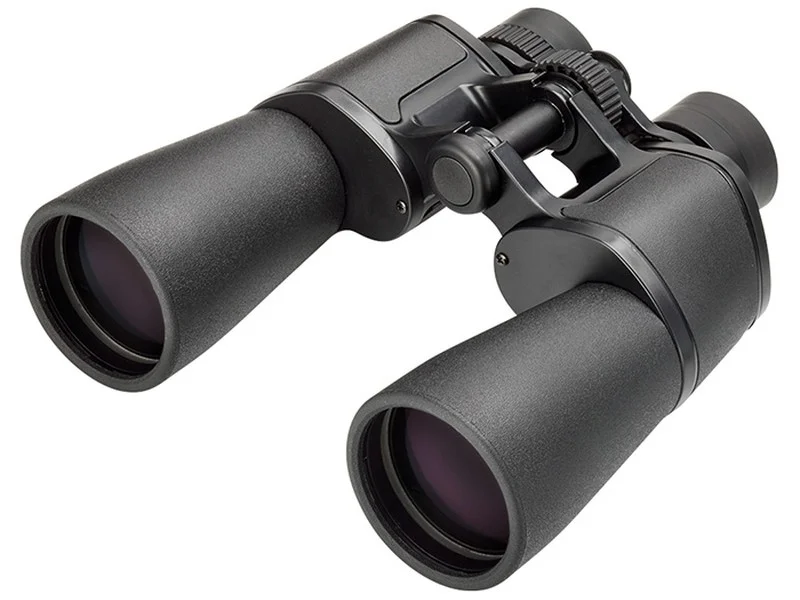
A 10×50 hangs round your neck all night and shows the Andromeda Galaxy, the Double Cluster and the star clouds of the Milky Way from any Bortle 2 or 3 site.
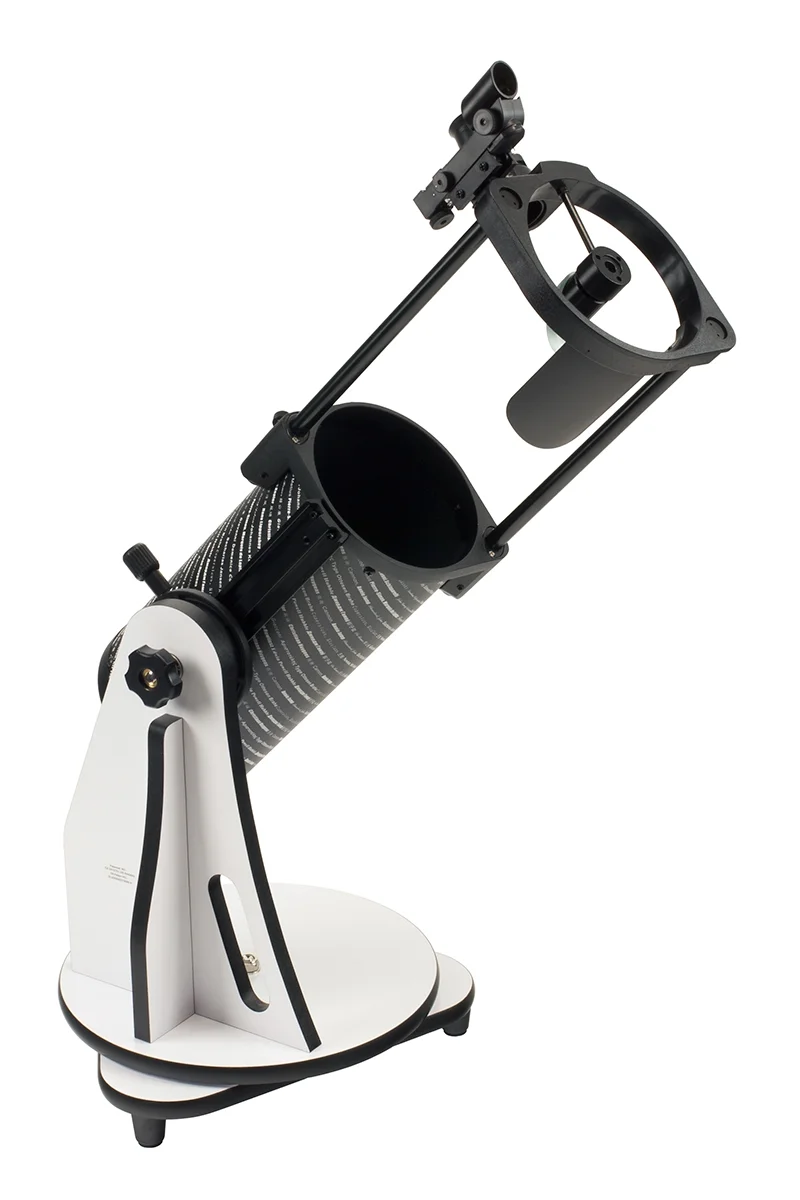
Collapses to fit a car boot or a rucksack. 130mm of aperture shows Saturn's rings, Jupiter's moons and dozens of deep-sky objects from a dark site.
Lepro Rechargeable Head Torch with Red Light (2 pack)
Two red modes on their own switch, USB rechargeable, hands free. White light is the one thing that gets you tutted at in a dark sky car park.
Browse all our equipment reviews
Honest, research-based recommendations for every budget.
Browse all →Affiliate links: you pay the same price, we earn a small commission that helps keep WatchTheStars free.
A dark Welsh sky does most of the work, and for a first trip we would take binoculars rather than a telescope. The Opticron Adventurer 10x50, around £84, shows more from the Elan Valley than a telescope shows from Cardiff. If you want a telescope that travels, the Sky-Watcher Heritage 130P collapses to fit a boot and sets up in a minute. Taking children? Our guide to the best telescope for a child covers options that survive a campsite, and stargazing for beginners explains the first things to look for.