Stargazing by region · the Peak District · Updated 6 November 2026
Stargazing in the Peak District: Where to Go and What You'll See
The best stargazing in the Peak District is at Surprise View near Hathersage (Bortle 4, a Dark Sky Discovery Site), Higger Tor above it (Bortle 4) and Lyme Park near Disley (Bortle 4). None is truly dark, because Sheffield and Manchester sit either side of the park, but all three are good enough for the Moon, the planets, the bright clusters and the Milky Way overhead on a clear autumn night. For a Bortle 2 to 3 sky the nearest options are the Yorkshire Dales and the Elan Valley. Enter a postcode to rank the Peak District sites by distance from you.
Dark sky sites in the Peak District: map
Driving times are rough estimates and distances are straight-line. Check access and opening before you travel; most Discovery Sites are simple car parks with no facilities.
Best dark sky sites in the Peak District
The Peak District has three sites on our UK dark sky sites map, Surprise View, Higger Tor and Lyme Park, all rated Bortle 4, and the national park holds no DarkSky International designation. That is the honest picture for a park with Sheffield, Manchester, Stoke and Derby round its edges. It is still a huge step up from any of those cities.
Surprise View, the roadside car park on the A6187 above Hathersage, is the Peak District National Park Authority's main Dark Sky Discovery Site, with a wide view west over the Derwent valley and the gritstone edges, and Sheffield's glow behind you to the east. Higger Tor, a short walk up from the same road, lifts you above the lay-by lights and gives a horizon all the way round. Lyme Park, the National Trust estate near Disley on the western edge of the park, has a big car park below the house and an open sky to the south-east, away from Stockport.
| Site | Designation | Bortle | Getting there | Map |
|---|---|---|---|---|
| Surprise View Discovery Site | Dark Sky Discovery Site | 4 | Roadside car park off the A6187 near Hathersage, S32 1DA; no toilets. | Directions |
| Higger Tor Dark site | Popular Peak District stargazing gritstone edge | 4 | Roadside parking on the A6187, short walk up. | Directions |
| Lyme Park Dark site | Popular National Trust stargazing spot | 4 | Main car park below the house, SK12 2NR. | Directions |
Parsley Hay and Minninglow, on the High Peak Trail in the White Peak, are the park's other two Dark Sky Discovery Sites and are darker than Surprise View, with less of the Sheffield glow. Other spots local societies use, none with any official designation, include the Upper Derwent valley above Ladybower Reservoir, Mam Tor and the ridge to Lose Hill, Curbar and Froggatt Edges, the Roaches in the Staffordshire moorlands, and the Goyt Valley above Buxton.
Bortle ratings are typical for a clear moonless night; designations are as listed on DarkSky International's register.
When is the best time to go stargazing in the Peak District?
The best time to go stargazing in the Peak District is from September to March, when the nights are long and the sky reaches full darkness, and the Bortle 4 rating matters less than it sounds. A Bortle 4 sky is one where the Milky Way is visible overhead but washed out near the horizon, which is exactly what the Peak District gives you on a clear autumn night. The sky never gets fully dark from mid May to late July, so a midsummer trip shows planets and a fine twilight but no Milky Way.
The Milky Way season for the Peak District runs from late July to October. On August and September evenings the bright band through Cygnus passes overhead, and that is the part of the Milky Way a Bortle 4 sky shows best, because it is high above the city glow. The galactic core in Sagittarius sits over the southern horizon, where the glow of Derby and Stoke is worst, so do not expect it from here; for the core, our guide to how to see the Milky Way from the UK points you to the darker sites in Wales and the Dales.
The Moon matters even more at a Bortle 4 site than a Bortle 2 one, because there is less to spare. Go in the week either side of new moon and check is it a full moon tonight before you set off. The Perseids in August and the Geminids in December are the two meteor showers worth driving up for; our calendar of the next meteor shower in the UK has every peak date.
What can you see from the Peak District's skies?
From Surprise View or Parsley Hay on a clear moonless night you can see the Milky Way overhead, the Andromeda Galaxy as a faint smudge once you know where to look, the Double Cluster in Perseus and several hundred more stars than from Sheffield. The constellations are easy here, which is a real advantage for beginners: Cassiopeia, the Plough in Ursa Major and Orion stand out clearly rather than drowning in stars.
Binoculars are the right tool for a Bortle 4 sky. The Pleiades, the Beehive Cluster, the Double Cluster and the Andromeda Galaxy all show well, and the Moon is superb. A small telescope adds Saturn's rings, Jupiter's four big moons and the Orion Nebula, none of which care about light pollution, plus the brighter globular clusters in summer. For what is up on any given night, our stargazing tonight page is recalculated for the UK every day, and ISS passes tonight lists when the space station crosses the sky.
Astronomy clubs in the Peak District
There are nine astronomy societies in and around the Peak District in our directory, in Derbyshire, Staffordshire, South Yorkshire and Macclesfield. All hold monthly talks through the winter, most run observing nights at dark spots in the park, and all welcome beginners without a telescope.
- Chesterfield Astronomical SocietyHastings Close, Newbold, Chesterfield, Derbyshire, S41 8RH
- Derby and District Astronomical SocietyFriend's Meeting House, St. Helen's Street, Derby, Derbyshire, DE1 3GY
- Doncaster Astronomical Societyc/o Club 39, 39 College Road, Doncaster, South Yorkshire, DN1 3JH
- Ilkeston & District Astronomical SocietyErewash Museum, High Street, Ilkeston, Derbyshire, DE7 5JA
- Macclesfield Astronomical SocietyGoostrey Village Hall, Main Road, Goostrey, Cheshire, CW4 8PE
- Mexborough & Swinton Astronomical SocietySwinton WMC, 4 Station Street, Swinton, Mexborough, South Yorkshire, S64 8AU
- North Staffordshire Astronomical Society21st Hartshill Scout Group HQ, Mount Pleasant, Newcastle under Lyme, Staffordshire, ST5 1DP
- Rosliston Astronomy GroupRosliston Forestry Centre, Burton Road, Rosliston, Swadlincote, Derbyshire, DE12 8JX
- Sheffield Astronomical SocietyRanmoor Parish Centre, 5 Ranmoor Park Road, Sheffield, South Yorkshire, S10 3GX
Sheffield Astronomical Society and Chesterfield Astronomical Society are the two closest to the Dark Peak sites, Macclesfield and North Staffordshire cover the western edge and the Roaches, and Derby and District covers the White Peak. The full list, with a map, is on our astronomy clubs UK directory.
Where to stay for stargazing in the Peak District
Most people visit the Peak District for a night rather than a week, because it is within an hour of so many homes. If you do stay, pick a village inside the park and away from the main roads: Hathersage, Grindleford and Eyam for the eastern edges, Edale and Castleton for Mam Tor and the Hope valley, Hartington, Monyash and Youlgreave for the White Peak and Parsley Hay, and Longnor or Flash for the Staffordshire moorlands. Several campsites and farm B&Bs now describe themselves as dark-sky-friendly, with outside lights off and a view from the field; those are the ones to pick.
Practical points: the Peak District's weather is better than the Lakes or the Dales but the Dark Peak catches cloud on its high ground; Surprise View is often clear when Kinder is not. Roadside parking on the A6187 and at Curbar is popular with other night visitors, not all of them quiet, so for a calmer session walk ten minutes from the car. Several car parks have barriers or height limits; check before relying on them after dark. Our stargazing tips page covers clothing, dark adaptation and red light.
What to take to a dark sky site
Kit we've reviewed in full
A dark sky is the biggest upgrade there is, and the Milky Way needs no kit at all. These three cover the first few trips: binoculars that show hundreds of extra stars, a telescope that fits in a boot, and a red torch so you keep your night vision. See our best binoculars for stargazing guide for more.
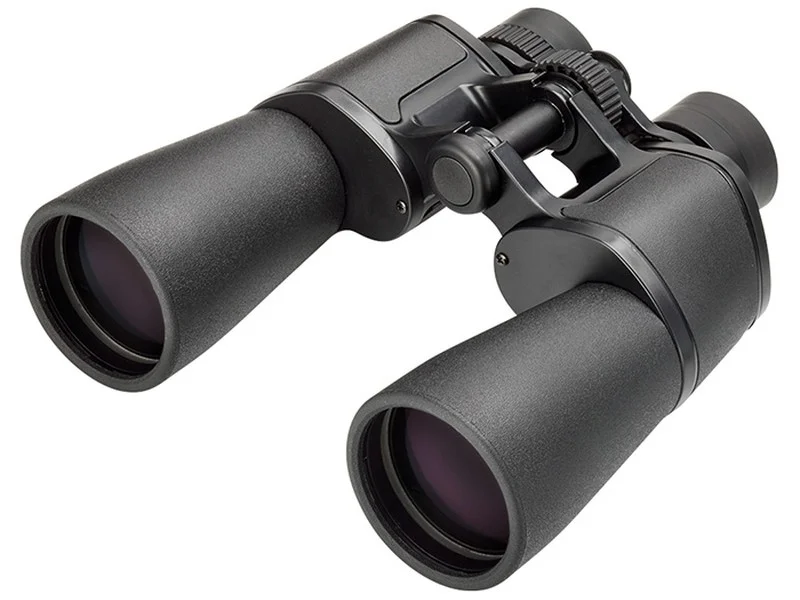
A 10×50 hangs round your neck all night and shows the Andromeda Galaxy, the Double Cluster and the star clouds of the Milky Way from any Bortle 2 or 3 site.
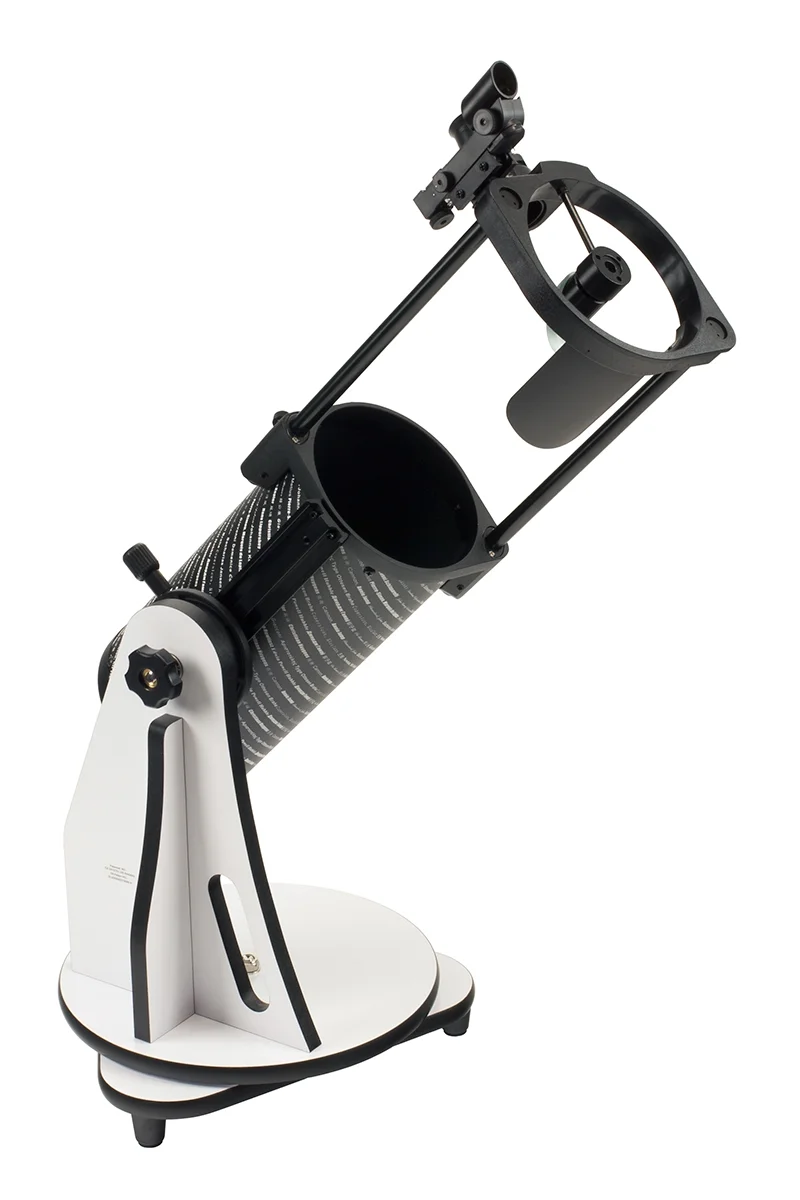
Collapses to fit a car boot or a rucksack. 130mm of aperture shows Saturn's rings, Jupiter's moons and dozens of deep-sky objects from a dark site.
Lepro Rechargeable Head Torch with Red Light (2 pack)
Two red modes on their own switch, USB rechargeable, hands free. White light is the one thing that gets you tutted at in a dark sky car park.
Browse all our equipment reviews
Honest, research-based recommendations for every budget.
Browse all →Affiliate links: you pay the same price, we earn a small commission that helps keep WatchTheStars free.
At a Bortle 4 site binoculars matter more than anywhere, because they pull in the clusters and galaxies that the sky glow hides from the naked eye. The Opticron Adventurer 10x50, around £84, is the one we would take to Surprise View. A small telescope earns its place here too, because the Moon and planets do not care about city glow: the Sky-Watcher Heritage 130P collapses to fit a boot and sets up in a minute. Taking children? Our guide to the best telescope for a child covers options that survive a car park, and stargazing for beginners explains the first things to find.