Stargazing by region · Yorkshire · Updated 6 November 2026
Stargazing in Yorkshire: Where to Go and What You'll See
The best stargazing in Yorkshire is at Tan Hill Inn in the northern Dales (Bortle 2 to 3, a Dark Sky Discovery Site), Malham Tarn in the Yorkshire Dales Dark Sky Reserve (Bortle 3) and Sutton Bank in the North York Moors Dark Sky Reserve (Bortle 3 to 4). The two national parks became International Dark Sky Reserves together in December 2020, and both are under 90 minutes from Leeds and York. Enter a postcode to rank the five Yorkshire sites by distance.
Dark sky sites in Yorkshire: map
Driving times are rough estimates and distances are straight-line. Check access and opening before you travel; most Discovery Sites are simple car parks with no facilities.
Best dark sky sites in Yorkshire
Yorkshire has two International Dark Sky Reserves, the Yorkshire Dales and the North York Moors, both certified in December 2020, and the darkest spot in the county is Tan Hill, Britain's highest pub, at Bortle 2 to 3. The five sites below are pulled from our UK dark sky sites map, sorted darkest first.
The Yorkshire Dales reserve covers the whole national park, and the darkest parts are the northern dales, Swaledale, Arkengarthdale and the high road over to Tan Hill, where the only lights for miles are the inn's. Malham Tarn, above Malham Cove, is the park's main Dark Sky Discovery hub, with the Field Studies Centre running events and the village car park open overnight. Malham Cove itself is a 20-minute walk from the car park and a fine place to lie back under the limestone with the Milky Way overhead.
The North York Moors reserve has three Dark Sky Discovery hubs at Sutton Bank, Dalby Forest and The Moors National Park Centre at Danby. Sutton Bank's Star Hub viewing area is on the edge of the escarpment with a view west across the Vale of York, Dalby Forest's toll-road car parks are inside the forest and reach Milky Way class, and the coast at Ravenscar and Robin Hood's Bay looks north over the sea for the aurora. Both parks run a joint Dark Skies Festival every February and early March, with guided walks, talks and telescope nights.
| Site | Designation | Bortle | Getting there | Map |
|---|---|---|---|---|
| Tan Hill Inn Discovery Site | Dark Sky Discovery Site | 2-3 | Britain's highest pub, on the Pennine Way; parking at the inn. | Directions |
| Yorkshire Dales National Park (Malham Tarn) Reserve | International Dark Sky Reserve (2020) | 3 | Malham Tarn Field Studies Centre; the nearby Malham village car park does not charge overnight for stargazers. | Directions |
| Malham Cove Discovery Site | Popular stargazing spot within the Yorkshire Dales Dark Sky Reserve | 3 | 20-minute walk from Malham village car park; free overnight parking for stargazers. | Directions |
| North York Moors National Park (Sutton Bank) Reserve | International Dark Sky Reserve (2020) | 3-4 | Sutton Bank National Park Centre car park; Star Hub viewing area with a heated pavilion. | Directions |
| Dalby Forest Discovery Site | Dark Sky Discovery Site (Milky Way class) | 3-4 | Dalby Forest Drive toll-road car parks, YO18 7LR. | Directions |
Bortle ratings are typical for a clear moonless night; designations are as listed on DarkSky International's register.
When is the best time to go stargazing in Yorkshire?
The best time to go stargazing in Yorkshire is from September to March, when the nights are long and both reserves reach full darkness. At Yorkshire's latitude the sky never gets fully dark from mid May to late July, so a midsummer trip to Tan Hill gives you a fine twilight and bright planets but not the Bortle 2 to 3 sky it is rated for. The February Dark Skies Festival is a good way in if you have never been to a dark site before.
The Milky Way season for Yorkshire runs from late July to October. On August and September evenings the bright band through Cygnus passes overhead, and from the northern Dales it shows real structure to the naked eye. The galactic core in Sagittarius stays over the southern horizon, so a site with an open view south, such as Sutton Bank's escarpment or the high road near Tan Hill, shows it best. Our guide to how to see the Milky Way from the UK covers the method.
Go in the week either side of new moon and check is it a full moon tonight before you book, because a full moon turns a Bortle 3 dale into a Bortle 6 one. The Perseids in August and the Geminids in December are the two meteor showers worth a special trip, and the open moor at Sutton Bank or Dalby suits them; our calendar of the next meteor shower in the UK has every peak date.
Yorkshire sees the northern lights several times a year in strong geomagnetic storms. The North York Moors coast between Whitby, Ravenscar and Robin Hood's Bay looks north over open sea and is the best place in the county to catch a green glow on the horizon; the high ground of the northern Dales around Tan Hill works too, with nothing but Durham's fells to the north. Check northern lights tonight for the live reading and our UK aurora forecast for the nights ahead. Activity peaks around the September and March equinoxes.
What can you see from Yorkshire's dark skies?
From Tan Hill or Malham on a clear moonless night you can see the Milky Way, the Andromeda Galaxy and the Double Cluster in Perseus with the naked eye, and in spring and autumn the zodiacal light as a faint cone after dusk or before dawn. A couple of thousand stars are visible, enough that Cassiopeia and the Plough in Ursa Major take a moment to pick out against the background.
Binoculars show the Pleiades, the Beehive Cluster and the star clouds of the summer Milky Way. A small telescope adds Saturn's rings, Jupiter's moons, the Orion Nebula in winter and the brighter globular clusters in summer. For what is up on any given night, our stargazing tonight page is recalculated for the UK every day, and ISS passes tonight lists when the space station crosses the sky.
Astronomy clubs in Yorkshire
There are 18 astronomy societies across Yorkshire in our directory, from Whitby to Sheffield and Hull to Keighley. All hold monthly talks through the winter, most run public observing nights, and all welcome beginners without a telescope.
- Blackburn Leisure Astronomy Society [BLAS] / Brough Astronomy SocietyBlackburn Leisure Social Club, Prescott Avenue, Skillings Lane, Brough, East Yorkshire, HU15 1BB
- Bradford Astronomical SocietyIdle & Thackley Conservative Club, Malt Shovel Yard, Idle, West Yorkshire, BD10 8QB
- Doncaster Astronomical Societyc/o Club 39, 39 College Road, Doncaster, South Yorkshire, DN1 3JH
- East Riding AstronomersVillage Hall, Long Lane, Woodmansey, Beverley, East Yorkshire, HU17 0TR
- Goole Astronomy ClubGoole Library, Carlisle Street, Town Centre, Goole, East Yorkshire
- Harrogate Astronomical SocietyHarlow Community Centre Association, Harlow Avenue, Harrogate, North Yorkshire, HG2 0BW
- Huddersfield Astronomical SocietyThe Pavilion, HRUFC, Lockwood Park, Huddersfield, West Yorkshire, HD4 6EN
- Hull & East Riding Astronomical SocietyRoom LT27 Wilberforce Building, University of Hull, Cottingham Road, Hull, East Yorkshire, HU6 7RX
- Keighley Astronomical Society35, Devonshire Street, Keighley, West Yorkshire
- Leeds Astronomical SocietyQuaker Meeting House, 188 Woodhouse Lane, Leeds, West Yorkshire, LS2 9DX
- Mexborough & Swinton Astronomical SocietySwinton WMC, 4 Station Street, Swinton, Mexborough, South Yorkshire, S64 8AU
- Reeth Informal Astronomy GroupUnit 14, The Dales Centre, Reeth, Swaledale, North Yorkshire, DL11 6SP
- Scarborough & Ryedale Astronomical SocietyAyton Village Hall, Wilsons Lane, East Ayton, Scarborough, North Yorkshire, YO13 9HY
- Sheffield Astronomical SocietyRanmoor Parish Centre, 5 Ranmoor Park Road, Sheffield, South Yorkshire, S10 3GX
- Wakefield and District Astronomical SocietyHorbury Academy, Wakefield Road, Horbury, West Yorkshire
- West Yorkshire Astronomical SocietyThe Rosse Observatory, Carleton Grange, Carleton Road, Carleton, Pontefract, Wakefield, West Yorkshire, WF8 3RJ
- Whitby & District Astronomical SocietyWhitby College, Prospect Hill, Whitby, North Yorkshire, Y021 1LA
- York Astronomical SocietyBeetle Bank Farm, Moor Lane, Murton, York, North Yorkshire, YO19 5XD
Reeth Informal Astronomy Group meets in Swaledale inside the Dales reserve, Scarborough and Ryedale and Whitby societies cover the North York Moors, York Astronomical Society has its own observatory at Murton, and West Yorkshire Astronomical Society runs the Rosse Observatory at Carleton near Pontefract. The full list, with a map, is on our astronomy clubs UK directory.
Where to stay for stargazing in Yorkshire
Both national parks list dark-sky-friendly accommodation, and the choice is wide. In the Dales, Tan Hill Inn itself has rooms and a campsite, and Reeth, Muker, Hawes and Malham have inns, B&Bs, bunkhouses and campsites; several Swaledale farms advertise outside lights off and loan binoculars. In the North York Moors, Helmsley, Thirsk and Sutton Bank's own camping pods work for the Star Hub, Thornton-le-Dale and Pickering for Dalby, and Danby, Goathland and Rosedale for the central moors. On the coast, Robin Hood's Bay and Ravenscar have B&Bs and a youth hostel a short walk from the cliff top.
Practical points: the Dales get Pennine weather, wetter in the west and drier in the east, so Wensleydale and Swaledale are often clear when Ribblesdale is not. The road over to Tan Hill is high, unfenced and closes in snow. The North York Moors are drier but prone to sea fret on the coast on still nights; the inland hubs are usually clear when Whitby is not. Mobile signal is patchy in the dales; download maps and star charts first. Our stargazing tips page covers clothing, dark adaptation and red light.
What to take to a dark sky site
Kit we've reviewed in full
A dark sky is the biggest upgrade there is, and the Milky Way needs no kit at all. These three cover the first few trips: binoculars that show hundreds of extra stars, a telescope that fits in a boot, and a red torch so you keep your night vision. See our best binoculars for stargazing guide for more.
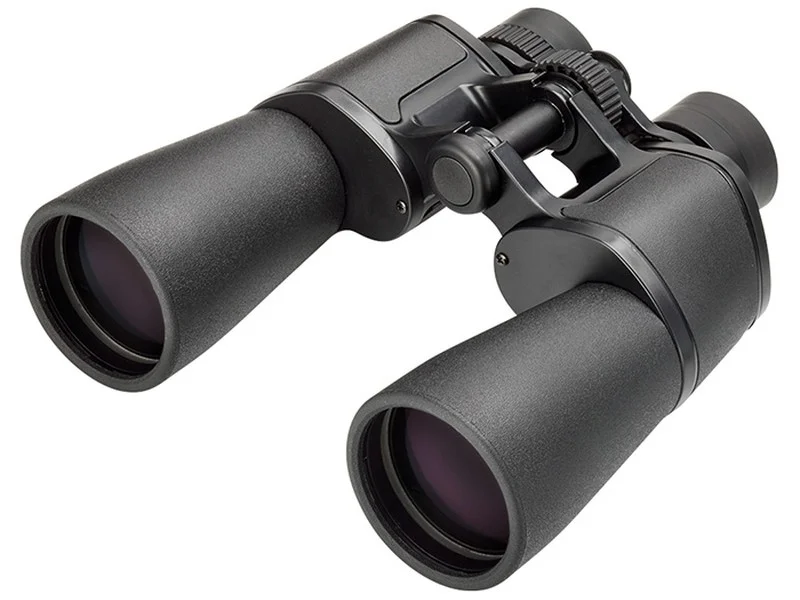
A 10×50 hangs round your neck all night and shows the Andromeda Galaxy, the Double Cluster and the star clouds of the Milky Way from any Bortle 2 or 3 site.
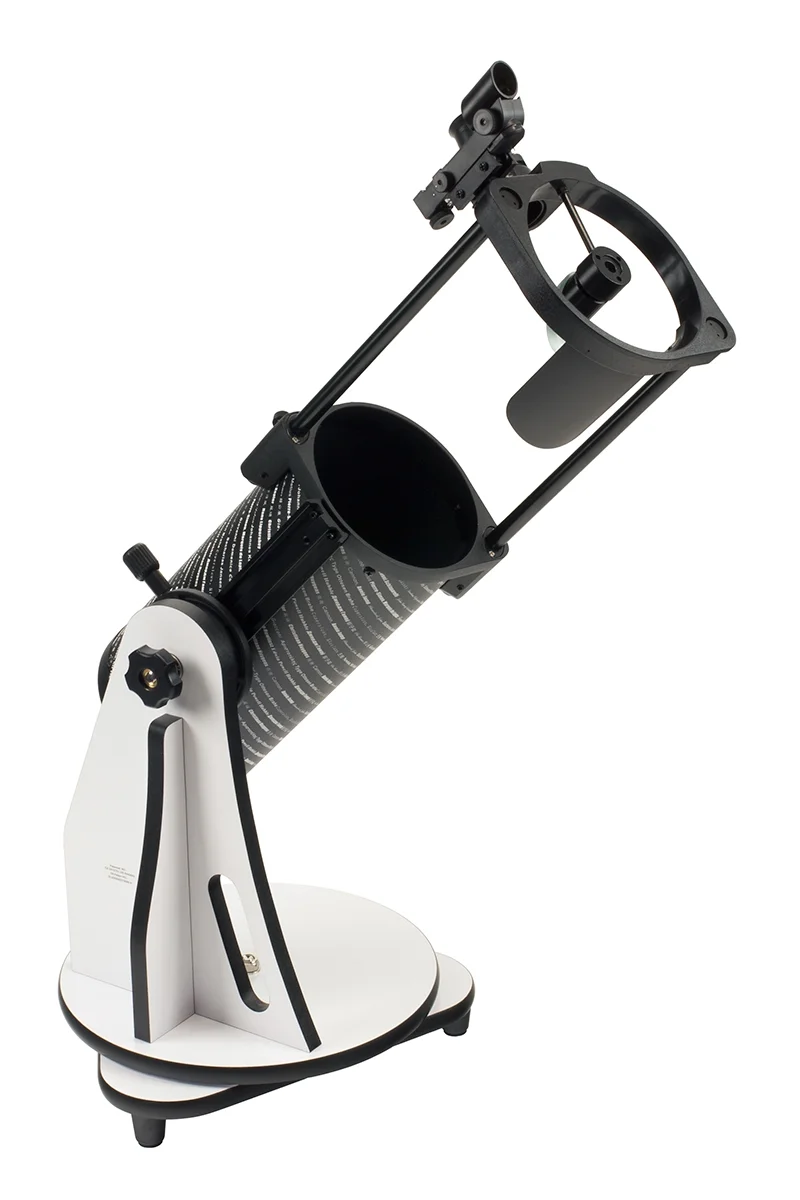
Collapses to fit a car boot or a rucksack. 130mm of aperture shows Saturn's rings, Jupiter's moons and dozens of deep-sky objects from a dark site.
Lepro Rechargeable Head Torch with Red Light (2 pack)
Two red modes on their own switch, USB rechargeable, hands free. White light is the one thing that gets you tutted at in a dark sky car park.
Browse all our equipment reviews
Honest, research-based recommendations for every budget.
Browse all →Affiliate links: you pay the same price, we earn a small commission that helps keep WatchTheStars free.
A dark dale needs no equipment, and for a first trip we would take binoculars rather than a telescope. The Opticron Adventurer 10x50, around £84, shows more from Tan Hill than a telescope shows from Leeds. If you want a telescope that travels, the Sky-Watcher Heritage 130P collapses to fit a boot and sets up in a minute. Taking children? Our guide to the best telescope for a child covers options that survive a campsite, and stargazing for beginners explains the first things to find.