Stargazing by region · Devon and Cornwall · Updated 6 November 2026
Stargazing in Devon and Cornwall: Where to Go and What You'll See
The best stargazing in Devon and Cornwall is on Exmoor (Bortle 3, Europe's first International Dark Sky Reserve), Bodmin Moor (Bortle 3, an International Dark Sky Landscape) and West Penwith (Bortle 3, an International Dark Sky Park at the tip of Cornwall). Dartmoor's Dark Sky Discovery Sites at Postbridge and Haytor are the easiest to reach from Plymouth and Exeter. Enter a postcode to rank the nine sites by distance from you.
Dark sky sites in Devon and Cornwall: map
Driving times are rough estimates and distances are straight-line. Check access and opening before you travel; most Discovery Sites are simple car parks with no facilities.
Best dark sky sites in Devon and Cornwall
Devon and Cornwall hold one Dark Sky Reserve, two Dark Sky Parks and a string of Discovery Sites, all rated Bortle 3 to 4: Exmoor, Bodmin Moor, West Penwith and Dartmoor. The nine sites below are pulled from our UK dark sky sites map, sorted darkest first, and all are within two hours of Exeter.
Exmoor, on the Somerset and Devon border, became the first International Dark Sky Reserve in Europe in 2011. The Wimbleball Lake Dark Sky Discovery Hub has a car park, toilets and a sky as dark as anywhere in southern England; Brendon Common and Dunkery Beacon are the other spots local societies use. Dartmoor's Discovery Sites at Postbridge and Haytor give you open moorland with a horizon all the way round, which is rare in Britain and ideal for meteor showers. Grimspound, the Bronze Age village, is a short walk from the road and a strange and lovely place to lie back under the stars.
In Cornwall, Bodmin Moor was certified as an International Dark Sky Landscape in 2017, and the Colliford Lake car parks off the A30 put you in the middle of it with no effort. West Penwith, the granite peninsula beyond St Ives and Penzance, became a Dark Sky Park in 2021; the lay-bys near Morvah and Lanyon Quoit look out over the Atlantic with no land between you and America. Clodgy Point above St Ives is a Bortle 3 to 4 coastal spot you can walk to from town.
| Site | Designation | Bortle | Getting there | Map |
|---|---|---|---|---|
| Exmoor National Park (Wimbleball Lake) Reserve | International Dark Sky Reserve (2011) | 3 | Wimbleball Lake Dark Sky Discovery Hub car park; small parking fee, toilets open 24/7. | Directions |
| Bodmin Moor Park | International Dark Sky Landscape (2017) | 3 | Colliford Lake Park car parks off the A30, in the heart of the moor. | Directions |
| Colliford Lake South Car Park Discovery Site | Dark Sky Discovery Site | 3 | Free car park with views north over the reservoir. | Directions |
| West Penwith Park | International Dark Sky Park (2021) | 3 | Small lay-by parking near Morvah on the road to Lanyon Quoit; short walk to the megalith. | Directions |
| Postbridge, Dartmoor Discovery Site | Dark Sky Discovery Site | 3 | Car park by the clapper bridge in Postbridge village, PL20 6TU. | Directions |
| Grimspound, Dartmoor Dark site | Popular Bronze Age site for stargazing | 3 | Limited layby parking on the moor road, short walk to the site. | Directions |
| Clodgy Point, St Ives Discovery Site | Popular stargazing coastal point within West Penwith Dark Sky Park | 3-4 | Coastal path a mile northwest of St Ives; use town car parks. | Directions |
| Haytor, Dartmoor Discovery Site | Dark Sky Discovery Site | 3-4 | Haytor car park on the B3387, five-minute walk to the tor, open 24 hours. | Directions |
| Norman Lockyer Observatory Observatory | Public observatory and planetarium | 4 | Regular open evenings; Salcombe Hill, Sidmouth EX10 0NY. | Directions |
Bortle ratings are typical for a clear moonless night; designations are as listed on DarkSky International's register.
When is the best time to go stargazing in Devon and Cornwall?
The best time to go stargazing in Devon and Cornwall is from September to March, when the nights are long and the sky reaches full darkness. The south-west is the mildest part of Britain, which makes a winter night on Dartmoor or Bodmin Moor far more bearable than one in Northumberland, and the coast rarely freezes. June and early July never get fully dark, though the south-west gets more real darkness in midsummer than anywhere else in the UK because of its latitude.
The Milky Way season for Devon and Cornwall runs from late July to October, and the south-west is the best part of Britain for it. The galactic core in Sagittarius climbs higher here than from the north of England, and from West Penwith or the south coast of Dartmoor it sits over open sea on August and September nights. The bright band through Cygnus passes overhead on the same evenings. Our guide to how to see the Milky Way from the UK covers the method and the best directions to face.
Go in the week either side of new moon and check is it a full moon tonight before you book. The Perseids in August and the Geminids in December are the two meteor showers worth a special trip, and Dartmoor's all-round horizon is one of the best places in Britain to watch them; our calendar of the next meteor shower in the UK has every peak date.
What can you see from the dark skies of Devon and Cornwall?
From Exmoor, Bodmin Moor or West Penwith on a clear moonless night you can see the Milky Way, the Andromeda Galaxy and the Double Cluster in Perseus with the naked eye, and in spring and autumn the zodiacal light as a faint cone after dusk or before dawn. A Bortle 3 sky shows a couple of thousand stars, enough that Cassiopeia and the Plough in Ursa Major take a moment to pick out.
The south-west's southern horizon is its real advantage. Objects that skim the horizon from Yorkshire, such as the Sagittarius star clouds and the Lagoon Nebula in summer, and parts of Scorpius and the southern reaches of the winter sky, stand clear of the land here. Binoculars show the Pleiades, the Beehive Cluster and the summer star clouds; a small telescope adds Saturn's rings, Jupiter's moons, the Orion Nebula in winter and the globular clusters of summer. For what is up on any given night, our stargazing tonight page is recalculated for the UK every day, and ISS passes tonight lists when the space station crosses the sky.
Astronomy clubs in Devon and Cornwall
There are eight astronomy societies in Devon and Cornwall in our directory, from Barnstaple to St Ives. All hold monthly talks through the winter, run observing nights and welcome beginners without a telescope.
- Callington Community Astronomy GroupSt Dominick Parish Hall, St Dominick, Cornwall, PL1
- Cornwall Astronomical SocietyThe W.I. Hall, Antron Hill, Mabe Burnthouse, Cornwall, TR10 9HT
- Kernow AstronomersKernow, Cornwall
- Norman Lockyer Observatory SocietySalcombe Hill, Sidmouth, Devon, EX10 0N
- North Devon Astronomical SocietyMethodist Church Hall, Rhododendron Avenue, Sticklepath, Barnstaple, Devon
- Plymouth Astronomical SocietyPlymouth, Devon
- Roseland Observatory SocietyCourt Farm, St Stephen, Cornwall, PL26 7L
- Torbay Astronomical SocietyTorquay Boys Grammer School, Shiphay Manor Dr., Torquay, Devon, TQ2 7EL
Cornwall Astronomical Society and Kernow Astronomers both observe from the far west, the Roseland Observatory Society has its own observatory near St Austell, and the Norman Lockyer Observatory Society runs the public observatory at Sidmouth, which is the easiest place in the south-west to look through a large telescope. The full list, with a map, is on our astronomy clubs UK directory.
Where to stay for stargazing in Devon and Cornwall
Exmoor has made a point of dark-sky-friendly accommodation: the national park runs an annual Dark Skies Festival each autumn and lists B&Bs, farms and campsites that keep outside lights off and lend telescopes. Dulverton, Exford, Simonsbath and the villages around Wimbleball are the places to look. On Dartmoor, Postbridge, Princetown, Widecombe and the farms around Chagford put you inside the moor; stay away from Tavistock and Okehampton if the sky is the point.
On Bodmin Moor, Bolventor, St Neot and the farms around Colliford Lake have cottages and campsites a few minutes from the car parks. West Penwith is well served by St Just, Zennor, Pendeen and Sennen, with campsites along the coast road and cottages inland; St Ives and Penzance have far more beds but more light.
Practical points: the south-west gets Atlantic weather first, so cloud comes and goes quickly and a clear window is more likely than a clear night; two or three nights is sensible. Moorland roads are unfenced and ponies and sheep wander onto them after dark, so drive slowly. Sea mist rolls over West Penwith and the north Cornwall coast on still nights; the moors are often clear when the coast is not. Mobile signal is poor on all four moors; download maps and star charts first. Our stargazing tips page covers clothing, dark adaptation and red light.
What to take to a dark sky site
Kit we've reviewed in full
A dark sky is the biggest upgrade there is, and the Milky Way needs no kit at all. These three cover the first few trips: binoculars that show hundreds of extra stars, a telescope that fits in a boot, and a red torch so you keep your night vision. See our best binoculars for stargazing guide for more.
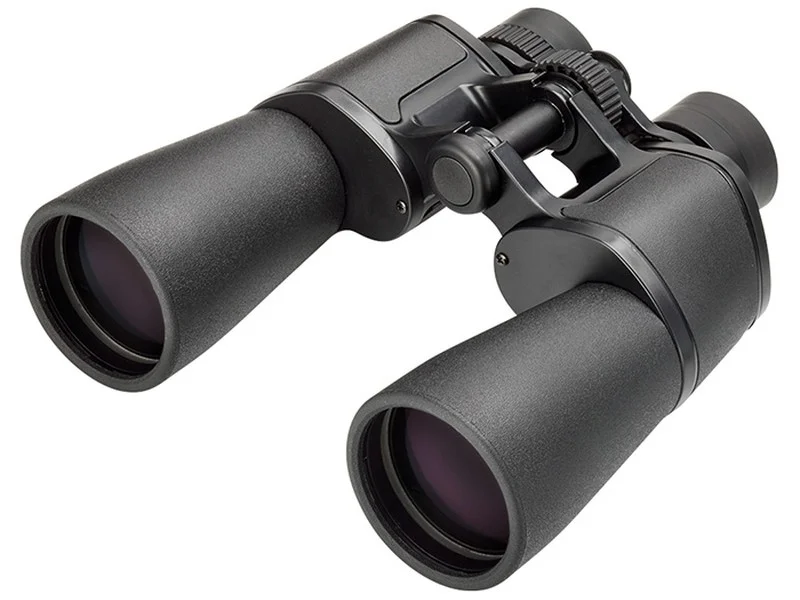
A 10×50 hangs round your neck all night and shows the Andromeda Galaxy, the Double Cluster and the star clouds of the Milky Way from any Bortle 2 or 3 site.
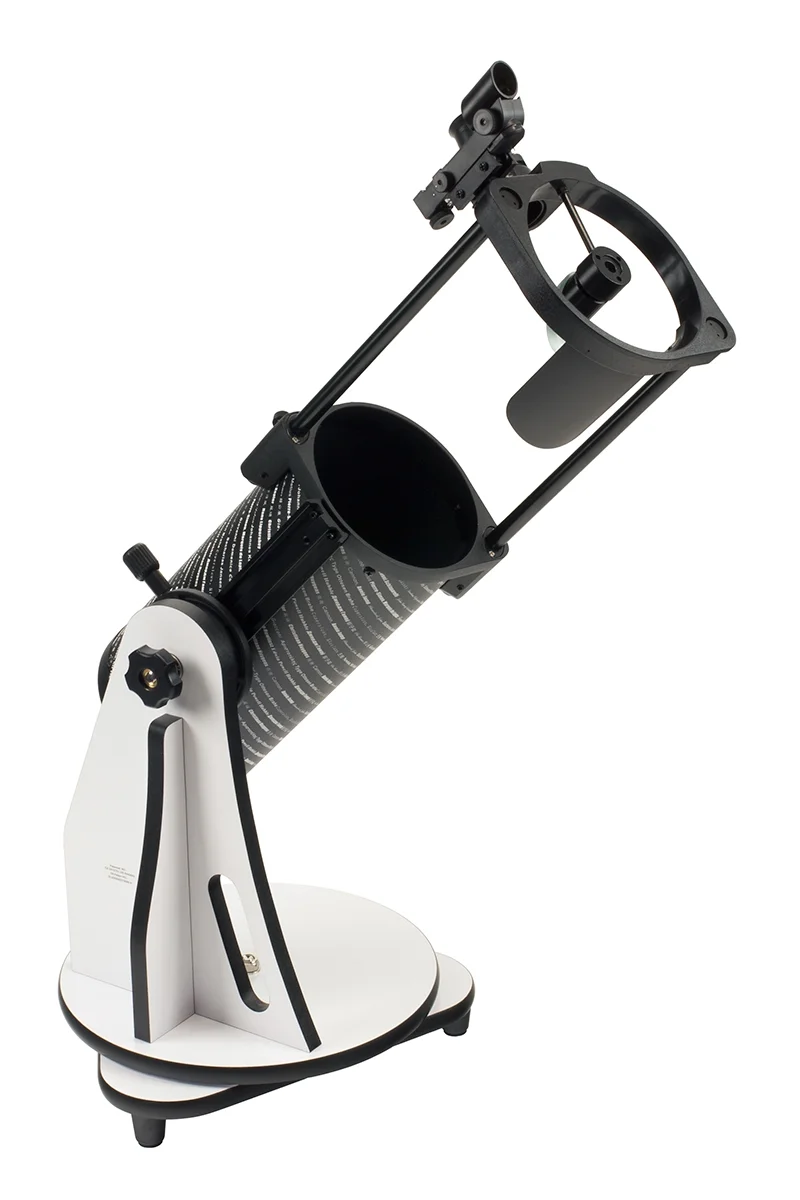
Collapses to fit a car boot or a rucksack. 130mm of aperture shows Saturn's rings, Jupiter's moons and dozens of deep-sky objects from a dark site.
Lepro Rechargeable Head Torch with Red Light (2 pack)
Two red modes on their own switch, USB rechargeable, hands free. White light is the one thing that gets you tutted at in a dark sky car park.
Browse all our equipment reviews
Honest, research-based recommendations for every budget.
Browse all →Affiliate links: you pay the same price, we earn a small commission that helps keep WatchTheStars free.
A Bortle 3 moor needs no equipment, and for a first trip we would take binoculars rather than a telescope. The Opticron Adventurer 10x50, around £84, shows more from Exmoor than a telescope shows from Plymouth. If you want a telescope that travels, the Sky-Watcher Heritage 130P collapses to fit a boot and sets up in a minute. Taking children? Our guide to the best telescope for a child covers options that survive a campsite, and stargazing for beginners explains the first things to find.