Key takeaways
- On 31 July 2026, the ODNI issued written guidance ordering the Department of War and every US intelligence agency to waive NDAs for anyone with UAP information
- Witnesses report to cleared officials at AARO or the PURSUE task force, not to the press or the public, and PURSUE reviews what they say for declassification
- Every intelligence agency has 30 days to appoint a PURSUE designee and tell its whole workforce that UAP NDAs are no longer in force
- It turns July's presidential order into written instructions sent to 18 agencies, from the CIA and NSA to the Coast Guard
- Some whistleblower advocates are wary, arguing the 'cleared channels' route keeps testimony inside the system rather than bringing it out
Jump to section 7 sections
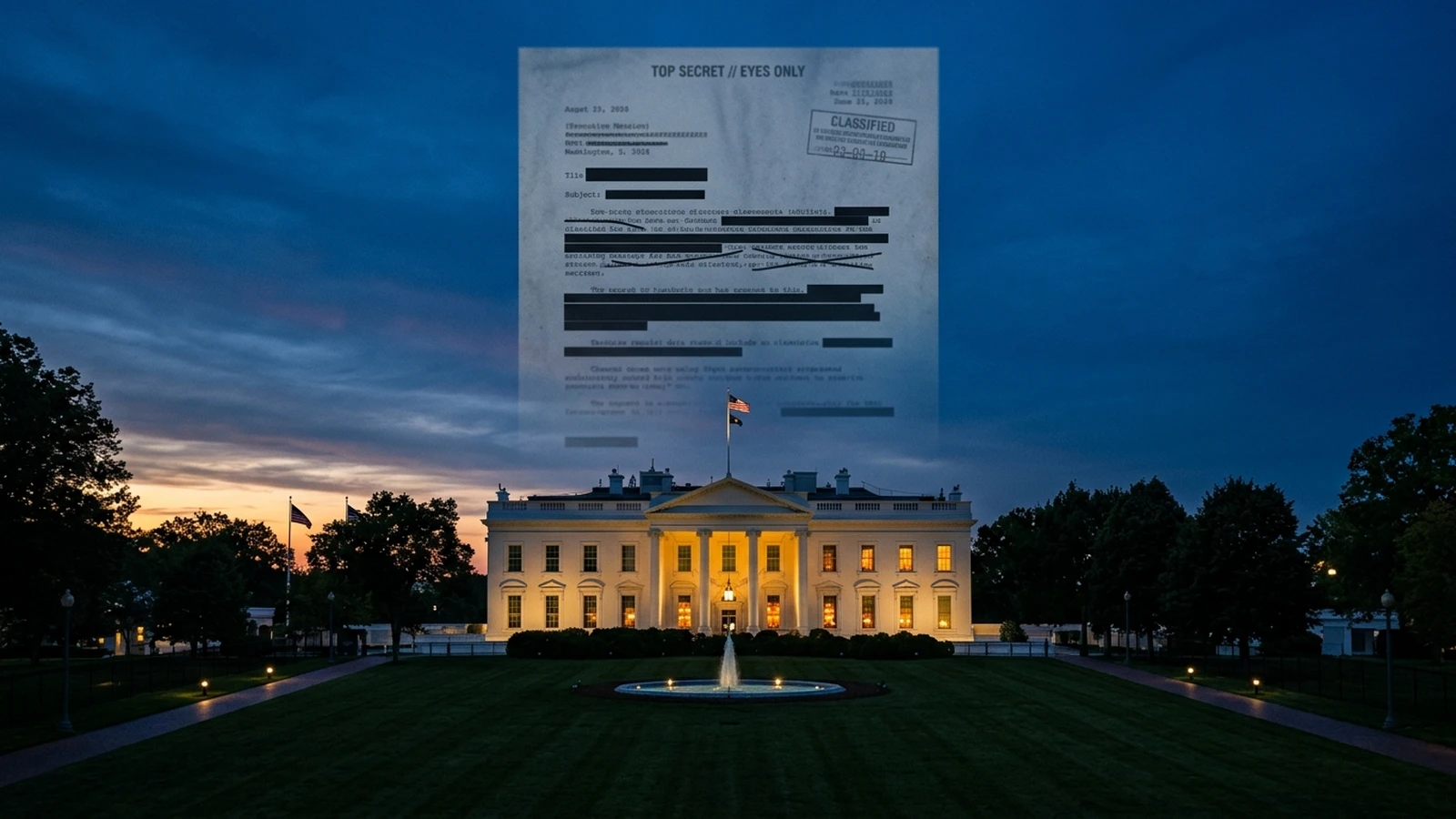
When Trump ordered UAP whistleblower NDAs waived back in July, the obvious question was whether anything would actually happen, or whether the order would sit in a drawer like so many disclosure promises before it. We now have an answer. On 31 July 2026, the Office of the Director of National Intelligence put the order into writing and sent it to 18 agencies, from the CIA and NSA down to the Coast Guard.
The memo itself is only a few paragraphs long and written in bureaucratic shorthand, and most of the coverage has either overhyped it or ignored it. So here's the plain English version: what it says, who it applies to, what the 30-day deadline means, and why a few whistleblower advocates think there's a catch.
What the ODNI UFO Memo Actually Says
The document is titled "Preliminary Guidance for Implementation of NDA Waivers" and is signed by Aaron Lukas, the Principal Deputy Director of National Intelligence. It was published in early August after Representative Eric Burlison's office posted a copy, and it does three things.
First, it confirms the policy. The Department of War and the intelligence community must set up a process so that current and former government employees and contractors with UAP information can speak to authorised officials, with any prior non-disclosure agreement, oath or commitment waived for those conversations. That's the core of Trump's NDA waiver order from late July, now in official ink.
Second, it names the channels. Witnesses go to the All-domain Anomaly Resolution Office (AARO), the Pentagon's UAP investigation office, or to an authorised representative of the PURSUE task force: the Presidential Unsealing and Reporting System for UAP Encounters, the body behind the rolling UFO file releases that have been landing every few weeks since May. PURSUE then reviews what comes in for declassification.
Third, it sets deadlines, which is the genuinely new part. More on that below.
UFO Whistleblowers: Who the NDA Waiver Covers
The waiver applies to current and former government employees and contractors who believe they hold relevant UAP information. That's a wide net. It takes in serving intelligence officers, retired military personnel, and people who worked for private defence firms on classified programmes. It's the same category of witness the Senate has been subpoenaing contractors about all summer.
The route is specific. A witness contacts AARO or a PURSUE representative, both of which hold the clearances to hear classified material. During that authorised conversation, the NDA they signed no longer binds them. The distribution list on the memo shows how far the instruction reaches: CIA, DIA, NSA, FBI, the National Reconnaissance Office, the intelligence arms of every military branch, Homeland Security, the State Department, the Treasury, the DEA, the Department of Energy and the Coast Guard all received it.
There is one notable gap, picked up by lawyers at DLA Piper who analysed the memo. The guidance promises a process for contractors as well as government employees, but the detailed procedures haven't been published yet, and it's not clear how someone who worked for a private firm rather than an agency actually makes contact. For the people whose testimony matters most, the ones David Grusch said were holding back at his Capitol press conference because of legal exposure, that detail is everything.
The 30-Day Deadline: Every Agency Gets a UAP Contact
This is where the memo stops being a restatement and starts being a mechanism.
Every member of the intelligence community has 30 days from receipt to do two things. Appoint a PURSUE designee: a named official responsible for UAP disclosures within that agency. And inform their entire workforce of the President's order, including the fact that any NDA prohibiting disclosure to the President or his designees is no longer in force.
Think about what that second requirement means in practice. Tens of thousands of people across 18 agencies get told, officially and in writing, that if they know something about UAP, the legal gag is off and here is the named person to talk to. For decades the default assumption inside those buildings has been that you take classified knowledge to the grave. Whatever you make of the UFO subject, an instruction like that going out across the whole intelligence community at once has no real precedent.
The memo also promises detailed reporting procedures within the same 30-day window, plus a second round of implementation guidance from the Department of War and ODNI for the broader PURSUE transparency project. With the memo dated 31 July, that clock runs out around the end of August.
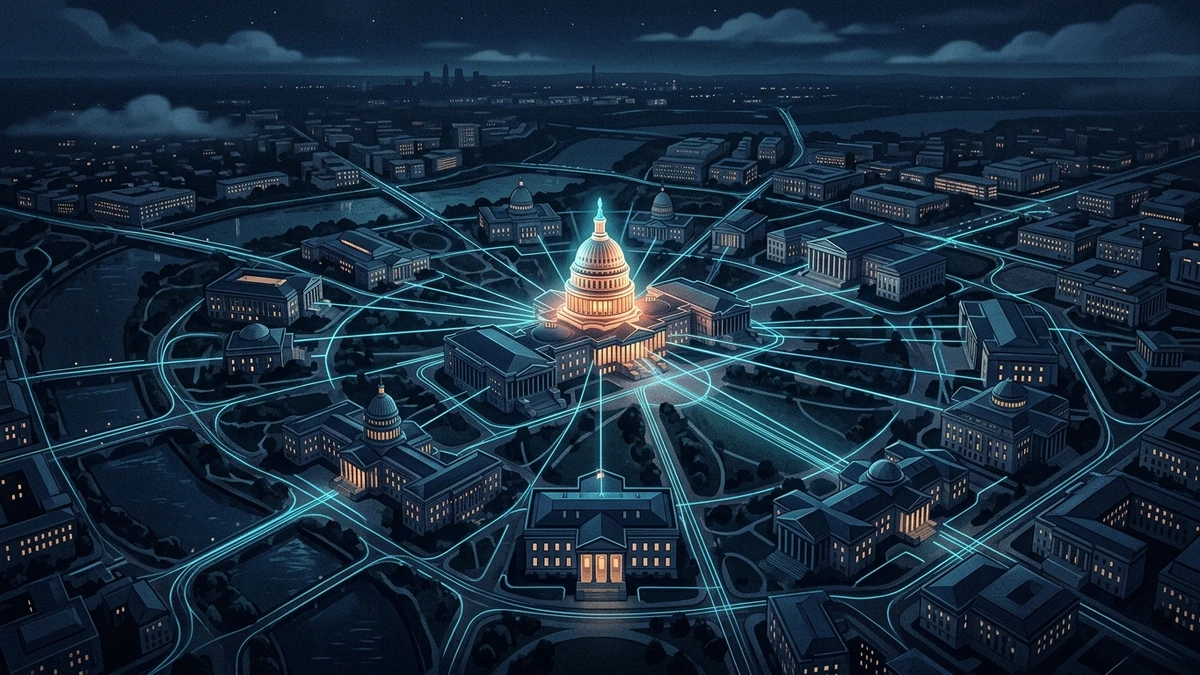
Rather check the sky than the paperwork?
Kit we've tested and reviewed in full
While Washington argues over memos, the sky is still up there. Most 'strange lights' reported to us turn out to be Starlink trains, planets or aircraft, and a decent pair of binoculars settles the question in seconds. Here's what we'd reach for.
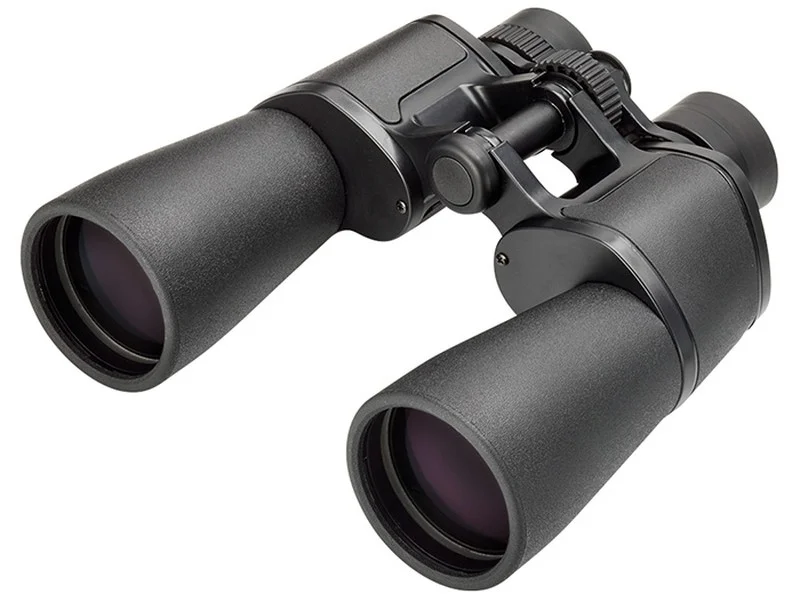
Wide view, 50mm lenses, light enough to grab one-handed when something odd crosses the sky. The pair we recommend to most UK beginners.
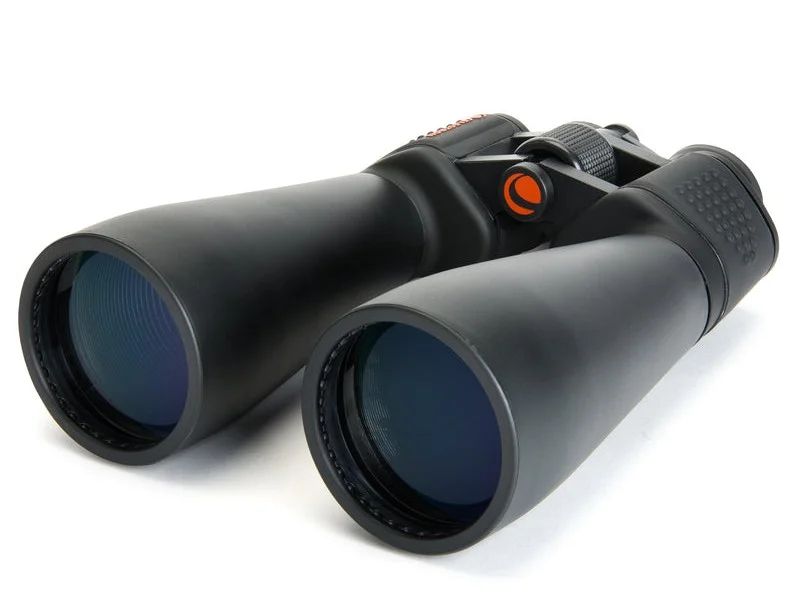
15× magnification turns a distant dot into something you can actually judge. Needs a tripod, but nothing else at this price pulls in as much light.
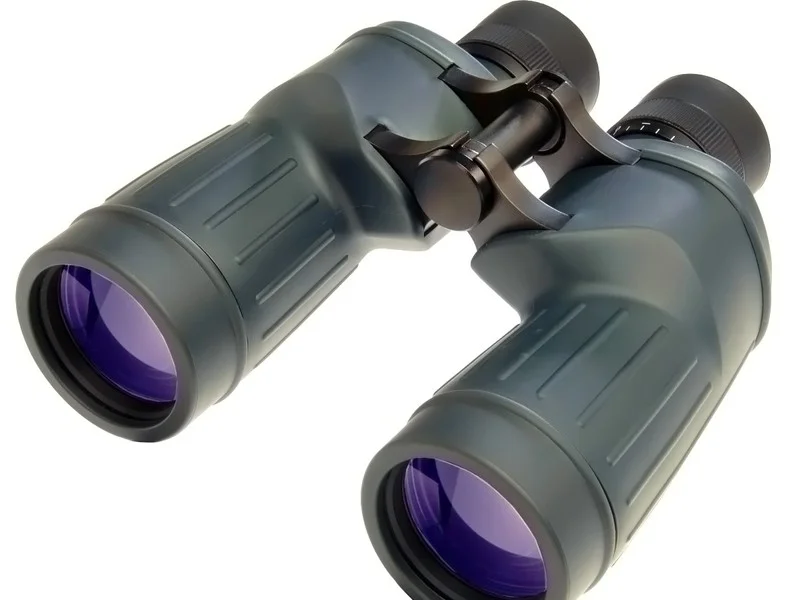
Cleaner contrast and tighter stars than budget pairs, so a point of light stays a point instead of a smear. Buy once, keep for years.
Affiliate links: you pay the same price, we earn a small commission that helps keep WatchTheStars free.
What the Memo Does Not Do
The same caution applies here as with July's order: this is not declassification. Not a single document, video or photograph is released by this memo. If you want to see what has actually been made public, that's the fifth PURSUE file release, which is a separate track.
It also doesn't let witnesses go public. The waiver covers conversations with cleared officials inside the system, nothing else. A witness who gave a newspaper interview about classified UAP material would be in exactly as much legal trouble after this memo as before it. Even disclosure to Congress still has to run through AARO or the other existing channels.
And the lawyers spotted something subtler. The 2023 defence law that first created the secure disclosure channel was broader than this memo: it overrode not just NDAs but classification orders, the Atomic Energy Act and the Espionage Act's disclosure provisions. The new guidance mentions only "NDAs, agreements, oaths, or commitments". On paper, that makes the memo narrower than the law that already existed. Whether the follow-up procedures close that gap is one of the things worth watching for.
Why Some Whistleblower Advocates Are Wary
Not everyone in the disclosure world is celebrating. The sceptical reading goes like this: routing every witness into AARO and PURSUE doesn't bring information out, it gathers information in. The government learns exactly who knows what, while the public sees only whatever survives declassification review. Some veteran advocates have described the cleared-channels route as a potential trap rather than a protection, and it's the same worry that drove the demand for a SCIF before the latest whistleblower testifies to Congress.
The counter-argument comes from Avi Loeb, the Harvard astronomer who chairs the UAP Science Advisory Council. Writing after the memo appeared, he argued it targets the exact weakness that has dogged every big UAP claim of the past few years. Grusch, Lue Elizondo and others have all said classification and NDAs stopped them backing up their claims. If the memo is implemented as written, Loeb says, that specific excuse is gone for the specific people whose corroboration has been missing.
Both readings can be true at once. The memo genuinely removes a legal barrier, and it genuinely keeps everything inside government hands. Which effect dominates depends on the follow-up procedures, and on choices witnesses make over the next few months.

UAP Disclosure Act: The Bigger Fight in Congress
The memo landed in the middle of a bigger legislative story. On 22 July, the House adopted its version of the UAP Disclosure Act as an amendment to next year's defence bill. That act would create an independent review board to advise the President on releasing UAP records, and it contains the eye-catching eminent domain clause: any recovered technologies of unknown origin held by private companies would become government property, in the public interest.
Put the two side by side and you can see the shape of the whole 2026 push. The executive branch is building the machinery to receive testimony: the memo, the designees, the Pentagon office whose annual report logged 191 unexplained cases. Congress is trying to force material out the other end, with subpoenas, the Disclosure Act and public hearings. Neither side has produced proof of anything extraordinary. But the amount of formal, on-the-record government activity around this subject in one summer is unlike anything in the modern history of it.
For British readers, the usual caveat: this is all American machinery. The MoD shut its UFO desk in 2009 and there's no UK equivalent of any of this, something we looked at properly in our British perspective on the Pentagon files.
What Happens Next
Three dates and documents are worth watching. The 30-day deadline expires around the end of August, so by early September every intelligence agency should have a PURSUE designee and a notified workforce. The detailed reporting procedures are due in the same window, and they'll answer the contractor question, which is the one that matters most. And the next PURSUE file release will be the first with a chance of containing anything that arrived through this new channel.
The honest summary is the same as it was in July, just one step further along. The government has now built and switched on a machine for receiving UAP testimony. Nobody outside can see what, if anything, goes into it. What comes out the other end is how we'll know whether it was worth building, so watch the file releases and AARO's next annual report. Our UAP research hub will track each development as it lands.
Sources:
- ODNI memorandum: Preliminary Guidance for Implementation of NDA Waivers (PDF) · published via Rep. Eric Burlison's office
- Office of the Director of National Intelligence issues preliminary guidance on disclosure of unidentified anomalous phenomena · DLA Piper legal analysis
- Guidance Published for UAP Disclosure · Douglas Messier, with full memo text
- UAP Disclosure is No Longer Optional · Avi Loeb, Medium
- UAP whistleblowers to have system to report information, regardless of NDAs, secrecy oaths · NewsNation
Frequently Asked Questions
Equipment guides
Related topics
Ian ClaytonAmateur astronomer and founder of WatchTheStars.co.uk, dedicated to helping others explore the wonders of our universe. Full profile →