Key takeaways
- The name AATIP first appears in the Pentagon's files in Senator Harry Reid's letter of 24 June 2009, spelt three different ways
- Reid proposed AATIP as the unclassified nickname for a restricted special access program covering 'specific portions' of the DIA's AAWSAP contract
- On 13 November 2009 the DIA's Deputy Director wrote that 'DIA cannot find adequate justification', because everything delivered was unclassified public science
- 'Limited value' is the DIA Director recalling a November 2009 meeting with Reid, and none of these files mentions UFOs or Luis Elizondo
Jump to section 5 sections
AATIP, the name made famous in 2017 as the Pentagon's secret UFO programme, first appears on paper in a letter from Senator Harry Reid. The Pentagon's eighth UFO file release on 20 November 2026 includes his signed letter of 24 June 2009 asking for part of the Defense Intelligence Agency's AAWSAP contract to become a secret programme called AATIP. It also includes the DIA's answer: it could find no "adequate justification".
The letter itself isn't new. It was first reported in 2018, but this is the first time the Pentagon has published it alongside the DIA's reply.
We've read all seven government files on the programme in the release, 27 pages in all, against the scans. This is the short version. The full comparison, with every name and date, is on our new AATIP vs AAWSAP page, and the contract itself is covered in our AAWSAP programme guide.
Where the Name AATIP Comes From: Reid's 2009 Letter
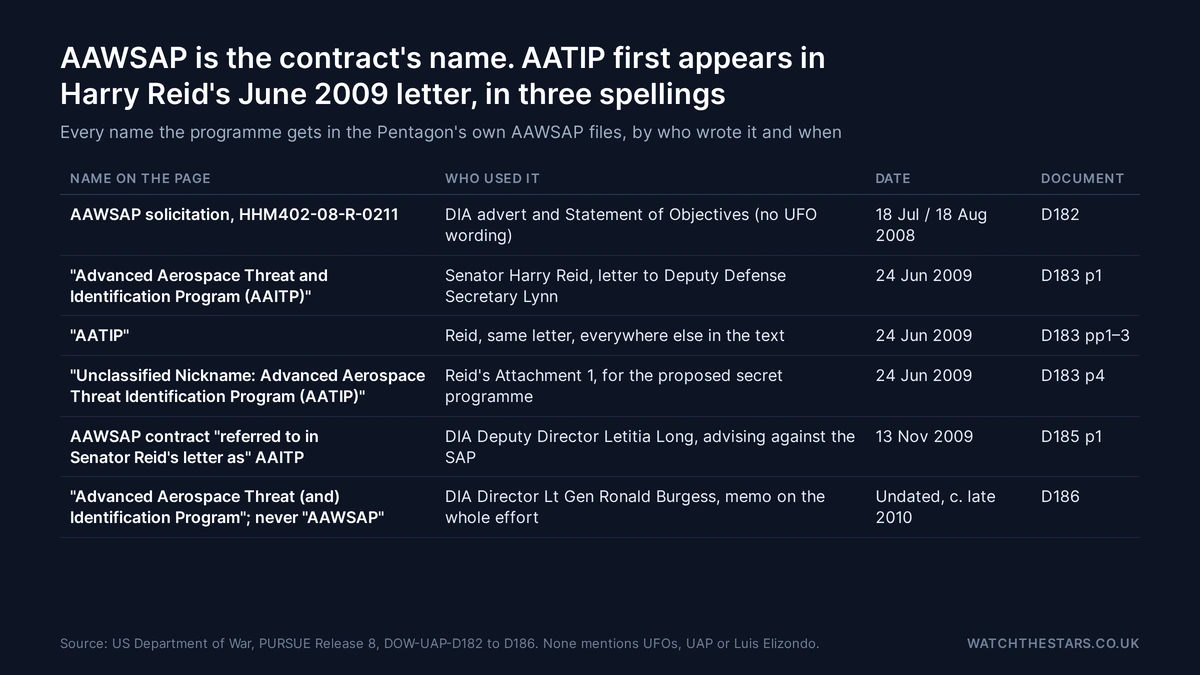
The name AATIP first appears in the Pentagon's files in a letter from Harry Reid, then Senate Majority Leader, to Deputy Secretary of Defense William Lynn III, dated 24 June 2009. Reid wrote that the Senate had mandated the DIA to assess "far-term foreign advanced aerospace threats", and that since "the Advanced Aerospace Threat and Identification Program (AAITP) and study were first commissioned, much progress has been made with the identification of several highly sensitive, unconventional aerospace-related findings."
He then asked Lynn for help "establishing a Restricted Special-Access-Program (SAP) with a Bigoted Access List for specific portions of the AATIP." A bigoted list is a named list of everyone cleared to know.
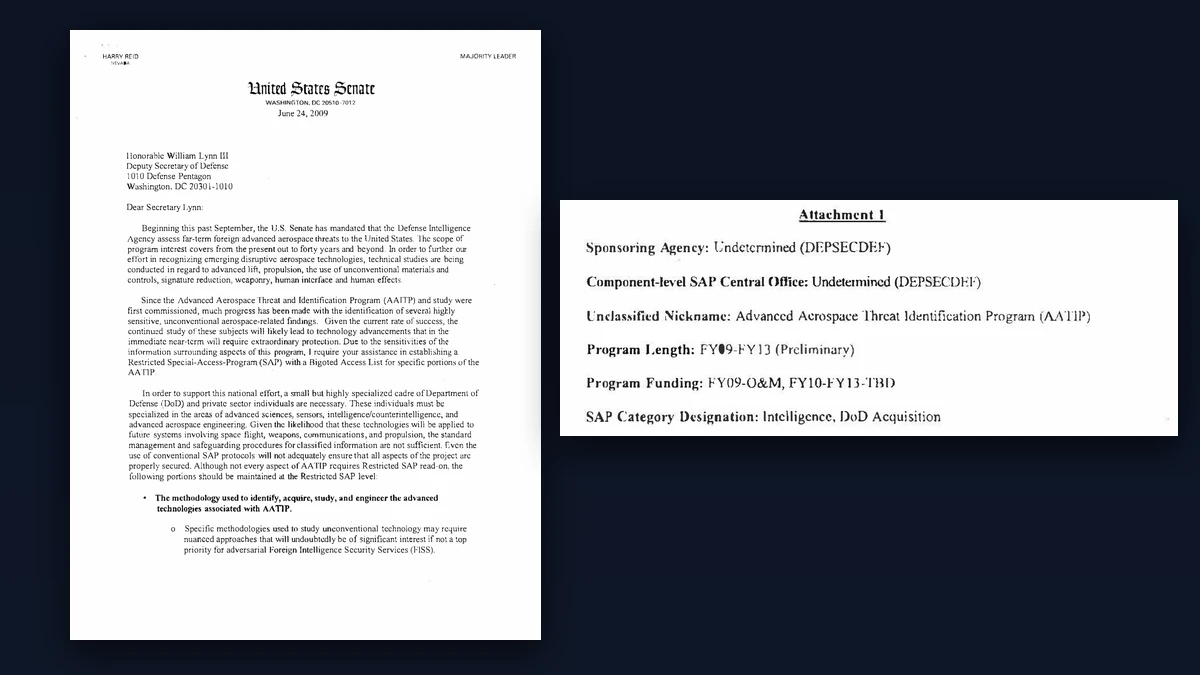
Look closely and the letter spells the name three ways. Page one has "AAITP". The rest of the letter says "AATIP". The attachment gives the formal "Unclassified Nickname: Advanced Aerospace Threat Identification Program (AATIP)", alongside a sponsoring agency of "Undetermined (DEPSECDEF)" and a programme length of "FY09-FY13 (Preliminary)". The letter never uses "AAWSAP", and it never mentions UFOs. It talks about protecting "the methodology used to identify, acquire, study, and engineer the advanced technologies associated with AATIP", without saying what those technologies were.
The Department of War's catalogue calls the letter "public correspondence". It wasn't: it's a private letter with a footer saying it's exempt from Freedom of Information disclosure.
Why the DIA Said No to an AATIP Special Access Program
The DIA advised against an AATIP special access program because, by its own account, there was nothing secret to protect. The Under Secretary of Defense for Intelligence's office asked the DIA to evaluate Reid's request, and on 13 November 2009 the DIA's Deputy Director, Letitia A. Long, replied. Her memo calls the AAWSAP contract the programme "referred to in Senator Reid's letter as" AAITP, then gives the answer:
"In reviewing the deliverables to date and looking ahead to planned production in fiscal year (FY) 2010, DIA cannot find adequate justification to establish a restricted SAP."
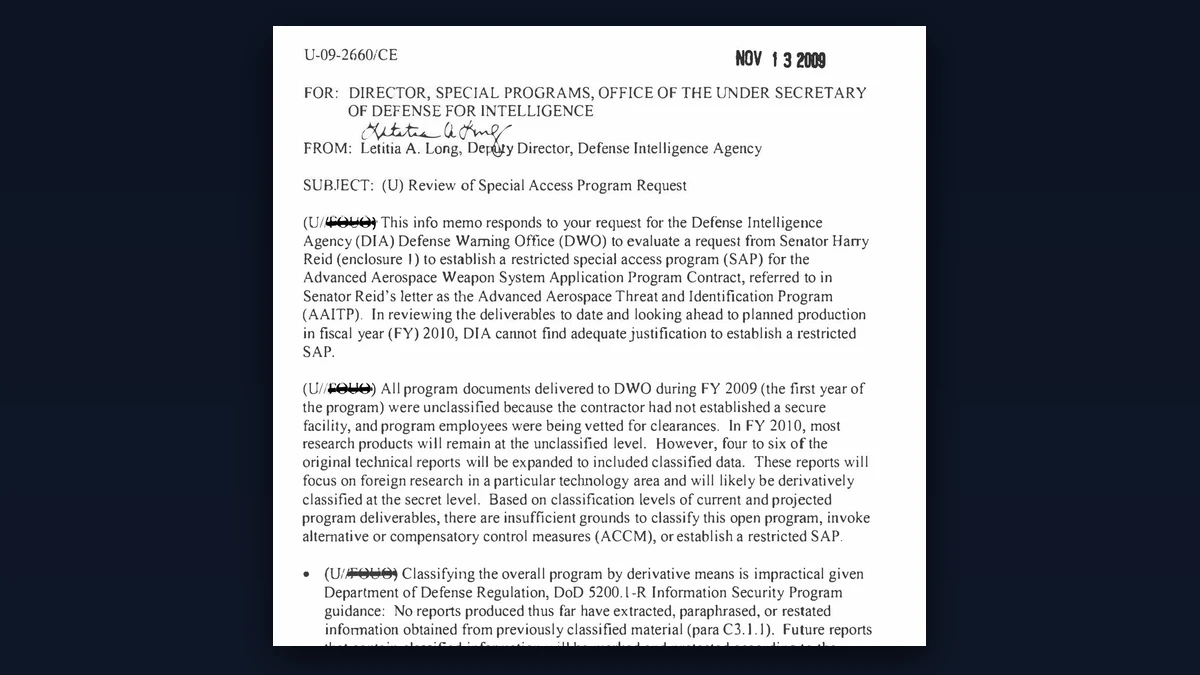
Her reasons are plain bureaucracy, which is rather the point:
- Every first-year report was unclassified, "because the contractor had not established a secure facility, and program employees were being vetted for clearances."
- No report had drawn on classified material.
- The information was "not owned by, produced by or for, or under control of the U.S. government", and the DIA couldn't "identify any damage" from releasing public science.
- The DIA was "unaware of any report containing information sufficiently sensitive and vulnerable to require extra protection", and assumed Reid meant "future phases of this program".
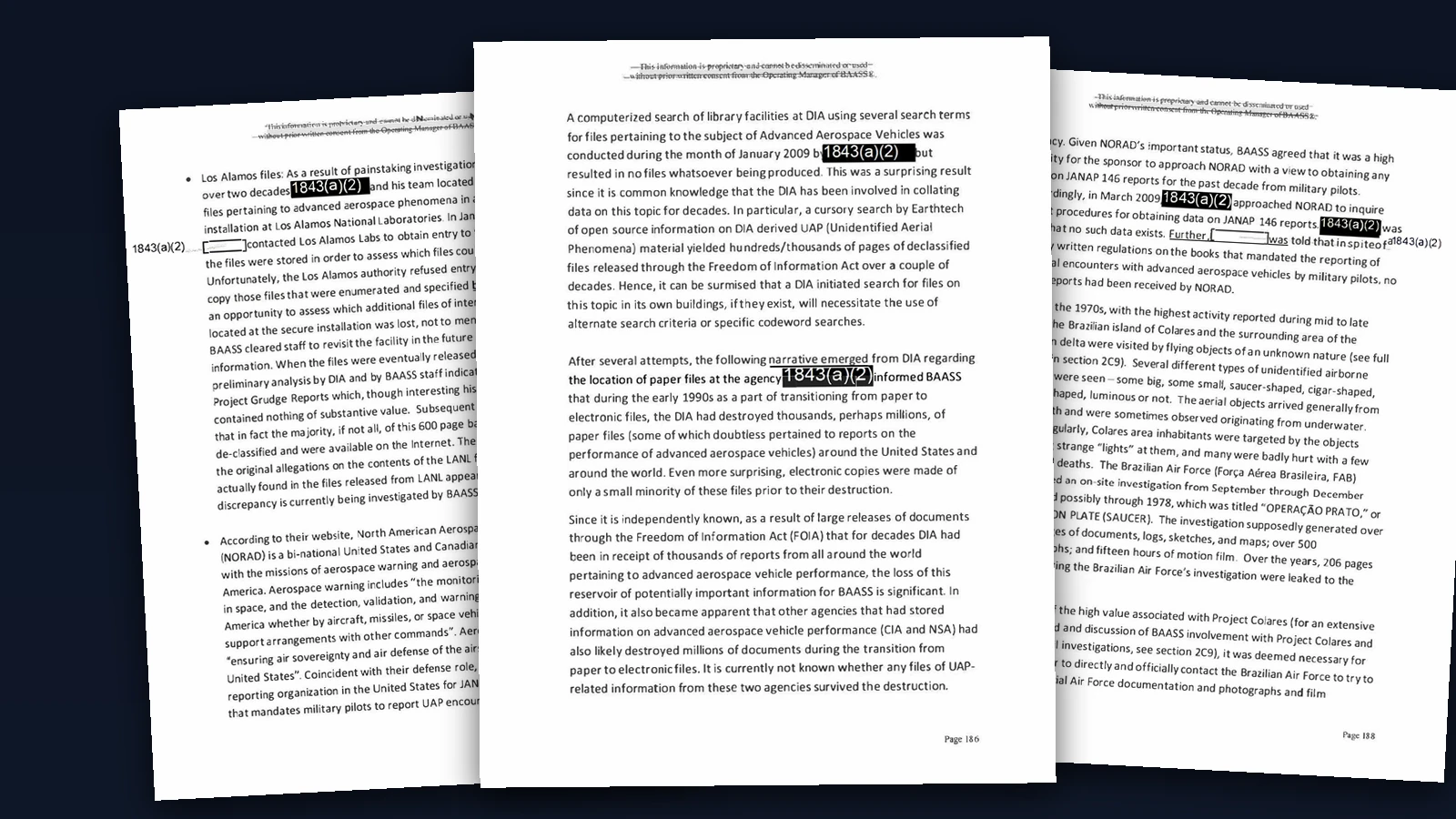
Strictly, this was an evaluation, not a final ruling, and no ruling by the Deputy Secretary is in the release. Nothing in it shows a special access program was ever set up. And the often-quoted line about wanting "deeper cover" isn't Reid's or the DIA's. It's from the contractor, BAASS, whose July 2009 report said a change to its "official programmatic status" was "already underway" and would give it "deeper cover to pursue the projects that are deemed more sensitive". That same report describes BAASS finding the government's old UFO files largely gone, and its plan for 2010 sets out what it hoped SAP status would unlock, from remote viewers to an "EBE tissue" search.
Scan the skies yourself
Kit we've reviewed in full
AAWSAP's contractor sent investigators after sightings in 2009 and put several down to satellites and airliners. A pair of binoculars answers most of those questions on the spot.
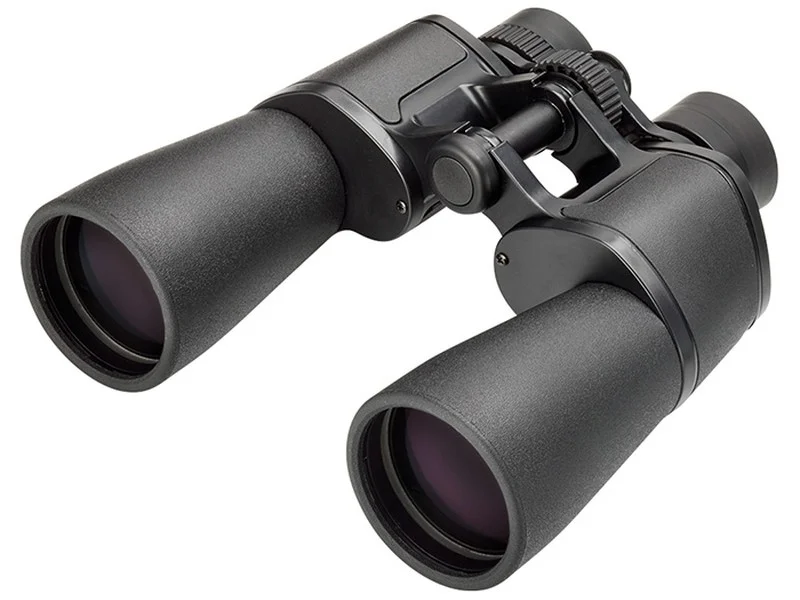
Bright, light and quick to aim, so you can get onto a moving light before it's gone.
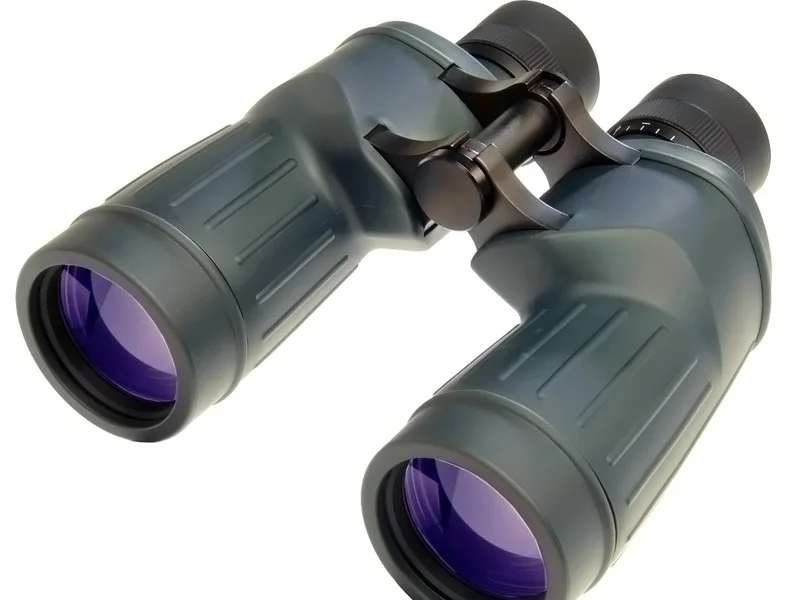
Waterproof and nitrogen-filled, for long sessions outdoors.
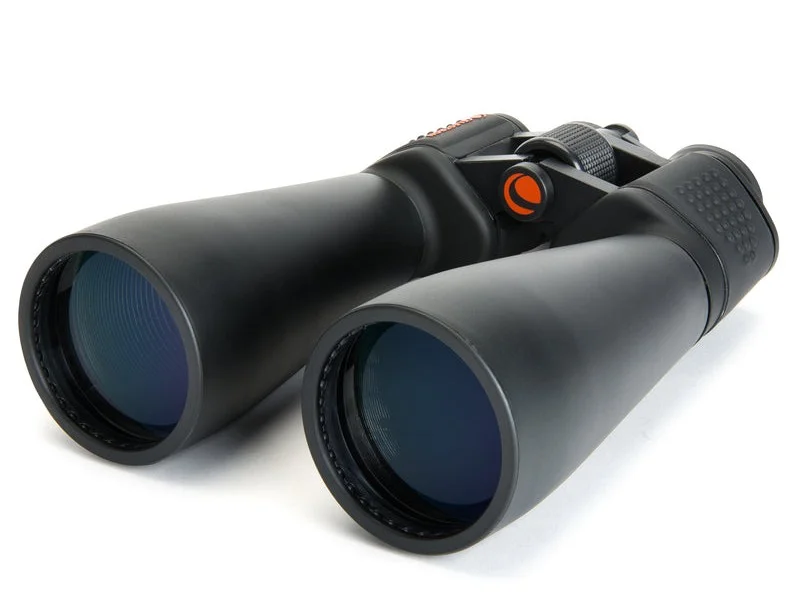
Shows the navigation lights on a distant aircraft. Best on a tripod.
Affiliate links: you pay the same price, we earn a small commission that helps keep WatchTheStars free.
What "Limited Value" Means, and Who Said It
"Limited value" is the DIA Director's own recollection of a November 2009 meeting with Reid. Lieutenant General Ronald Burgess wrote, in a memo with no date on it:
"In November, 2009, Deputy Secretary of Defense Lynn and I met with Senator Reid to discuss this program. At that time, we determined the reports were of limited value to DIA. However, I did suggest they could be of merit to other organizations..."
It's sometimes read as the verdict of a formal review. It isn't. The DIA's actual review of the reports, a few weeks earlier on 30 October 2009, said "all of the reviews were positive, some exceptionally so", though it covered only 11 of 26 papers, most reviewers were fellow contract authors, and it skipped the warp-drive and wormhole papers. Six months before that, a DIA talking paper had called BAASS's performance "excellent". Some coverage, and the Department of War's own catalogue, give 2012 as the end. No released AAWSAP document says so: the contract ran out on 21 December 2010.
Burgess's memo is also the strongest evidence on the naming question. Its subject line is "Advanced Aerospace Threat and Identification Program", it describes only the DIA's contract with BAASS, "the only bid", and it never says AAWSAP. The DIA's own director used Reid's name for the whole thing.
AATIP vs AAWSAP at a Glance
AAWSAP is the contract and AATIP is Reid's name for it, or at least for the part of it he wanted protected. The DIA advertised the work on 18 August 2008 as a small-business set-aside with 18 days to respond, drew one bid and signed with BAASS on 22 September 2008. Nine months later, Reid's letter brought in the AATIP name.
What the AATIP Files Don't Say
The seven government files on AATIP and AAWSAP don't mention UFOs, UAP or Luis Elizondo, and they say nothing about any work after the DIA contract. Elizondo has said publicly that he led AATIP at the Pentagon. That's his account, and these documents can't confirm or contradict it because they stop in 2010. Burgess wrote only that the project "could be transitioned to another agency or component"; nothing released shows whether it was.
The UFO side of the story is in the contractor's paperwork, not the government's. BAASS's own plan set out nine projects, most aimed at UFO reports, and its 2009 reports cover everything from a Utah ranch the documents never name to a memo on the Nimitz "Tic Tac" encounter. The rest of the release is in our round-up of the eighth Pentagon UFO file release, and every file can be downloaded from our Pentagon UFO file browser.
If you'd rather judge a strange light yourself than read about one, the sky is the best place to start. Check what you can see in the sky tonight, look up ISS passes tonight, and see our UK night sky this week for the bright planets. A brilliant Venus low in the west has fooled more people than anything in these files.
Sources:
- US Department of War, PURSUE Release 8 (20 November 2026): DOW-UAP-D183 (Reid's letter), D185 (the DIA's SAP review), D186 (Burgess's memo), D182, D184, D187 and D188, plus BAASS's Ten-Month Report, D172 (p191). Originals at war.gov/ufo
- Contract end date: Modification P00005, PURSUE Release 6
Header image: Senator Harry Reid's letter of 24 June 2009 (DOW-UAP-D183, p1) and the DIA's review of 13 November 2009 (DOW-UAP-D185, p1).
Frequently Asked Questions
Equipment guides
Related topics
Ian ClaytonAmateur astronomer and founder of WatchTheStars.co.uk, dedicated to helping others explore the wonders of our universe. Full profile →