Interactive Solar System Explorer
Drag to travel from the Sun to the Oort Cloud. Click any object to explore it
Jump straight to a planet
Every link below opens the explorer at that object, so you can send someone directly to Neptune rather than making them drag for it. Each one also has a full page of its own with observing notes, current visibility and the best time of year to look.
- The Sun0 AU
- Mercury0.39 AU
- Venus0.72 AU
- Earth1.0 AU
- Mars1.52 AU
- Jupiter5.2 AU
- Saturn9.54 AU
- Uranus19.2 AU
- Neptune30.1 AU
- Pluto39.5 AU
How long sunlight takes to reach each planet
This is the number that makes the distances land. Press Ride a Sunbeam above and a single photon leaves the Sun in real proportion. It reaches us in eight minutes and twenty seconds, and it is still crawling towards Neptune four hours later.
| Object | Distance from the Sun | Sunlight takes |
|---|---|---|
| Mercury | 0.39 AU · 58m km | 3 min 15 sec |
| Venus | 0.72 AU · 108m km | 5 min 59 sec |
| Earth | 1.0 AU · 150m km | 8 min 19 sec |
| Mars | 1.52 AU · 228m km | 12 min 38 sec |
| Asteroid Belt | 2.1–3.3 AU | 17–27 min |
| Jupiter | 5.2 AU · 778m km | 43 min 15 sec |
| Saturn | 9.54 AU · 1.43bn km | 1 hr 19 min |
| Uranus | 19.2 AU · 2.87bn km | 2 hr 40 min |
| Neptune | 30.1 AU · 4.50bn km | 4 hr 10 min |
| Kuiper Belt | 30–50 AU | 4–7 hours |
| Oort Cloud | up to 100,000 AU | up to 1.6 years |
Why the map is not to scale
A true-to-scale Solar System is mostly nothing. Shrink the Sun to the size of a football and Earth becomes a peppercorn about twenty-four metres away, with Neptune another seven hundred metres further out. You would scroll past empty black for minutes at a time and learn very little.
So this explorer does what almost every printed diagram does, and says so plainly: distances run on a logarithmic scale, and planet sizes are exaggerated. The ruler along the bottom stays honest. It shows real AU markings, so the compression is visible rather than hidden. If you want the genuine scale of it, the Oort Cloud is the one to sit with: at 100,000 AU its outer edge would be roughly a third of the way to the next star.
Where to go next
The Solar System hub collects every planet, dwarf planet and region in one place. If you want to actually see any of this rather than read about it, what you can see in the sky tonight tells you which planets are up right now from the UK, and the Moon phase tonight tells you how much moonlight you will be fighting.
New to observing? Our guides to the best binoculars for stargazing and the best beginner telescopes UK cover what genuinely shows you Saturn's rings, and what is a waste of money. For darker skies, the UK dark sky sites map is worth a look before you drive anywhere.
Seeing these planets for yourself
Kit we've tested and reviewed in full
Dragging past Jupiter is one thing. Picking out its four big moons in a real eyepiece, on a cold night in your own garden, is another. You need less kit than most people assume: here's what actually shows you the planets in the explorer above.
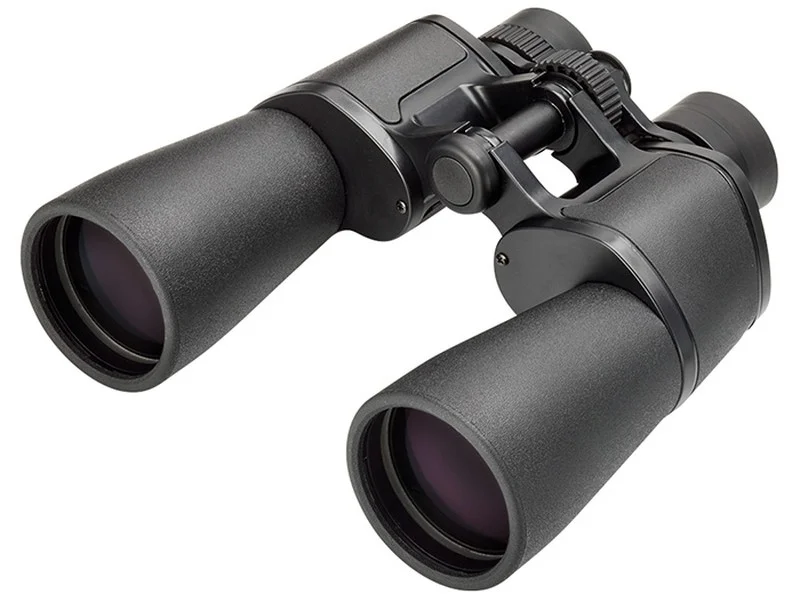
Enough to show Jupiter's four Galilean moons as a line of pinpricks, and the phases of Venus. No tripod, no setup, no excuses.
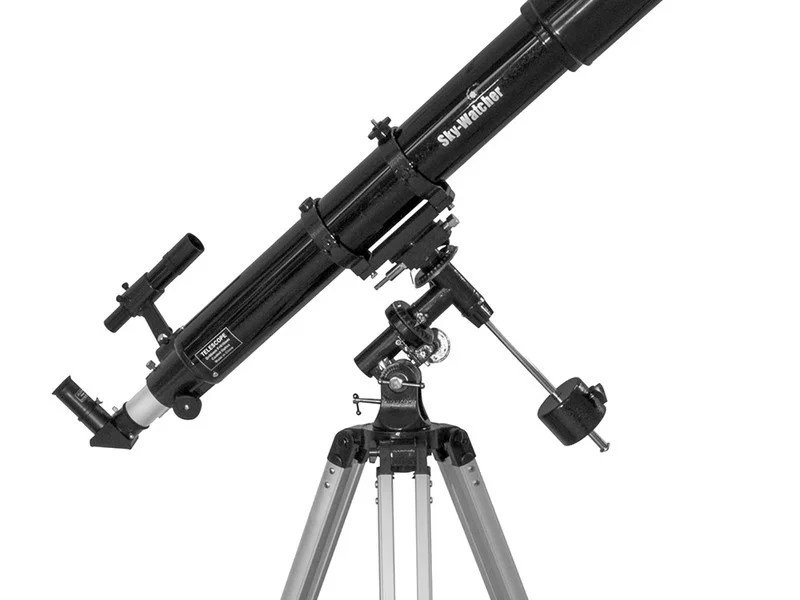
A long refractor gives sharp, high-contrast views: Saturn's rings, Mars' polar cap and the belts on Jupiter.
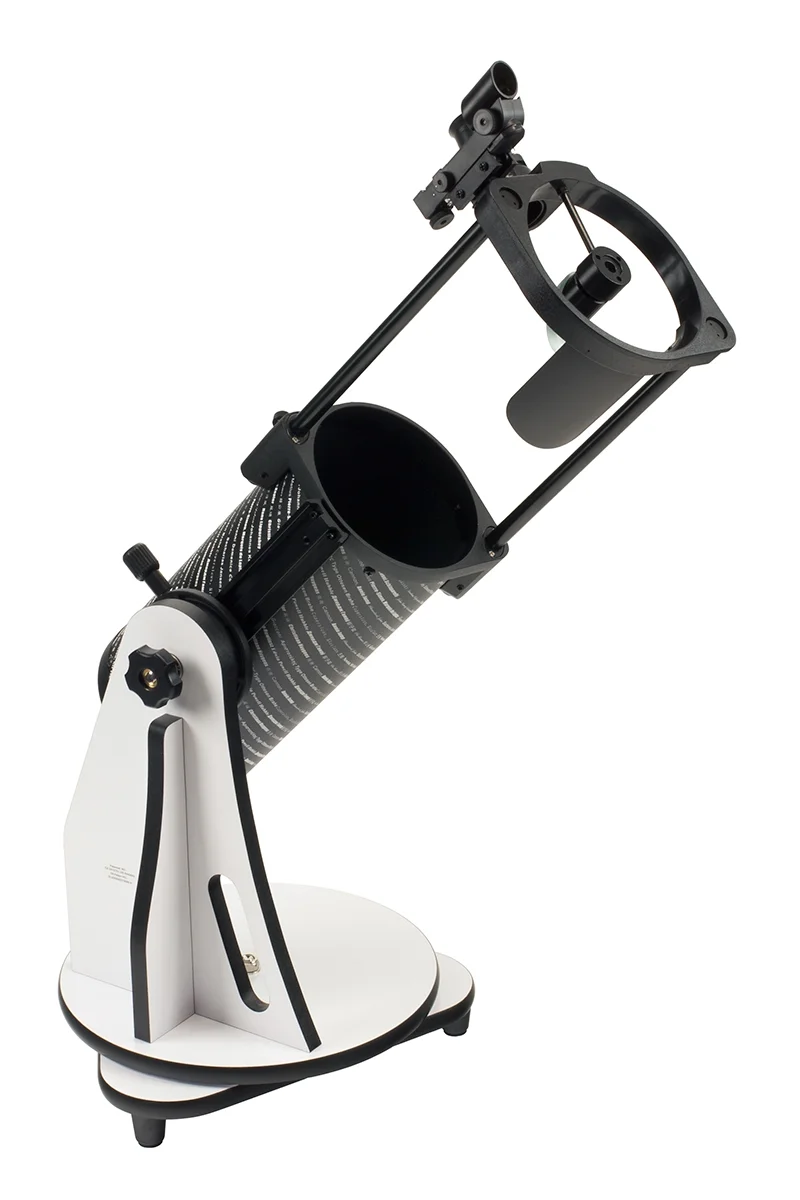
More light than the 90mm, so it does planets well and still reaches the faint deep-sky things. Sits on a table, folds down small.
Affiliate links: you pay the same price, we earn a small commission that helps keep WatchTheStars free.